

#1
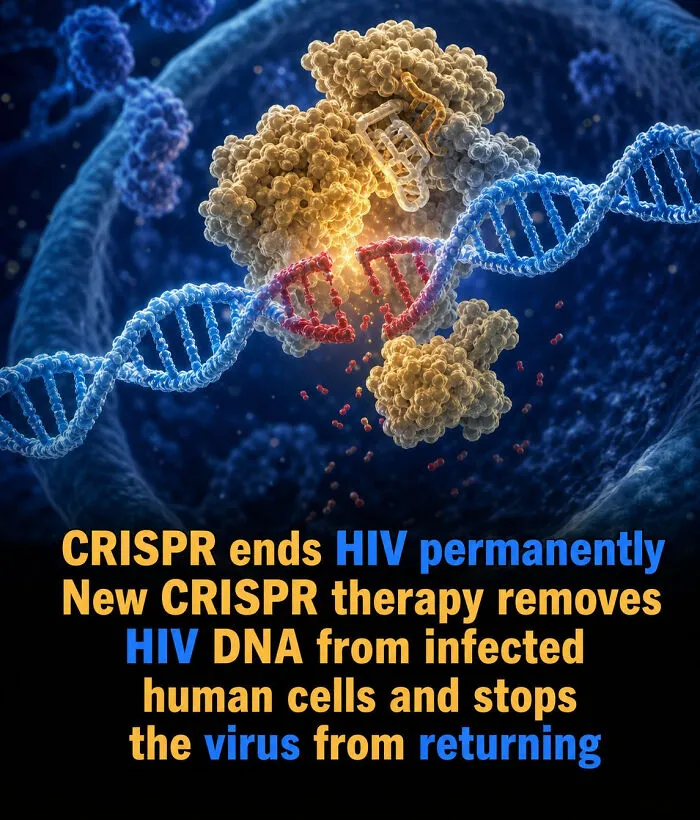
A new CRISPR therapy removes HIV DNA from infected human cells, targeting the genetic material the virus leaves behind.
By cutting out that embedded viral DNA, the therapy is designed to prevent HIV from returning after treatment.
The approach focuses on eliminating the source of reinfection inside human cells rather than only suppressing the virus.
#3
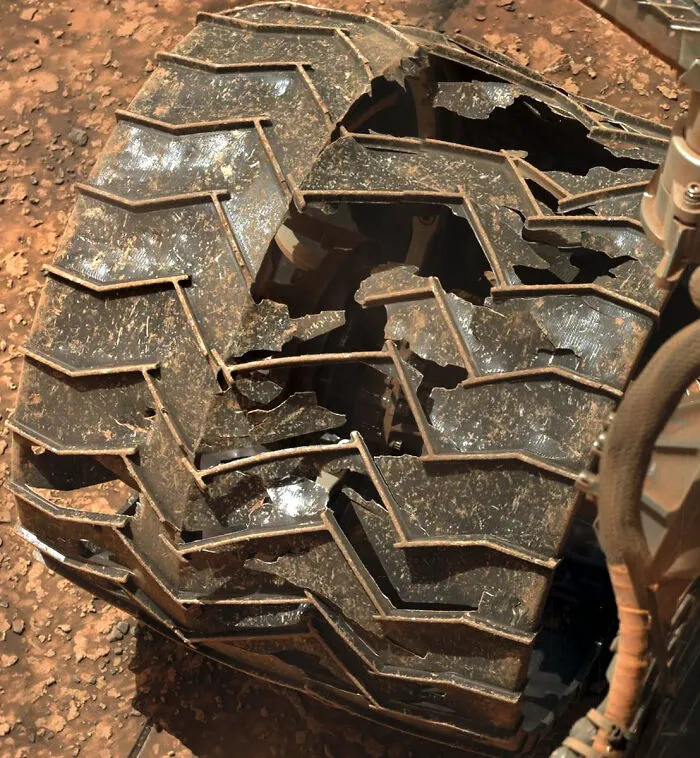
That's how long Curiosity has been grinding across Mars on the same six wheels it landed with back in August 2012.
And they look exactly like you'd expect.
Gaping holes. Torn treads. Chunks of aluminium just gone, ripped away by rock after rock after rock. This isn't neglect, by the way. There's no garage on Mars. Whatever hardware you launch with is the hardware you die with.
Here's the part that gets me: engineers knew the wheels were shredding as early as 2013, barely a year in. So they started driving the rover backwards over rough patches, mapping gentler routes, rationing every metre of terrain. A billion-dollar robot, babied across a planet like a car limping to the mechanic that doesn't exist.
Nearly 14 years later, it's still moving. Still drilling. Still sending photos home, including this one of its own battered wheel.
Your car needs new tyres every few years on paved roads. This thing has been off-roading on another planet since before most phones had fingerprint sensors.
The wheel in this photo is broken. The rover isn't.
Most ground-breaking discoveries start with someone asking a simple “why” or “how.”
When scientists look for answers, they aren’t usually trying to invent the next big gadget or cure a disease right off the bat. Yet, as history shows, this urge to uncover the unknown has always been the foundation for our most important technological advances.
Take penicillin, for example. Alexander Fleming didn’t set out to save millions of lives. He just noticed some odd mold growing on a dirty petri dish and got curious. That exact moment of curiosity revolutionized the medical world.
#4
#5
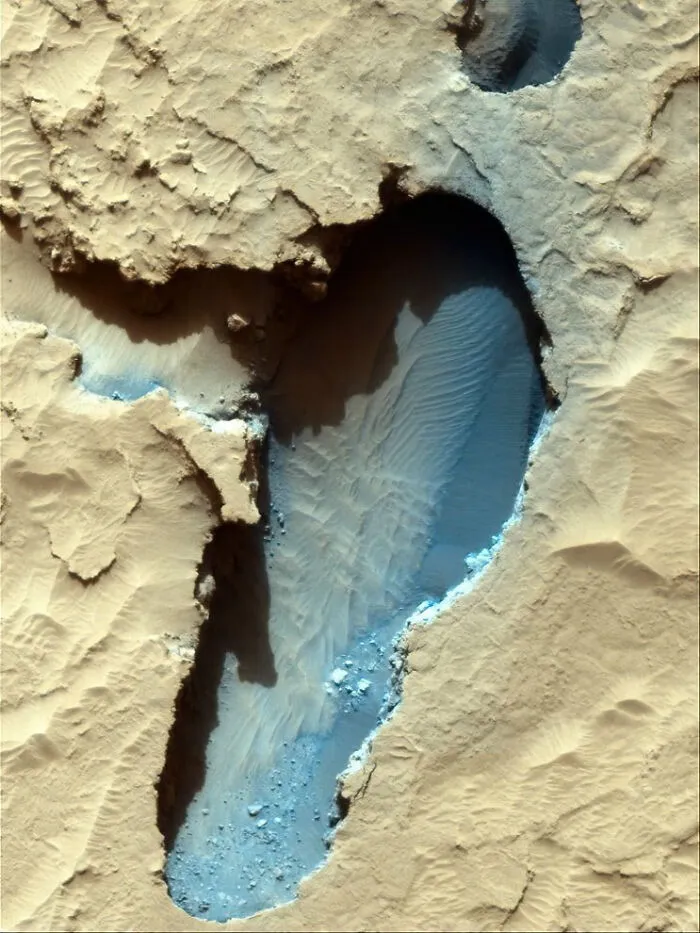
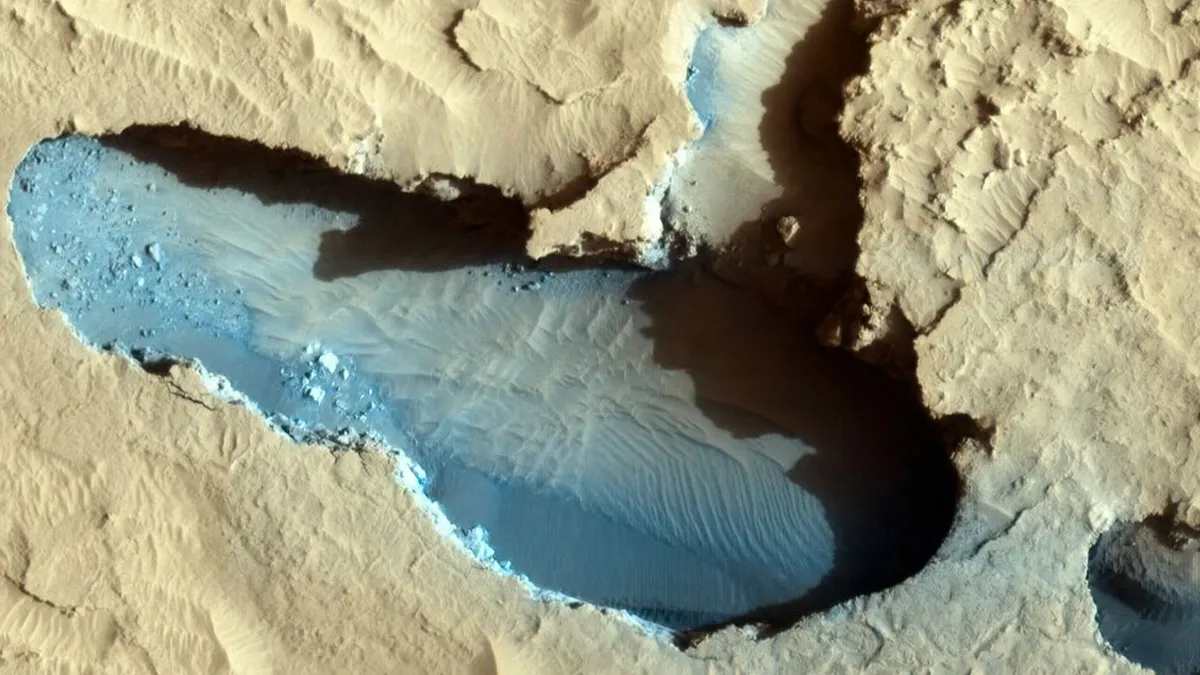
Photographed by NASA's MRO.
#6
Studies show that government-funded basic science — the kind driven purely by exploration rather than commercial goals — yields massive long-term economic returns and triggers entire new industries.
“Curiosity fuels scientific discovery by pushing people to keep pursuing deep questions because they simply need to know: How does the brain work? How does cancer start? What is the universe made of?” says Alfred Ironside, vice president for communications at the Massachusetts Institute of Technology.
#7
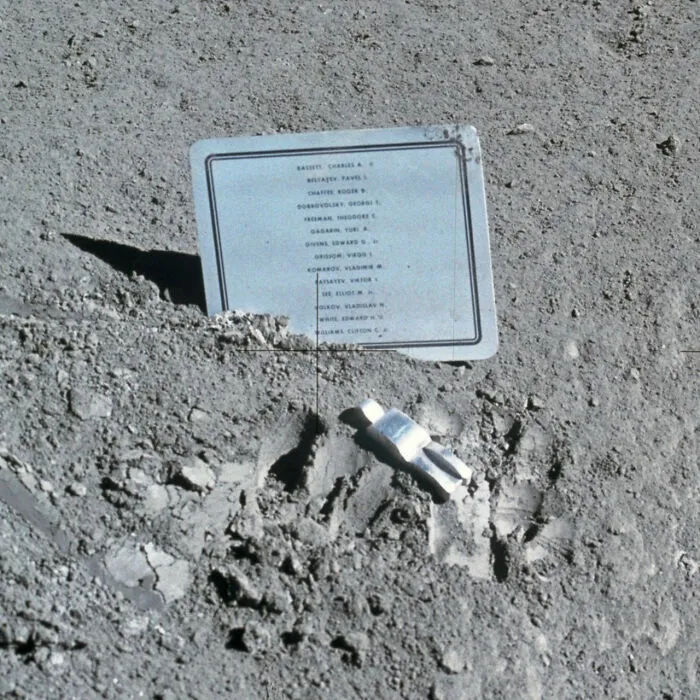
The plaque bears the names of Charles Bassett II, Pavel Belyayev, Roger Chaffee, Georgi Dobrovolski, Theodore Freeman, Yuri Gagarin, Edward Givens Jr., Virgil Grissom, Vladimir Komarov, Viktor Patsayev, Elliot See Jr., Vladislav Volkov, Edward White II and Clifton Williams Jr.
#8

Scientists actually found a real underground network that lets trees talk, share resources, and warn each other about danger. They dubbed it the Wood Wide Web.
#9
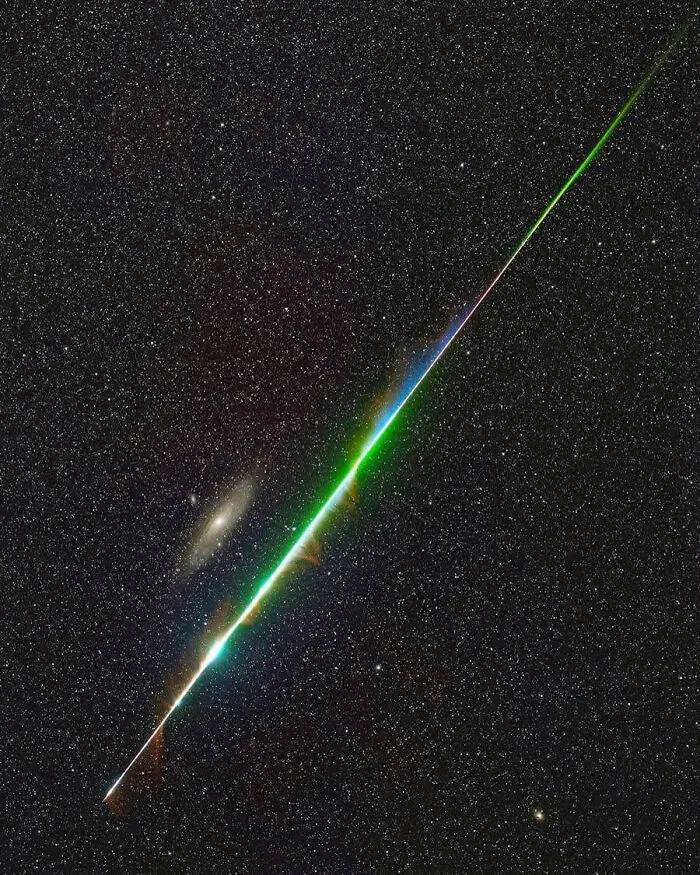
A bright meteor burned up in the atmosphere while capturing Andromeda Galaxy.
Even if you aren’t actively hunting for the next Nobel Prize-winning discovery, unleashing your curiosity still pays massive everyday dividends.
Chasing down random facts and exploring the unknown directly changes how your brain functions.
Studies show that when our curiosity is sparked, our brain’s reward centers light up, flooding our system with dopamine. We are literally hardwired to feel good when we learn something new.
Information isn’t a direct physical reward like a glass of water or a sweet snack, but our brain still treats it like one.
#10
#11
#12
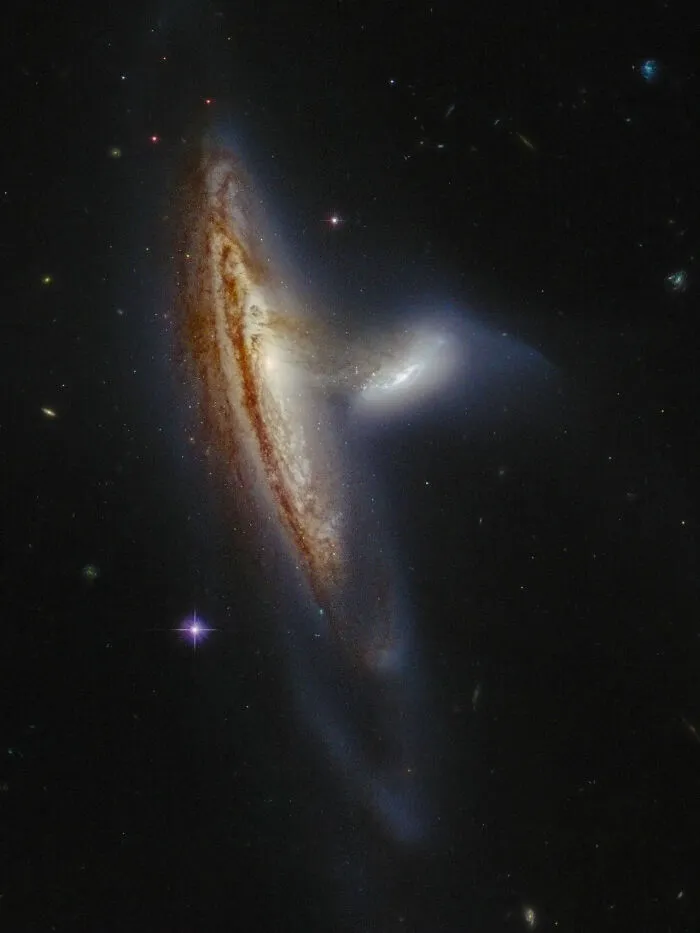
320 million light-years from Earth.
Scientists have found that dopamine neurons fire up in response to both physical treats and new information. This suggests that the brain blends different types of rewards into one single feel-good category.
Because of this, dopamine isn’t just about pleasure. When you experience a surprise or even something unpleasant, your brain releases dopamine simply because it learned something new from the experience. Information itself is the prize.
#13

#14
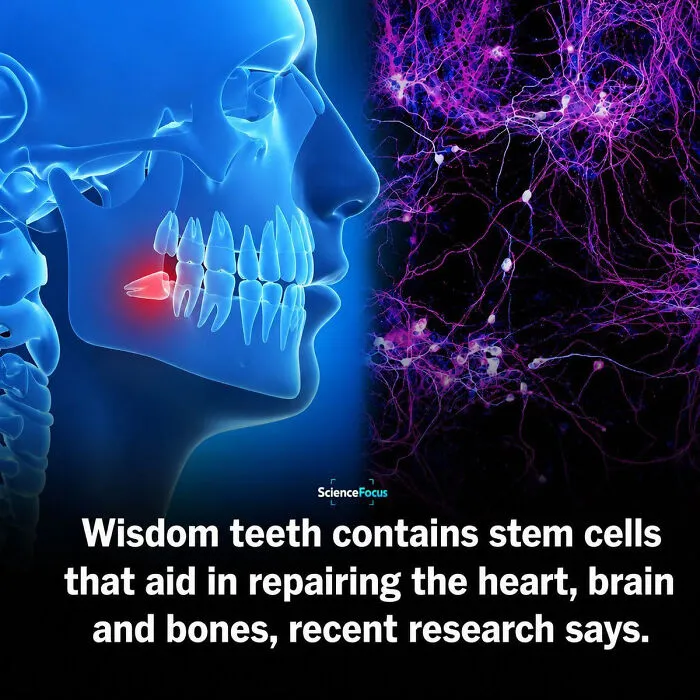
Scientists have discovered that wisdom teeth contain powerful stem cells hidden inside their dental pulp.
These cells have shown the ability to develop into bone, nerve, cartilage, and other tissue types, making them a promising tool in regenerative medicine.
Researchers are exploring how these stem cells could potentially help repair damage linked to the brain, heart, and skeletal system, turning what was once considered medical waste into a valuable biological resource.
Your wisdom teeth might be a lot more useful than anyone ever imagined.
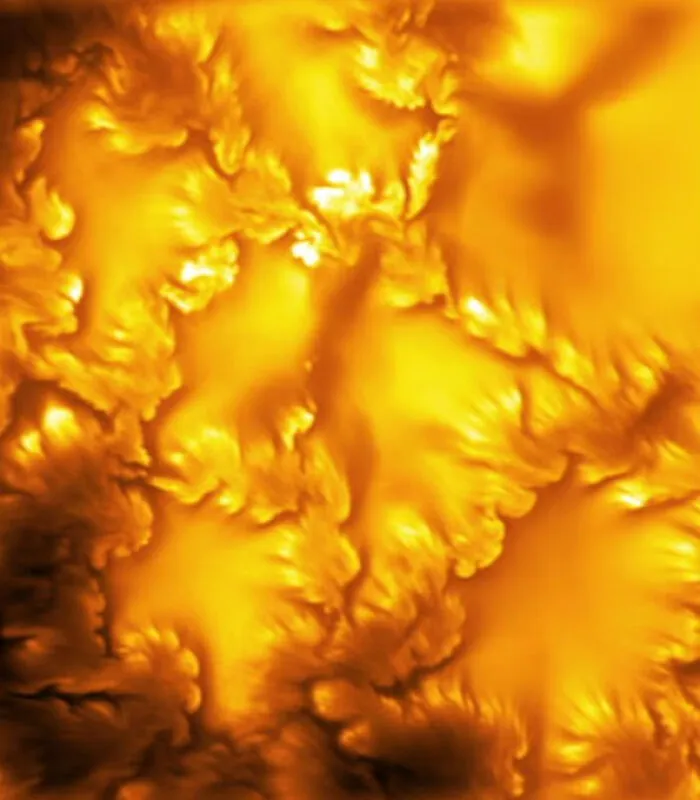
Since curiosity ramps up the activity of dopamine, it also seems to strengthen people’s memories in turn.
Neuroscientist Charan Ranganath at the University of California, Davis, explains that curiosity often peaks when we know a little bit about a topic, only to realize there is a missing piece to the puzzle. That sudden clash between what we know and what we don't generates an irresistible urge to search for the missing link.
“We think curiosity is the drive to fill that gap. It’s like an itch you just have to scratch,” he said.
#16
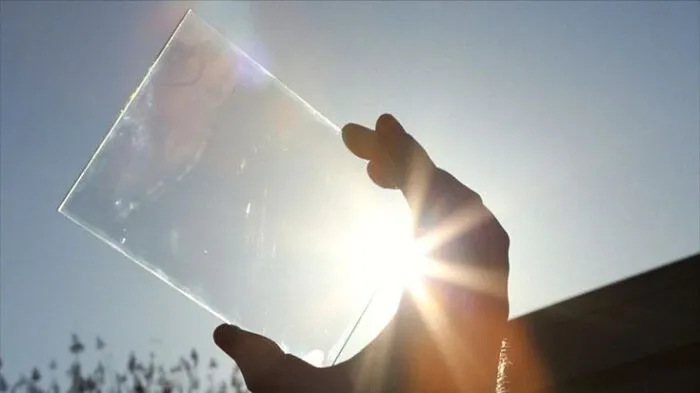
The panels harvest energy from sunlight while maintaining visibility, opening the door to buildings that power themselves through their own glass.
#17
#18
A study published in 2014 by Ranganath and his colleagues put this exact link between curiosity, dopamine, and memory retention to the test. The researchers scanned participants’ brains while asking them trivia questions.
The results showed that when someone felt high curiosity about an answer, their hippocampus — the brain’s primary memory hub — lit up alongside those dopamine reward centers.
That surge of brain activity did more than help them remember the specific answers they were looking for. It also primed their brains to absorb unrelated details, such as faces shown between the questions.
Once that curious state of mind was activated, the brain acted like a super-absorbent sponge, effortlessly locking in all kinds of information from the surroundings.
“Say you’re watching the Breaking Bad finale. If you’re a huge fan of the show, you’re certainly really curious to know what happens to its main character, Walter White. You’ll undoubtedly remember what happens in the finale… but you might also remember what you ate before watching the episode, and what you did right after,” Ranganath explains.
#19
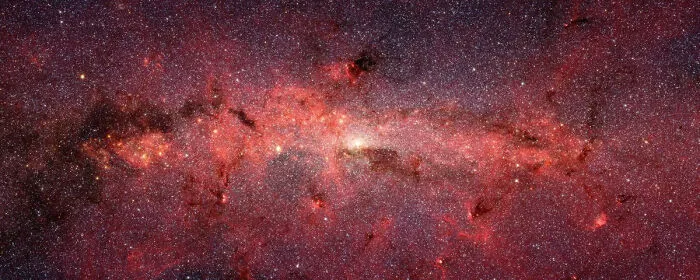
Sugars are fussy, fragile things. They barely survive being made under controlled conditions in a lab, and they fall apart easily once they exist. So an intact sugar drifting through the frozen near-vacuum between stars was never supposed to be likely, or even really possible. A team in Spain just found one anyway.
#20