






Crocodiles might be dangerous predators, but they are also very interesting and unique animals. It seems like we know all there is to know about them, but is that really so? For example, you surely have heard that if you ever cross paths with a crocodile or an alligator you should run away in zig-zags. Well, wrong. Outrunning an adult crocodile is a difficult task, so don’t lose your breath on changing direction, rather put as many miles between you and the animal as possible. Better still, avoid crocodile habitats altogether, especially if not supervised by a ranger or other professionals. And where do crocodiles live? Naturally, near water bodies.
Of course, the main question when it comes to crocodiles is what is the difference between an alligator and a crocodile? Okay, that one’s easy. One will see you later and the other one after a while. And though these two are not different types of the same animal, there are 18 types of crocodiles that scientists currently recognize, with the saltwater crocodile being the largest and most aggressive of all.
Crocodiles don’t make good pets. Ever. No exceptions. Crocodiles don’t have emotions and affections; they have instincts. And if the instinct is to fill the belly, it will fill the belly — with you, its owner, if you happen to be the closest food option. I mean, have you seen a crocodile eating?
However, if you are interested in crocodiles and keep asking yourself questions like “Do crocodiles age?” and “Which crocodile set a size record?”, we have collected facts about crocodiles for you to read and learn new things about these fascinating, albeit dangerous creatures.
#41
Crocodiles vocalize to communicate. The young of some species squeak and grunt, while adult crocs can growl, hiss or roar at each other.
Report
11points
#44
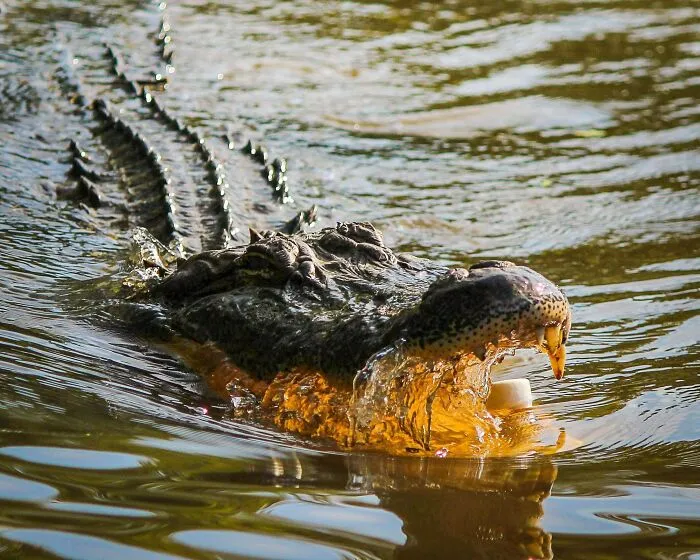
Crocodiles wake up from hibernation when the weather starts to warm up and live their lives until it gets cold again.
Report
11points
#45
These giant geniuses can use tools to fool prey, such as holding twigs with their snout to attract nest-building birds.
Report
11points
#47
Crocodiles have relatively weak jaw opening muscles, which can be held shut with just a rubber band, or your bare hands.
Report
10points
#48
The key difference to an alligator is snout shape. Alligators have wider, U-shaped snouts, while crocodiles are more pointed and V-shaped.
Report
10points
#49
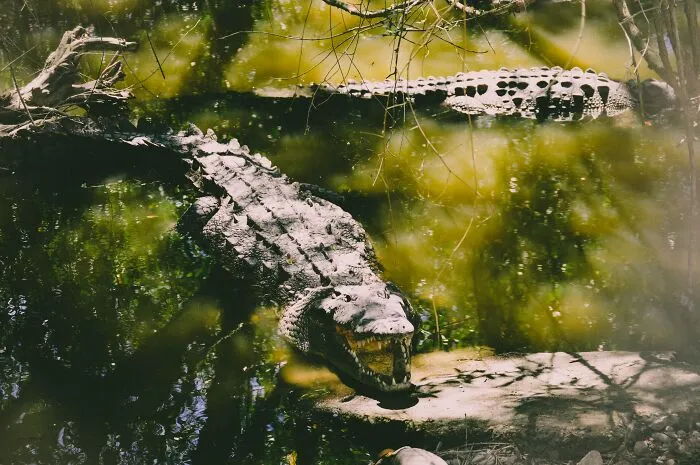
Crocodiles are ambush and opportunistic predators, capable of preying upon large mammals, such as smaller elephants, hippos, sharks or big cats.
Report
10points
#51
Crocodiles eat without chewing. Their jaw operates in such a way that it cannot move sideways, therefore they can’t grind down on food in a traditional chewing motion.
Report
10points
#52
Saltwater crocodiles have the strongest bite - slammed their jaws shut with 3,700 pounds per square inch.
Report
10points
#53
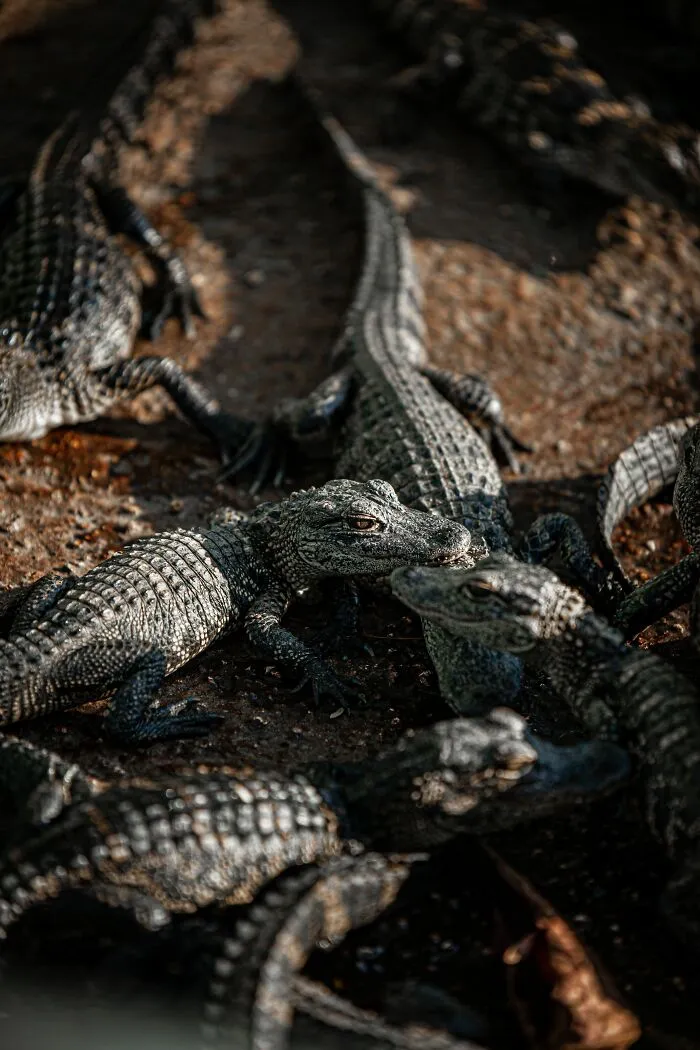
Most of the young crocodiles are eaten in their first year of life – by other predators like lizards, other crocodiles, hyenas, and even fish.
Report
10points
#55
The oldest crocodile was a freshwater crocodile named Mr. Freshie, who lived to be 140 years old.
Report
10points
#56
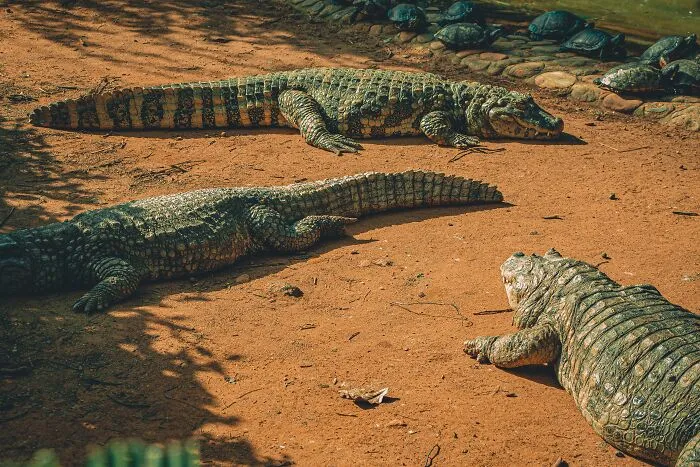
Crocodiles are aggressive by nature and are even more aggressive during mating season.
Report
10points
#58
There are 24 recognised species of extant crocodilians, divided into three Families.
Report
9points
#60
There is a crocodile species called “Dwarf Crocodile” - world’s smallest crocodiles.
9points