

Let’s rewind to March of 2006, when a small team at a podcasting company called Odeo was tinkering with a side project that sent short updates by text message. The very first one came from cofounder Jack Dorsey and said “just setting up my twttr.”
The missing vowels were a nod to the photo site Flickr, and the famous 140 character limit existed because text messages topped out at 160 characters, which left room for a username. Nobody involved could have guessed they were building a place where millions of strangers would someday debate pineapple on pizza at three in the morning.
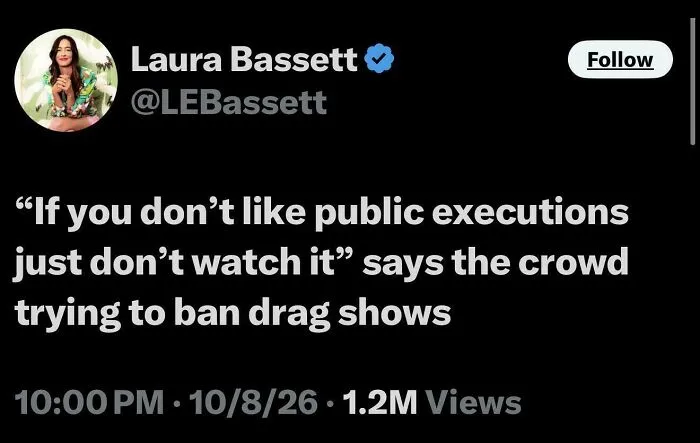
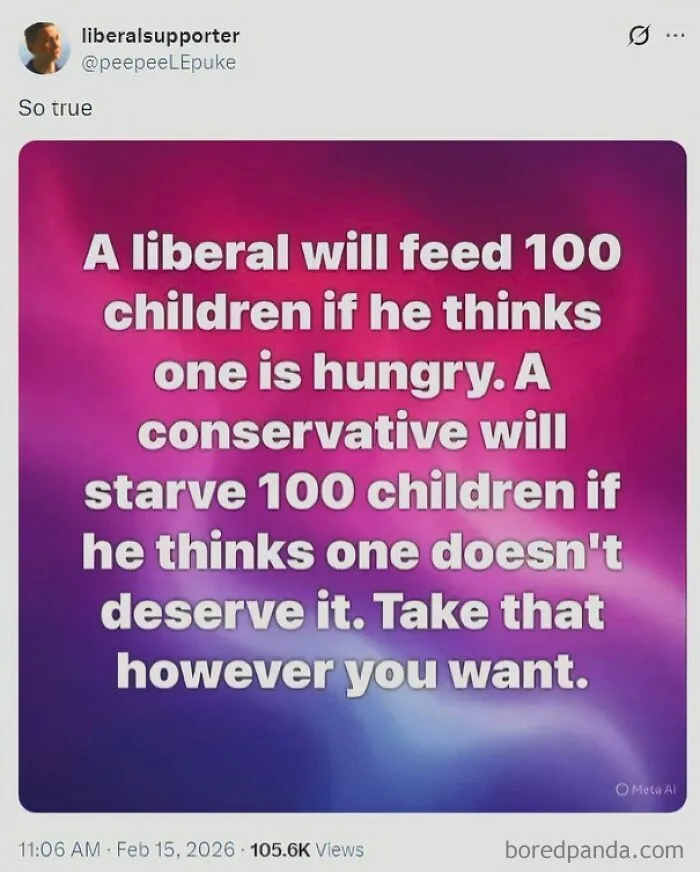
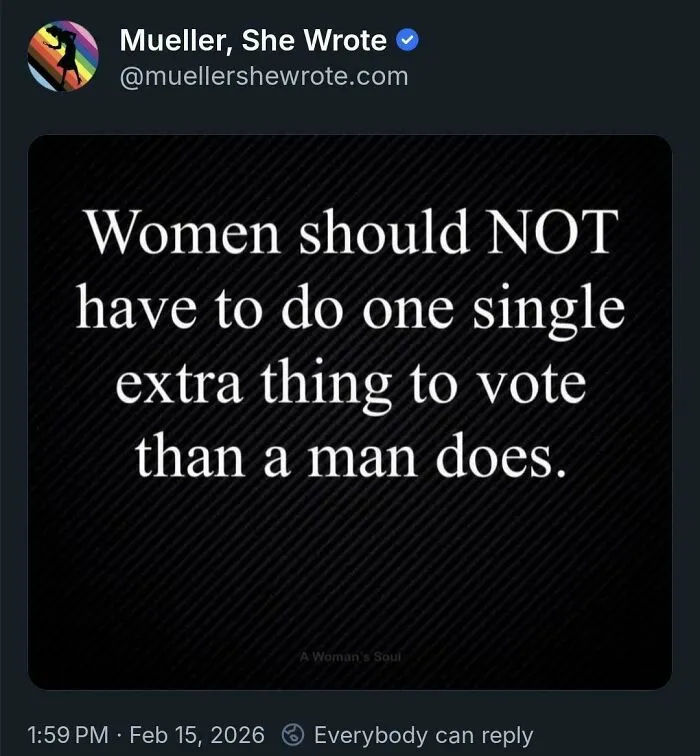
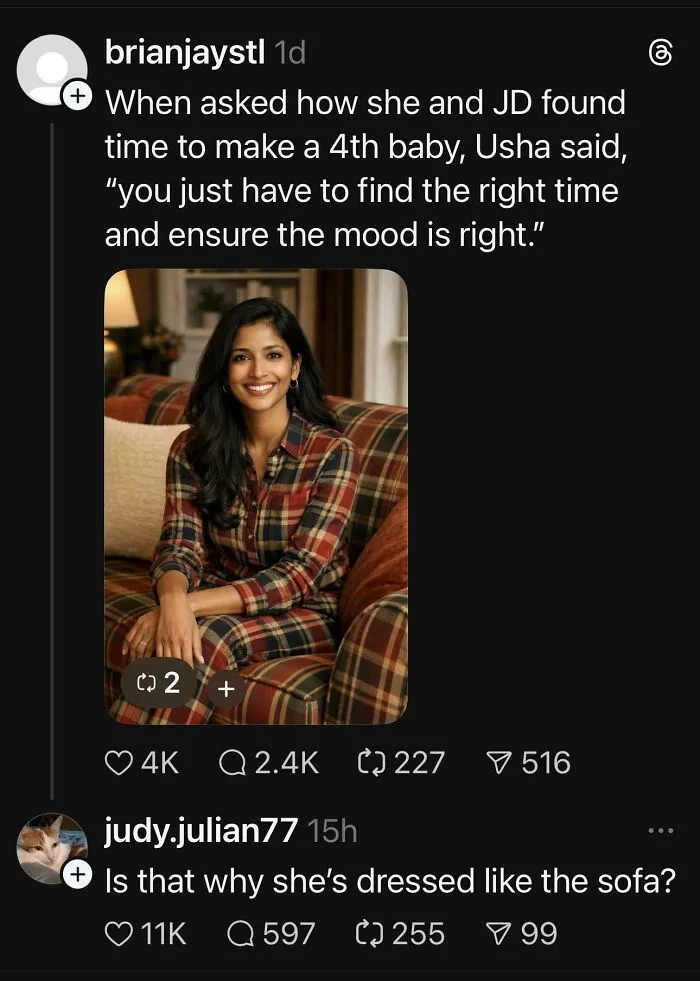
#6 Democrats Will Do Things For People. Republicans Do Things To People
For a while the service plodded along as a curiosity. Then came the South by Southwest festival in 2007, where screens in the hallways streamed tweets live and attendees could not stop talking about it. Tweet traffic reportedly tripled, and the buzz followed everyone home. That same year a user named Chris Messina suggested using the pound sign to group related posts, and the hashtag was born. Twitter shrugged at first, then made hashtags clickable a couple of years later. Suddenly strangers with the same obsession could find each other, and that is when the neighborhoods started forming.
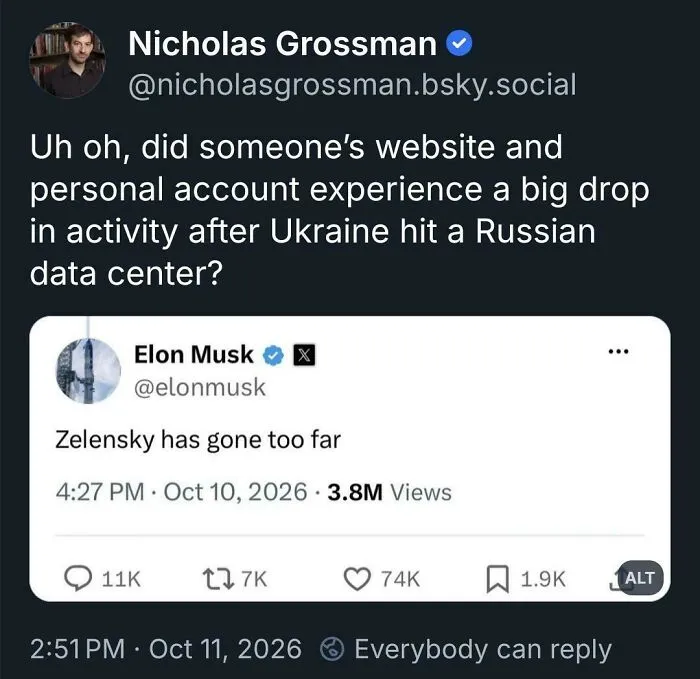
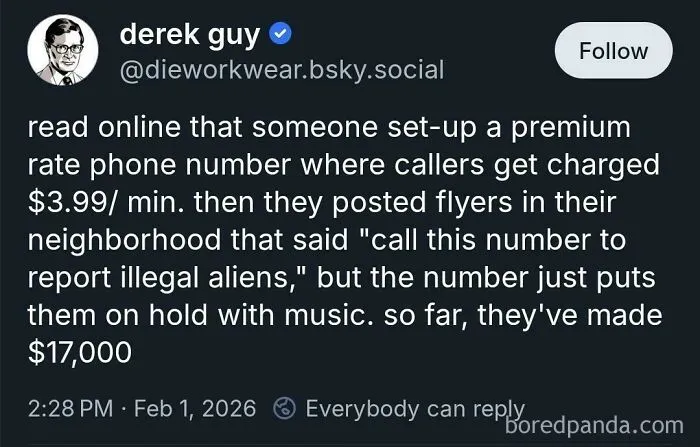
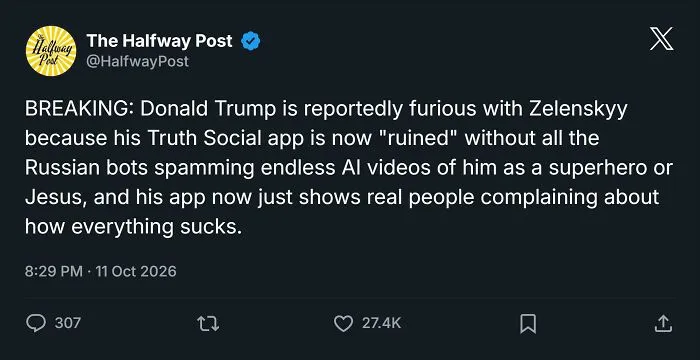
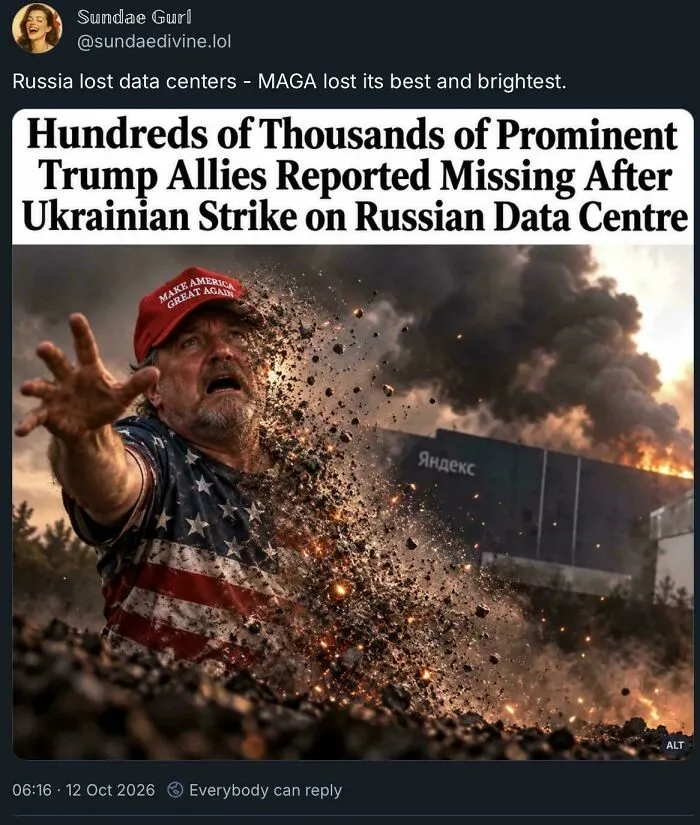
#7 Trump Was Okay With The High Price Of Gas And Diesel, But He Is Furious That Zelenskyy Destroyed The Russian Bots Who Fawn All Over Him
Black Twitter became one of the most influential of them all, a sprawling network of users whose jokes, slang and sharp commentary routinely escaped into the wider internet and shaped what the rest of us found funny. It also helped carry Black Lives Matter from a hashtag in 2013 into a global conversation.
Around the same time, Weird Twitter emerged as a home for absurdist one-liners, bizarre fictional characters and jokes that only made sense if you had been there since the beginning. Think of it as the experimental theater club of the platform, only with more pigeons. Then the niches multiplied like rabbits. Sports Twitter turned every game into a watch party with a few million roommates.
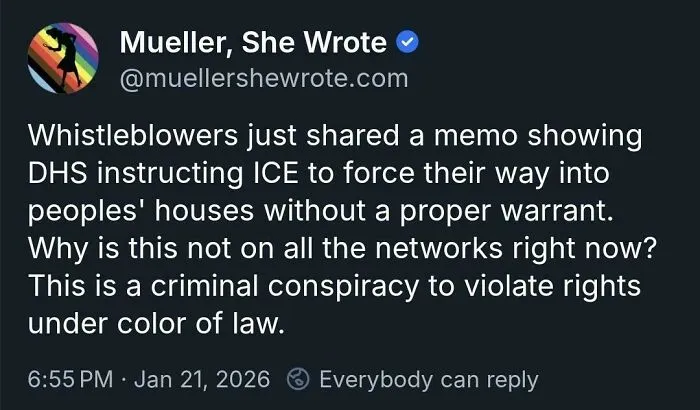
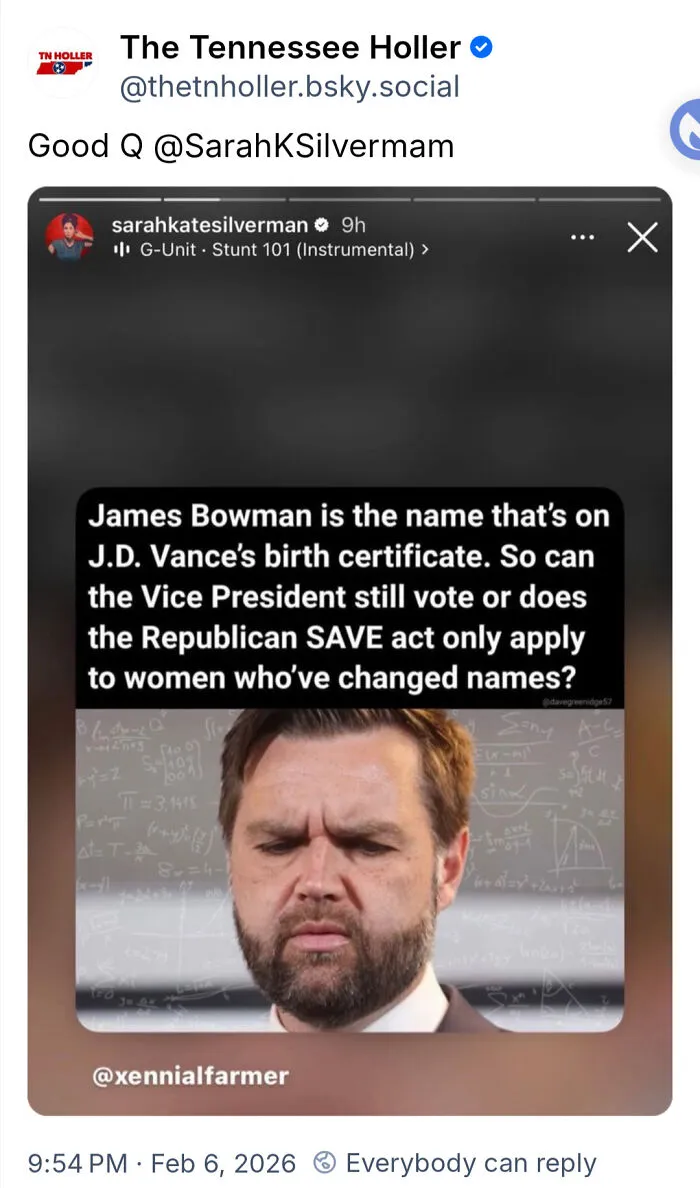
Film Twitter argued about the greatest movie ever made on a weekly schedule. Book Twitter swapped reading lists, Science Twitter and Academic Twitter let researchers and professors share their work along with their grading woes, and Stan Twitter gave devoted fans of musicians, shows and athletes a place to cheer, organize and occasionally trend a hashtag so fast the servers broke a sweat. Even the weather nerds and the dog lovers found their flocks.
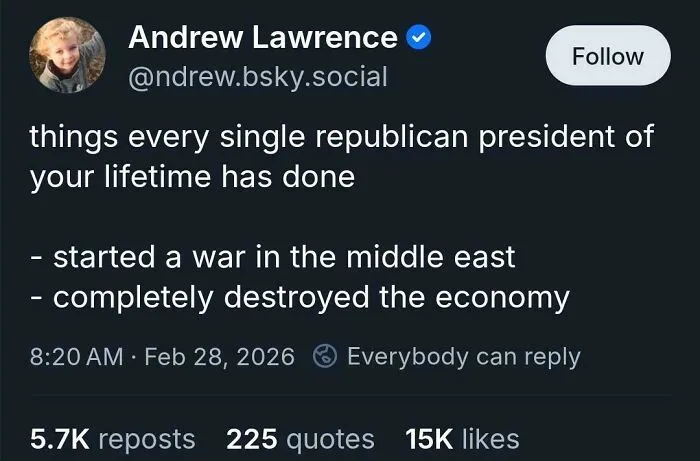
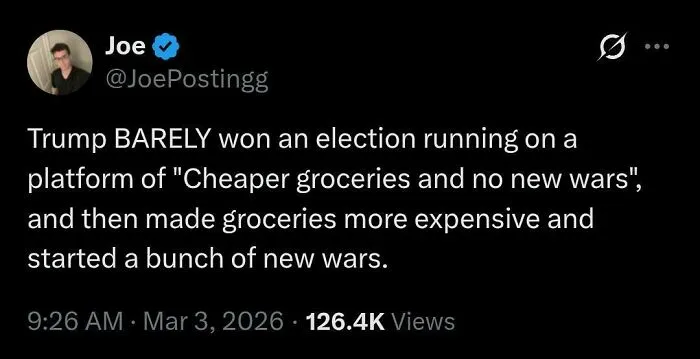
Each of these communities also left fingerprints on the language we all use online. Getting “ratioed” means a reply collects more likes than the post it answers, which is humbling for whoever wrote the original. The “main character of the day” is whoever the timeline collectively decides to celebrate or tease until the next candidate shows up. Even quote tweeting a post to add a joke became its own art form, with entire reputations built on a single perfect one liner.