

This post may include affiliate links.
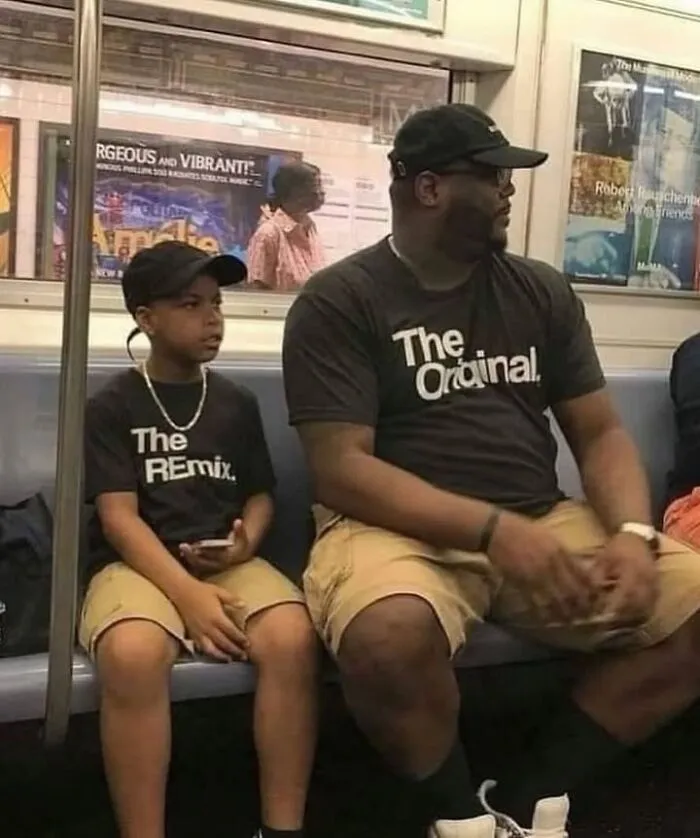
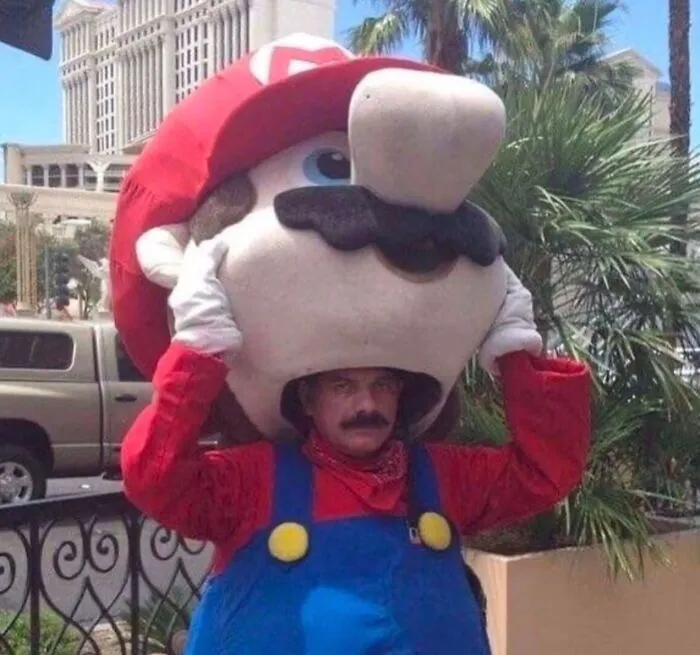
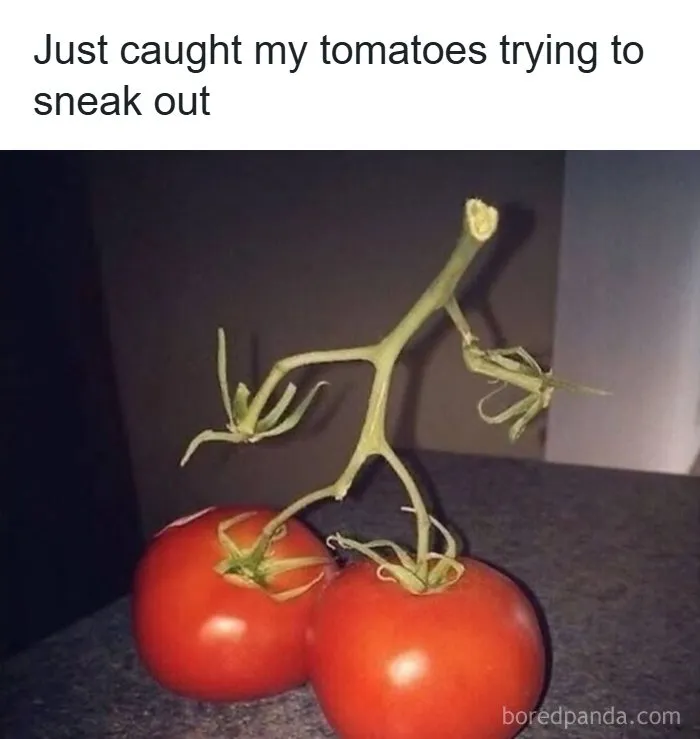
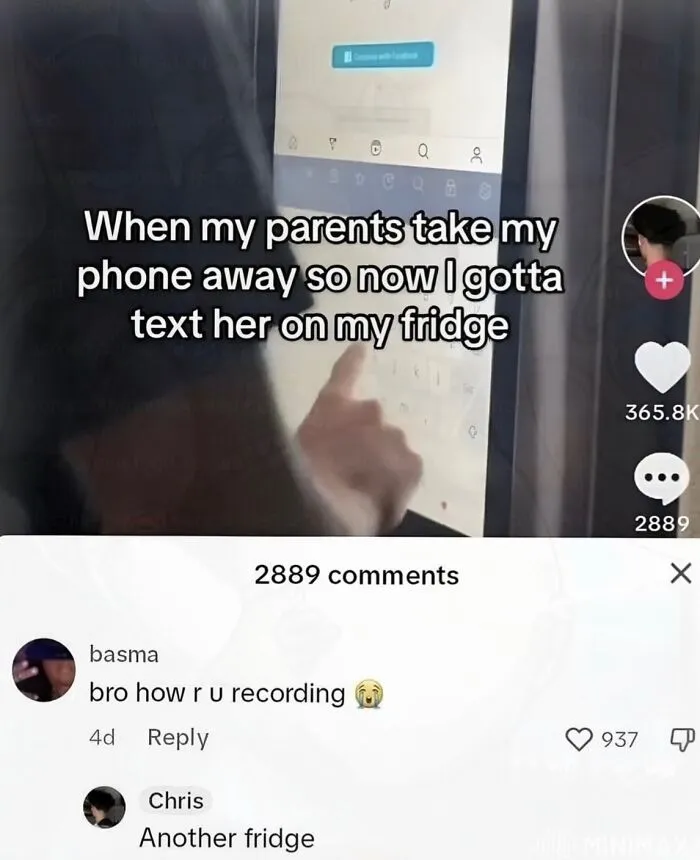
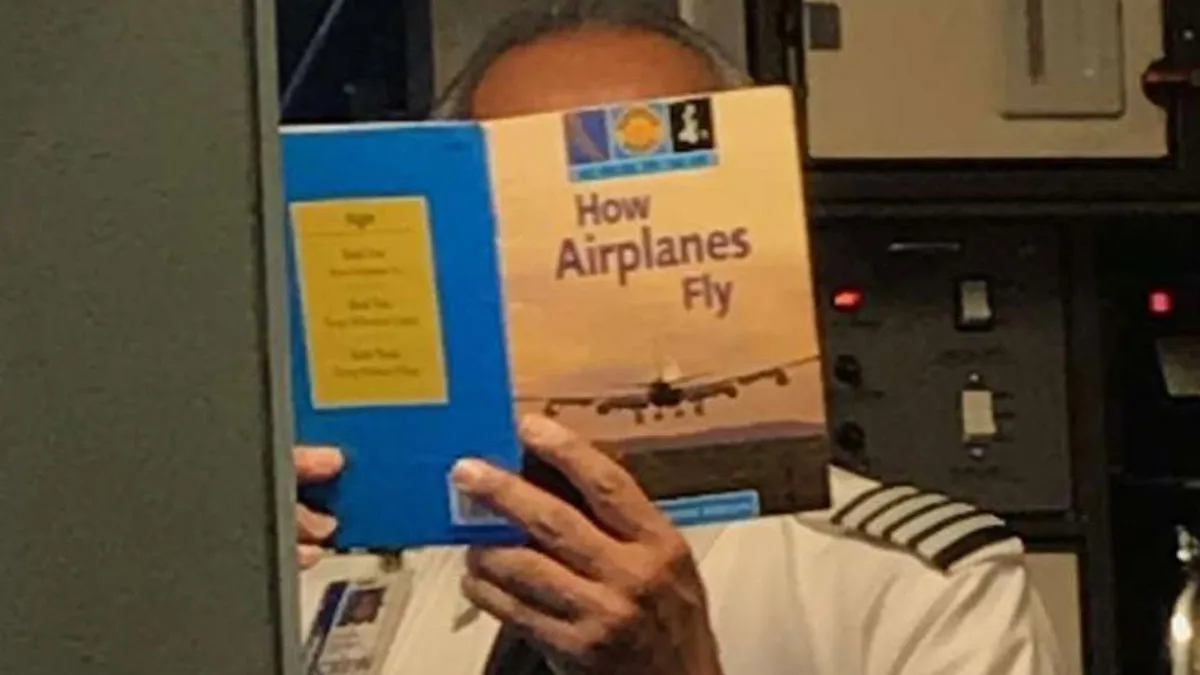
There are many kinds of humor: cringe humor, dark humor, sarcasm, and self-deprecating humor. Yet, online, funny things often veer into absurdity. The more nonsensical and silly, the funnier and more popular memes tend to be, but what’s the deal with that?
Sociologists, philosophers, and other great minds have spent many years cracking the code behind what makes us laugh. One of the most popular theories is that of incongruity: we find things funny when we don’t expect them to be funny. For example, a funny, modern caption under a Renaissance painting is funny because it juxtaposes two things that seem to have nothing to do with each other.
Dave Farina, a science communicator behind the Professor Dave channel on YouTube and author of Is This Wi-Fi Organic?: A Guide to Spotting Misleading Science Online, explains that incongruity is only one theory behind what makes us laugh, but it’s one of the best ways to explain why we enjoy absurdist jokes.

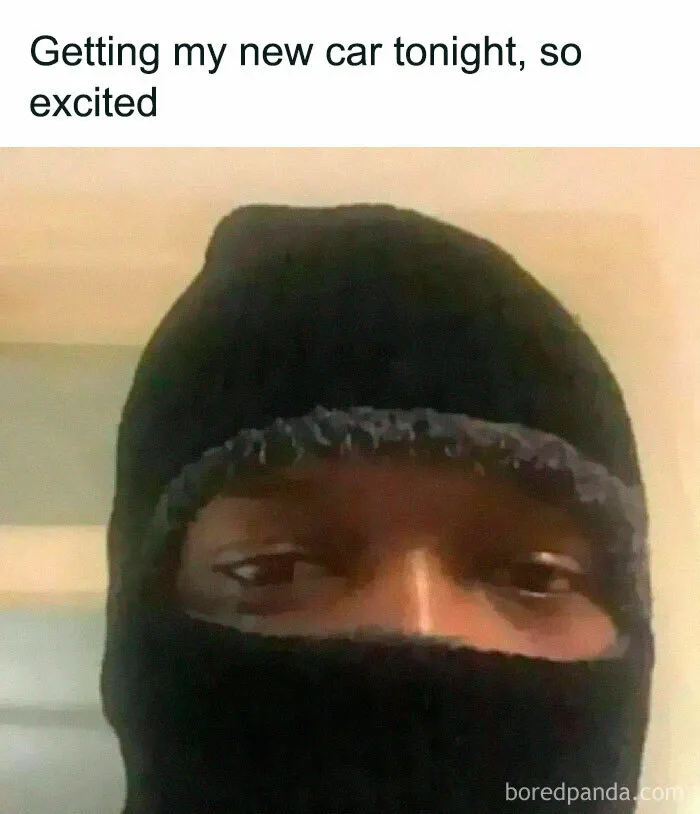
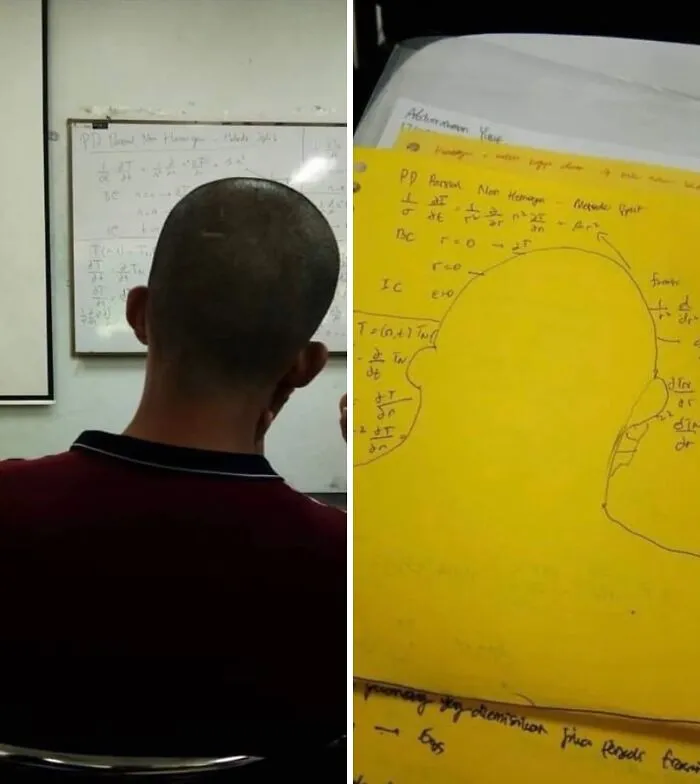
A study by a team of researchers from the psychology department at the University of Alberta found that nonsense words are funny when they’re farthest from a real word. The participants of the study found the words “subvick,” “quingel,” “flingam,” and “probble” the funniest, most likely because they don’t resemble any real words.
Our preference for funny words isn’t completely random, then. The unfunniest nonsense words the participants quoted were “tatinse,” “retsits,” and “tessina,” and because they somewhat resemble actual words, we don’t find them that funny. Does it work the same with pictures? Perhaps — the more removed from the real world the images are, the less likely we’re to find them funny.
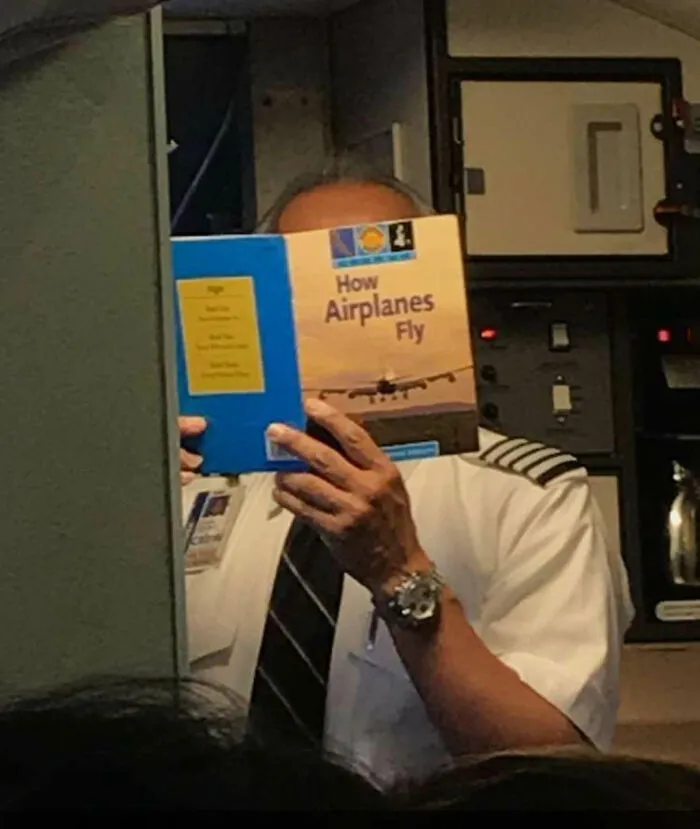
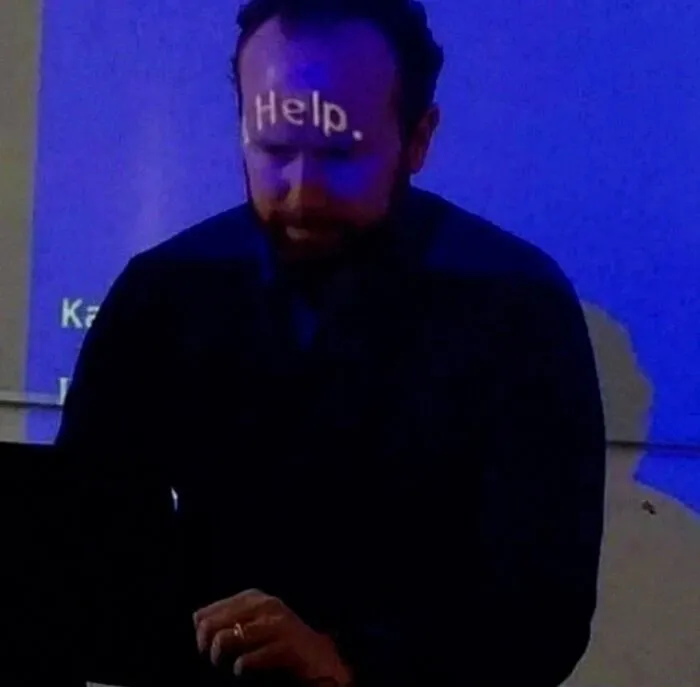
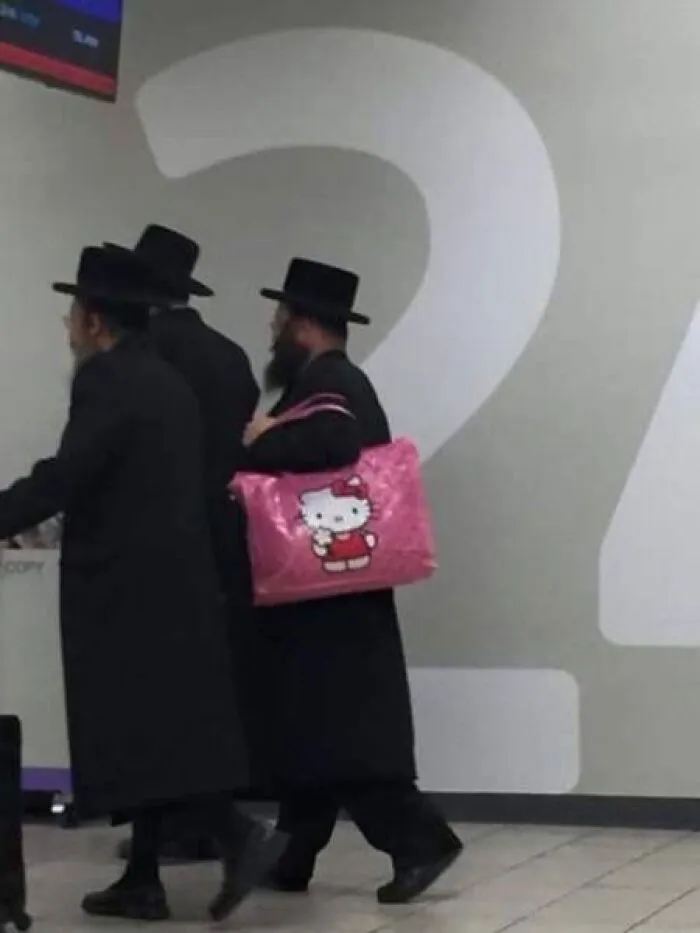
Internet humor seldom seems to make sense, especially for the uninitiated. A lot of it is absurd humor, like dank memes, the recent wave of “brainrot” content, and even the first viral memes like The Dancing Baby.
Some say that absurd humor is our way of dealing with the disorder and chaos in the world. Comedian Joz Norris writes that absurdism is a language. When we can’t express the lack of logic in our lives and the world at large, we resort to silliness, pointless nonsense, and the absurd.
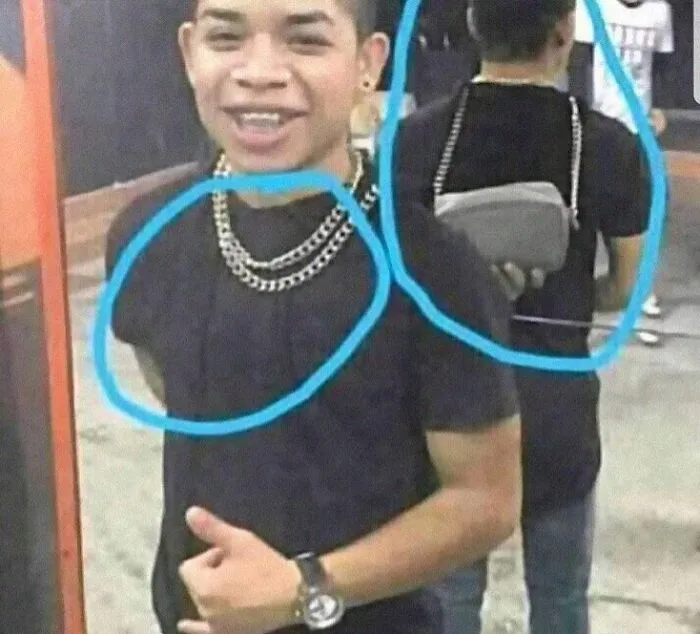

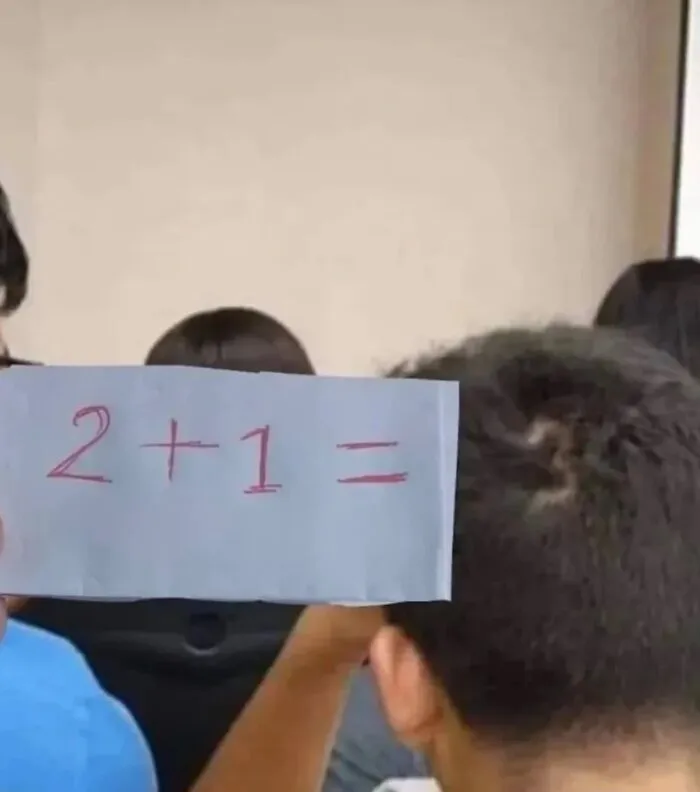
We want to make sense of the world, but oftentimes, we can’t. Faced with the cruelty, unfairness, and randomness of the world, we turn to absurd comedy. “We act this way when logic has failed us, and when the things we’re feeling have become too big to be contained in the languages we have access to,” Norris claims. “So we resort to the language of absurdism instead.”
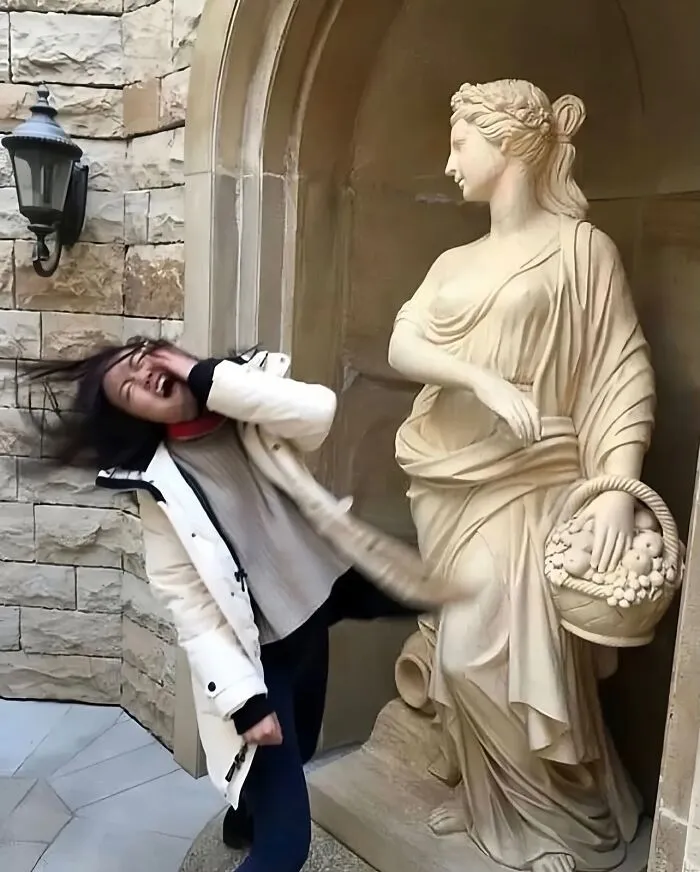
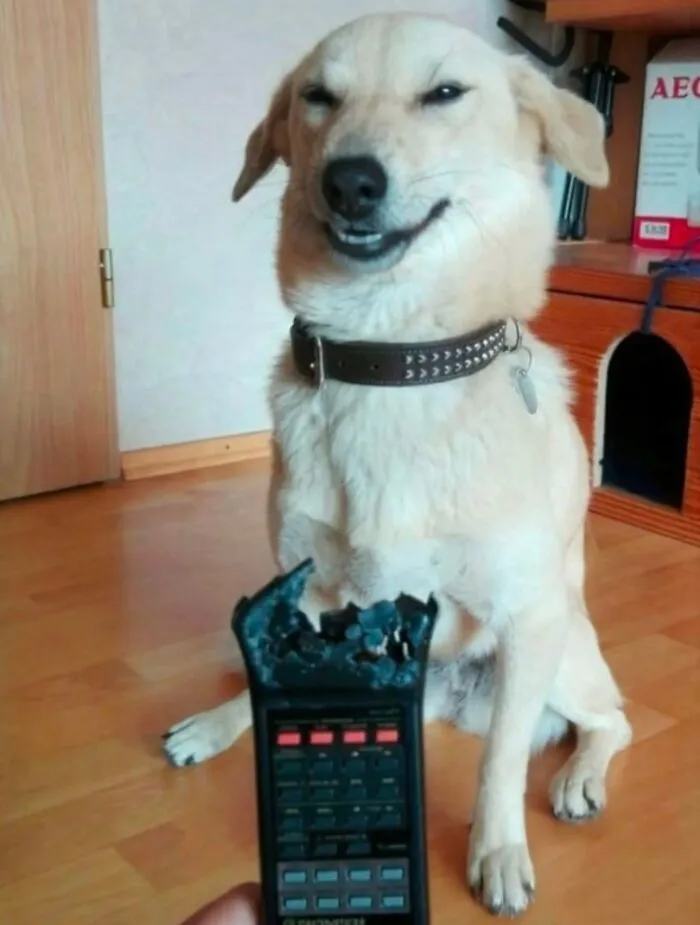

Absurdist humor is also a reflection of the times we live in. We’re bombarded by content from every direction, can get quick dopamine hits on social media, and feel anxious in the face of uncertainties of the political and economic state of the world.
Benjamin Nickl, a senior lecturer at the University of Sydney, writes that the Internet, and especially platforms like TikTok, are perfect for absurdist humor. “Absurdism needs only a flash of the unexpected: a sudden twist, a visual quirk, an audio gag, or another odd mismatch.” According to him, TikTok is the perfect place for that.
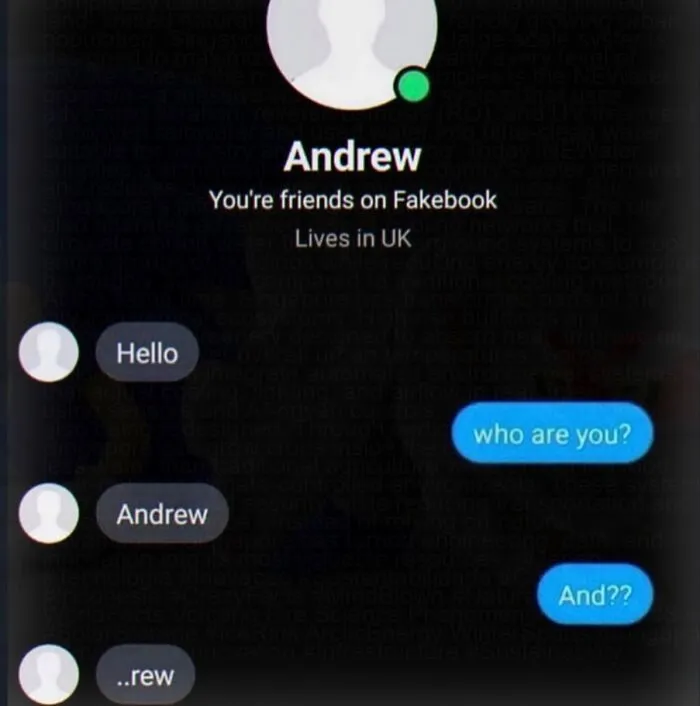

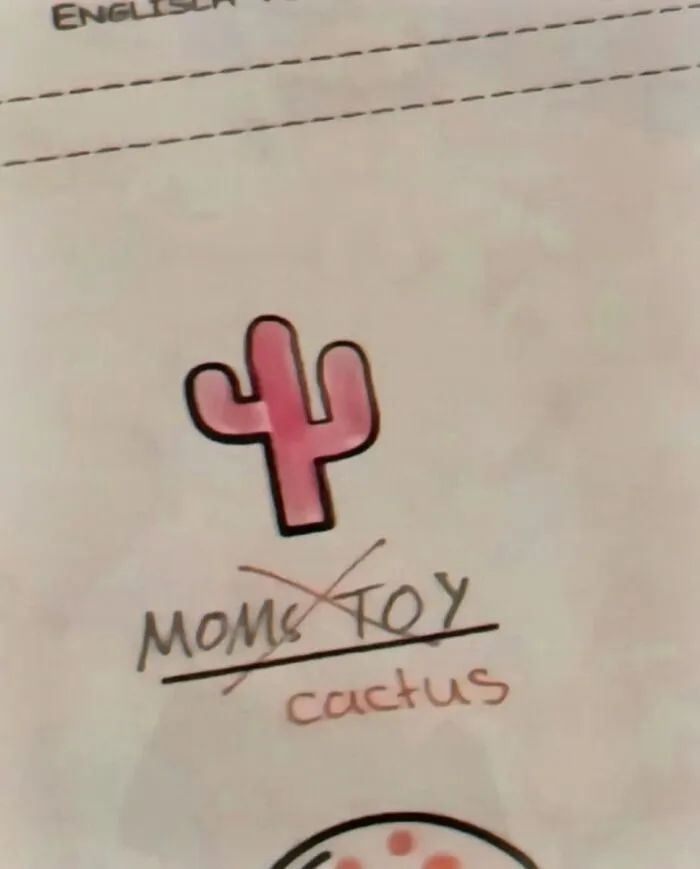
What do you think about absurdist humor online, Pandas? Do you prefer your memes with a dash of logic, or do you revel in the nonsensical silliness that online humor has to offer? Let us know your thoughts in the comments! And if you want to have some more fun, check out some sarcastic, relatable memes and more confusing, cringy posts from the ‘Sad Cringe’ community.