




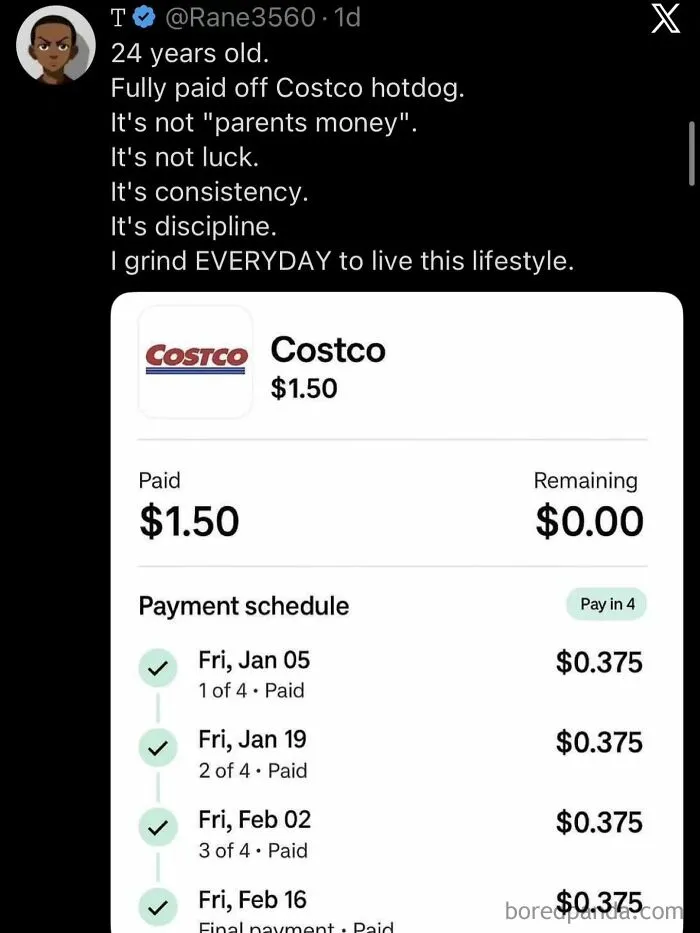
Psychotherapist Dr. Nicholas Balaisis says secondhand embarrassment is so powerful because we understand just how easily we could end up in the same situation.
"What is unique about this form of shame is that while there is some enjoyment or satisfaction that we get from watching other people's cringeworthy failures (because it makes us feel superior), there is a latent discomfort in this as well because we recognize that we, too, are vulnerable to this kind of failed self-display in the internet age," he explains.
"In other words, as we increasingly occupy more space online—posting about ourselves as part of the routine of everyday life—we make ourselves vulnerable to inadvertently posting cringeworthy content. In this way, ... we risk ruining or damaging our 'profile selves,' which are increasingly how we measure and evaluate our self-concept and self-worth," the psychotherapist adds.



However, all of the cringe might come with benefits that go beyond entertainment. According to Balaisis, one of its unconscious psychological effects is that it serves as a kind of guide for what and how we post.
"Cringeworthy material online shows us what not to do and, thus, constantly shapes the parameters of what we should or shouldn't post," he says. "But what makes this more difficult is that we don't know what will be shameful or cringey until we see it and it has a response online. In previous eras of human life, we had a clearer sense of what might be considered shameful public display (e.g., being boorish or arrogant)."
On the internet, however, acting earnestly and in our perceived best interest can unintentionally land us in cringe-and-shame territory and even damage our reputation indefinitely. "What is not cringe today might be cringey tomorrow. It is perhaps no wonder that we also see a rise in public apologies that try to mitigate self-inflicted damage to our public profile and persona."

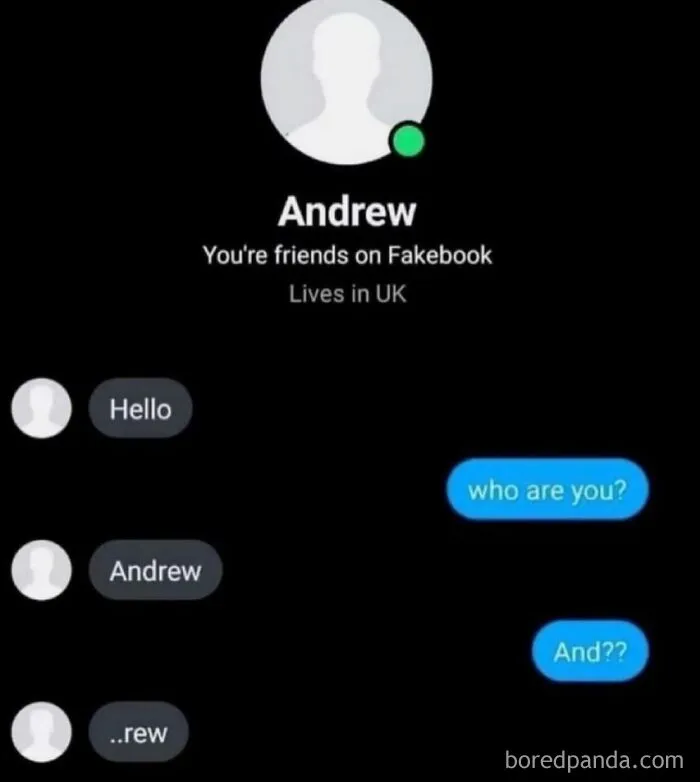

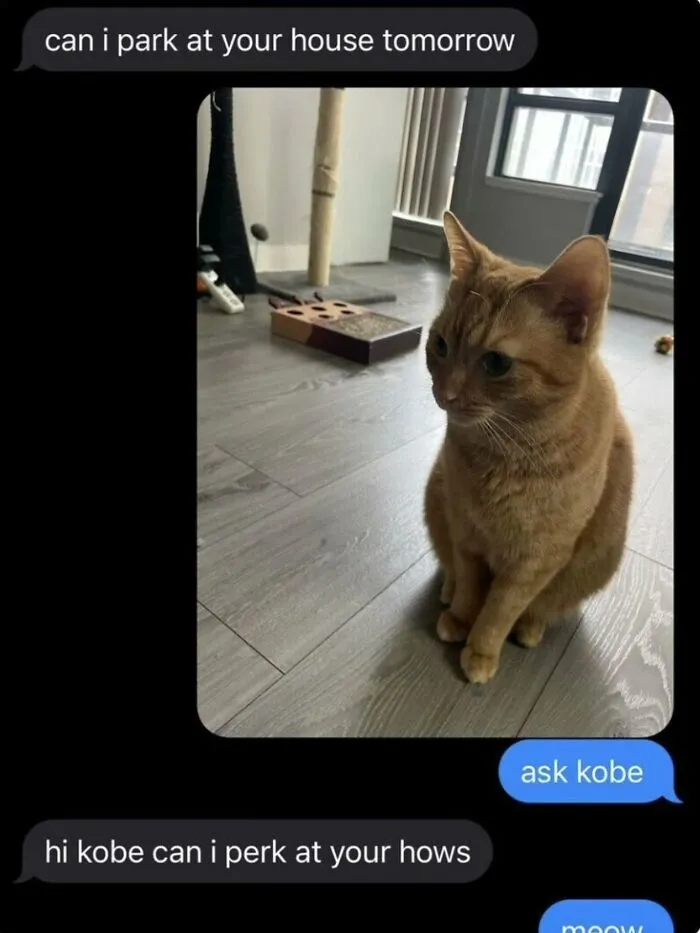
For some, however, it can become more than an occasional feeling—especially for younger people.
Psychologist Jordan Meisel says that she has noticed her Gen Z clients worrying about being perceived as someone who is too earnest and too sincere—something they believe is cringe.
"It's far more vulnerable to create a persona that feels accurate to who you are as opposed to who you think you're supposed to be or who you'd like to be," she explains.
Because of this, many try to shield themselves with irony and sarcasm.
"Emotionally speaking, you can't hurt me if I never show myself to you."




Lindsey Godwin, Ph.D., is a professor and practitioner and currently holds the Robert P. Stiller Endowed Chair of Management in the Stiller School of Business at Champlain College, Vermont, USA.
"When we make a mistake, do something embarrassing, or find ourselves in an uncomfortable situation, we worry that others will see us as incompetent, unprofessional, or socially inept," she says. "This fear comes from a deep-seated human need to belong."
"Our brains interpret these moments as risks to our sense of connection and safety, which is why they trigger feelings of discomfort or even shame."
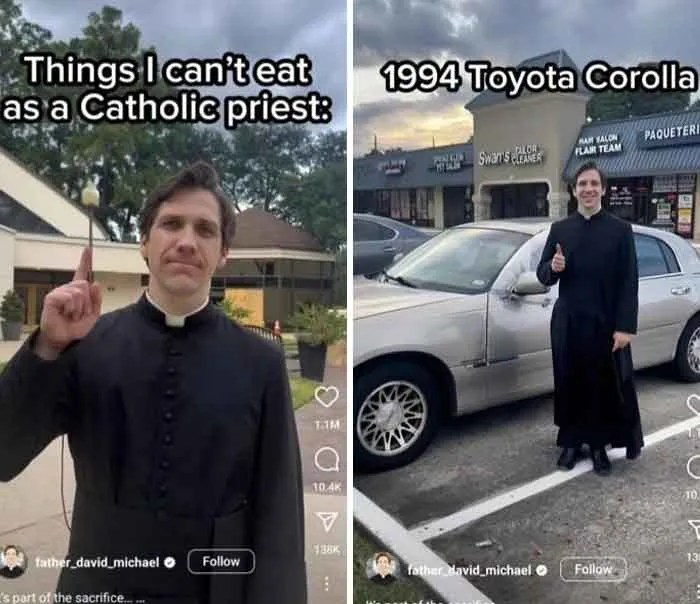



However, while our desire to avoid being cringey is understandable, it might prohibit us from living an authentic life. In fact, even if we make a fool of ourselves, it might not be as bad as we imagine.
"Psychologists have found that awkward moments can actually play a key role in building social bonds and resilience," Godwin says. "When handled with humor and authenticity, they can make us more approachable, relatable, and even endearing."