


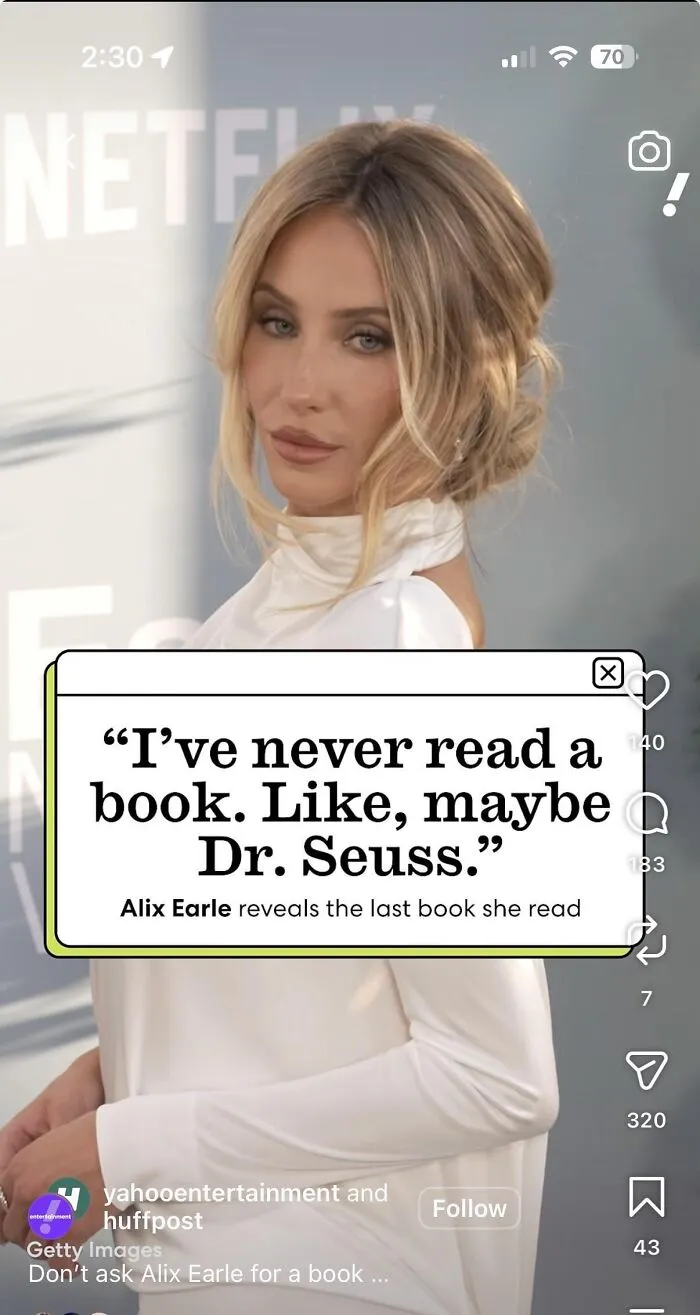
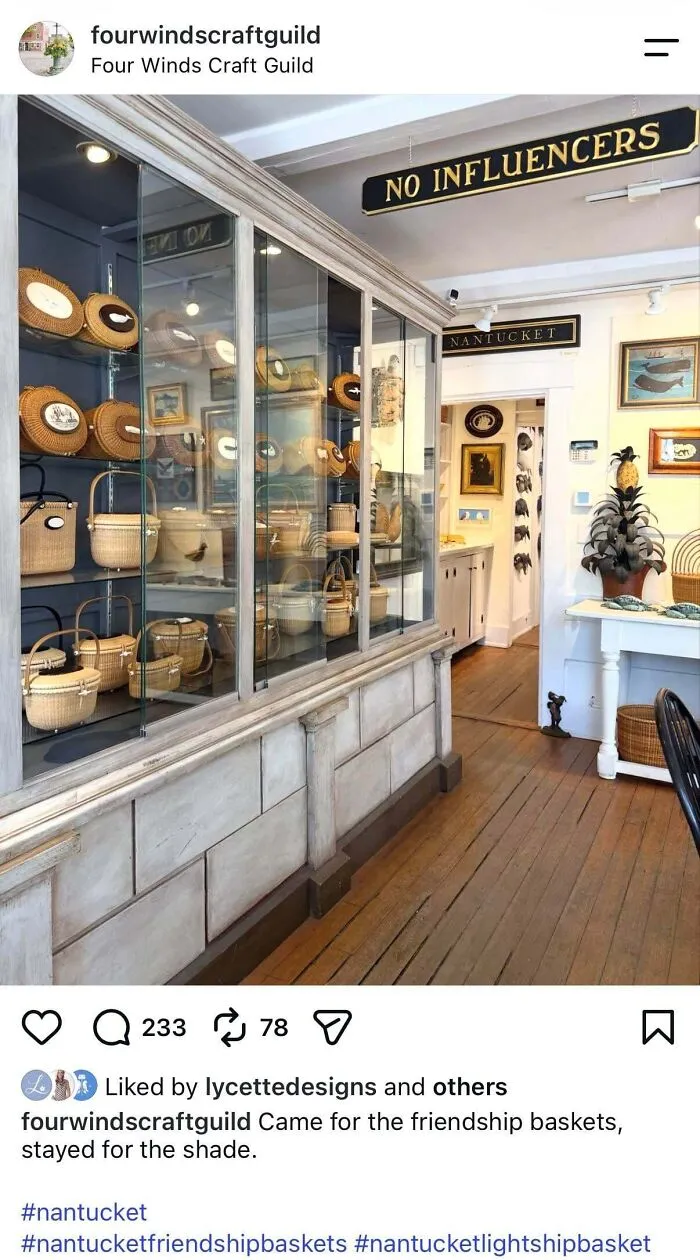
Influencer culture has evolved from a relatively informal hobby into a professional industry built around content creation, audience relationships, and commercial partnerships. As The Drum explains, the rise of platforms such as YouTube, Twitter, and Instagram allowed ordinary people to build large followings without relying on traditional media.
Businesses soon recognized the marketing potential of these creators, offering free products and eventually paying them to promote brands. By the mid-2010s, influencers had become an important part of digital advertising, particularly in areas such as fashion, beauty, travel, fitness, and food.
As competition increased, creators began treating their profiles as personal brands, with carefully planned content and sponsorships becoming part of the job.
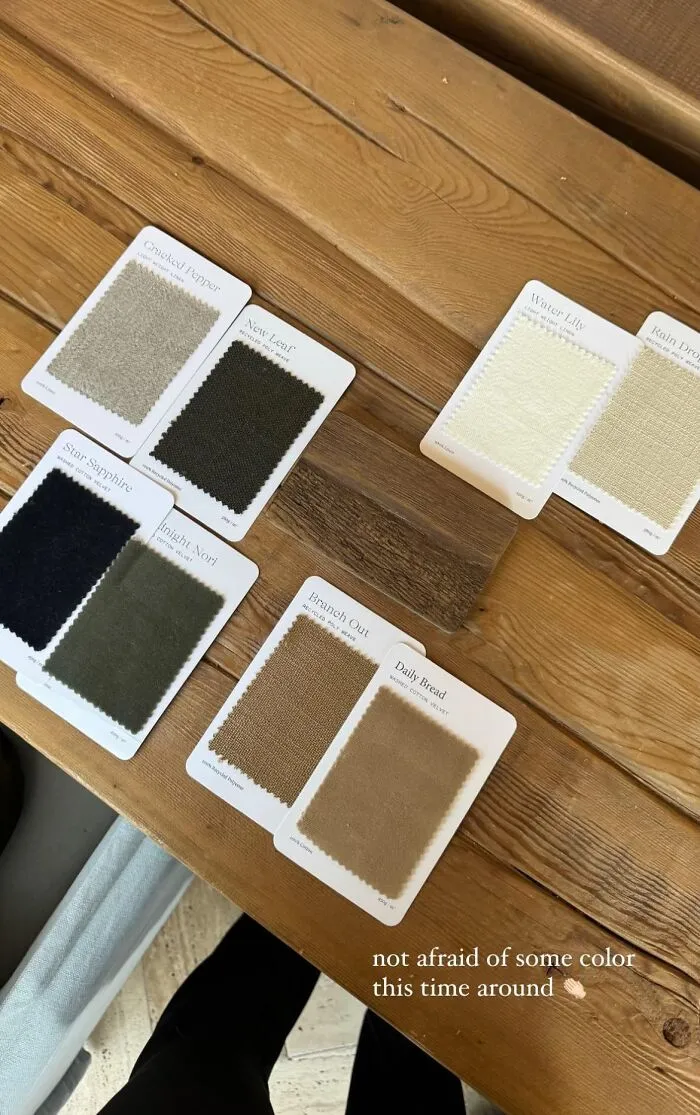
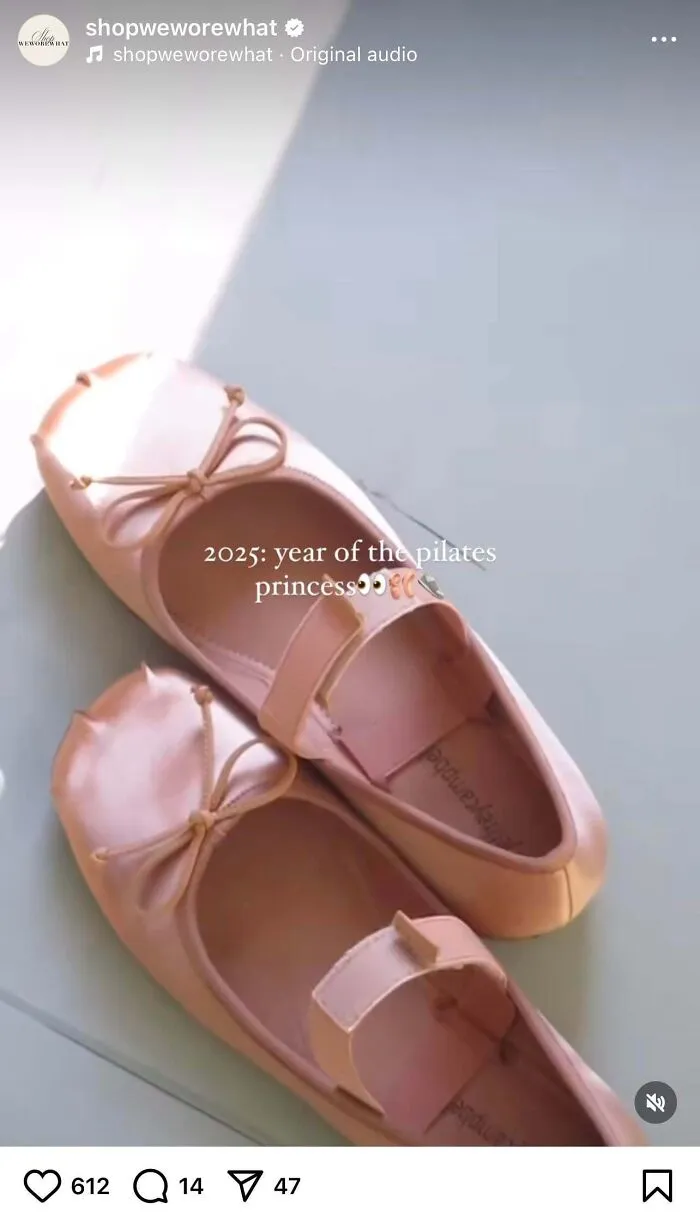
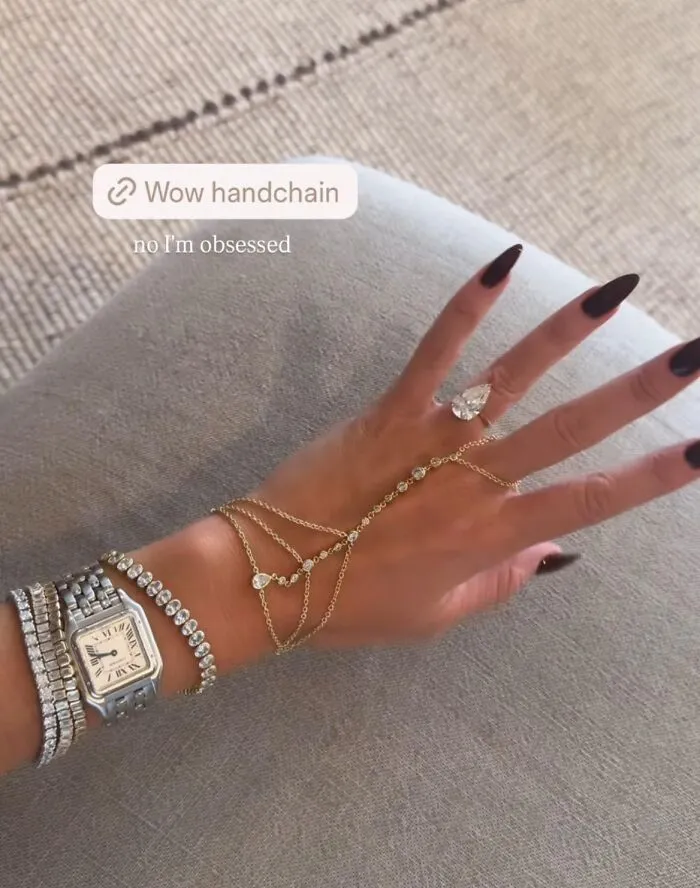
This shift also changed how influencers presented their everyday lives. Carefully edited photographs, coordinated feeds, expensive holidays, and sponsored product hauls became familiar features of online culture. Even seemingly spontaneous moments could be planned to maintain a consistent image and attract attention.
Follower counts, engagement rates, and brand deals became important measures of success, encouraging creators to think carefully about what they shared and how it might be received. While there is nothing inherently wrong with wanting to look good online, the pressure to maintain an appealing public persona can sometimes lead to posts that feel excessive, overly staged, or disconnected from ordinary life.
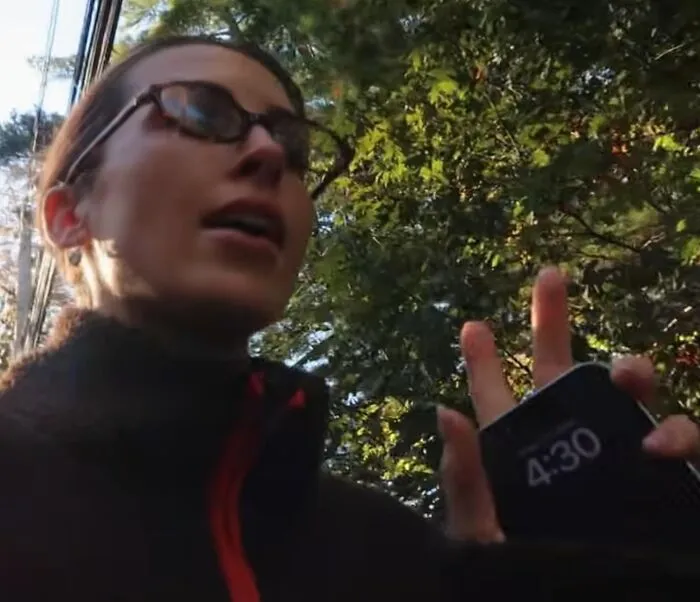
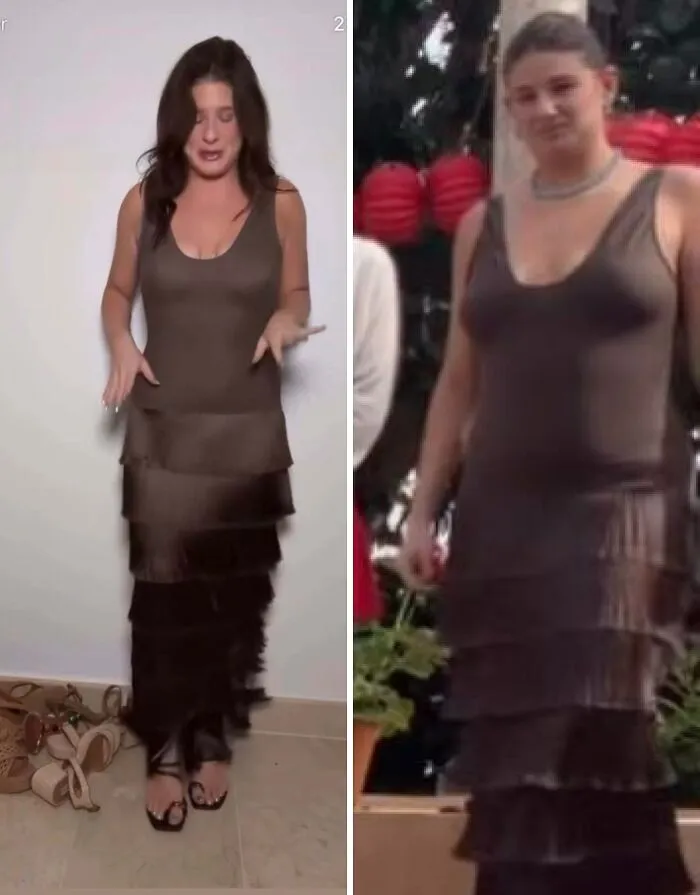

Research into online self-presentation helps explain why managing an internet persona can become so complicated. People regularly shape how others perceive them through their photographs, captions, and interactions, but social media makes this process easier to control. Users can edit pictures, rewrite captions, remove unflattering details, and choose precisely which moments to share.
For influencers, this often means balancing their real personalities with an idealized image of success and a recognizable brand that appeals to followers and sponsors. These different versions of the self may overlap, but they do not always align, particularly when commercial interests influence what someone chooses to reveal.
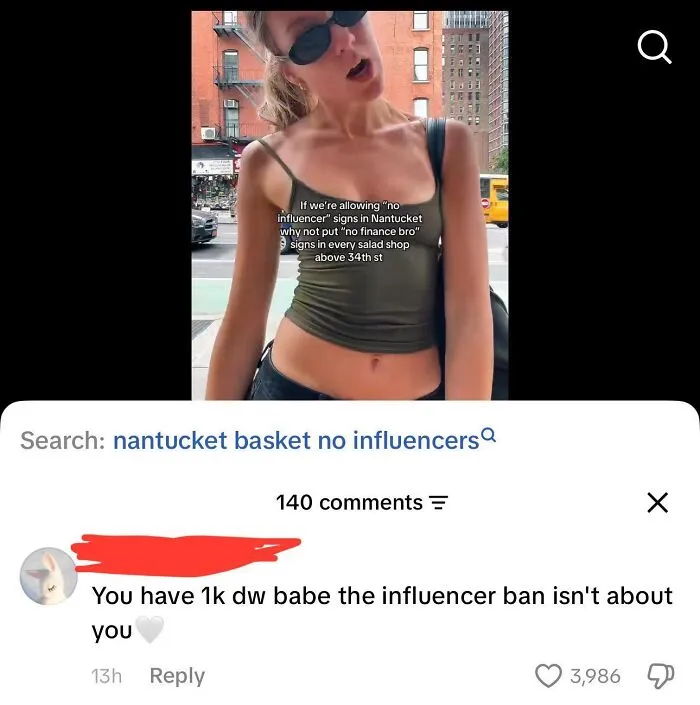
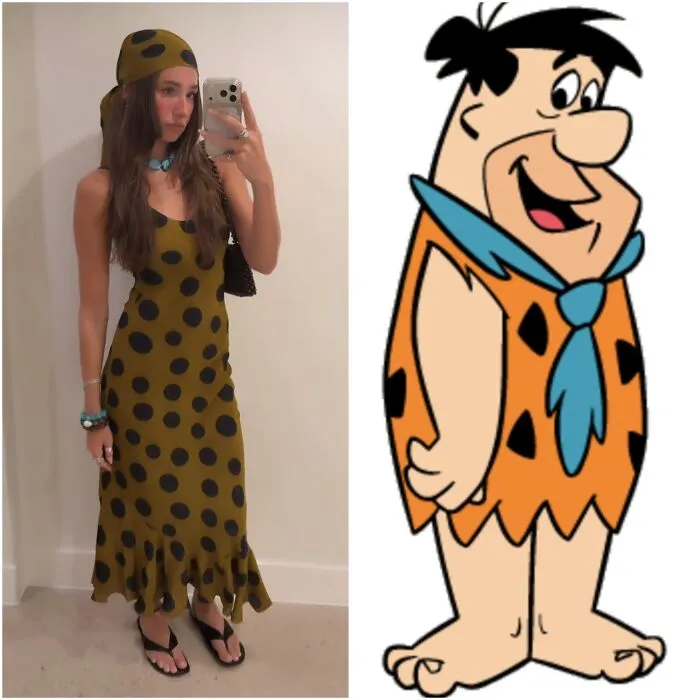

Maintaining that balance can be difficult because audiences often want influencers to appear both aspirational and relatable. A polished profile might make someone seem successful and stylish, yet too much perfection can also create distance between the creator and their followers.
On the other hand, sharing personal struggles and imperfections can make an influencer seem more approachable, but those moments may also be carefully selected to support a particular image. This does not automatically mean that creators are being dishonest.
Rather, their online identities can involve choosing which parts of their lives to make public while keeping others private. The result is a form of self-presentation in which even attempts to look spontaneous can become part of a carefully managed public image.
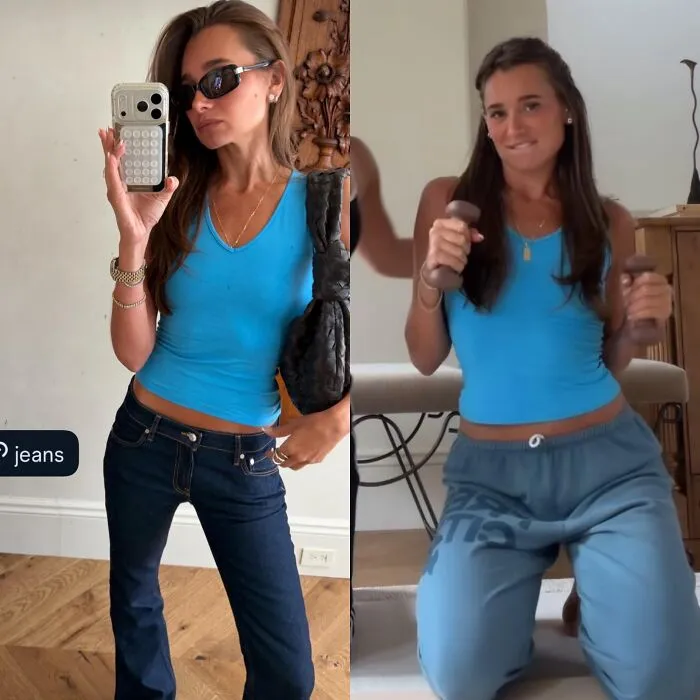


According to Firework, authenticity is an important factor in building trust between influencers and their audiences. Followers are more likely to view creators positively when their recommendations seem sincere, their values remain consistent, and their relationships with audiences extend beyond selling products.
Ordinary experiences, personal challenges, and moments of imperfection can also make creators seem more relatable. However, problems arise when the image someone presents conflicts with their actions.
An influencer who promotes a luxurious lifestyle while insisting they are just like everyone else may struggle to convince viewers, particularly if their content seems designed primarily to attract attention or encourage purchases. The issue is not necessarily being polished, but creating a gap between the personality being presented and the behavior audiences observe.

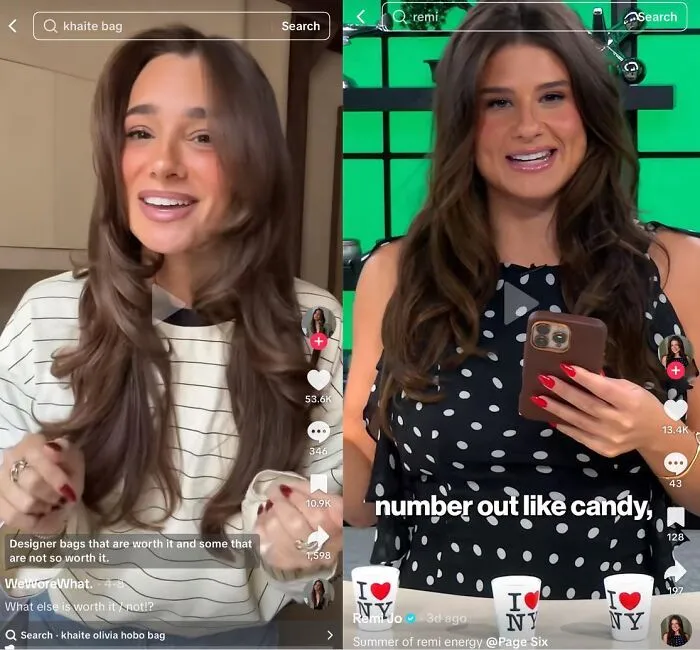
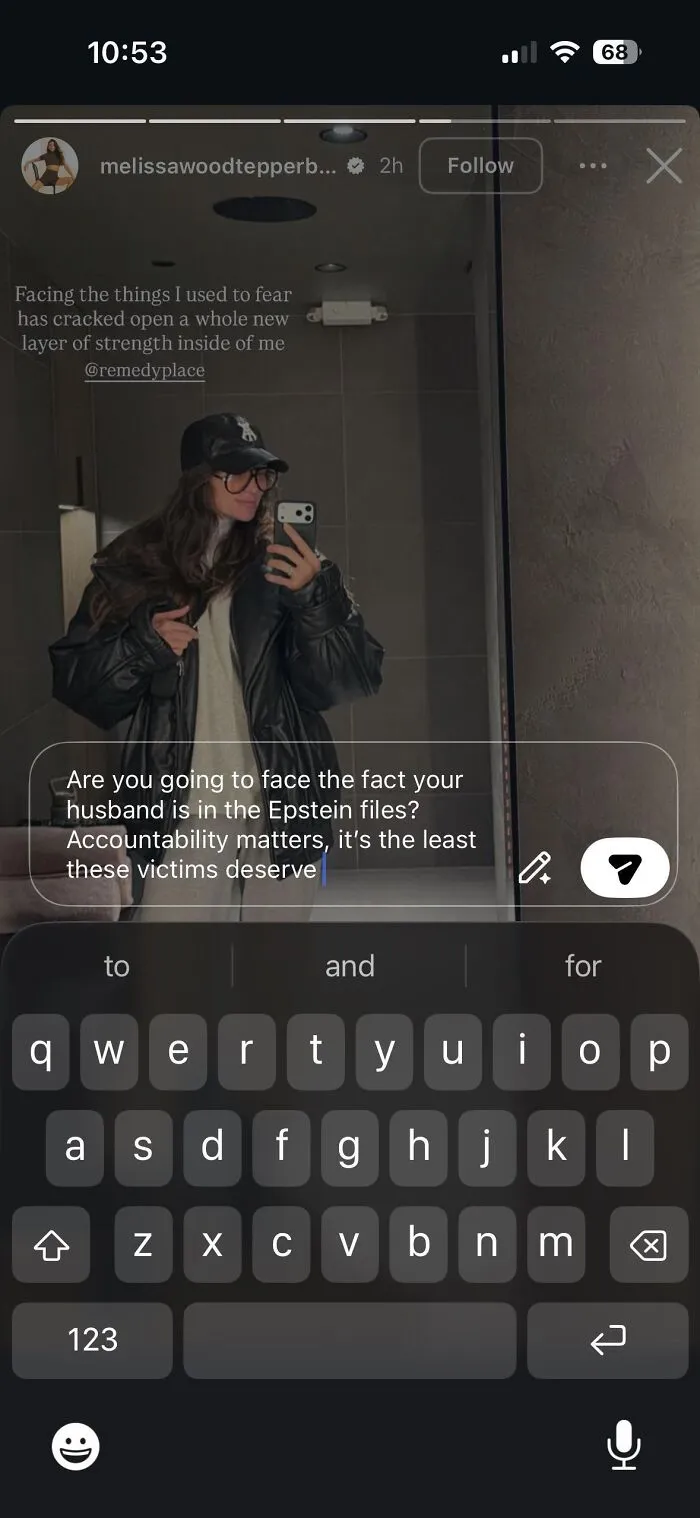
That gap can also affect how people respond to influencer content emotionally. When a creator's attempt to appear relatable feels forced, viewers may begin questioning whether the apparent openness is genuine or simply another way to maintain engagement. The same applies to sponsored posts that resemble personal recommendations, sudden changes in stated values to follow trends, or displays of vulnerability that seem closely tied to promotional opportunities.
As audiences become more familiar with influencer marketing, they may pay closer attention to these inconsistencies. A post that might once have seemed entertaining or aspirational can instead come across as calculated, especially when the commercial purpose feels more prominent than the personality behind it.
#19 "Engagement Shoot" But Her Fiancé Is Not In A Single One Of These Photos