
By all logic, our self-preservation instincts should keep us as far away from anything creepy as possible. Spotting danger is supposed to make us want to run and hide.
Instead, plenty of us happily binge gory horror movies and fall asleep to true crime podcasts. As it turns out, scientists have a pretty good explanation for this.


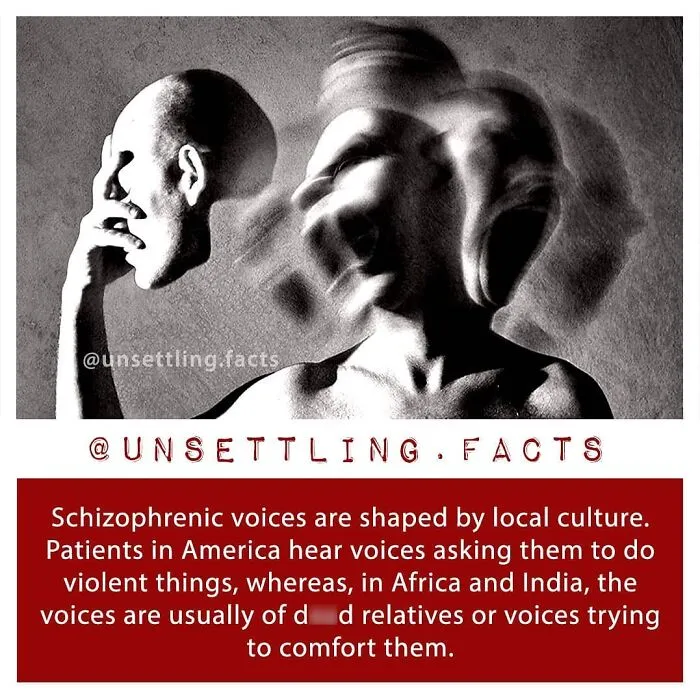
The urge even has a name: morbid curiosity. Behavioral scientist Coltan Scrivner, who has spent years studying it, describes it as “an internal motivation to learn about threatening situations in your environment.”
In other words, learning about scary stuff could help us steer clear of it later. Scrivner’s research suggests this trait is completely normal. He even developed a 24-item scale to measure how morbidly curious a person is.
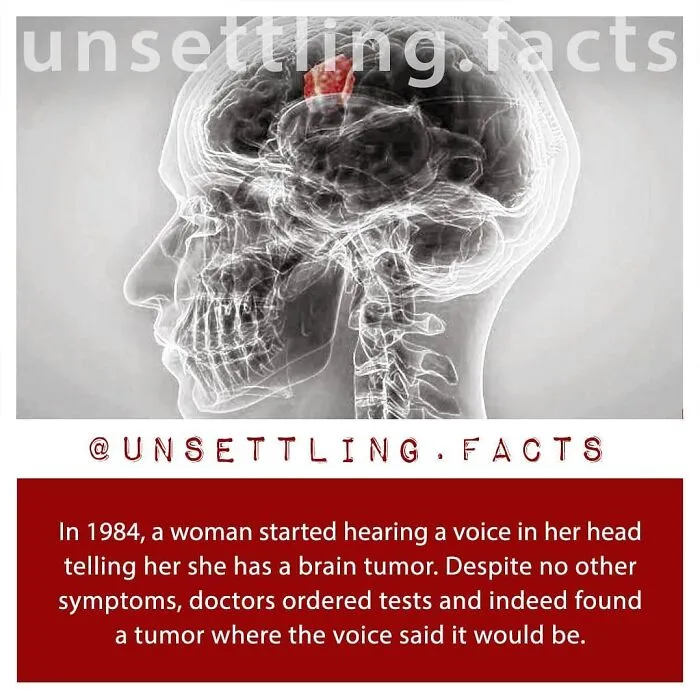

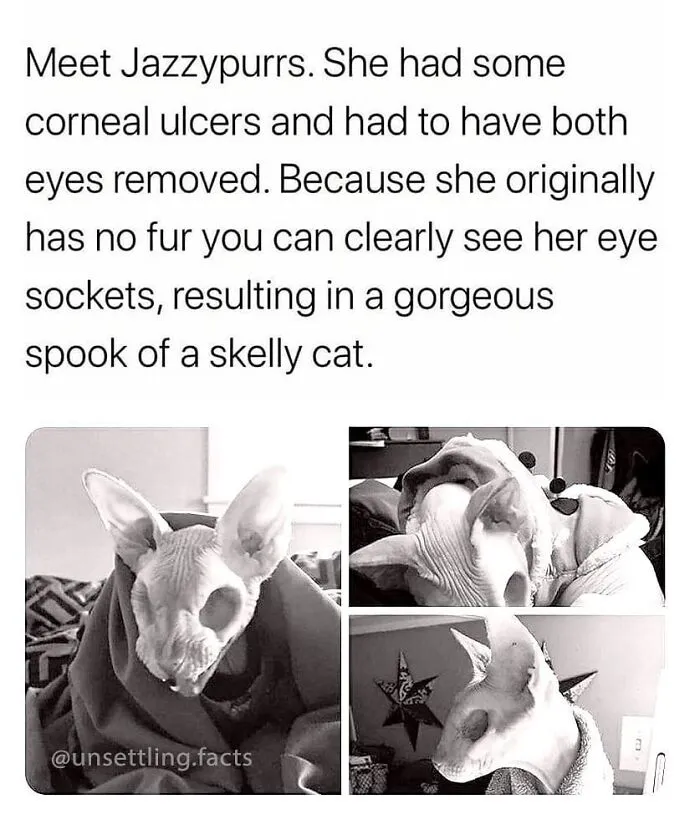
That scale looks at a few different areas of interest. Some people are drawn to the minds of dangerous people, while others are more fascinated by paranormal danger.
Either way, the pull toward the dark side of life seems to have deep roots. In his book, Scrivner describes morbid curiosity as an evolutionary advantage that lets us learn about threats from relatively risk-free places like a movie theater.
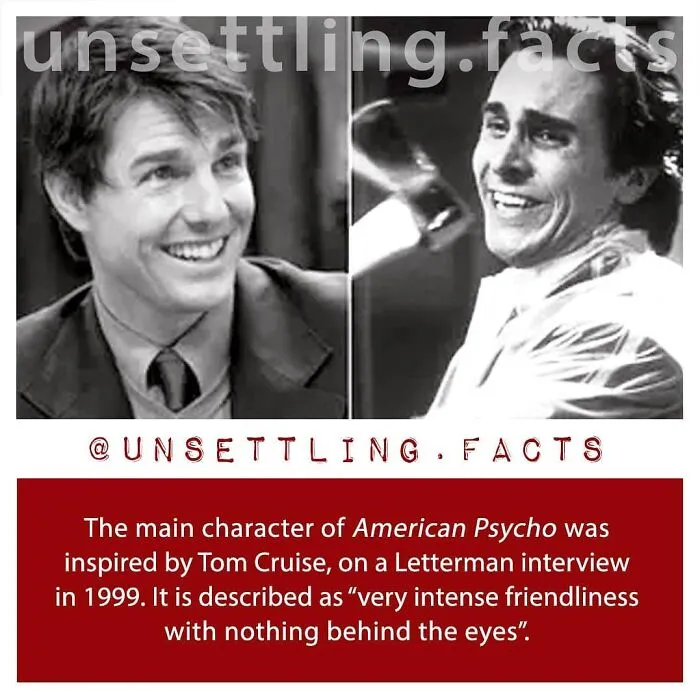

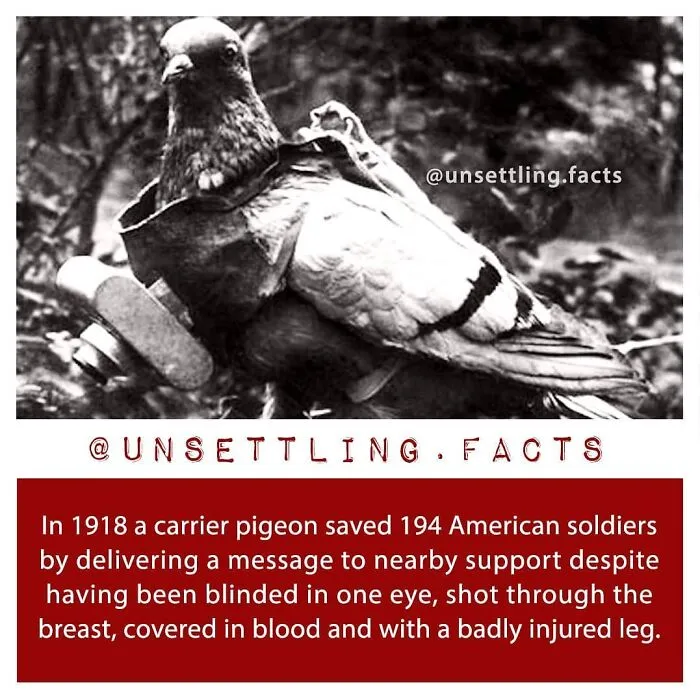
The way it works is pretty simple. When you watch a horror movie, for example, you tend to get invested in the story. Before long, you naturally start putting yourself in the characters’ shoes and thinking about what you’d do in their place.
As a result, viewers end up learning from the characters’ experiences without having to go through any of it themselves.
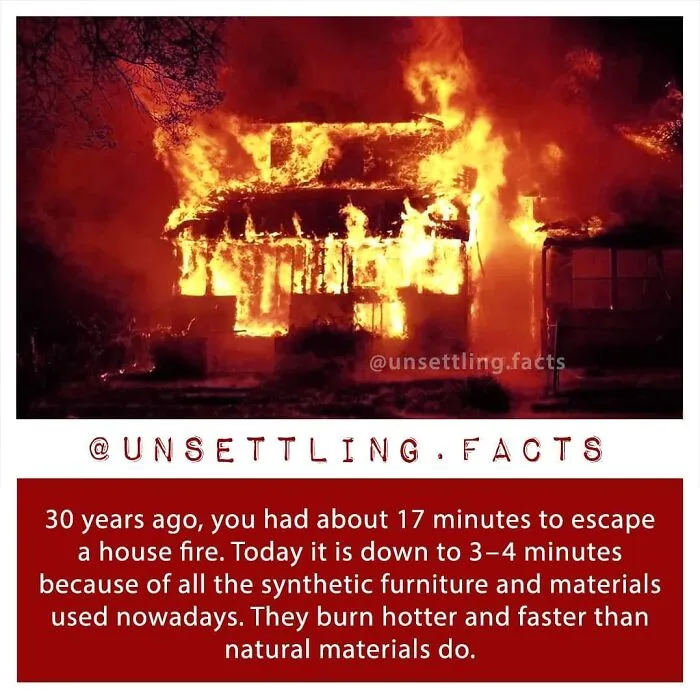
During the COVID-19 pandemic, Scrivner and his colleagues decided to put this idea to the test. They surveyed more than 300 people and found that those who enjoyed horror films before the pandemic were more psychologically resilient in 2020.
Fans of apocalyptic flicks, like zombie or alien invasion movies, also felt they knew how to physically prepare for what was coming.



Our bodies play a big part in all of this as well. When we get scared by something but know there’s no real physical danger, our brains release feel-good chemicals like endorphins and dopamine, according to sociologist Margee Kerr, who studies fear for a living.
On top of that, testing ourselves in a safe setting can show us that we’re able to handle stress and that we’re stronger than we thought.
“When you come out the other side of a scary movie or haunted house, you have accomplished something. You’ve tested your will. Even though we know nothing will hurt us, the self-esteem boost is real,” Kerr explained.