

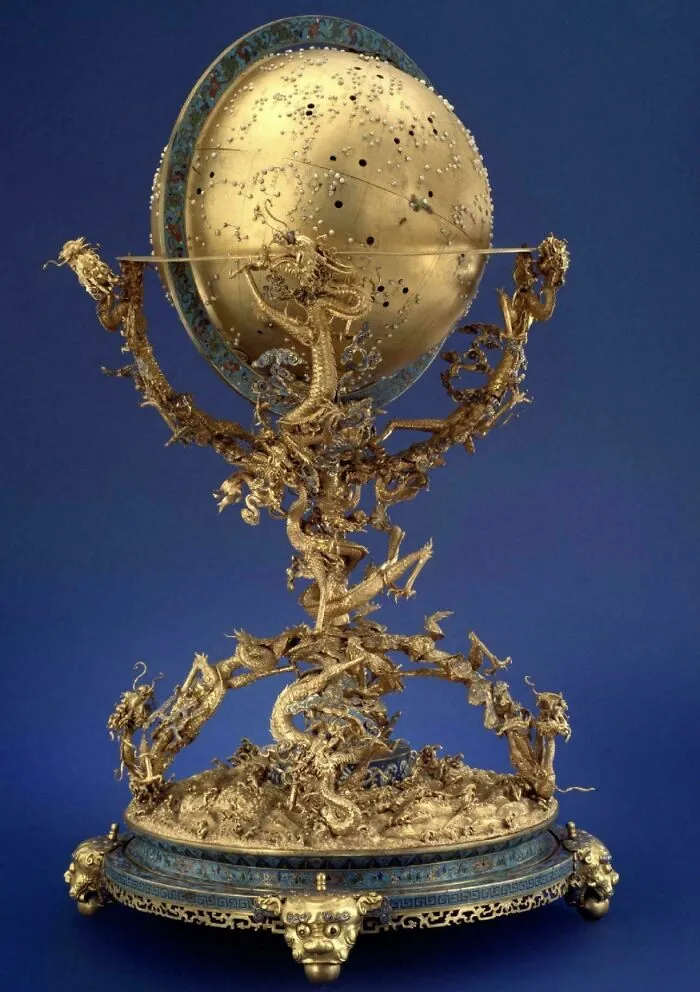
#1 Golden Celestial (Astronomy) Globe With Pearl Inlay, Qing Imperial Workshop, Qianlong Period
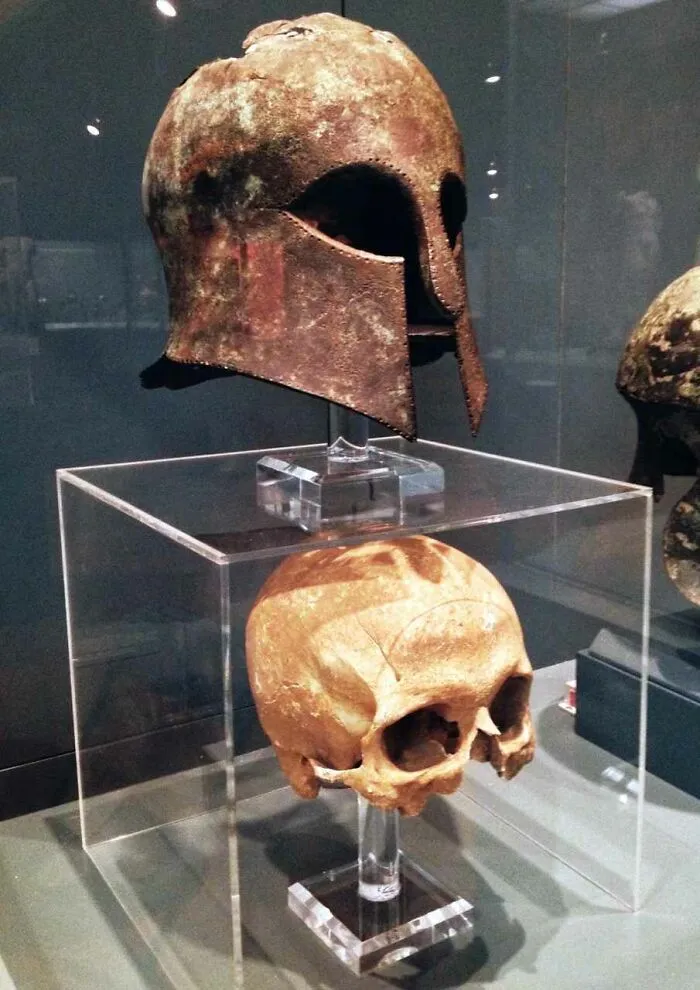
#3 Corinthian Helmet From The Battle Of Marathon (490 Bc) Found With The Warrior's Skull Inside
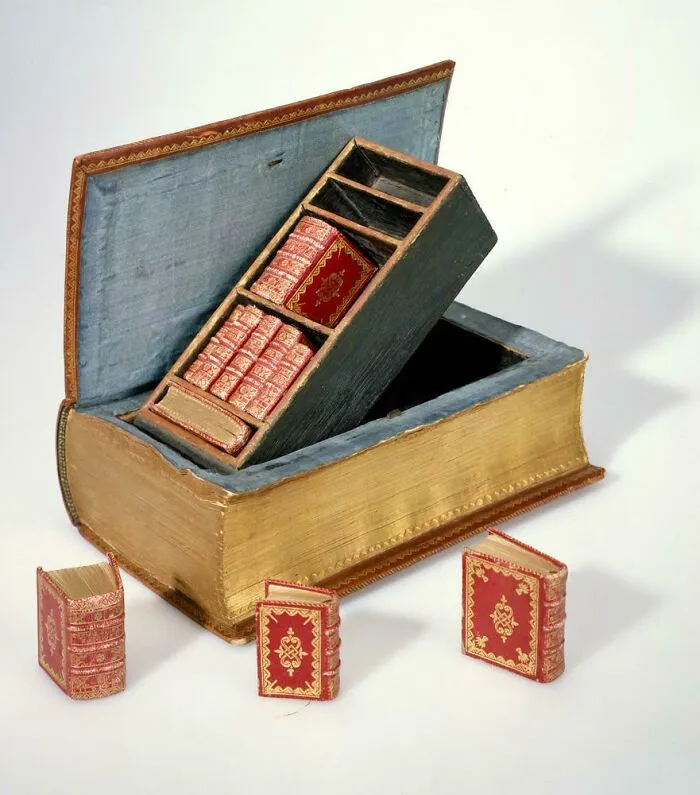
Back in the day, people were pretty obsessed with miniature books. Nowadays, they’re revered as works of art and craftsmanship and are housed and preserved in museums, libraries, and collectors’ homes. One example of such miniature artifacts is an 1878 edition of Dante’s Divine Comedy. It took 11 years to print and measures 1 and 1/4 by 1 and 3/4 inches.
Currently, it’s in the London Library, where 350 other "small books” reside. However, out of these, there are only 47 "true"miniatures. What makes a true miniature? According to the U.S. Miniature Book Society, it has to be three inches high, wide, and thick. And, naturally, not many small books qualify.
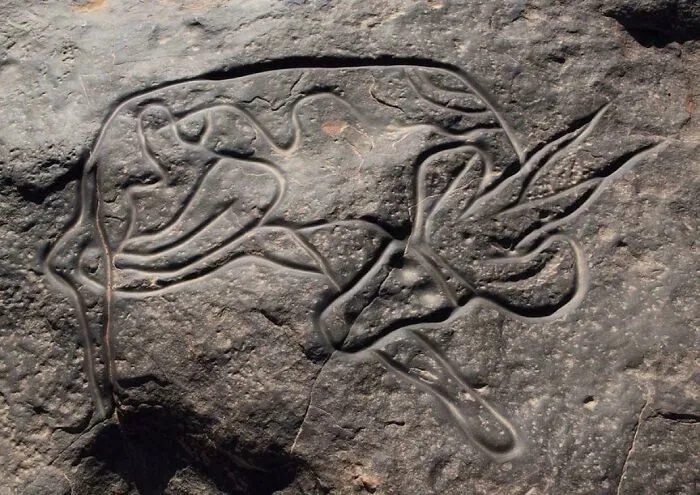
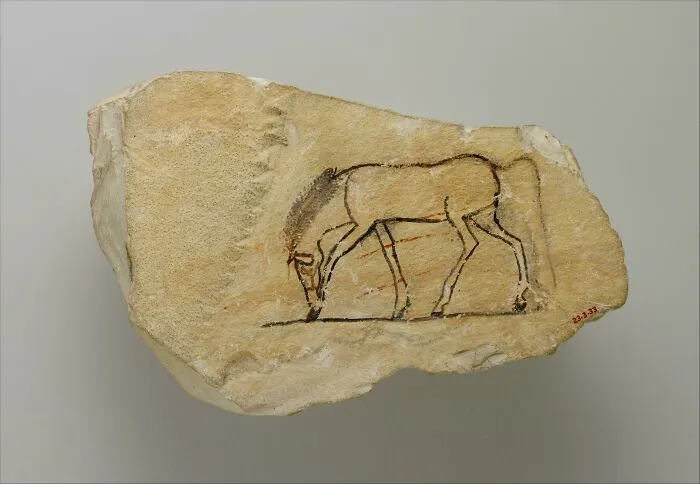
#4 The "Sleeping Antelope" Petroglyph At Tin Taghirt, Tassili N'ajjer, Algeria. Neolithic Period, Rock Art Of The Sahara
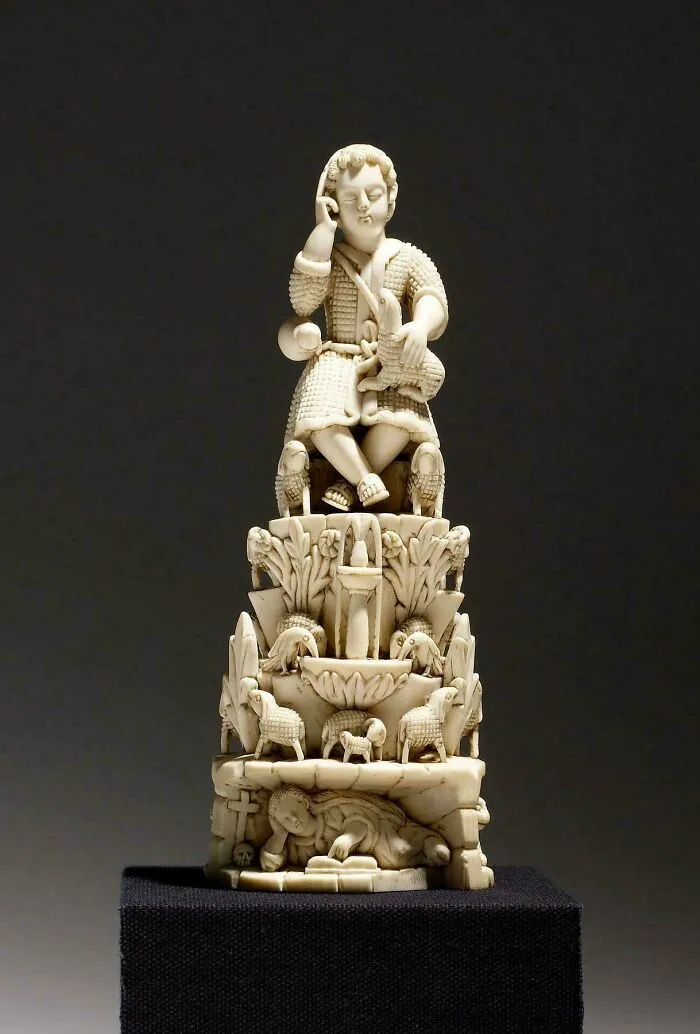
#5 Christ Child As Good Shepherd, Carved From Ivory In The Portuguese Colony Of Goa, India, CA. 17th Century
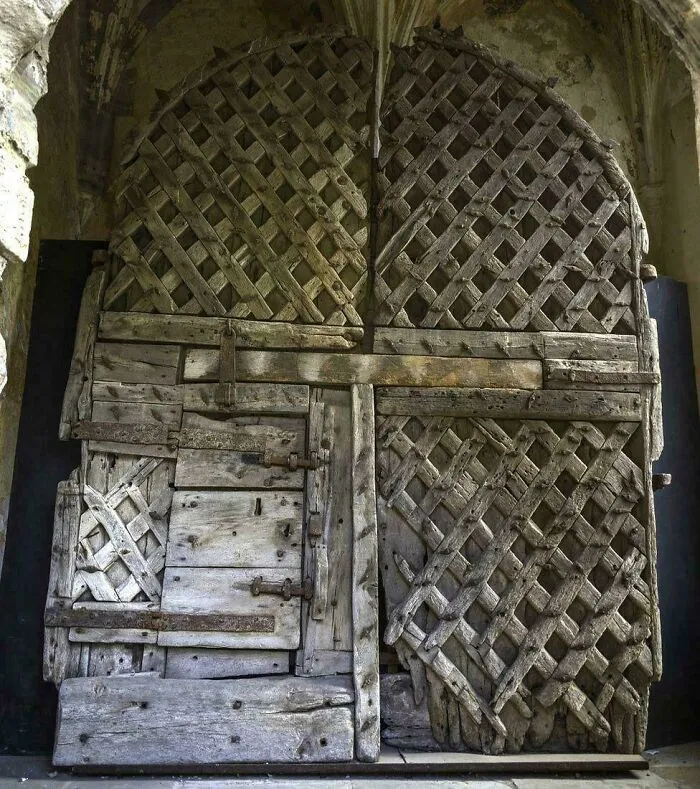
#6 The Iron-Shod Oak Doors Of Chepstow Castle In Wales
Back in the old days, books were generally printed smaller because people wanted to be able to put them in their pocket and carry them everywhere. Most books printed at that time were religious texts, so many people wished to have them next to their bodies for symbolic reasons as well.
A Scottish publishing house, David Bryce & Son, published the earliest and smallest versions of the Bible in 1896. Nowadays, you can buy it for a little over $1,000. This and other miniature books were as accurate as their "normal-sized" counterparts, but were still more a novelty than a serious way to read books. Even if people's vision wasn't ruined by staring at screens all day, who would choose to struggle with the tiny print for every book they read?
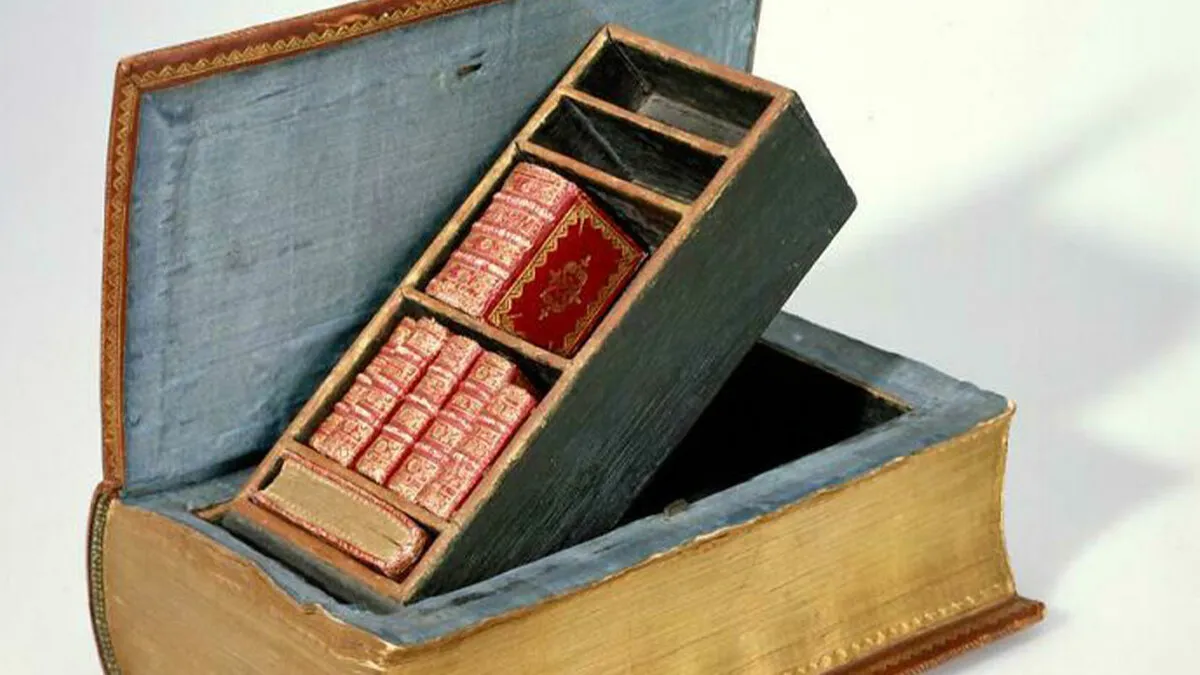
#7 Miniature Books Inside A Book-Case Inside A Box In The Shape Of A Book
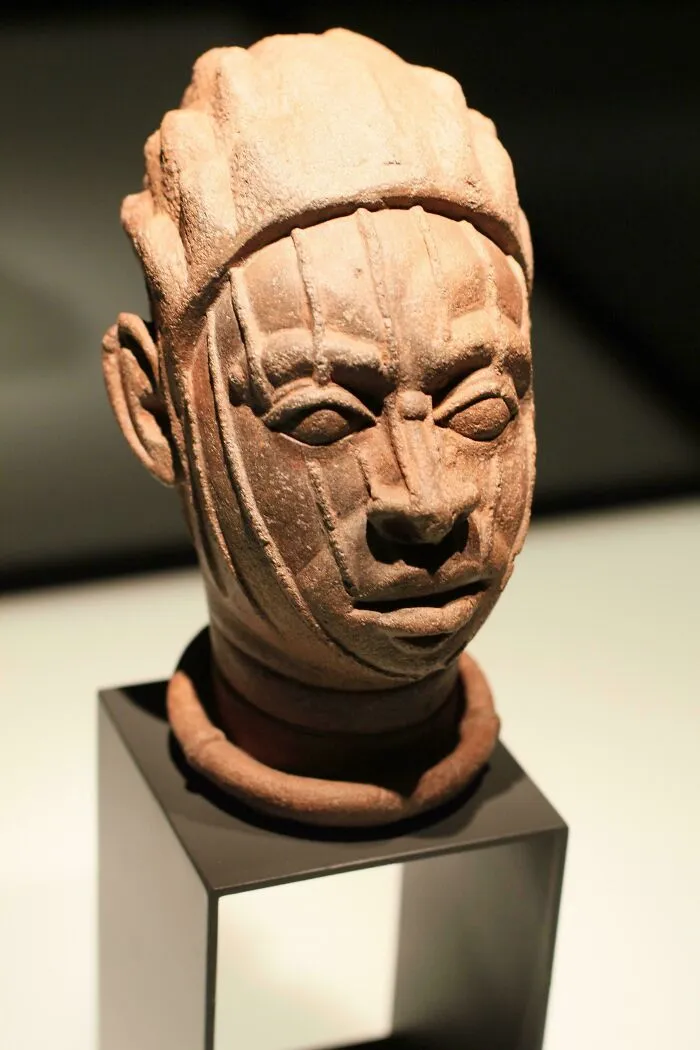
#8 Terracotta Ife Head 12th-15th Century Ad Berlin, Ethnological Museum
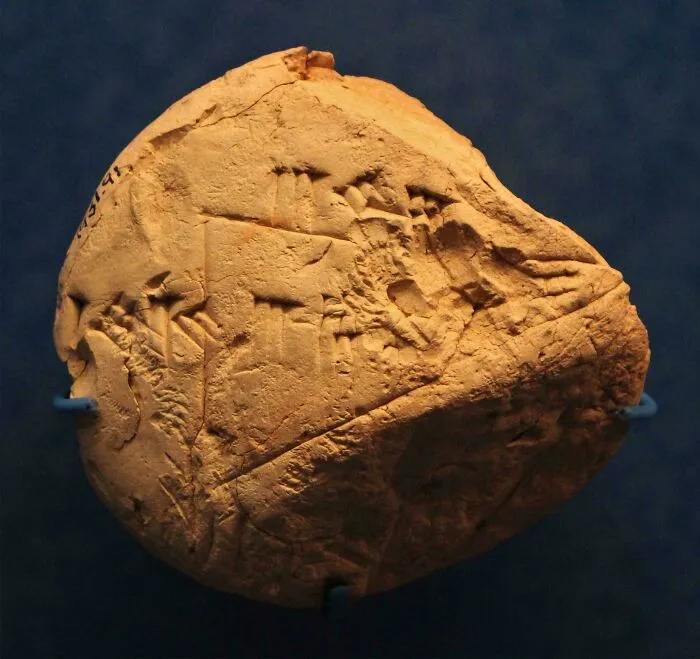
#9 4,000-Year-Old Geometry Homework Showing A Mistake Made By The Student When Calculating The Area Of A Triangle. Iraq, Old Babylonian Empire, 1900-1600 Bc
Dunia Garcia-Ontiveros, the supervisor of the London Library's miniature collection, told The Guardian that miniature books were also sought-after because they had short lifespans. "Miniature books were never seen as serious books, they were curiosities, seen as fun objects, not the kind of books that would make it into libraries."
"They were the books people would have at home, and because they are tiny and often printed on cheap paper they don’t tend to survive, so in any age miniature books are very rare. And they get lost! We ourselves had one fall behind a cabinet and it wasn’t until we had some building work done that one of the builders saw it behind a cabinet. We’d been looking for it for years," Ontiveros told The Guardian.
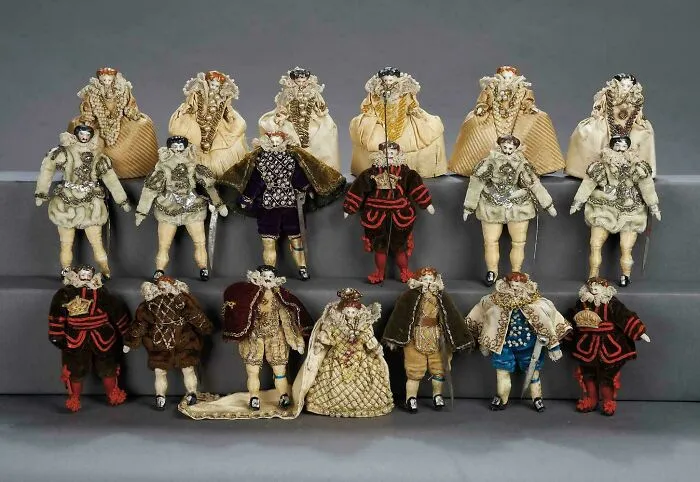
#10 Set Of Porcelain Dolls Likely Commemorating The 300th Anniversary Of The Coronation Of Queen Elizabeth I
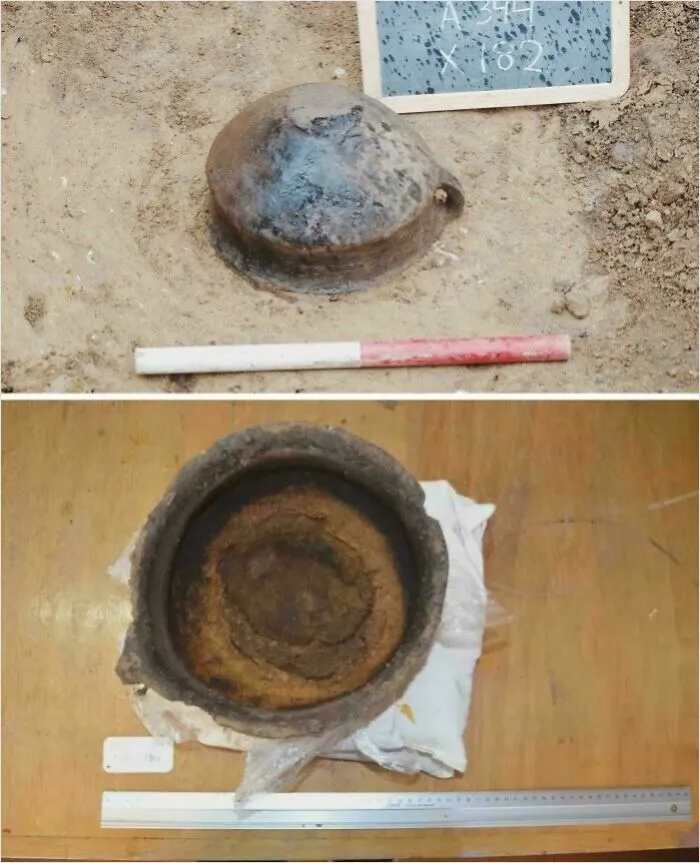
#11 In 2016, Archaeologists Found An Ancient Clay Pot With Traces Of 3,000-Year-Old Burnt Cheese, Tossed In An Ancient Trash Heap In Denmark
But miniature books aren't that scary, are they? A fish-like monster that comes out of the sea can definitely seem more terrifying. The Japanese have a name for that — the Amabie. It's a creature in Japanese folklore that warns people about upcoming disasters and hardships.
The legend goes that the first Amabie appeared to a government official in the form of a glowing-green creature with scales, long hair, three-fin legs, and a beak. He told the man that the harvest would be good for six years, but a pandemic would ravage Japan afterward. If they want to ward off the disease, people have to draw the Amabie and share the drawing with as many people as possible (a little The Ring vibes, huh?)
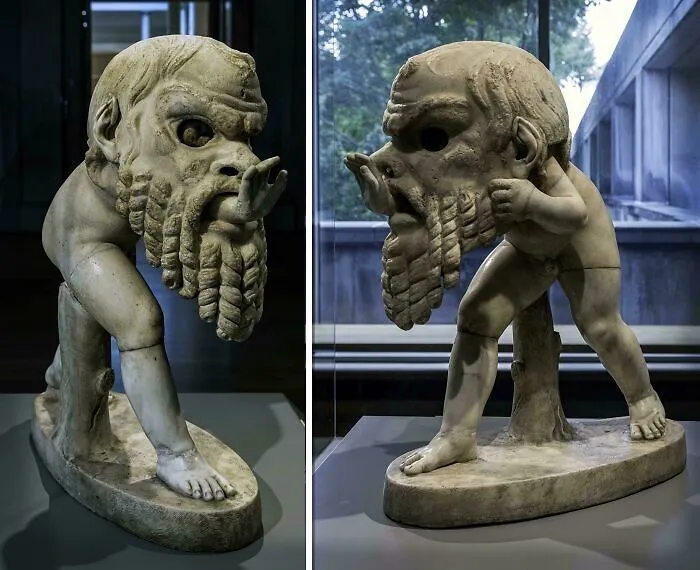
#13 Ancient Roman Statue Of A Child Satyr Wearing A Theater Mask Of An Old Satyr. The Art Institute Of Chicago
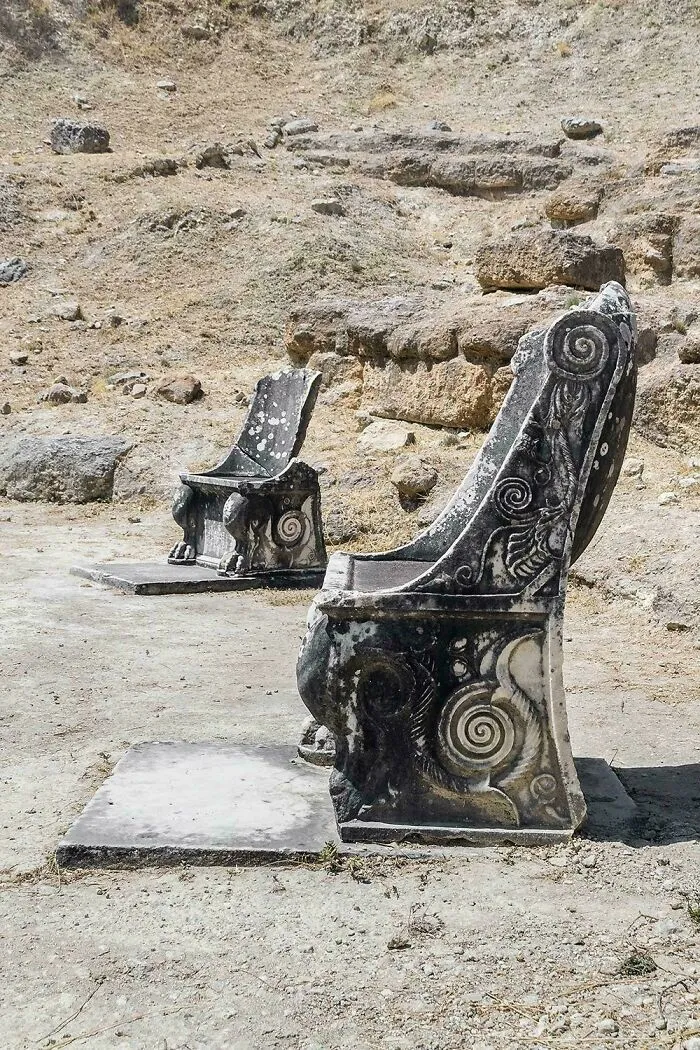
#14 Marble Seats Of Honor From The Theatre Of The Amphiareion Of Oropos, Greece, 1st Century Bce
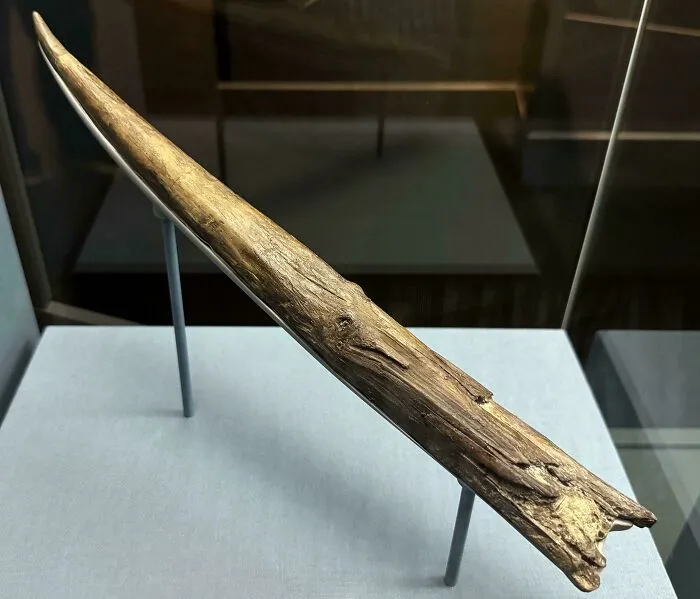
#15 420,000 Year-Old Clacton Spear Point, The Oldest Known Wooden Weapon In The World According To The Natural History Museum, London. Found In Clacton On Sea, Essex, UK
The Amabie went viral again during the 2020 pandemic, as many believed that it must've appeared to some person again. People thought that sharing its image on social media would help the COVID-19 pandemic end sooner. In Japan, retailers even began selling masks and hand sanitizer with Amabie's likeness.
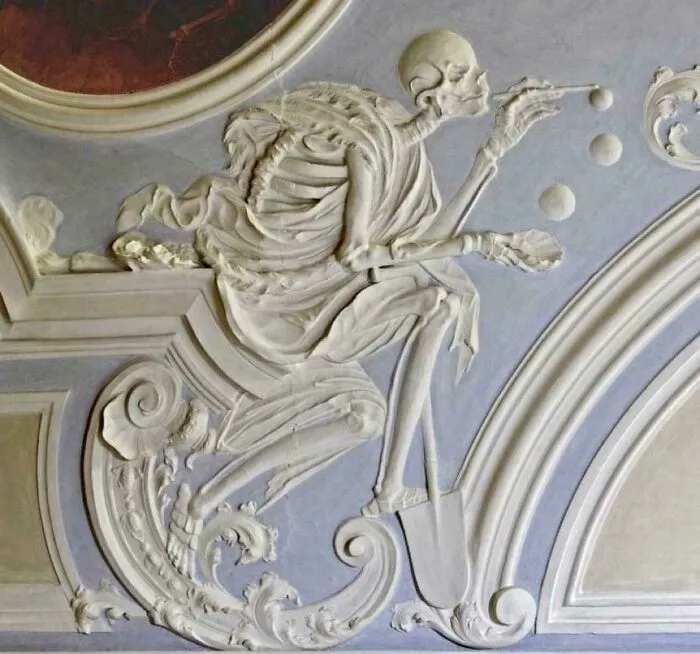
#18 “Death Blowing Bubbles” Plaster Relief By Johann Georg Leinberger. Michaelsberg Abbey In Bamberg, Germany, 1729-1731
Amabie is a yokai, one type of monster and demon in Japanese folklore. An Amabie is a benevolent creature, but there are more nefarious ones, too. The karakasa kozo, for example, is a one-eyed umbrella that sneaks up on people and licks them. The tofu kozo follows people to their homes and offers them tofu, and appears in the form of a man-child dressed in a kimono.
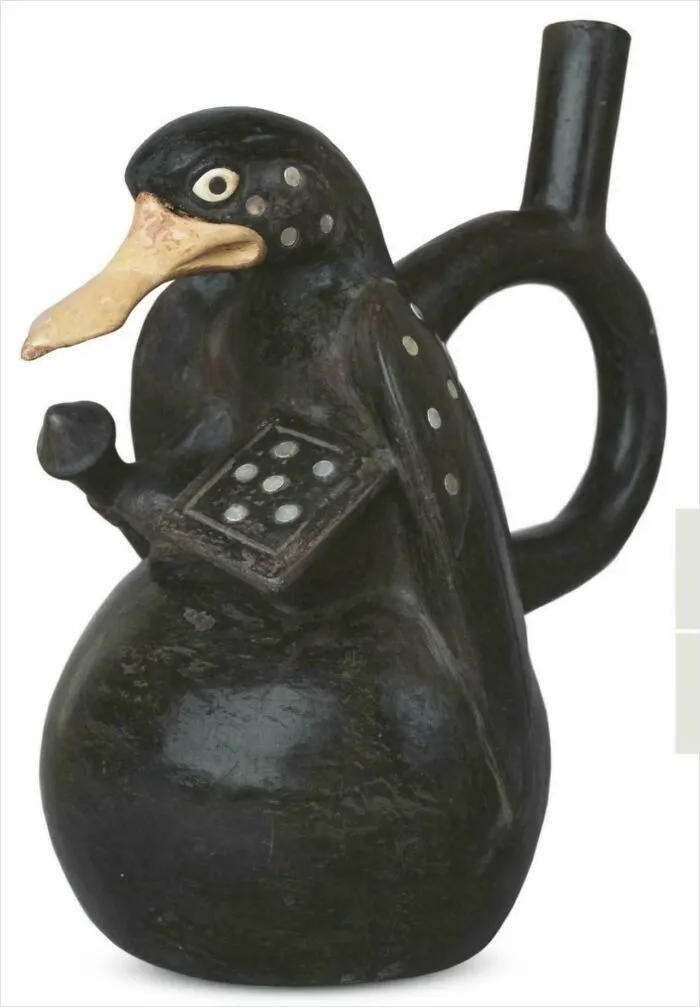
#19 Moche “Warrior Duck” Vessel With Shield And Club Created In Peru Between Between 560-650 Bce. Care Of Museo Huacas De Moche In Peru
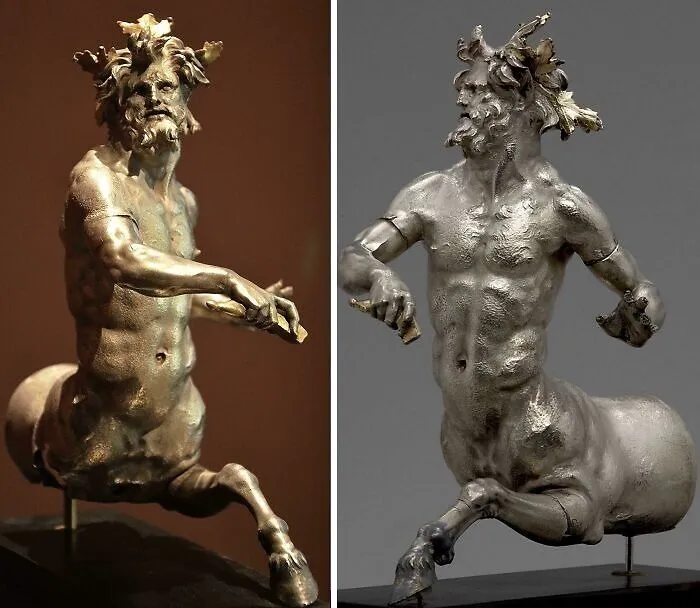
#20 Rhyton Forepart In The Form Of A Centaur, Hellenistic, C. 160 Bce. Silver, Partially Gilded. From Falerii Novi (Cività Castellana, Italy)