


What is it about scary or creepy stories that many of us want more, while wanting to look away at the same time?
“Horror stories do different things to different people. In some cases, they act as cautionary tales; in others, they allow us to explore things that feel transgressive and gives us a safe space to do that,” says Dr Helen Marshall, Senior Lecturer in Creative Writing at the School of Communication and Arts at the University of Queensland (UQ).
Safe being the operative word...
Marshall explains that when you're choosing to consume creepy content, you have some control of the experience.
"You can turn off the TV or close the book when you don’t want to engage anymore," she adds. "But you can also share that experience with other people, and that gives you a better way of processing it.”
And while we might think otherwise, some experts say that forcing a bout of fear onto your brain can actually be good for your psyche.
Dr Will Harrison, head of the Visual Cognition Lab at the School of Psychology at UQ even likens watching horror movies to an accessible and entertaining form of therapy. The expert explains that consuming scary content can help us process stress, anxiety, fear and other negative emotions.
“What we understand about the psychology of dealing with stress is that sometimes to process feelings of negativity, we have to understand where those feelings are coming from," he says. “Typically, stress comes from all kinds of factors that can be hard to describe. But when you watch a horror film, you know that the movie is the direct cause of the tension."
The team over at Newport Healthcare agrees. They say that horror-based content offers a safe way to practice fear.
"By noticing our fear, riding the surge of fear, and then feeling relief, we strengthen our ability to cope with everyday stressors," explains the site. "Even if we never have to live through a flock attacking our town like in The Birds, these mini 'fear workouts' may train us to stay emotionally steady when life throws a very real challenge our way."
Similarly, watching or reading scary stories can act as a mental rehearsal for real-world threats.
"While you’re unlikely to be trapped in an abandoned prison surrounded by zombies... you may learn from the actions the characters take in those dire situations," note Newport's experts, adding that it's sort of like simulation training.
"Watching characters navigate high-stakes scenarios encourages us to review a series of 'what if' scenarios that help us to respond thoughtfully to threats around us."
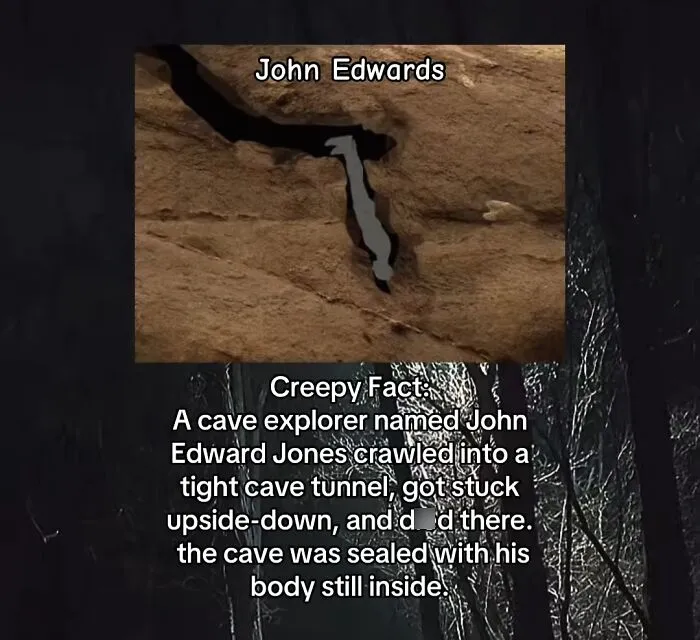
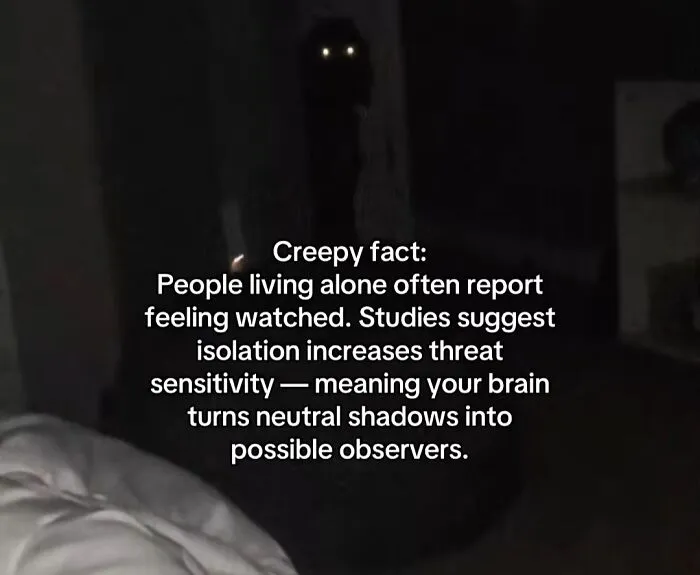
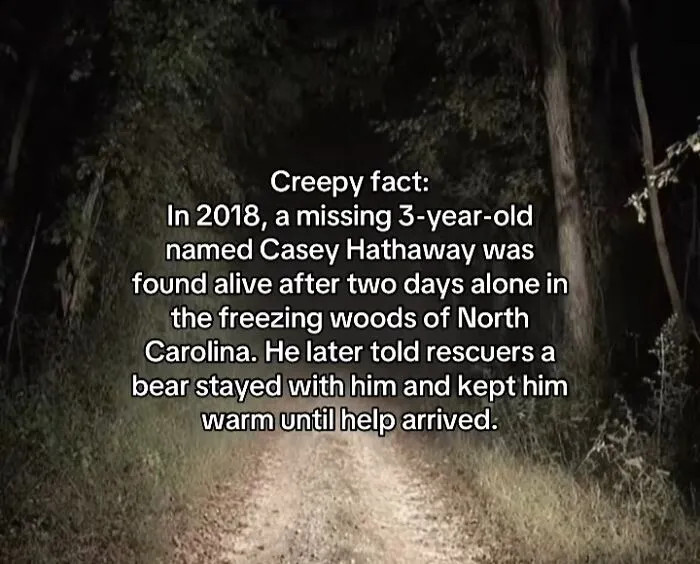
Like with many things, consuming scary content can also have a negative side. If you've ever struggled to fall asleep after watching a horror movie, or scrolling through a listicle of creepy facts, you'll know exactly what we mean.
The experts explains that scary media triggers a real stress response. This means your body gets flooded with adrenaline, and your brain stays on high alert long after the credits roll.