

This post may include affiliate links.

If you grew up watching American sitcoms, chances are you've seen a teacher remind a child to use the magic words: “please,” “thank you,” and “sorry.” From a young age, we're taught that using these words is part of being a nice person. But as we grow older, we realize that being nice has less to do with the words we use and more to do with how we treat people.
In a piece for TIME, Emiliana Simon-Thomas, science director at the University of California, Berkeley's Greater Good Science Center, explains what being nice means to her. She believes it starts with recognizing that other people, just like us, want to be happy and avoid suffering. “There’s always an opportunity to do or say something that is uplifting, either as a role model or as an invitation,” she says.
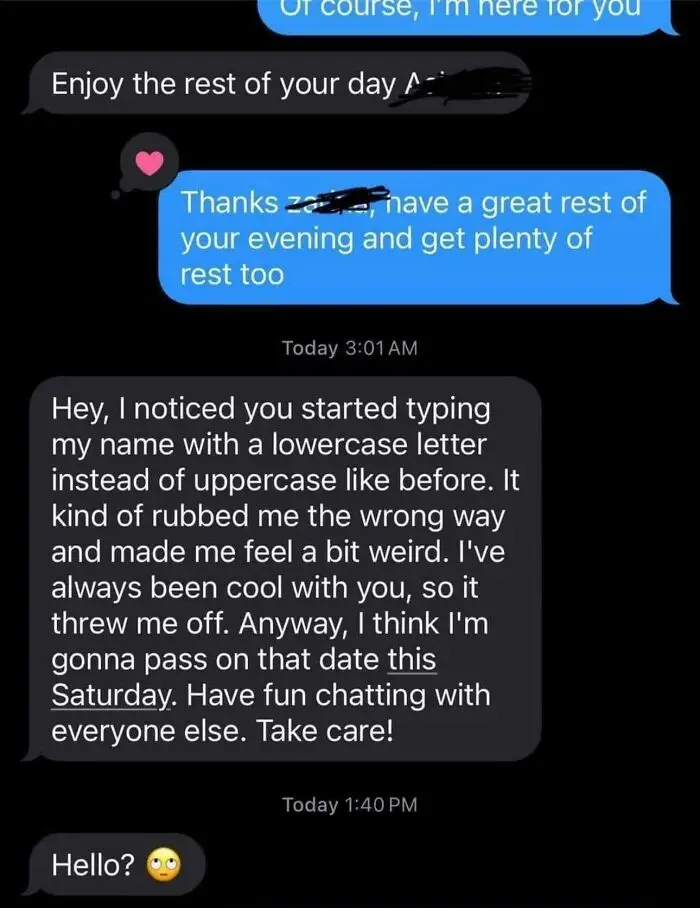
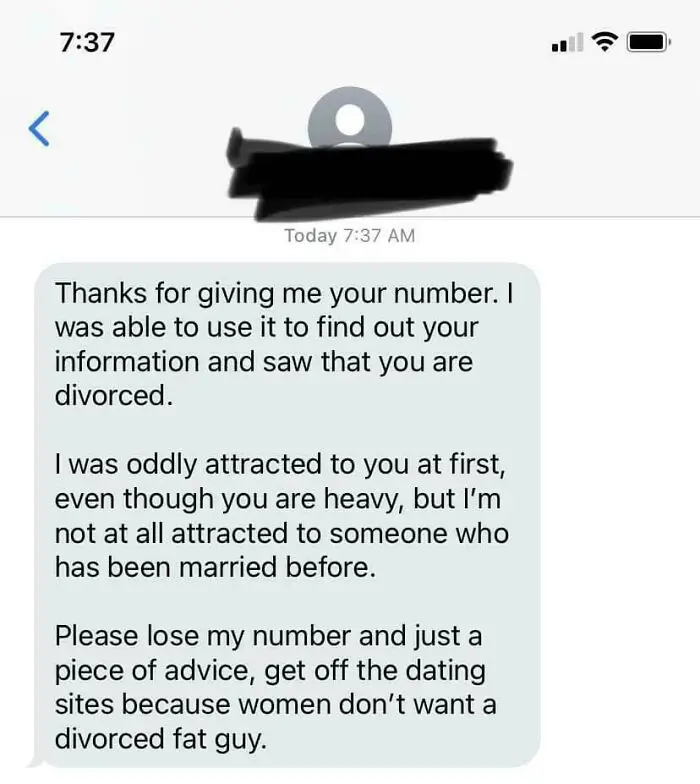
Simply put, being nice involves considering other people's feelings. For instance, it's easy to get annoyed when a waiter takes too long to bring your order. But perhaps they're short-staffed or having a particularly difficult day. Giving someone the benefit of the doubt can make a big difference to how we treat them.
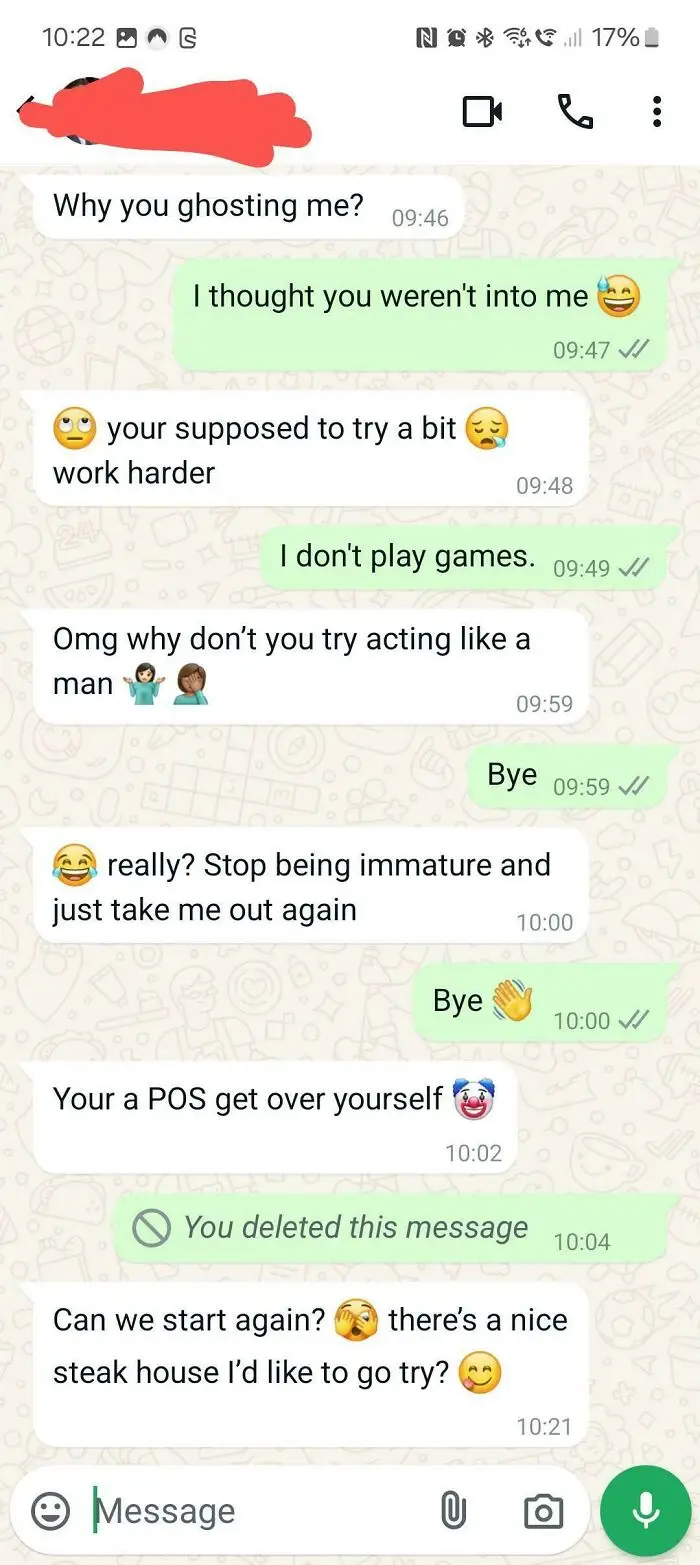
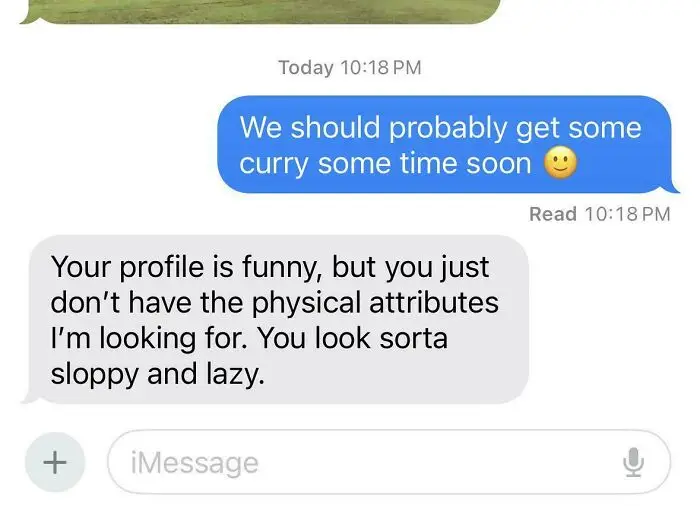
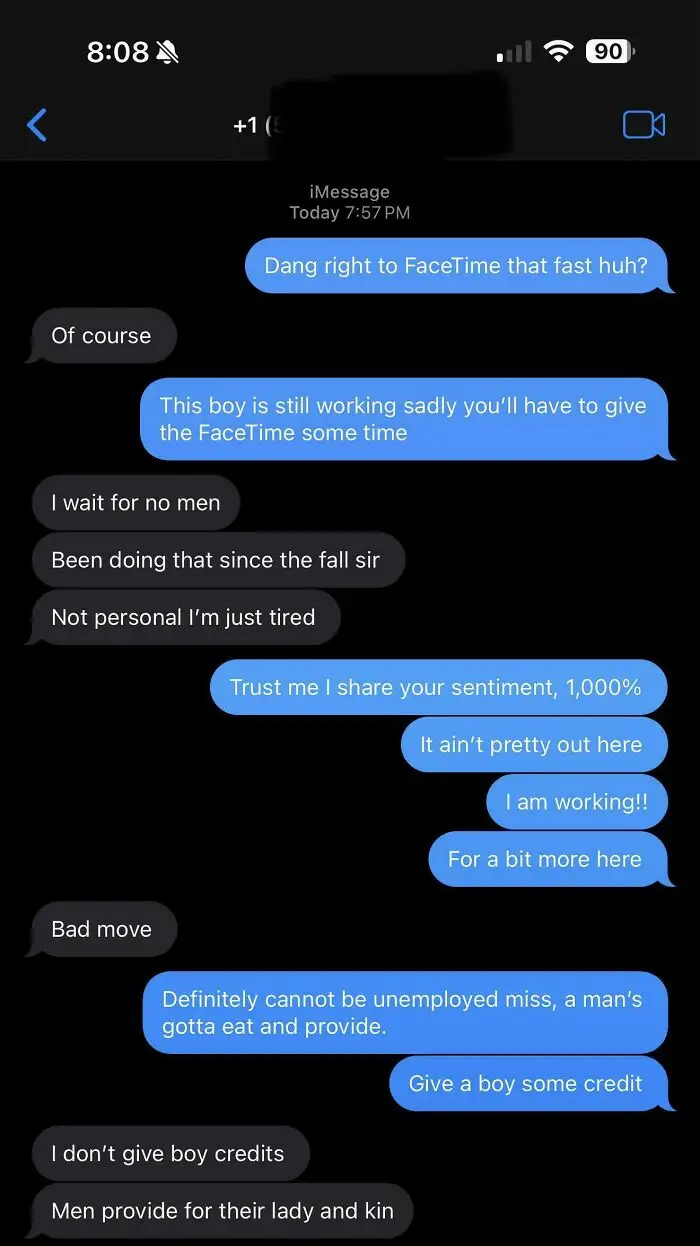
#9 Gave Me Her Phone Number A Few Minutes After Matching. Wanted To Immediately Facetime. Delusion Ensues
Of course, being nice doesn't mean agreeing with everything someone says. As Verywell Mind points out, honesty is also an important quality. It's possible to disagree with someone without being rude. Similarly, there's nothing wrong with turning down a date or telling a friend that something they've done has upset you. What matters is how you express yourself.
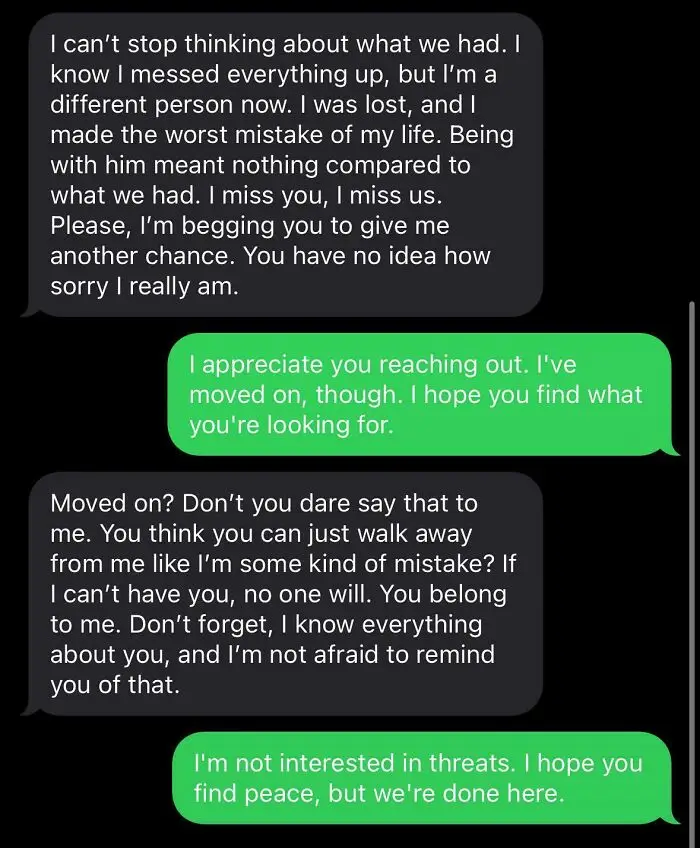
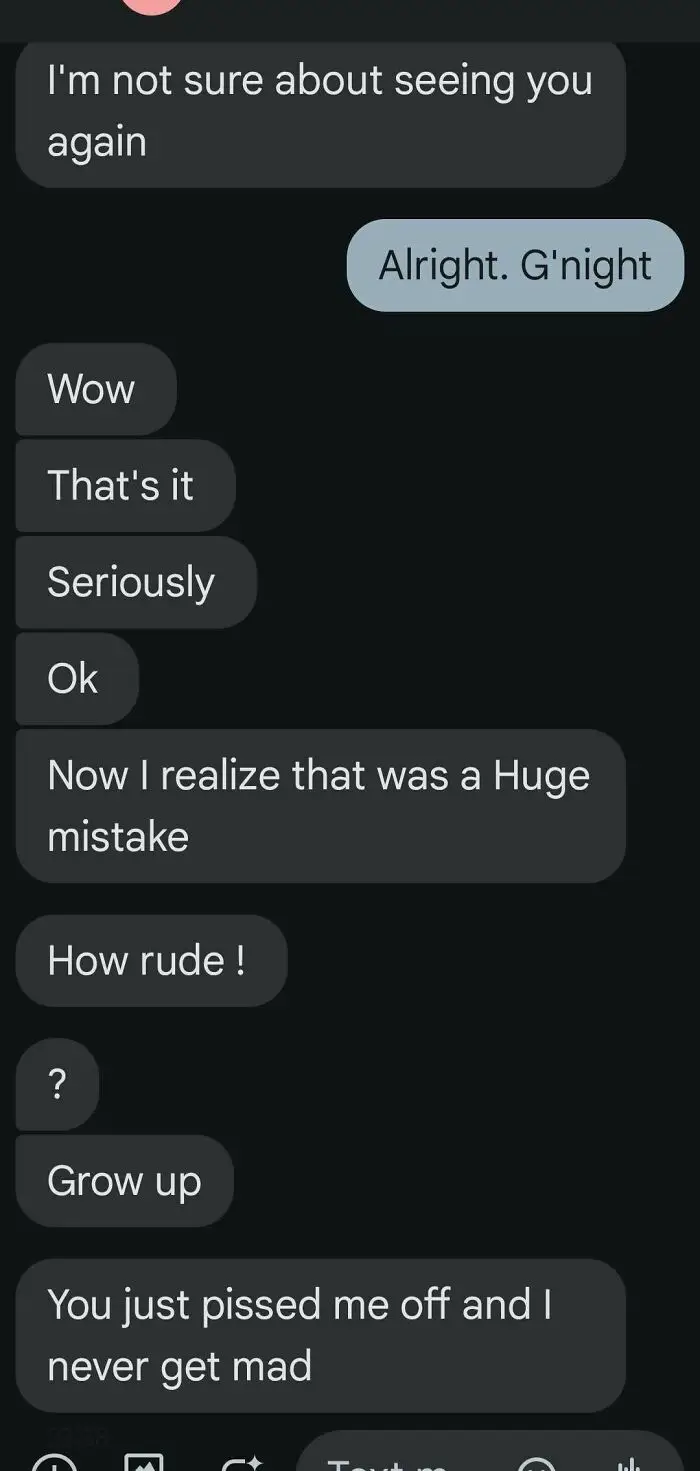

Building on this idea, the book How To Be A Nice Person by The Iam Foundry highlights the importance of self-awareness. When we understand our own emotions, motivations, and insecurities, it becomes easier to understand others. This can help us be more patient and considerate when dealing with people around us.
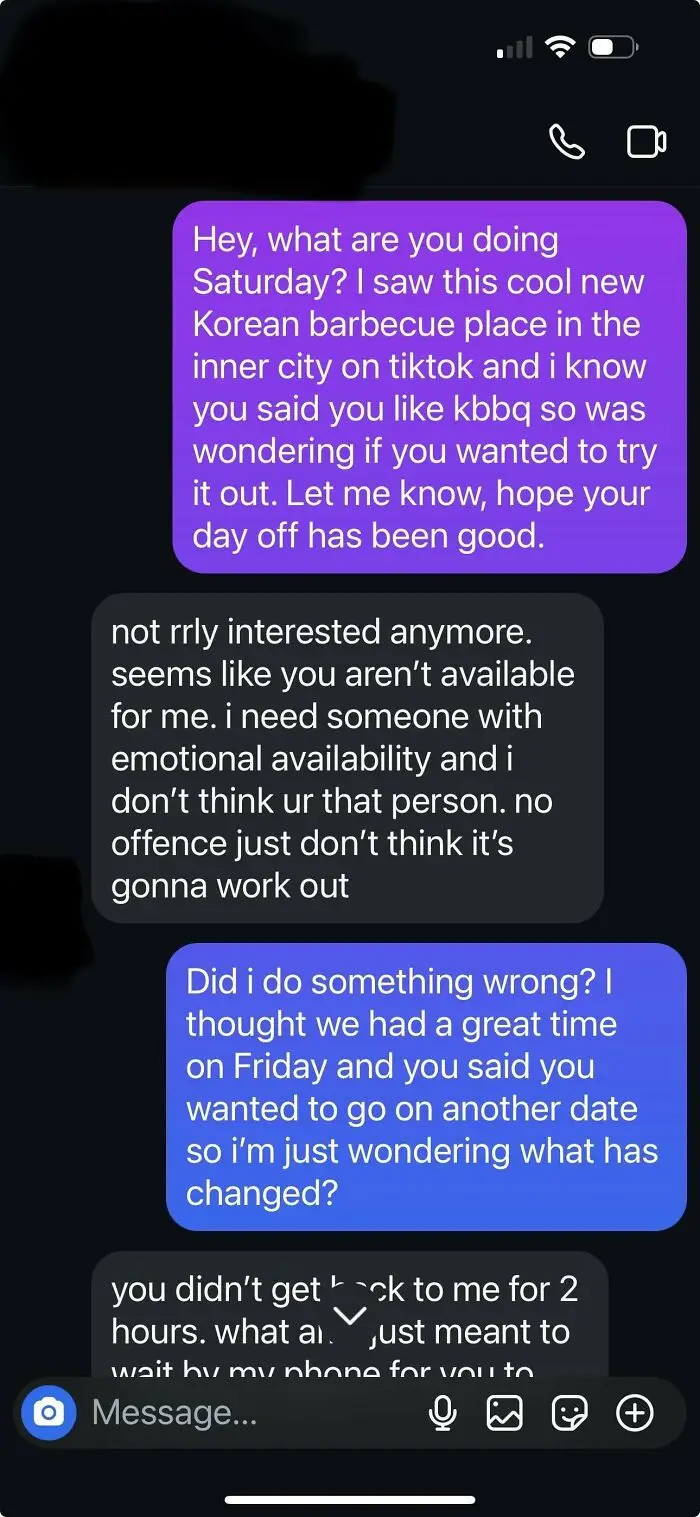
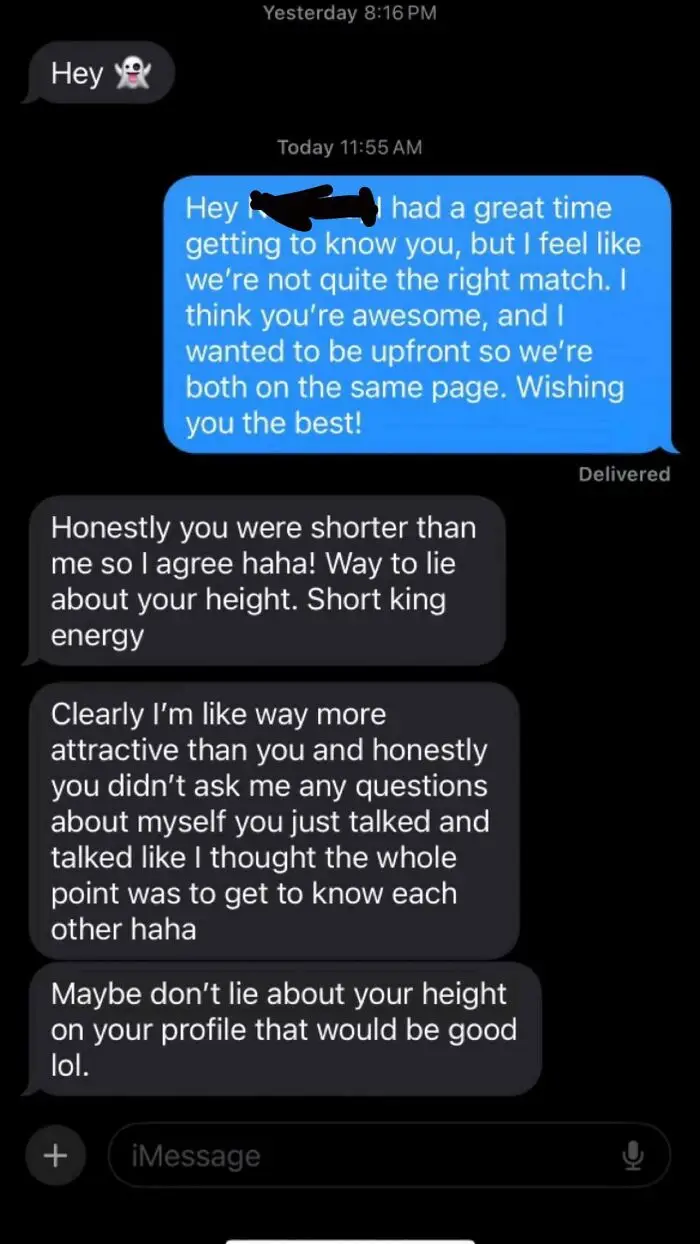
And when we're more aware of our own insecurities and shortcomings, we might also become less critical of others. We all have different tastes, habits, and ways of living.
Someone might dress differently, earn less money, or have interests we don't quite understand. But that's hardly a reason to look down on them. We don't have to relate to someone's choices to treat them with respect.
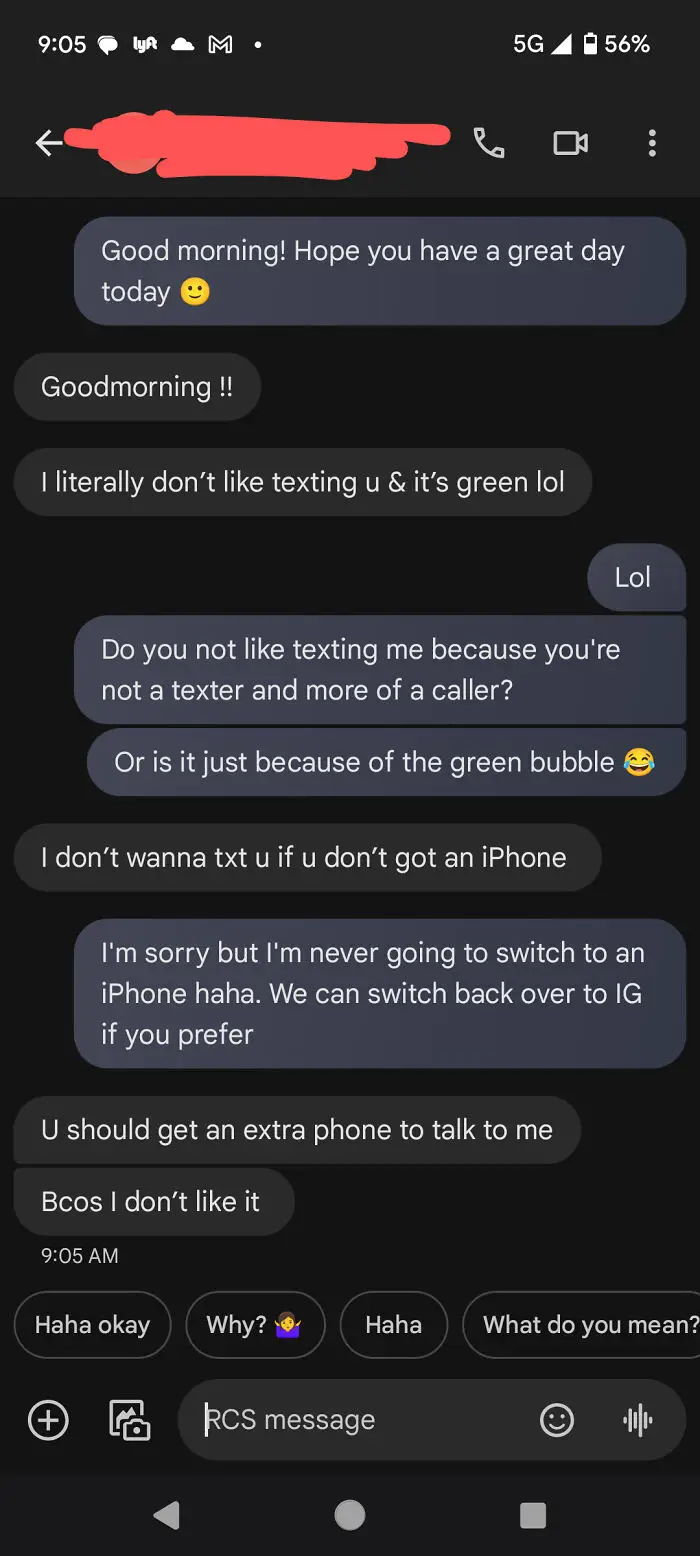
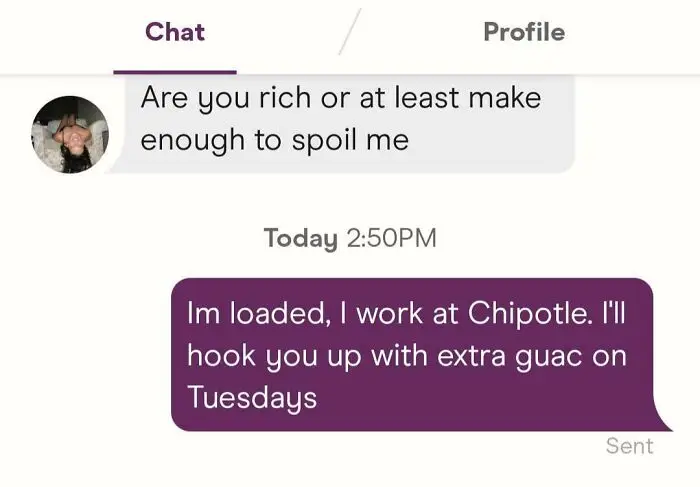
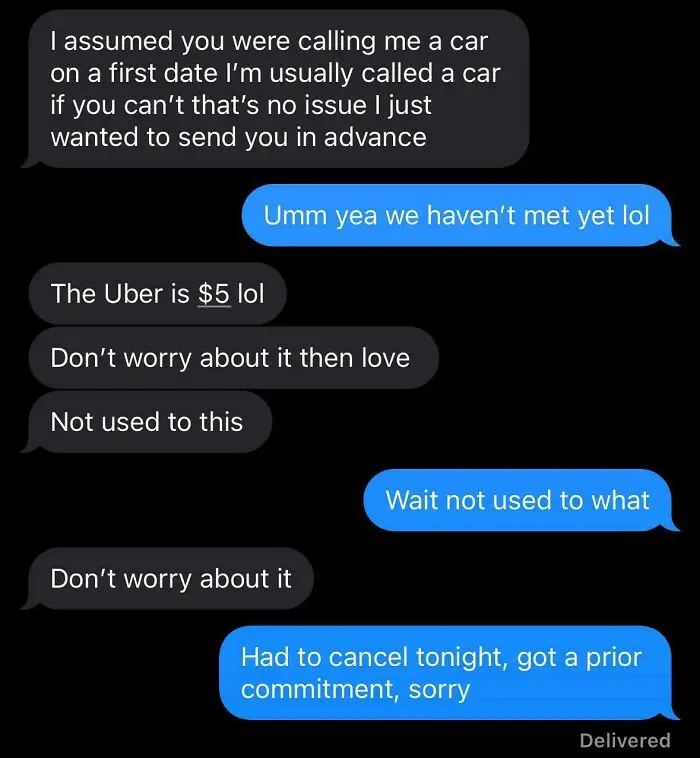
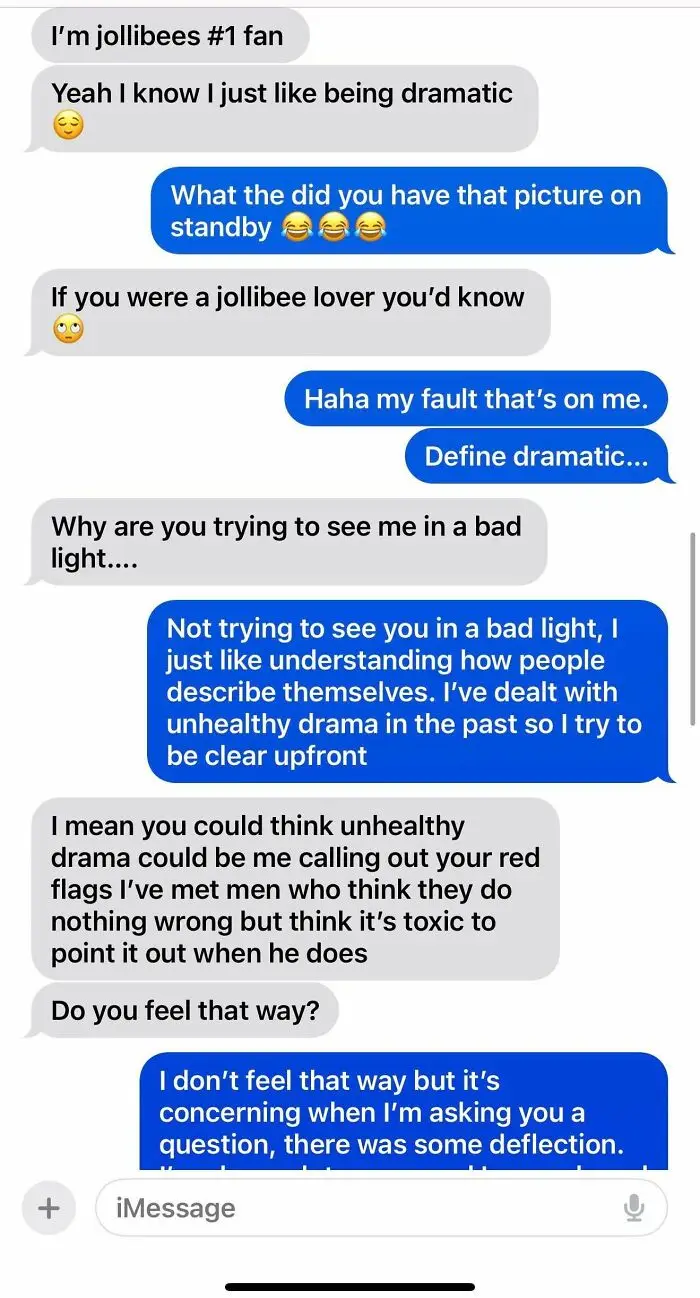
#18 I Think I Dodged A Bullet. Mind You I Was Trying To Surprise Her At A Nice Restaurant To Her Preferences
Another lovely way to practice kindness is by giving back. And no, that doesn't necessarily mean donating large sums of money to charity. Helping an elderly neighbor carry their groceries, offering a colleague some assistance, or checking in on a friend who's having a difficult time are all ways to make someone's day a little better.
The important part is doing these things without expecting something in return.