

#21
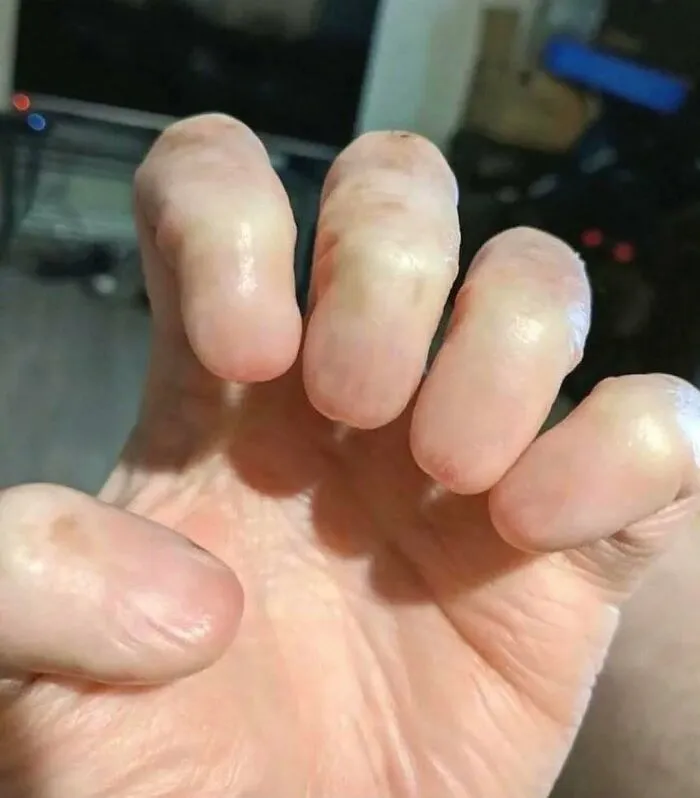
Anonychia, also known as congenital anonychia or congenital nail absence, is a rare condition characterized by the absence of nails at birth or a severe reduction in nail size. While it affects a small percentage of the population, its impact on physical appearance and function can be significant.
Anonychia can be inherited as a genetic trait or occur sporadically. It may result from mutations in various genes involved in nail development during embryogenesis. Additionally, certain environmental factors or underlying medical conditions, such as ectodermal dysplasias, may contribute to its development.
The primary symptom of anonychia is the absence of one or more nails on the fingers or toes. In some cases, the nails may be present but severely underdeveloped, thin, or misshapen. Other associated features may include abnormalities in the skin, hair, and teeth, depending on the underlying cause.
Treatment for anonychia focuses on addressing cosmetic concerns and optimizing nail function, if possible. While there is no cure for the condition, individuals may explore various options such as prosthetic nails, nail wraps, or cosmetic tattooing to improve the appearance of affected nails. Additionally, regular care of the remaining nails and surrounding skin can help prevent complications such as infections or ingrown nails.
This fascination with the human body doesn’t stop at medical procedures though.
Early apothecaries and medical shops used to display unusual specimens like bones, or organs to attract curious visitors.
In medieval and early modern Europe, public executions drew thousands of people.
For example, in London, people would gather at places like Tyburn or outside Newgate Prison to watch criminals being executed.
Estimates say crowds could reach up to 50,000, with vendors selling food and people even paying for better viewing spots.
In some cases, the bodies of criminals were also displayed in public places, or their heads were mounted on city gates and bridges so passers-by could see them.
#22

#23
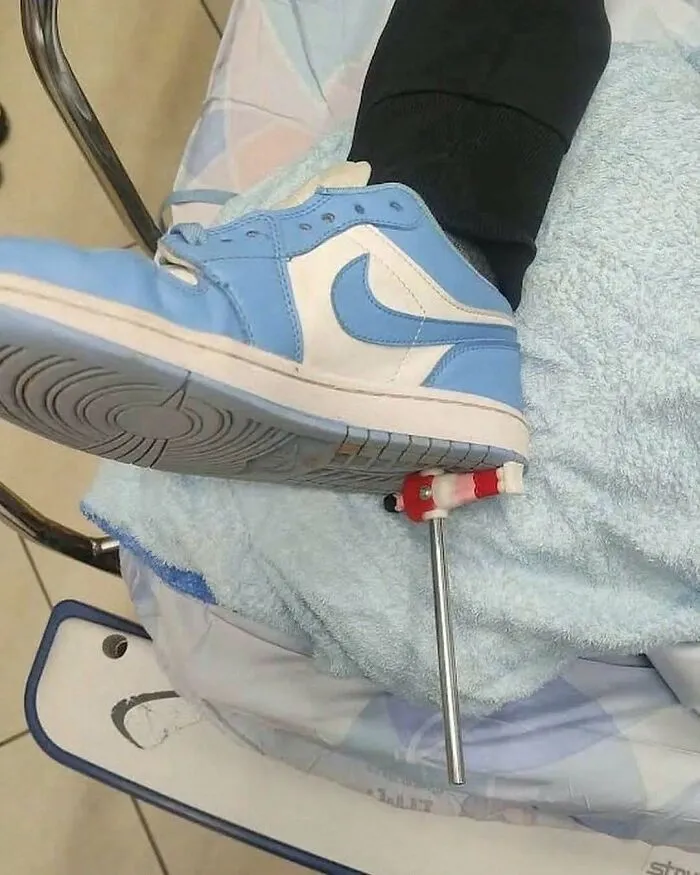
The patient was quickly taken to the emergency room and underwent surgery while under general anesthesia to remove the impaled rod. Although their foot healed completely, their Nike Jordan shoes did not survive. It is possible that the patient was enraged due to one of their football players receiving a red card, but this is only speculative.
In the end, this strange curiosity isn’t necessarily a bad thing. It’s simply part of being human.
These medical images remind us how complex, and sometimes fragile, the human body can be.
And who knows… seeing a rare condition or unusual symptom here might even help you catch a serious health issue around you.
#26
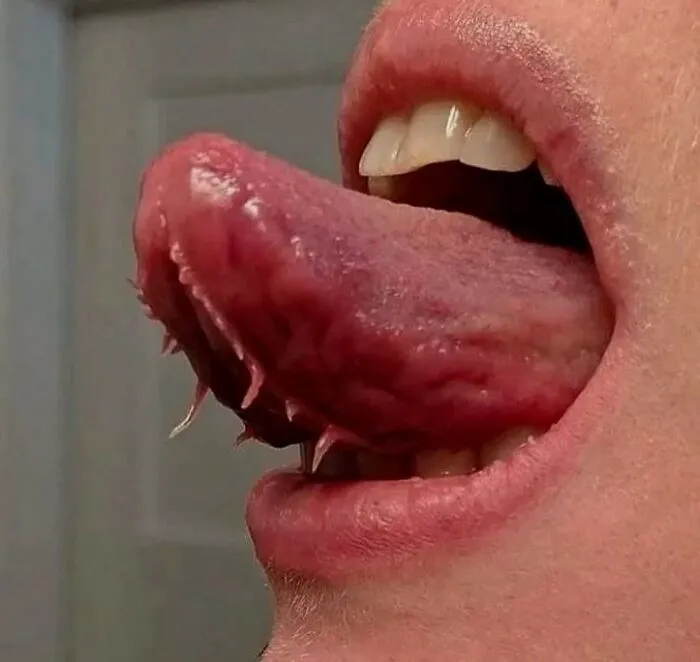
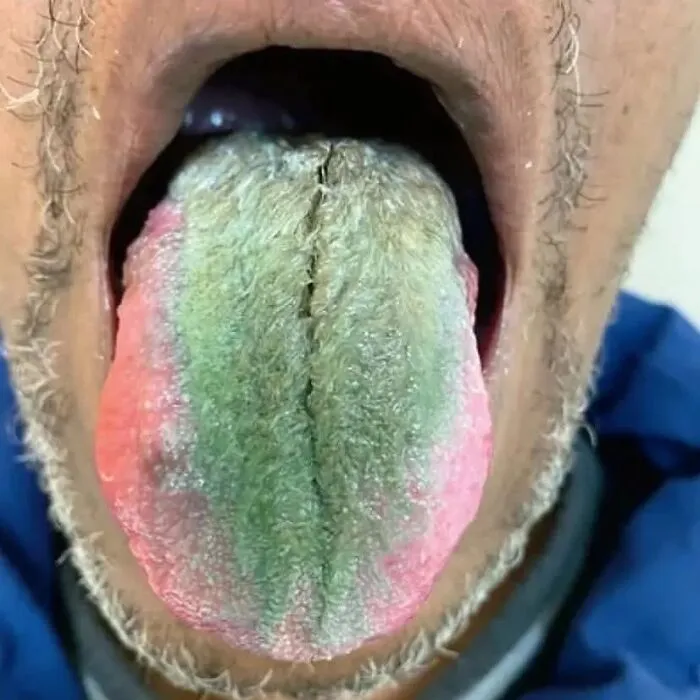
Sometimes they can get caught in your teeth. If one of these bumps comes off, it can leave an open sore that’s vulnerable to infection. For most infections you may just need to use an antieptic mouthwash for a few days to keep the area clean.
#28

The classic radiographic appearance of multiple myeloma is that of multiple, small, well-circumscribed, lytic, punched-out, round lesions within the skull, spine, and pelvis. The pattern of lytic or punched-out radiolucent lesions on the skull have been described as resembling raindrops hitting a surface and splashing
#29
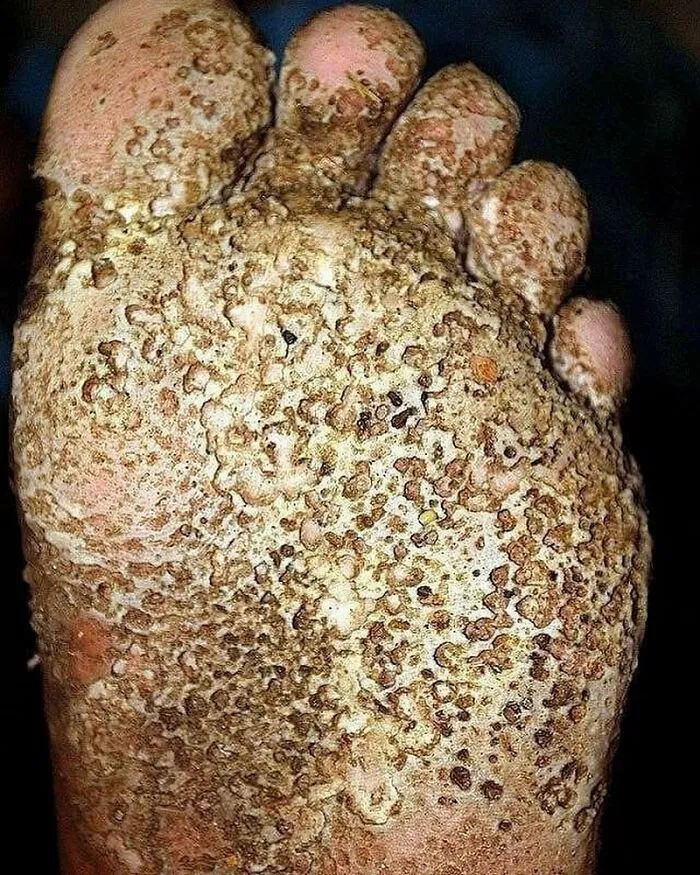
infection that affects the soles of the feet, and less often, the palms of the hands. It is one of the causes of smelly feet. It is characterised by whitish skin and clusters of punched-out pits.
The bacteria proliferate in moist conditions. The pitting is due to destruction of the corny cells (stratum corneum) by protease enzymes produced by the bacteria. The bad smell is due to sulfur compounds produced by the bacteria: thiols, sulfides and thioesters.
#31


#37

#39
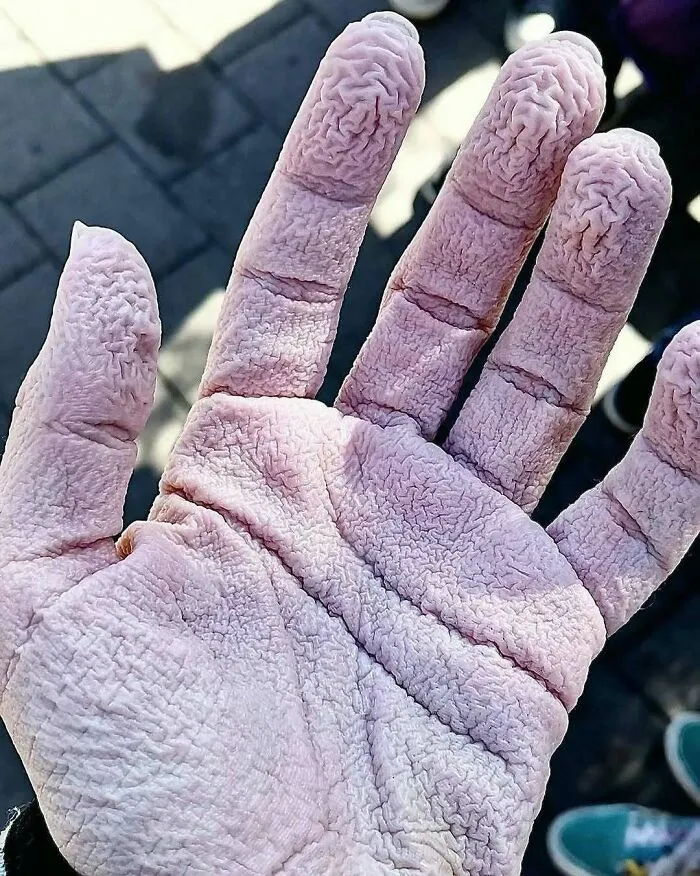
The skin on the fingers can become wrinkly or “pruney” when in water for too long. Wrinkly fingers can also be a sign of a medical problem, such as dehydration, Raynaud’s disease, or diabetes.