






#1
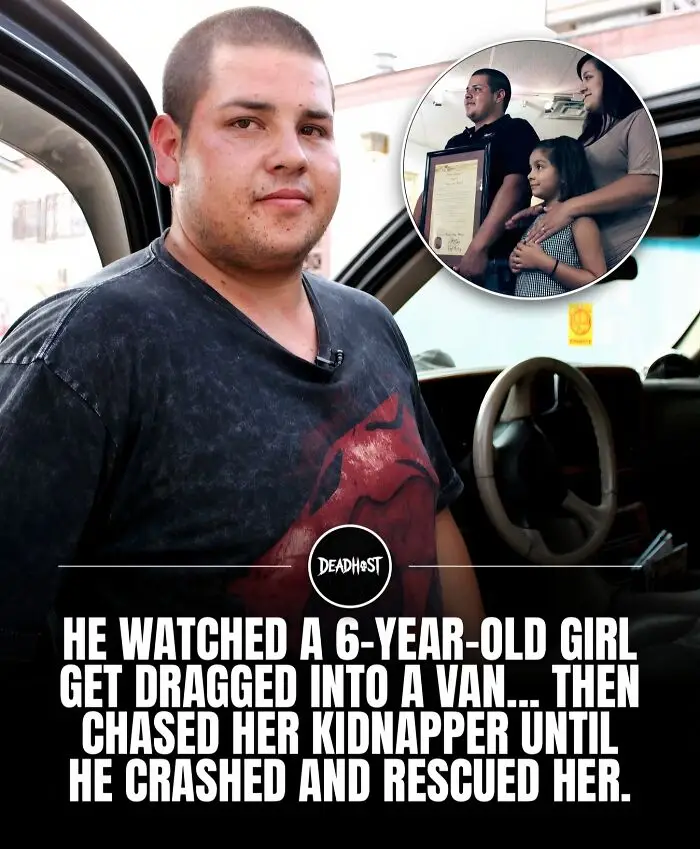
Garcia tried to lose Chacón as the chase continued through Albuquerque, but Chacón refused to stop following. Several miles later, Garcia crashed the van into a light pole and fled on foot. Chacón ran to the damaged van, found the little girl inside and brought her back to her family. Police later recovered packing tape and a tie-down strap near the crash site, while additional tools and strapping were found inside the van.
Garcia was later captured and prosecuted. In June 2013, he was convicted, and that September a judge sentenced him to 19 years in prison. Chacón’s split-second decision to follow the van was credited by Albuquerque police with preventing the abduction from becoming something far worse.
#2
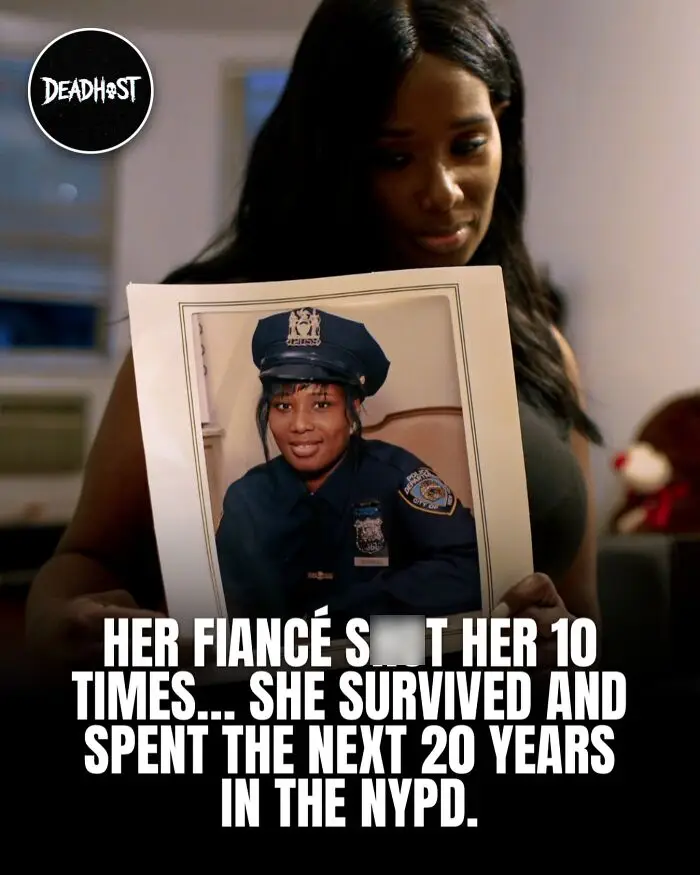
The attack continued for roughly 90 minutes. Investigators documented spent shell casings, projectiles, bullet holes and speedloaders at the scene. Brownlee was hit 10 times and found bleeding on the bathroom floor after a family friend unexpectedly arrived at the house.
Brownlee survived multiple surgeries, although several bullets remained in her body. Years later, she joined the NYPD, worked undercover and ultimately became a detective, spending two decades in law enforcement before retiring in 2021.
#3
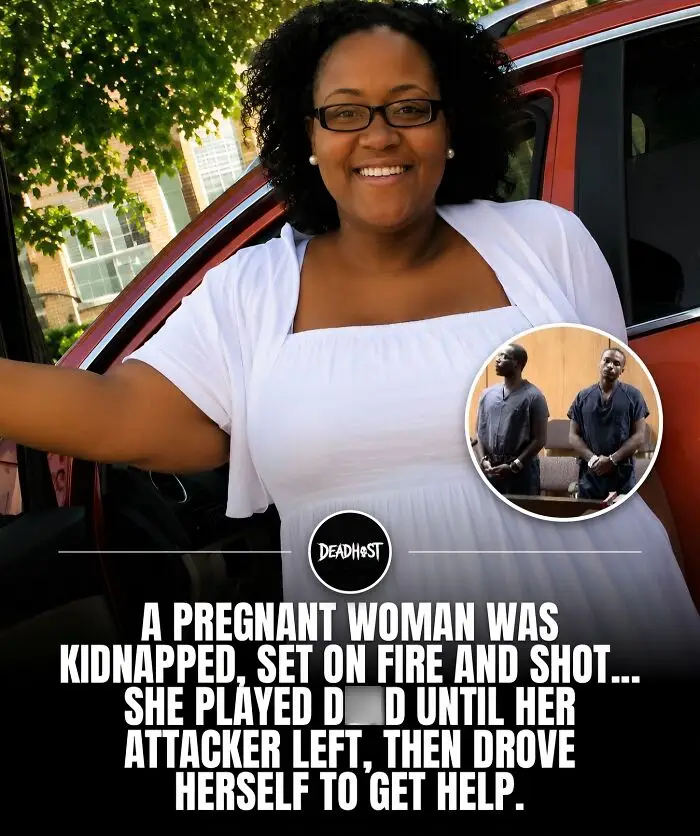
Latonya was driven to a vacant area in Detroit, doused with lighter fluid and set on fire. As she rolled on the ground trying to extinguish the flames, she was s**t in the shoulder. Latonya then remained still and pretended to be d**d until her attackers left. Once they were gone, she managed to get back into her vehicle and drive away to seek help.
Latonya survived and gave birth to a baby boy just days after the attack. A jury later convicted Rogers and Mathis of charges including a*****t with intent to m****r and conspiracy to commit first-degree m****r. Both received life sentences with the possibility of parole.
In 1965, US police cleared about 91% of homicides. In recent years, the FBI figure has hovered around half, and "cleared" only means an arrest was made or the case was closed by other means, not that anyone was convicted. A nonprofit that tracks homicide data estimates that more than 250,000 homicides that occurred since 1980 remain unsolved. Those cases are the reason true crime has an audience in the first place.
When someone does get caught, it's usually because they slipped up on something small. Ted Kaczynski (the Unabomber) carried out attacks from 1978 to 1995 that ended three lives and injured 23. He was identified only after the Washington Post and New York Times published his manifesto and his own brother, David, recognized the writing.
#4
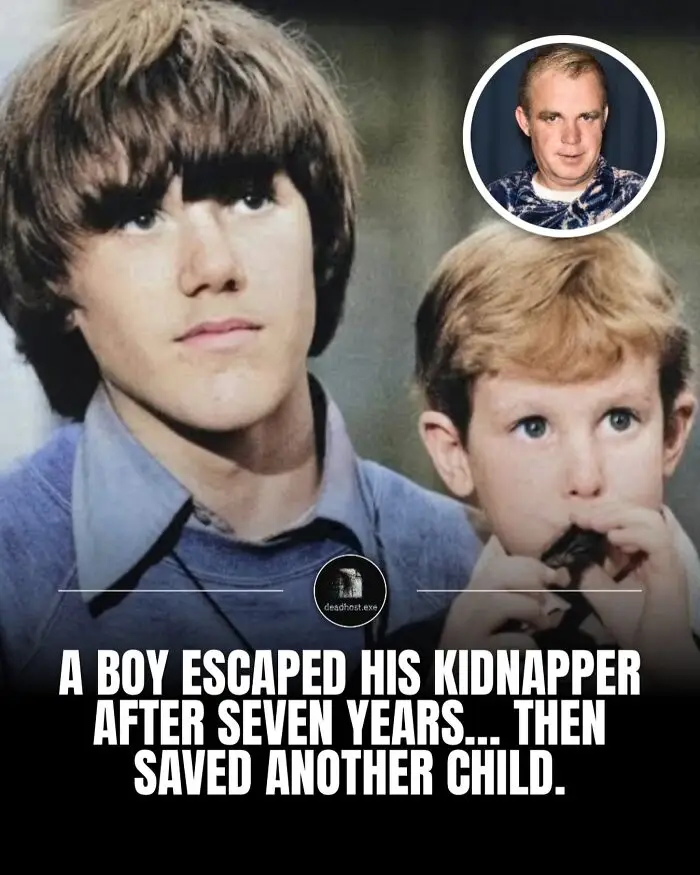
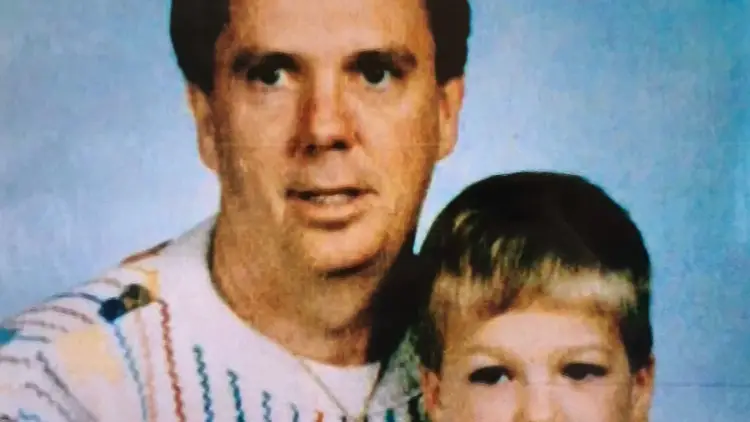
In February 1980, Parnell abducted another young boy, 5-year-old Timothy White. Realizing another child faced the same fate, Steven secretly led Timothy away from their captor and walked with him to a police station, revealing both of their true identities.
Steven was reunited with his family after more than seven years in captivity. Kenneth Parnell was convicted of kidnapping, and Steven’s courageous decision to rescue Timothy White became one of the most remarkable child survival stories in American criminal history.
#5
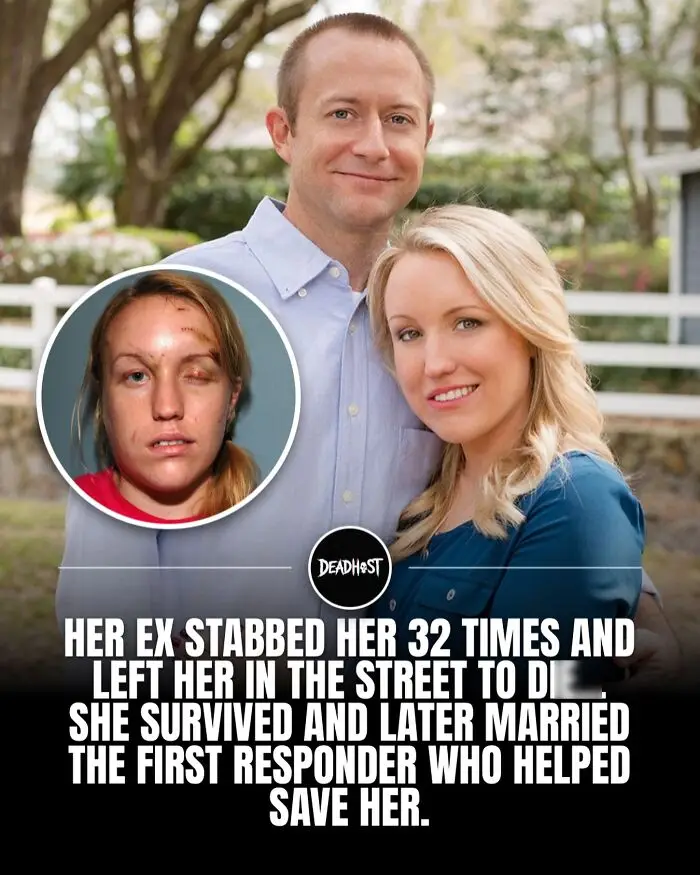
Melissa suffered devastating injuries and massive blood loss. She was airlifted to a hospital, where she underwent emergency treatment and ultimately survived. Burton later pleaded guilty to attempted first-degree m****r and was sentenced to life in prison without parole.
One of the first responders who helped save Melissa that night was firefighter-paramedic Cameron Hill. The two reconnected after her recovery, eventually began dating, and in 2015 Cameron proposed to Melissa on the field at a Tampa Bay Rays game. She said yes, turning one of the darkest nights of her life into the beginning of an extraordinary second chapter.
#6
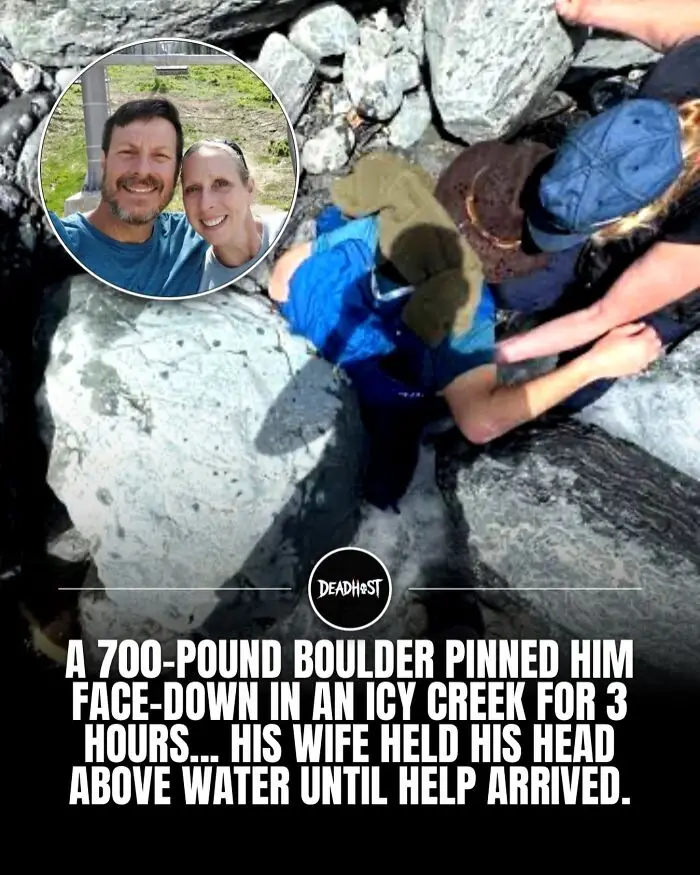
Unable to move the boulder, Roop positioned herself in the water and helped keep her husband’s head above the surface. She eventually found enough cell service to call for help, while Morris remained trapped for roughly three hours and began drifting in and out of consciousness.
Rescuers were flown into the remote area after a nearby sled-dog tour company offered the use of its helicopter. Seven men and inflatable lifting bags were eventually used to raise the boulder and free Morris. Despite the ordeal, he survived with relatively minor injuries and was released from the hospital after two nights.
In another case, BTK, who had gone silent for years, resurfaced in 2004 and asked police in a note whether a floppy disk could be traced. Investigators ran a newspaper ad telling him it couldn't. He sent one in 2005, and the file's metadata contained the name "Dennis" and a Lutheran church where Dennis Rader happened to be council president. He was arrested days later.
#7
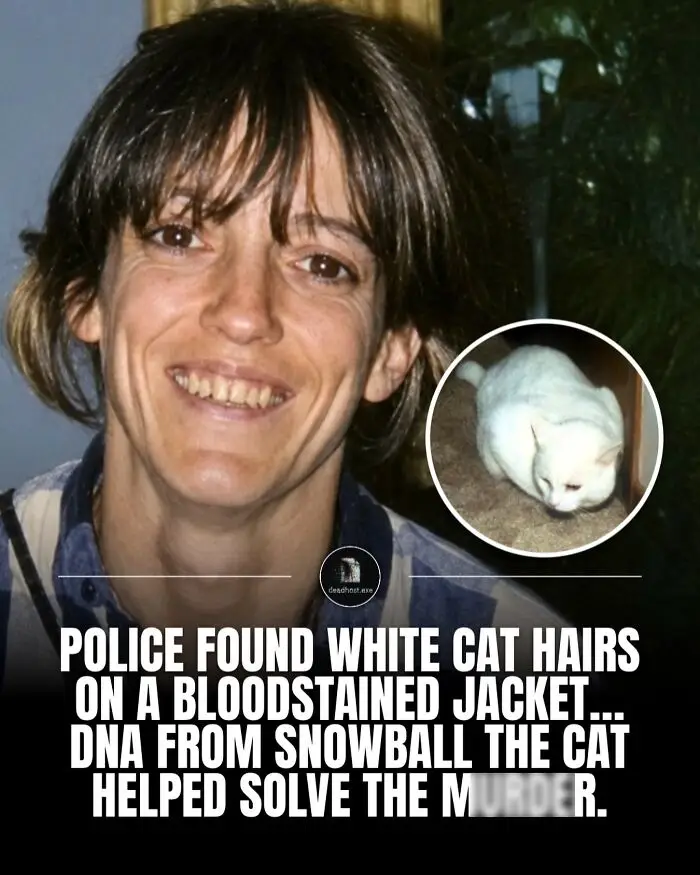
Detectives remembered that Shirley’s estranged partner, Douglas Beamish, lived in a home with a white cat named Snowball. Scientists developed a way to compare DNA from the hairs on the jacket with Snowball’s DNA, something that had never before been used as evidence in a criminal trial. The testing strongly linked the hairs to Snowball.
Beamish was convicted of second-degree m****r in 1996. The case became a landmark in forensic science because a household pet provided one of the most important links between the suspect and the evidence, opening the door for animal DNA to be used in later criminal investigations.
#8
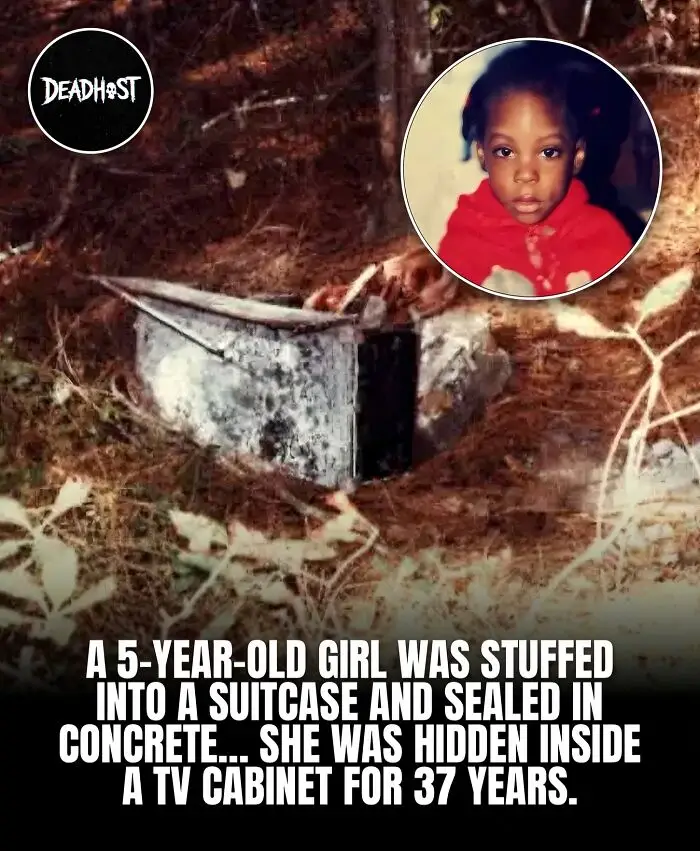
Years later, forensic genealogy finally identified her as Kenyatta “KeKe” Odom. Investigators said Kenyatta had been k****d in 1988, and prosecutors later accused her mother, Evelyn Odom, and her mother’s boyfriend at the time, Ulyster Sanders, of m**dering her and hiding her body in one of the most disturbing concealment cases imaginable.
The case hit hard because of how insane the image is. A child hidden in a suitcase, the suitcase encased in concrete, and the whole thing stuffed inside a TV cabinet for nearly four decades. In 2025, Evelyn Odom was convicted in connection with Kenyatta’s m****r.
#9
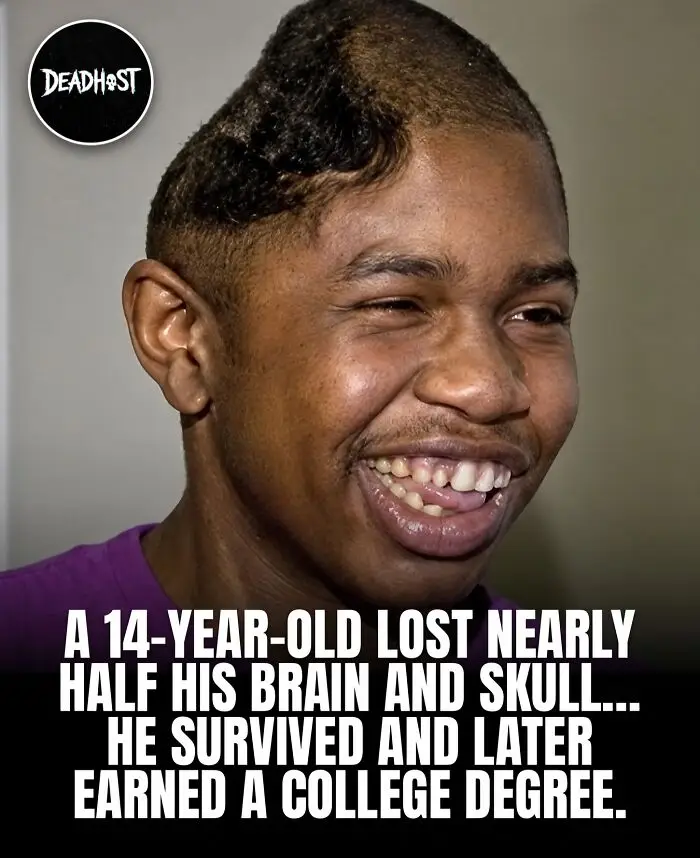
Ahad survived and gradually recovered many of his abilities despite the enormous loss of brain tissue. Reconstructive surgeon James Apesos later created a silicone implant to fill the missing portion of his skull, allowing his scalp to be reconstructed over it. Ahad continued using a wheelchair but retained his ability to communicate and reason.
His recovery went far beyond simply surviving. Ahad eventually attended college and earned a degree, while also appearing publicly to tell his extraordinary story. He lived until 2019, when he d**d at age 47. His mother later recalled a photograph she kept of Ahad smiling even though one side of his head was visibly missing.
DNA has since made the clever ones easier to catch. The Golden State Killer, whose crimes ran from 1974 to 1986, evaded police for more than 40 years. In 2018, investigators uploaded crime scene DNA to GEDmatch, a public genealogy site, and a genealogist spent months building family trees from his distant relatives.
They ended up at Joseph DeAngelo, a former police officer. A swab from his car door handle confirmed it, and he pleaded guilty to 13 killings in 2020. Somewhere, a stranger took a home DNA test out of curiosity about their ancestry and cracked a cold case.
#10

The cylinders were actually unshielded strontium-90 radioactive sources from abandoned Soviet-era radioisotope thermoelectric generators. Within several hours of being near them, the men developed nausea, headaches, dizziness and vomiting. Over the following weeks, severe radiation injuries began developing where their bodies had been closest to the sources.
All three were eventually hospitalized with radiation injuries. Two required lengthy specialized treatment abroad, and one remained seriously ill for more than two years before d***g on May 13, 2004, 893 days after the exposure. Recovery crews later had to approach the abandoned sources under tightly controlled conditions because of the radiation levels.
#11
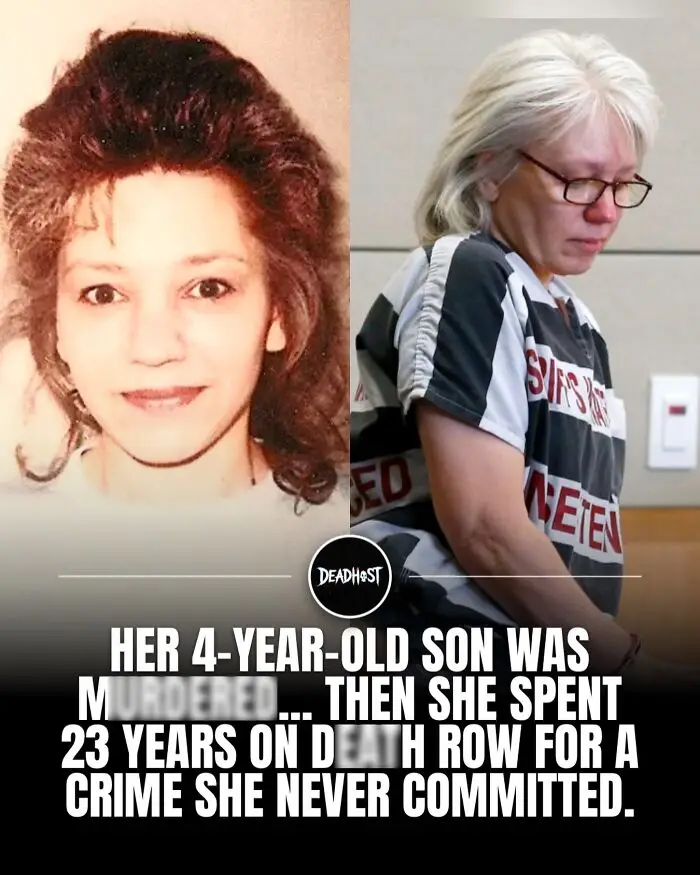
The case against Debra centered on Phoenix detective Armando Saldate’s claim that she confessed during an interrogation. The alleged confession was not recorded and no one else witnessed it. Debra denied ever confessing. She was convicted in 1990, sentenced to d***h and ultimately spent more than two decades on Arizona’s d***h row.
In 2013, a federal appeals court overturned Debra’s conviction after finding that prosecutors had withheld evidence concerning Saldate’s history of misconduct, including instances involving false statements and violations of suspects’ rights. Debra was released that year, and in 2015 the m****r charges against her were formally dismissed, ending a case that had kept her incarcerated for roughly 25 years.
#12
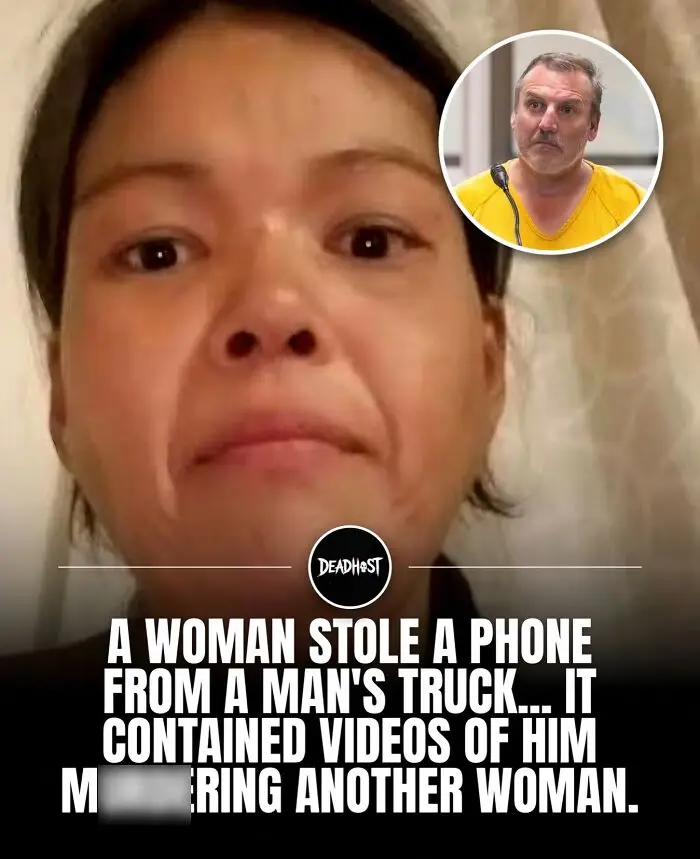
Investigators identified Kathleen from the footage and recovered her body near railroad tracks. While Smith was being questioned, he also admitted k*****g another Alaska Native woman, Veronica Abouchuk, about a year earlier. Police said the evidence on the device, along with Smith’s confession, ultimately connected him to both m**ders.
In February 2024, Smith was convicted on 14 counts, including two counts of first-degree m****r, a*****t, evidence tampering and misconduct involving a corpse. In July 2024, a judge sentenced him to 226 years in prison.
One way true crimers get their fix is by watching police bodycam footage. Body cameras went mainstream after the 2014 shooting of Michael Brown in Ferguson, Missouri. That December, the Obama administration proposed a $263 million package to help police departments buy them. An early study in Rialto, California, found use-of-force incidents fell 59%, and complaints against officers fell 87% in the year after cameras were introduced.
A later randomized trial in Washington, DC, covering roughly 2,000 officers, found no detectable change in either. The footage has still become some of the most closely watched evidence in modern courtrooms, even if the cameras haven't reformed anyone's behavior.
#13
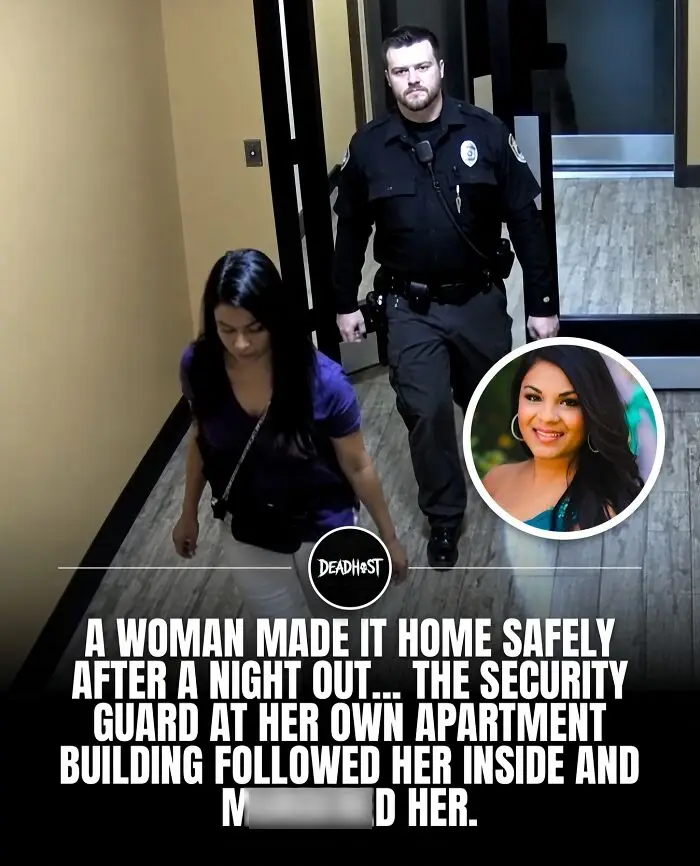
Sasha eventually entered the building behind another resident. Prosecutors later showed surveillance footage of Duxbury walking through the hallways with her and accused him of entering her apartment, attacking her and k*****g her. Investigators also found his fingerprints inside the apartment and DNA evidence on Sasha.
In 2017, a jury convicted Duxbury of first-degree m****r, attempted s****l battery and burglary. He was sentenced to life in prison. The case is especially chilling because the person whose job was supposed to help keep residents safe became the man convicted of k*****g her.
#14
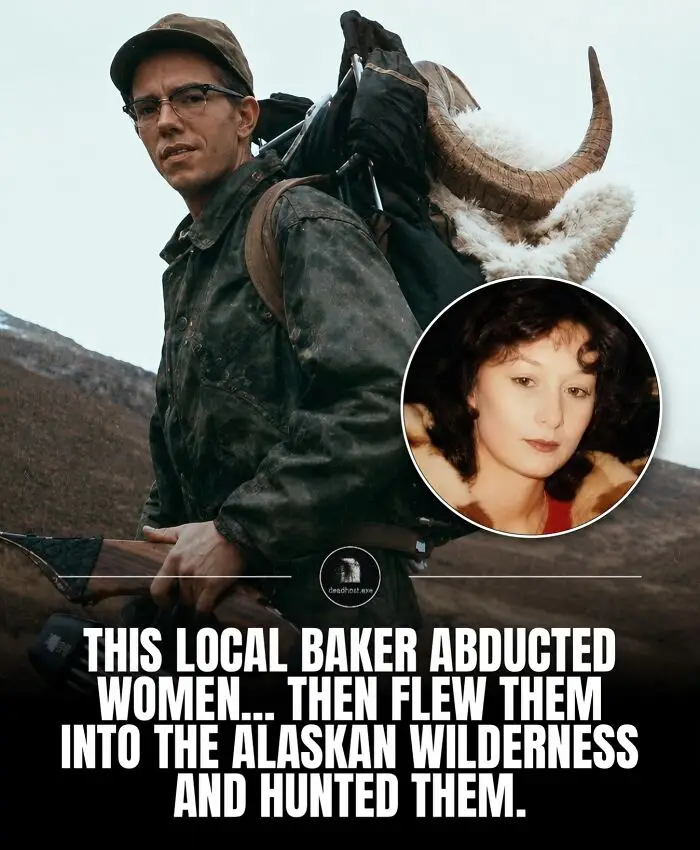
Hansen was an experienced pilot and hunter. Authorities said he transported victims into remote wilderness areas and, in multiple cases, released and hunted them. His crimes remained hidden for years until 17-year-old Cindy Paulson escaped in 1983 and gave police information that eventually led them back to Hansen.
A search connected to Hansen uncovered jewelry belonging to victims and a marked map tied to remote burial sites. Hansen ultimately confessed to k*****g 17 women and was sentenced to life plus hundreds of additional years in prison. He d**d in custody in 2014.
#15
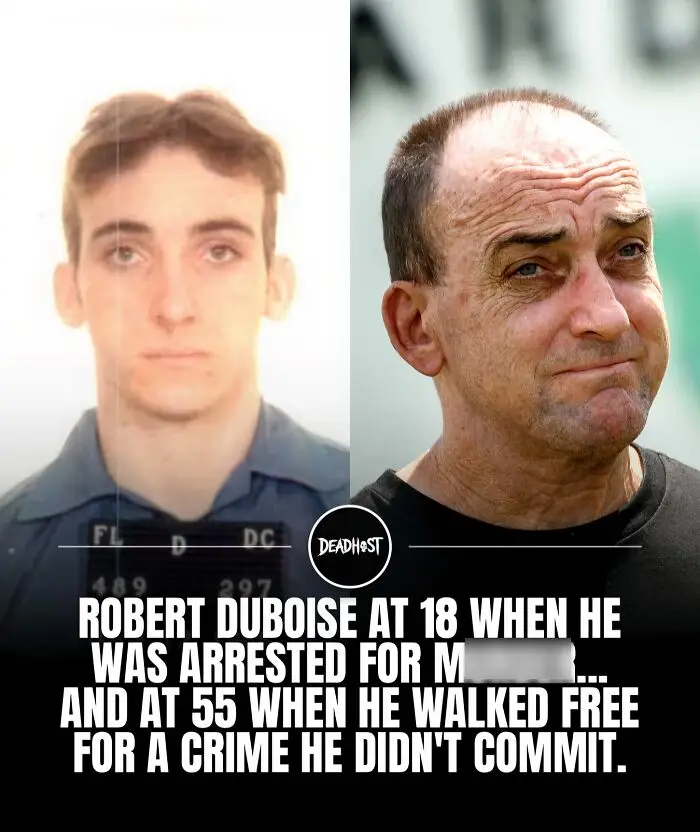
DuBoise spent three years on d***h row before his d***h sentence was overturned and replaced with life imprisonment. Decades later, experts concluded that the supposed bite-mark evidence used against him was scientifically unsupported and that the injury wasn’t even a human bite mark.
In 2020, biological evidence previously believed to have been destroyed was discovered and tested. The DNA excluded DuBoise and instead pointed investigators toward another individual. He walked out of prison at 55 after nearly 37 years behind bars and was officially exonerated weeks later.
Ring also has a cult following, and it began life as a product called Doorbot. Its founder pitched it on Shark Tank in 2013 and walked away without a deal. Amazon bought the company in 2018 for a reported $1 billion, and by 2021 more than 2,000 US police departments had partnered with the Ring app to request footage from residents. Amazon ended that request tool in 2024, but millions of doorbells are still filming every porch pirate and wrong-address visitor in America.
Dash cams are another favorite, especially in Russia, where drivers have adopted them to protect themselves from staged accidents and insurance scams. That habit is why the Chelyabinsk meteor in February 2013 was recorded from dozens of angles. The explosion injured about 1,500 people, mostly from shattered glass, and the footage was online within minutes.
#16
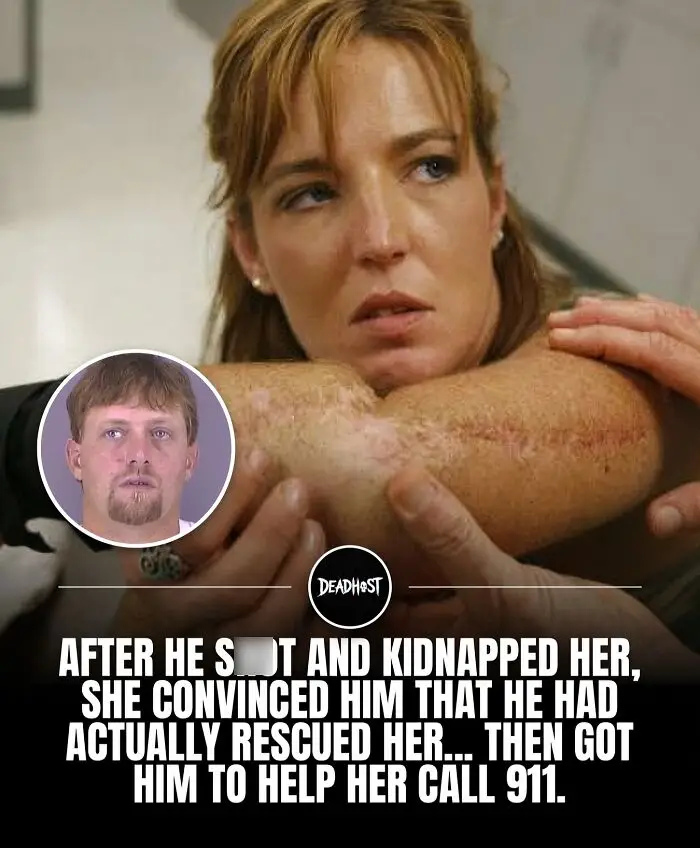
Despite severe injuries and blood loss, Jennifer realized she might be able to manipulate her captor. She began acting as though another man had attacked her and Parnell had actually rescued her. She thanked him for saving her, convinced him she trusted him, and eventually persuaded him to let her call 911 for medical help.
Jennifer maintained the story even while speaking with the dispatcher, telling 911 that the man beside her had rescued her. Eventually, she convinced Parnell himself to speak on the phone and provide directions to his isolated home. As Jennifer walked toward the arriving ambulance, a SWAT team moved through the surrounding woods and arrested Parnell. He later received two life sentences.
#17
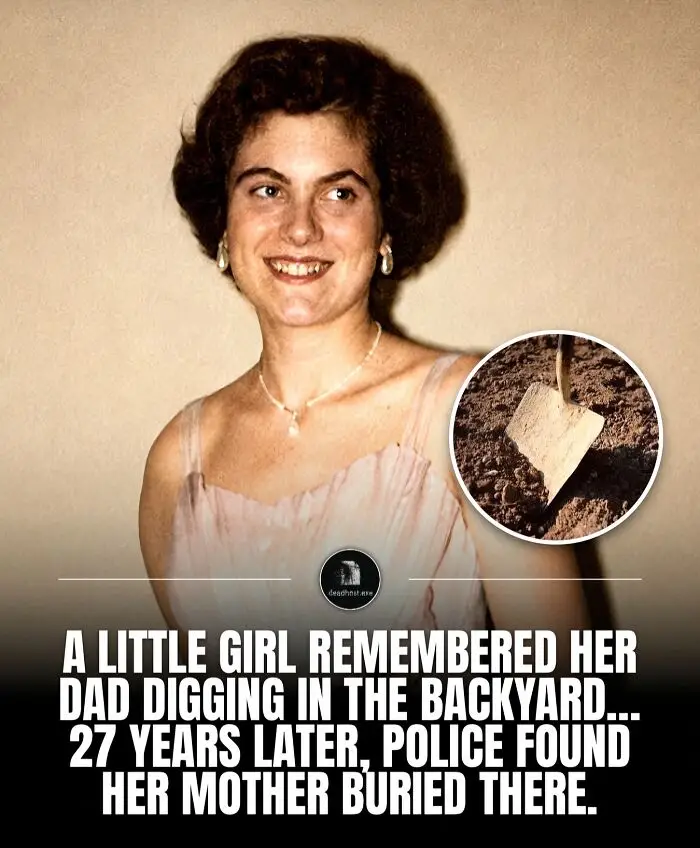
Decades later, Lori told investigators that when she was about five years old, she remembered seeing her father attack DiAnne and later seeing him digging in the backyard while her mother lay nearby. In 1993, police searched the former family property and recovered human remains from the area Lori had described. They were identified as DiAnne.
Gene Keidel was eventually convicted of first-degree m****r in 1995 and sentenced to life in prison. The case became especially haunting because a fragment of memory held by a small child for nearly three decades ultimately led investigators back to the exact place where her mother had been hidden.
#18
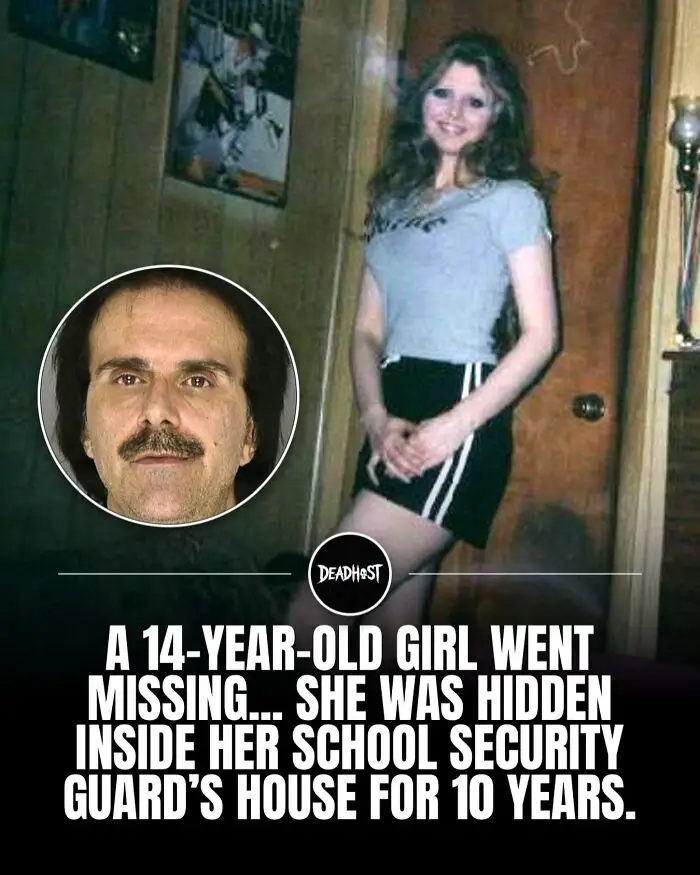
Instead, she had been taken to Hose’s home, where she was kept hidden from the world for nearly 10 years. She spent much of that time isolated inside the house, cut off from friends, family, and any normal life, while Hose controlled nearly everything around her.
In 2006, Tanya finally escaped and asked a neighbor for help, ending one of the most disturbing captivity cases in Pennsylvania. Hose was later convicted and sent to prison. Tanya has since spoken publicly about surviving the a***e and rebuilding her life.
So why do we read all this at midnight? In a study, psychologists Amanda Vicary and R. Chris Fraley of Illinois Wesleyan University found that women were drawn to true crime stories that focused on the victim and included details of how someone might have survived or escaped. The researchers suggested the genre works as informal self-defense education. You think you're winding down, but you're picking up escape routes in the back of your mind.
#19
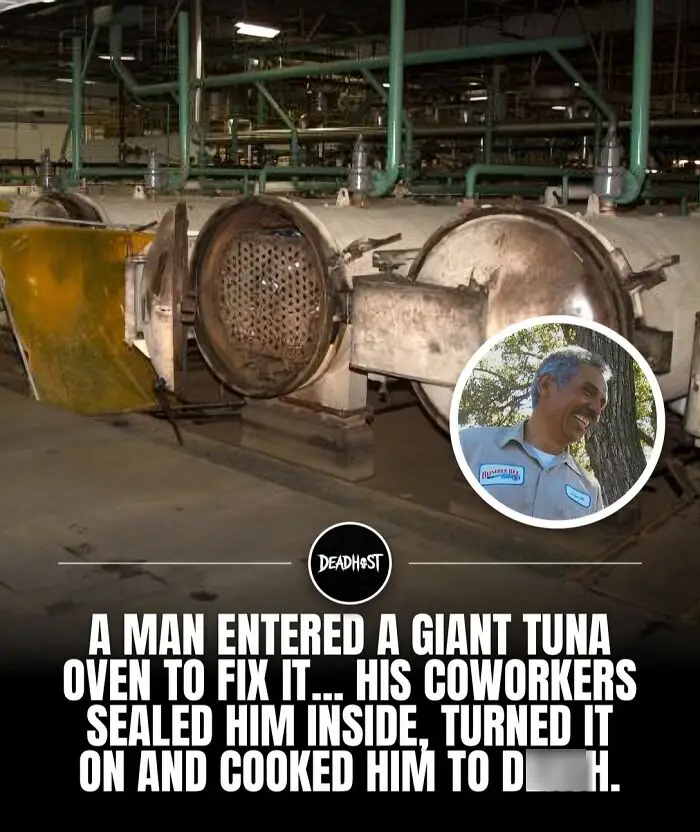
When Jose’s supervisor noticed he was missing, he asked another employee to finish loading the oven while he searched for him. The coworker had no idea Jose was still inside. Workers pushed approximately 12,000 pounds of canned tuna into the enormous machine, sealed its heavy metal doors and activated the pressurized steam. The temperature climbed toward 270 degrees Fahrenheit. Meanwhile, employees searched the factory and parking lot, unaware that Jose was trapped inside the operating cooker.
After roughly two hours, workers finally shut down the machine and discovered Jose’s body inside. He had d**d from thermal burns. Investigators found that the factory lacked adequate safety procedures to prevent workers from being trapped inside the ovens. In 2017, Bumble Bee Foods pleaded guilty to a workplace safety violation following a $6 million settlement that included equipment upgrades and compensation for Jose’s family. California investigators also released actual photographs of the enormous oven and its interior, documenting the machinery where Jose lost his life.
#20
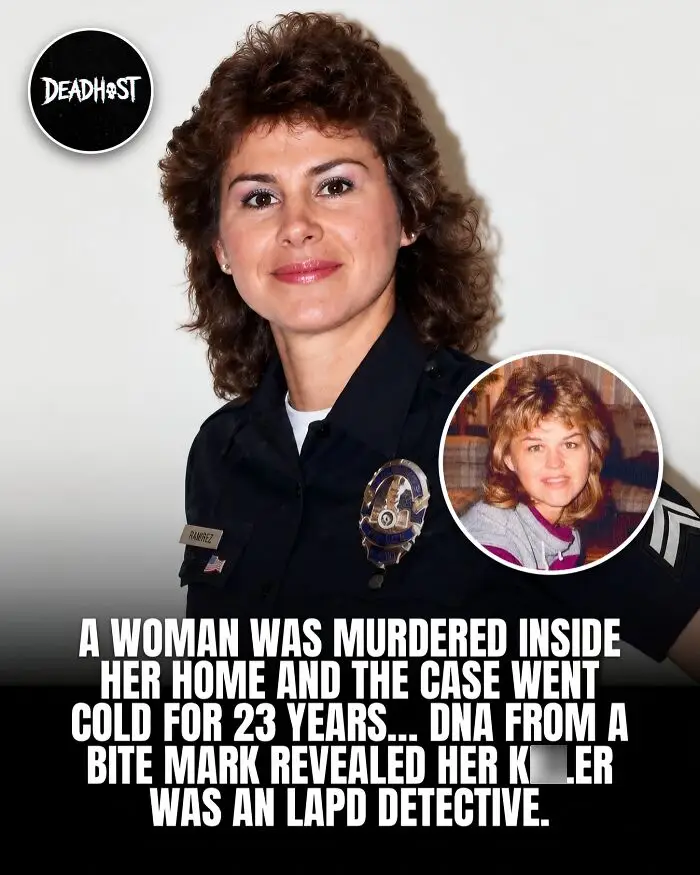
Among the evidence preserved from Sherri’s body was a saliva sample collected from a bite mark on her arm. Years later, DNA testing revealed something that contradicted the original burglary theory: the person who left the saliva was a woman. When investigators finally focused on Lazarus, undercover officers followed her and recovered a discarded drinking cup and straw. The DNA matched the evidence from Sherri’s bite mark.
Lazarus was arrested in 2009, by which point she had spent decades with the LAPD and become a detective. In 2012, a jury convicted her of Sherri’s m****r, more than 26 years after the k*****g. She was sentenced to 27 years to life.