









Nighttime is for horrors and discovering how frightening the world really is. We aren’t talking about ghosts and other paranormal phenomena. They haven't YET been added to the library of proven scary facts. We are here to take a look at the scientifically proven horrors. The ones that we can’t deny or run away from. And unfortunately (or luckily for all you dark copers out there), there are many creepy facts about humans and the Earth we live on.
Human bodies might work in creepy ways, but they can’t beat the frightening things our minds have done. For example, one of the scariest facts on our list touches upon the horror movie Poltergeist. This might come as a shocker to you, but the corpses you saw in the movie — those were actual human remains. With this scary fact in mind, you might watch the movie from a different perspective. Or never watch it again.
However, to truly make your sleep feel more like a nightmare, you should know the dark facts about Earth and its inhabitants. Crows, for example, can remember and recognize human faces. On the other hand, some scary facts touch upon geography. Mount Everest, the highest mountain above sea level, is also the world’s highest graveyard. Approximately 150 bodies are resting on this giant of a mountain. All of whom will likely never be recovered.
Ready to get scared? If so, turn off the lights, cozy up in your bed, and delve into the scary and disturbing facts we have compiled below. Also, we advise you to stick till the end because, throughout the post, we explore how scary facts affect sleep and why the ocean might be the most terrifying place on Earth!
#21

King Charles II drank alcohol mixed with pulverized human skulls.
104points
#22

Some ants turn into zombies via parasitic fungus which manipulates their brains.
Report
103points

#24
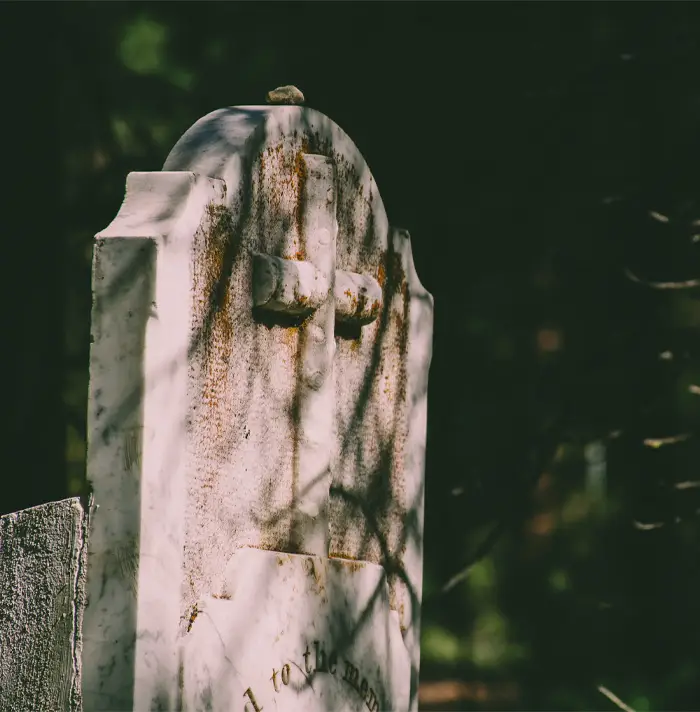
Arrhythmic death syndrome is a sudden condition where someone seemingly healthy dies suddenly with no apparent cause of death.
Report
100points
#25
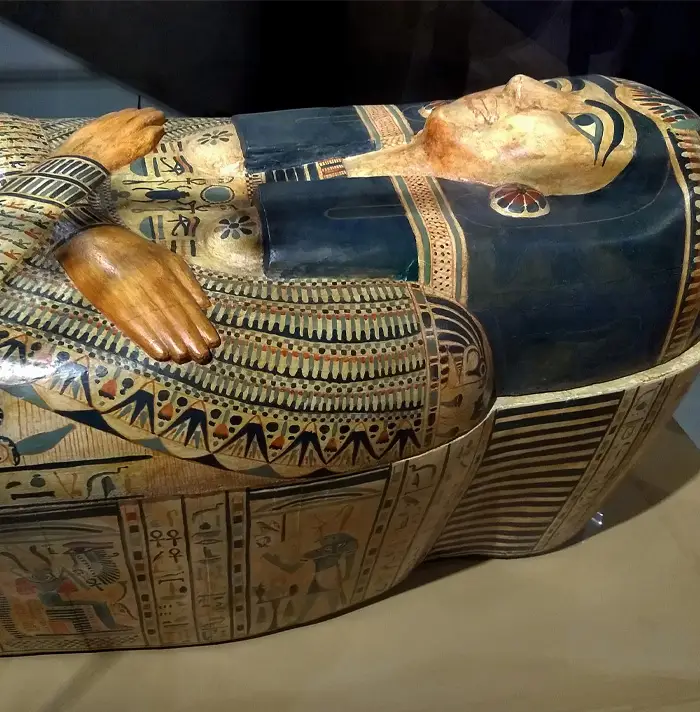
During the mummification process, Ancient Egyptians remove the brain through one of the nostrils.
96points
#26
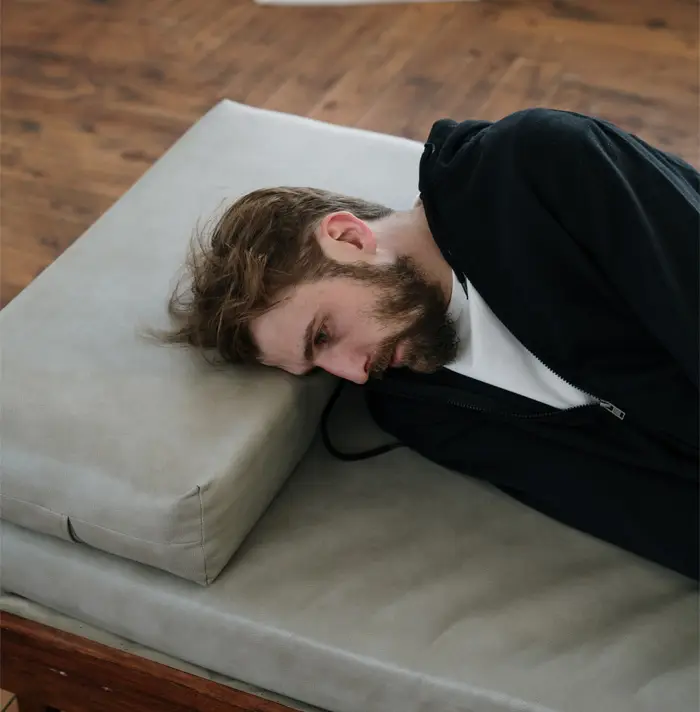
People with Cotard's syndrome believe that parts of their body are missing, or that they are dying, dead, or don’t exist. They may think nothing exists.
96points
#27

Criminologists estimate that there's a 1-in-3 chance police will never identify your killer if you're murdered in the US.
Report
92points
#28

Fatal familial insomnia makes it impossible for someone to sleep for months.
Report
91points
#29

You’re more likely to die on your birthday. The chance someone will die on their birthday is 6.7 percent, which is higher than any other day.
Report
86points
#30
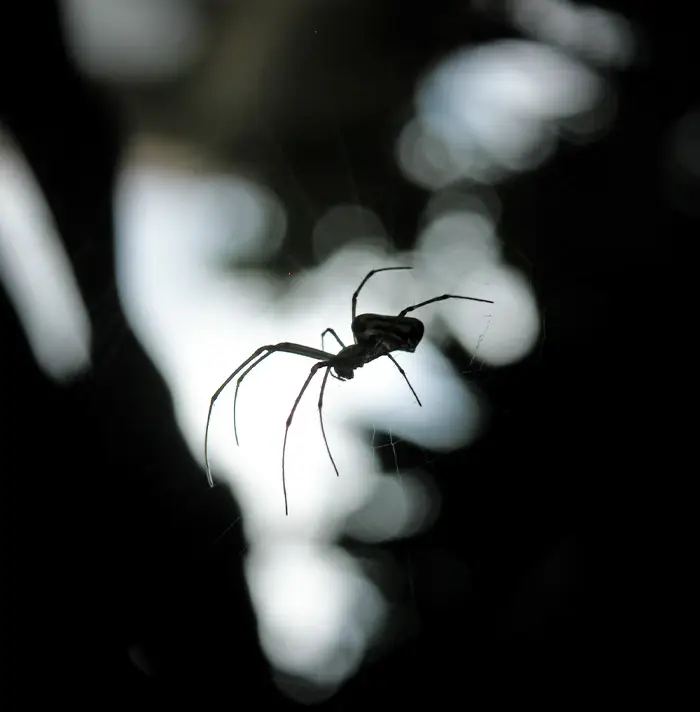
Some female spiders allow their young to eat them alive.
Report
85points
#31
Indian followers of the Zoroastrianism don't bury or burn their dead. Instead, they leave the bodies exposed to the rays of the sun, and the corpse is consumed or devoured by birds of prey — vultures, kites, crows.
Report
36points
#32
In some European cultures it was customary to place the dried or desiccated body of a cat inside the walls of a newly built home to ward off evil spirits or as a good luck charm.
Report
35points
#33
Based on a 2006 report by the National Academies of Science’s Institute of Medicine, in the U.S. alone poor handwriting on prescription notes leads to over 7,000 deaths and 1.5 million medical errors.
Report
35points
#34
Despite making up close to 5% of the global population, the U.S. has more than 20% of the world’s prison population.
Report
35points
#35
Decorations made from human bones adorn the interior of the Sedlec Ossuary.
The “Bone Church” contains the bones of around 40,000 different people. These bones are all arranged in different forms, such as garlands, altars, and even a chandelier.
The “Bone Church” contains the bones of around 40,000 different people. These bones are all arranged in different forms, such as garlands, altars, and even a chandelier.
Report
34points
#39
A homicide archivist Thomas Hargrove estimates that there are over 2,000 serial killers at large right now.
Report
33points
#40
An estimated 6.5 million people in the United States have an unruptured brain aneurysm, or 1 in 50 people.
Report
33points