



For the vast majority of people, some fear and stress are natural and unavoidable parts of life. They are what help keep you alive and well.
How you react to these things, however, can be deeply personal. But broadly speaking, there are four main responses to acute stress. These are: fight, flight, freeze, and fawn. You’ve likely heard of the first two, but the latter two are very real and relatable, too.
Specifically, your fight response kicks in and urges you to be physically aggressive to overcome the danger.
Your flight response makes you want to run away from the threat.
Your freeze response leaves you unable to move, stuck in place.
And your fawn response, which relies on your social skills, urges you to try to please the threat to avoid conflict.

#5 The Absolutely Creepy-Looking Tiki That Someone Found On Google Maps Located In France

Plaintly put, your body and mind are trying to maximize your chances of surviving dangerous and risky situations. The way this happens is by picking strategies that give you the best odds of overcoming serious challenges in the given context.
Specifically, if you are in a situation where you can realistically defeat the source of danger, your body might opt for the fight response. Similarly, if the threat is something you can realistically outrun, you’ll probably default to a flight reaction, and so on. Your body and mind react to maximize your chances of overcoming the danger, whatever response you eventually take.
#7 This Picture Of North Korean Refugees Trying To Enter The Japanese Consulate In China To Seek Asylum

#8 Sinkhole In Cornish Backyard Leads 300ft Down Into Medieval Mineshaft

#9 8 Year Old Christian Golczynski Receiving The Flag From His Fathers Military Funeral Is The Most Haunting In My Mind

The fawn response, identified by researchers most recently, often covers up the distress you’re feeling inside due to trauma, WebMD explains.
Most commonly, when you fawn, it is your body’s emotional reaction that prompts you to be highly agreeable to the person who is being violent toward you.
Some of the most common signs of fawning include having little to no boundaries, being vulnerable to narcissists, being easily controlled and manipulated, and being overdependent on the opinions of other people.
In short, being overly helpful and agreeable is a survival strategy often seen in people who grew up in narcissistic households.
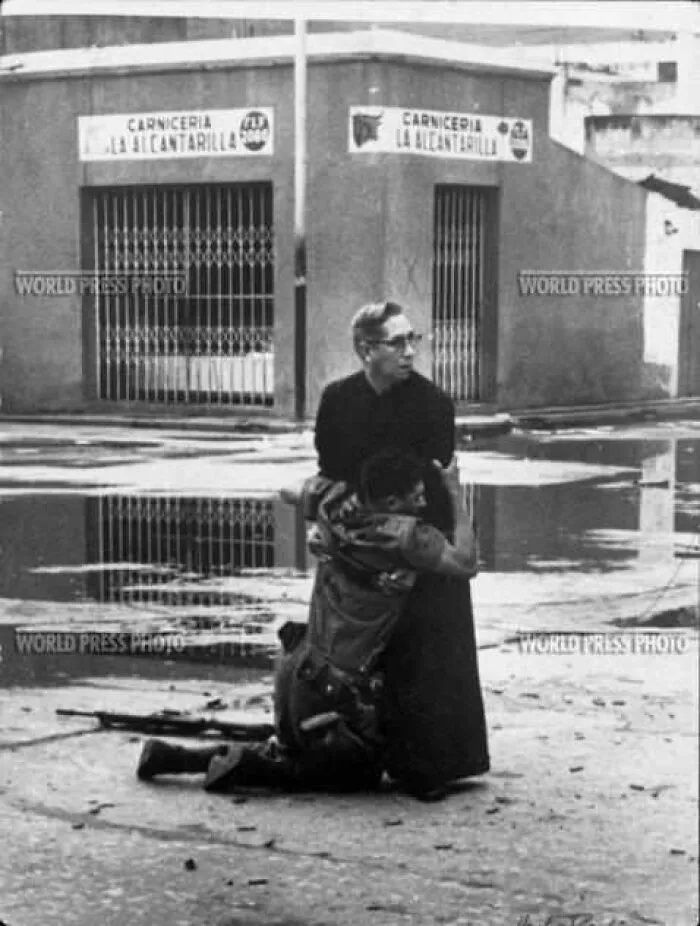
#10 I'm Not A Religious Person, But This One Always Gets To Me. A Catholic Priest Giving A Soldier The Final Rites In The Middle Of Sniper Fire
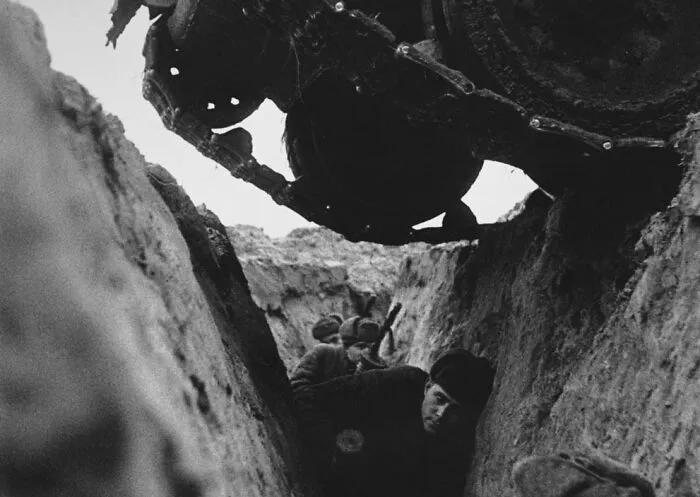
#12 North Korean Man Saying Goodbye To His South Korean Brother
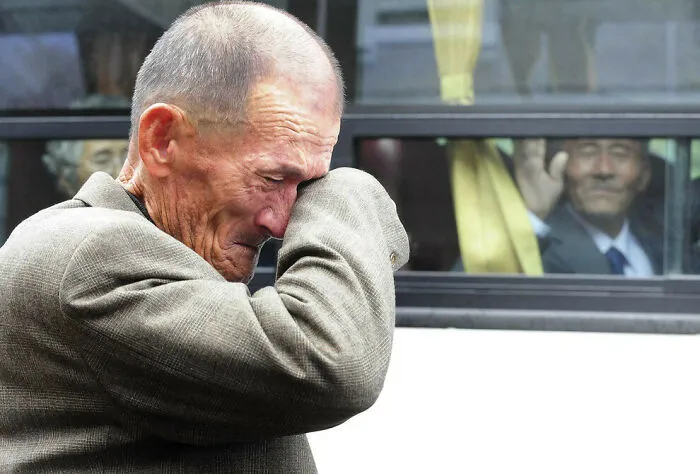
If I remember the one outside the bus is the the southern brother, He most likely knows how bad the other guy's life is, whereas the NK brother is big on the juche way of life and can't wait to go back to the farming collective to serve glorious leader
A few ways to manage and control your response to stress include the following:
- Focusing on your environment
- Reciting affirmations, songs, or poems
- Doing mental calculations
- Reminding yourself that you are safe
- Visualizing yourself overcoming your fears
- Focusing on steady breathing
- Touching or holding on to an object
- Putting weight on your heels so that you physically connect with the ground
- Tensing your body and then slowly releasing it from head to toes
- Thinking about your happy place
- Treating yourself to something comforting
- Speaking positive affirmations or coping statements
#13 The Picture Taken From The Top Of Reactor 4 Of Chernobyl The Day After The Accident
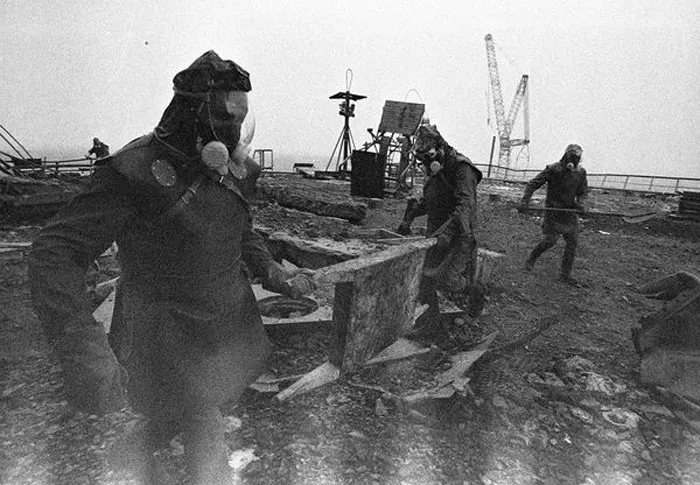
#14 A 17 Year Old Recruit For Azov Battalion In Ukraine Saying Goodbye To His Friends

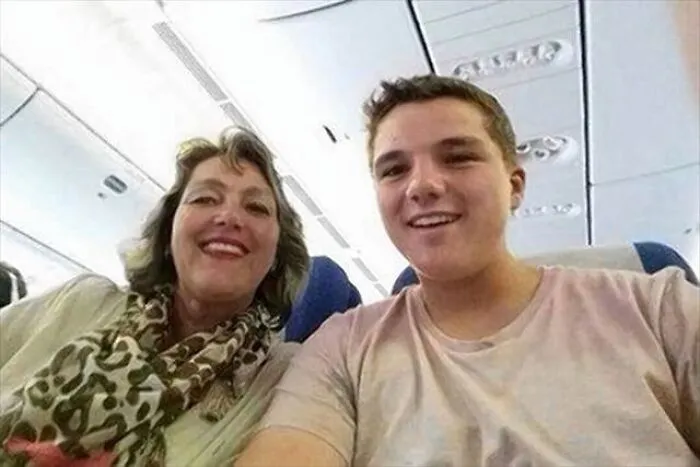
#15 Mom And Son Took A Selfie Aboard Doomed Malaysia Airlines Plane Before Takeoff
Even though fear helps you survive, there’s something very wrong if you’re constantly anxious or scared. There are times when your mind perceives threats where there are none (for instance, seeing scary pictures or reading spooky stories, which are harmless) or exaggerates the danger (for example, you get incredibly scared over a job interview). And then of course there are phobias, which are irrational fears.
If you get to the point where your chronic fear starts interfering with your daily life (your work, studies, sleep, relationships, etc.), it’s time to change something. And, potentially, this might involve reaching out to a therapist for help.
However, if you’re still on the fence about seeing a specialist, there are still many things that you can do. You’re not as powerless as you might think.
#16 A Sick Little Girl Being Comforted By Her Mother In The Aftermath Of The Chernobyl Disaster. It Made Me Bawl The First Time I Saw It

#17 My Girlfriend’s Grandmother Found Some Old Pictures From When My GF Did Cheer In School. This One Developed Weird And Came Out Absolutely Terrifying

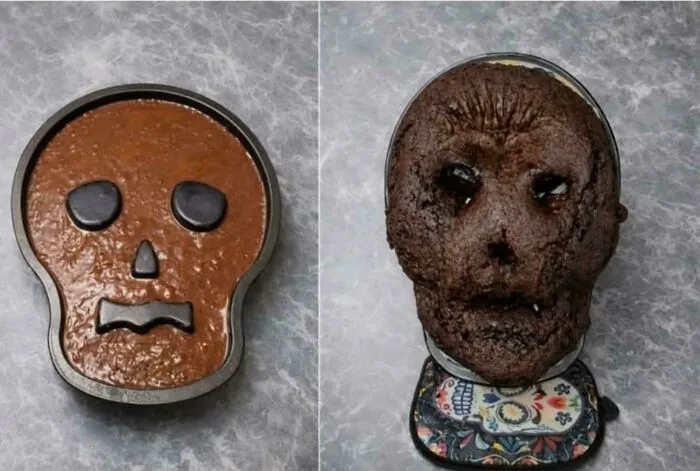
#18 Someone Attempted A Skull Cake, But It Came Out Looking Like An Ancient Pharaoh
One of the most effective things you can do for your body and mind is to find ways to calm down. It’s difficult to think when you’re constantly on edge. So, you have to look for ways to get some proper rest.
The NHS suggests doing everyday calming activities like going for a walk outside, making a soothing cup of tea, taking a bath, and doing breathing exercises. You can also distract yourself by consuming funny and lighthearted content.
Taking care of your physical and mental well-being helps you become more resilient to stress, too. Eat a balanced diet, get regular exercise, stay hydrated, and fix your sleep. Spend time away from screens and in nature. Meet up with your friends.
Furthermore, treat yourself to find joy in your daily life. Treat yourself to a nice meal. Get a massage. Go see a movie at the cinema. Go on a fun weekend trip.