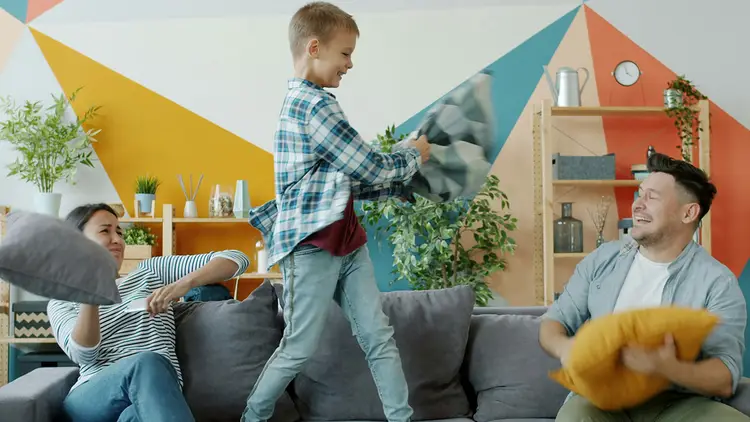



#1

NO MOM GOD PLEASE NO
ok then, let's act right.
#2

#3
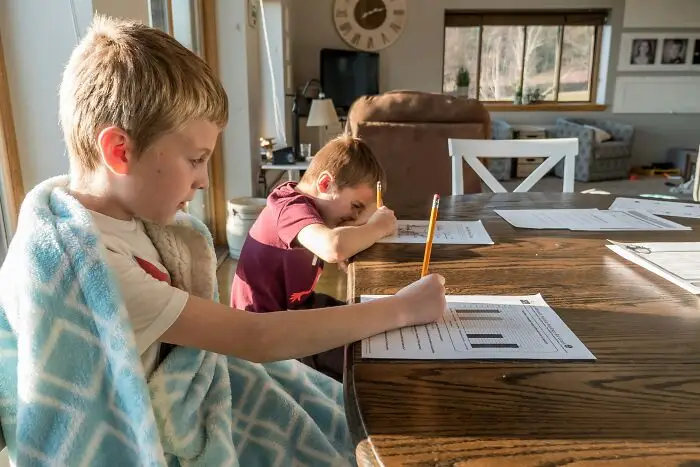
Most of the parenting hacks on this list are unconventional because none of the parents seem to be babying their children.
Many have actually espoused an approach known as RIE parenting, a trust-based approach that treats infants and toddlers as capable, autonomous people who deserve the same respect as adults.
#4

#5
#6

Infant-development expert Magda Gerber first introduced RIE parenting in 1973. RIE stands for Resources for Infant Educarers, a nonprofit organization based in Los Angeles.
Author and educator Janet Lansbury is one of the many proponents of the RIE parenting method. As she explains, this approach builds parents' awareness by encouraging them to observe a child and give them space to show who they are and what they need.
#7
#8
#9

“RIE parenting also makes us more self-aware,” Lansbury said. “Through our sensitive observations, we learn not to jump to conclusions; for example, that our babies are bored, tired, cold, hungry, or want to hold the toy they seem to notice across the room.”
Lansbury adds that the method also helps parents learn to differentiate a child’s signals from their own projections. In effect, they become more aware of the habits they create that can become the child’s needs.
#10
We’d pick out junk food, watch a funny movie, and give them permission to feel sad, frustrated, or angry…without judgment or pressure to feel better.
But when the movie ended, so did the pity party. It was time to pick ourselves up and move forward.
Those moments taught them that emotions should be acknowledged, not ignored, but they don’t have to define us. We could face hard things together, then take the next step, even if we weren’t completely okay yet.
#11

#12
I think it’s easy for us parents to just step in and “help” and it makes our kids too dependent on us to fix their problems. They usually do it on their own within those tries. But if they do need help I still want them to come to me. It’s just a nice and easy reminder.
For parents who want to implement the RIE method into their own approach, Lansbury offered some tips. Her first piece of advice: communicate authentically.
This means speaking in your real voice and talking about real things that relate to the child.
“We encourage babies to build communication skills by asking them questions, affording them plenty of time to respond, and always acknowledging their communication,” Lansbury said.
#13

#14
A few months ago, I accidentally left a whole plate of my son's favorite mini muffins on top of the car and drove away. My son was a little sad he didn't get to eat them but he thought it was great that the birds were going to have a huge party. "They're going to be talking about this day forever because usually they just get crumbs but today? They got 5 whole muffins!"
I've avoided so many toddler/preschooler meltdowns over the years. Definitely my favorite/most used parenting trick.
#15
Parenting doesn't come with an instruction manual (yet), and some days will require thinking outside the box. Apart from a ton of patience, that may include ideas that seem ridiculous but work really well.
Of course, not every hack on this list will work on every child. Still, you can’t help but admire the genius behind some of these ideas. Parents, have you ever come up with these unusual tricks of your own? Share them in the comments!
#16
We forget that our kids don’t know the plan unless we actually tell them, so it’s really jarring if they’re having a great time playing while you get lunch ready then suddenly you just pick them up and plonk them in a high chair. Because they didn’t know they were playing until lunch was ready. They just thought it was playtime. When you put them down to play, say “you can play here until i’ve finished making lunch, then we’ll eat lunch at the table”. Find several excuses to remind them while they’re playing - “I’ve made us some sandwiches and now I’m cutting up fruit - when that’s done we’ll eat lunch at the table!” “It’s nearly time to come to the table and eat lunch! I’ll help you pack up in two minutes” (use a sand timer if you have one!) “the lunch is ready, let’s pack up together now and go to the table and eat!” Then as soon as you get to the table “this is good, isn’t it? When we’ve finished all our food it will be time to get ready to go to the library!” Etc etc. all day long. Make sure they always know what the next “thing” is. I first read about this when my daughter had just turned two and I figured she’d be too young for that kind of reasoning, but tried it anyway. It was LIFE CHANGING. Let them in on the plan. And if you don’t have a plan, make one up.
#17

#18

#19

#20