

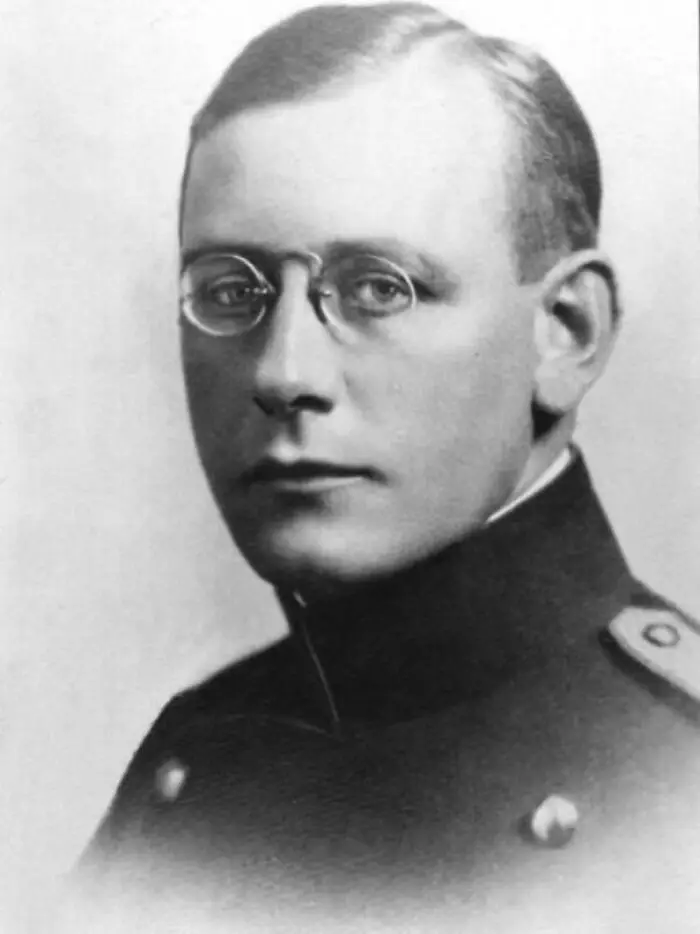
#1 From 1938 To 1939, Swiss Border Commander Paul Grüninger Falsified 3,600 Jewish Refugees' Passports To Help Them Enter Neutral Switzerland
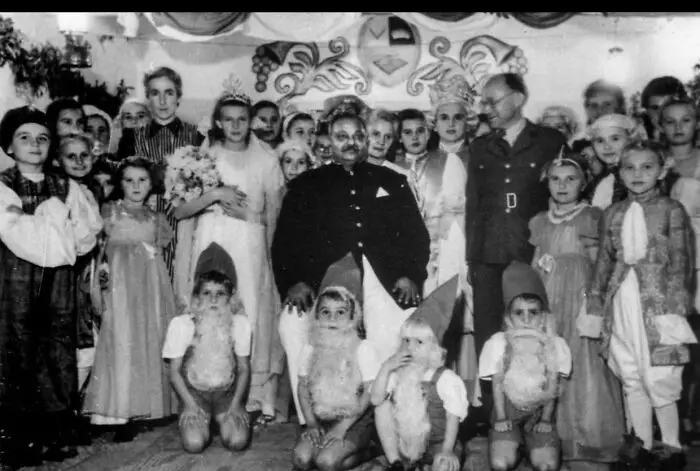
#2 During WWII, Maharaja Jam Sahib Digvijaysinhji Ranjitsinhji Of Nawanagar (India) Saved Over 1,000 Polish Children And Women Refugees
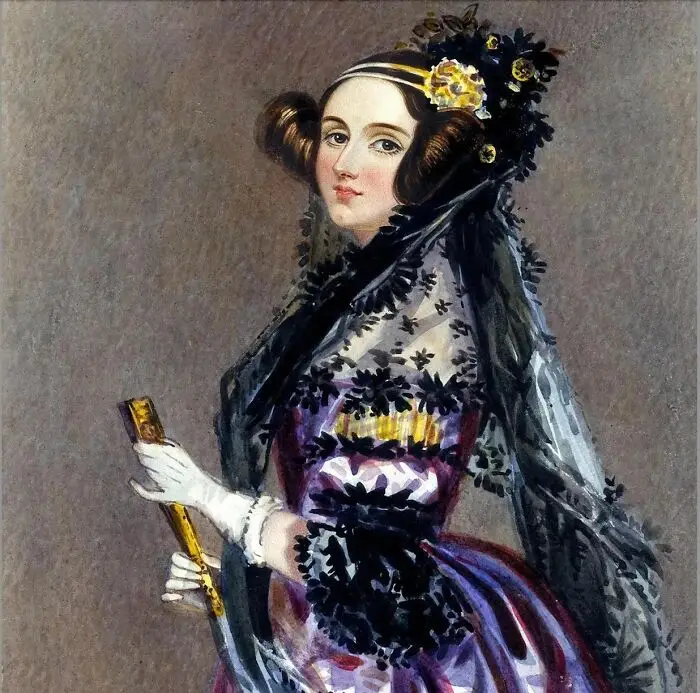
#3 The First Known Computer Programmer Was A Woman. In The 1840s, Ada Lovelace, An English Mathematician, Wrote The First Algorithm
The simplest reason is that real history is packed with stories that sound far too strange to be true. Take the Great Emu War of 1932. A drought pushed a huge flock of emus into the wheat fields of Western Australia, and the farmers there asked their government for help.
The army showed up with machine guns and plenty of confidence, and the birds simply scattered in every direction. In the end, a bounty system ended up doing a better job than the military did. Nobody would dare pitch that plot to a movie studio, yet it really happened.
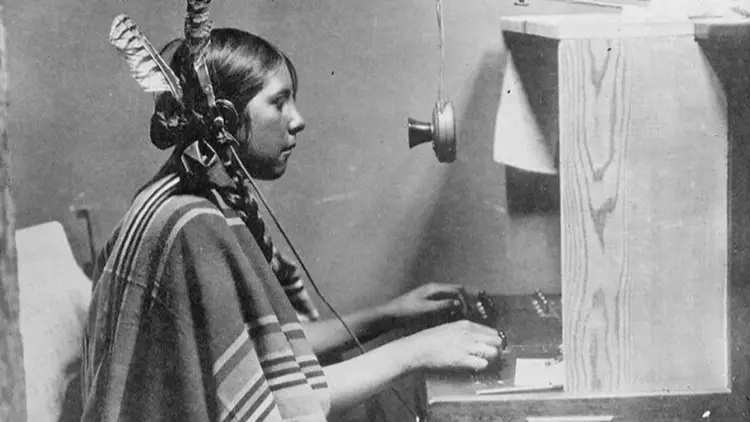
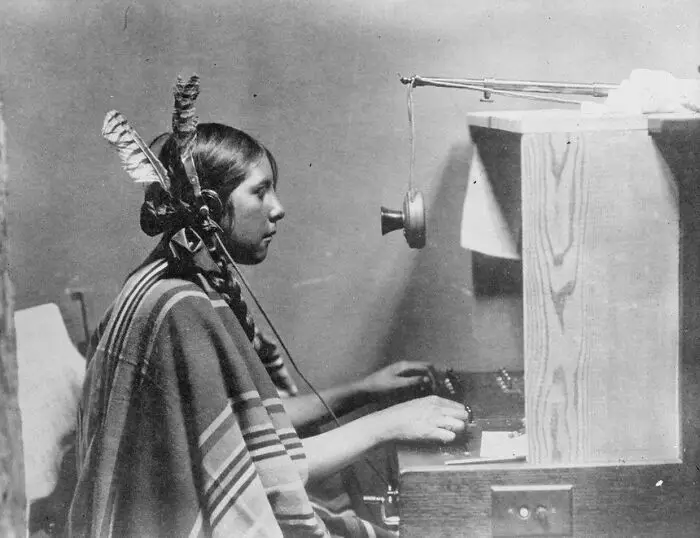
#5 Helen, A Native American Telephone And Switchboard Operator, Montana, 1925
Another hook is how history scrambles your sense of time. Cleopatra is often pictured alongside the pyramids, but the Great Pyramid was finished around 2560 BCE, which puts it roughly 2,500 years before her day. The moon landing, meanwhile, came only about 2,000 years after she passed. In other words, she lived closer to the Apollo missions than to the people who built the monument.
#7 Kids With Their Bestfriend Dog At Water Fountain On A Hot Day, 1938 By Harris W. Nowell, USA

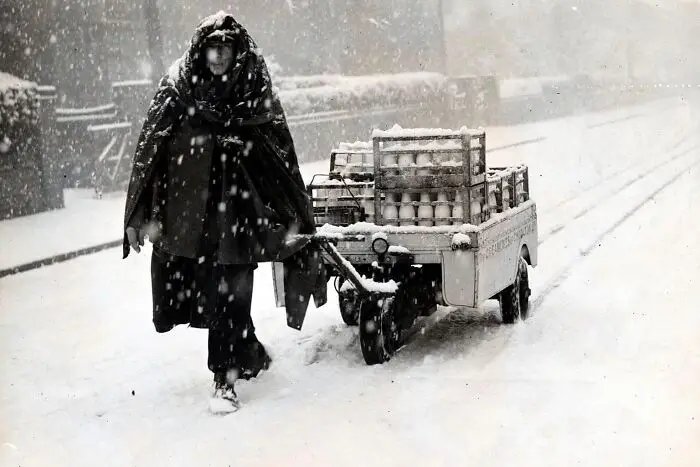
#8 The Milk Man Out Delivering In A Snow Storm, Manchester, Great Britain, 1946
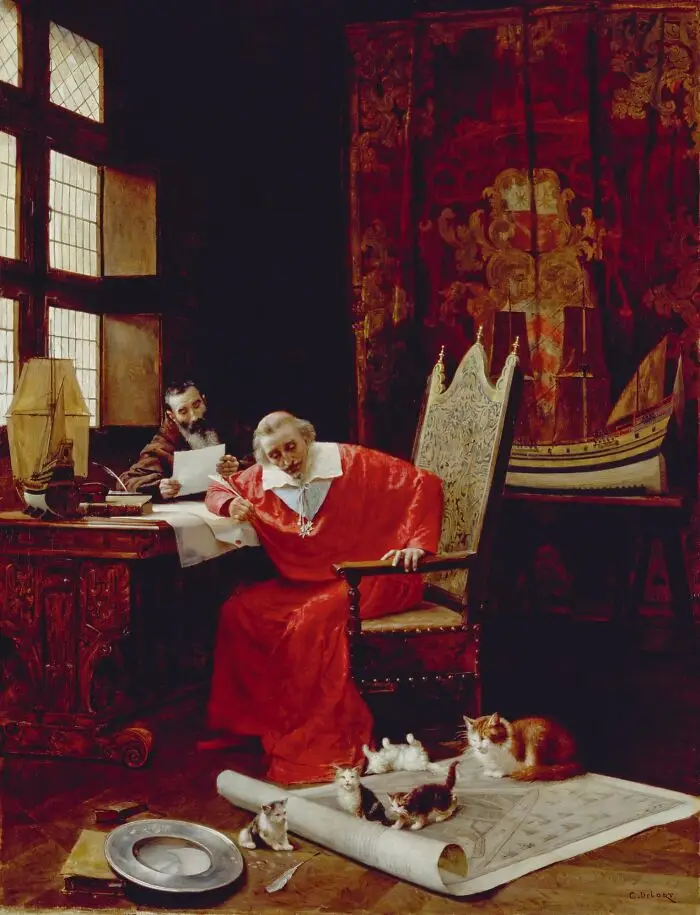
#9 Cardinal Richelieu Was A Huge Cat Person, Residing With 14 During The Time Of His Last Days
Then there are the woolly mammoths, a small herd of which survived on a remote Arctic island called Wrangel, as Discover Magazine notes, while Egypt was busy raising its pyramids. Facts like these do not need a lecture. They simply make you stop scrolling and say wait, what?
History also works like a mystery novel where the case is still open. In July 1518, a woman in Strasbourg started dancing in the street and did not stop, and within weeks hundreds of people had joined her. City officials, in a move that backfired, hired musicians in the hope that more dancing would cure the problem.
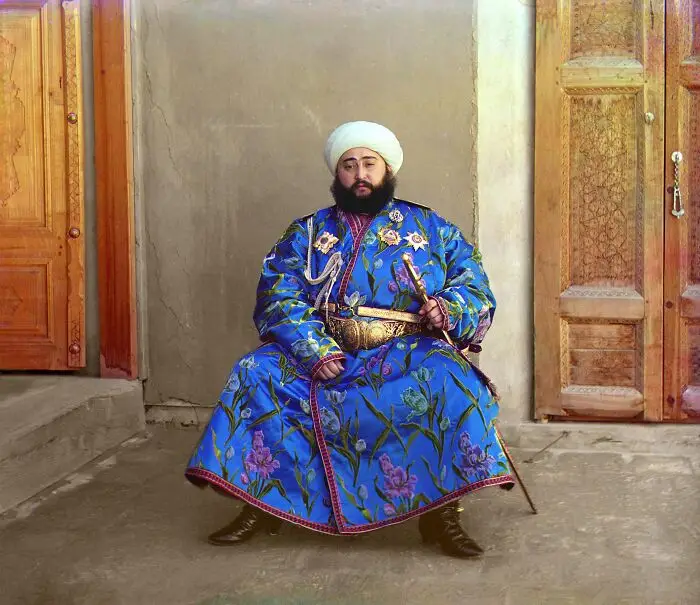
#10 A True Color Photo From 1911. Because Photographer Had To Take 3 Separate Shots In Succession, The Emir Was Absolutely Unable To Move
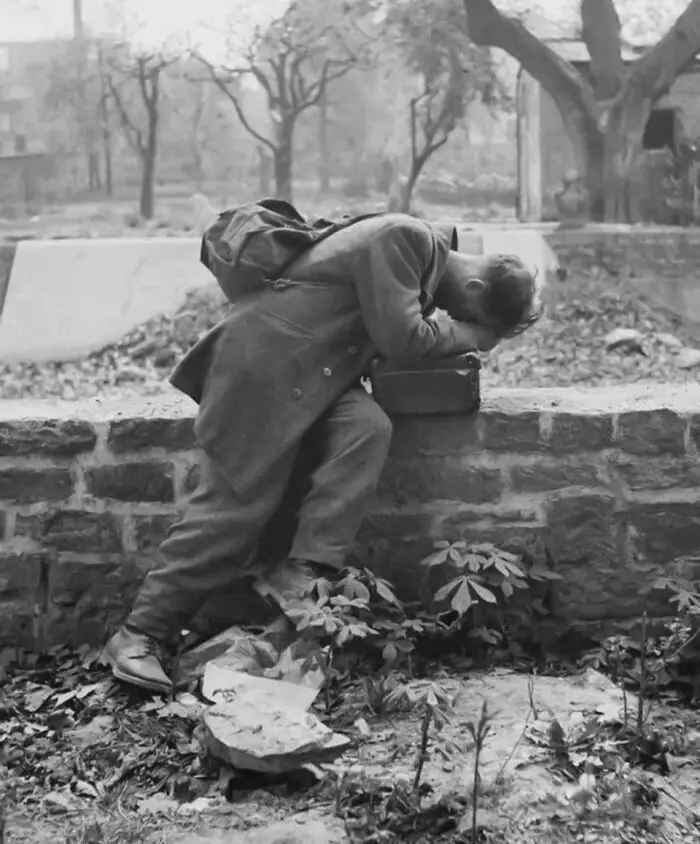
#11 German Soldier Returns Home From War Only To Find His House In Ruin And His Family Perished. Frankfurt, 1945
#12 A Famous Photograph Of A Little Girl Turning Away From The Loom To The Window. This Picture Became A Symbol Of The Struggle Against Child Labor, USA, 1908

Historian John Waller has spent years studying the episode, and Popular Science walks through the leading theories about what really happened. More than five centuries later, nobody can say for sure, which is part of the fun. You get to play detective with evidence that is hundreds of years old.
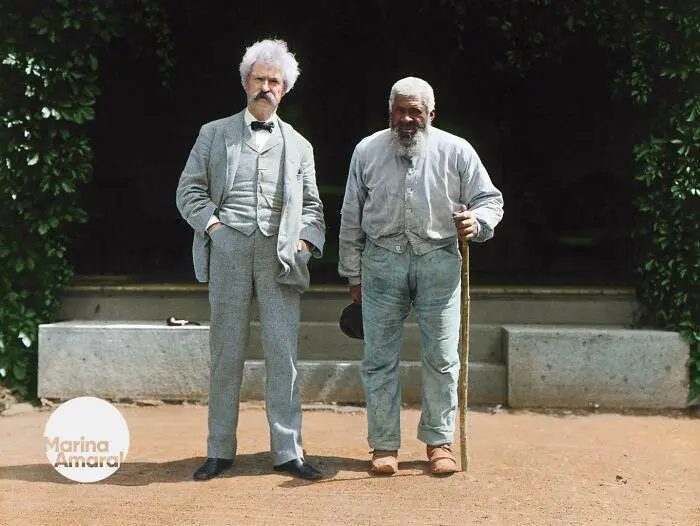
#13 Mark Twain And His Long-Time Friend John T. Lewis, The Inspiration For The Character "Jim" In "Huckleberry Finn", New York, 1903
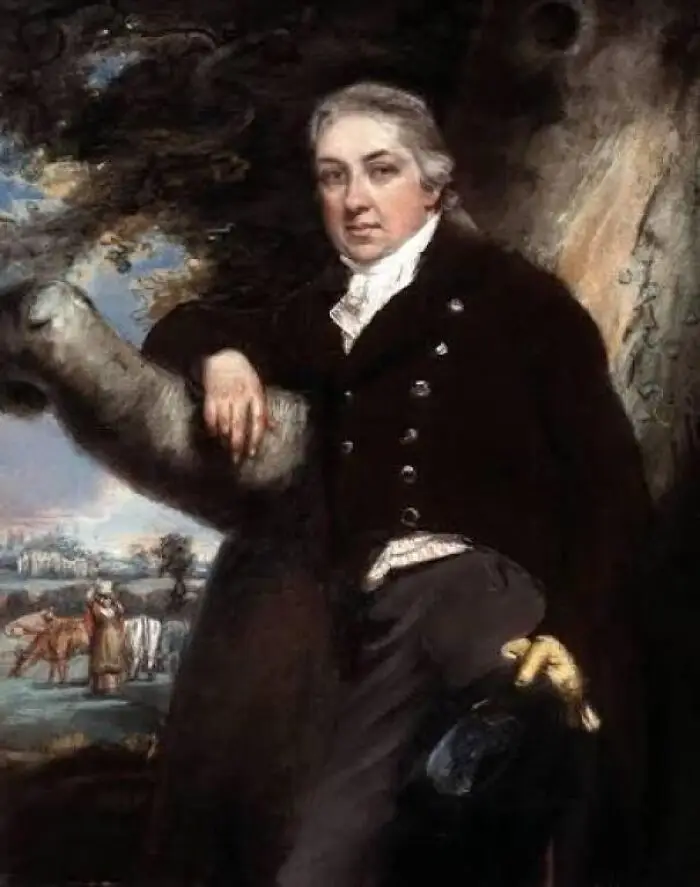
#15 A Young Girl Wearing An Early Cuirass Ventilator, With Therapy Animals 1956

The past can also humble us a little. For a long time, the small white chunks found in ancient Roman concrete were blamed on sloppy mixing. Then a team from MIT found that those chunks were actually a secret ingredient. When water seeped into a crack, they helped fill it back in.
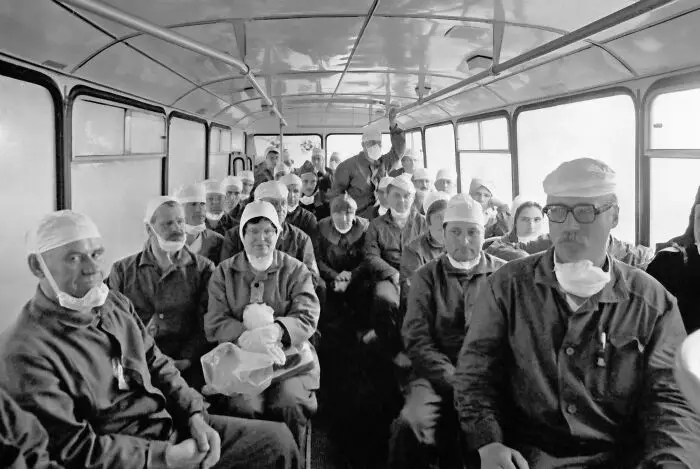
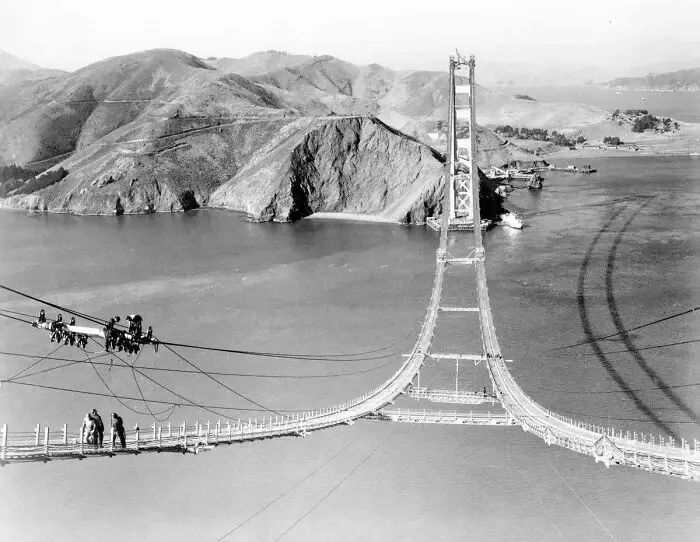
#17 Joseph Strauss Installed Safety Nets During The Construction Of The Golden Gate Bridge, Which Saved 19 Lives
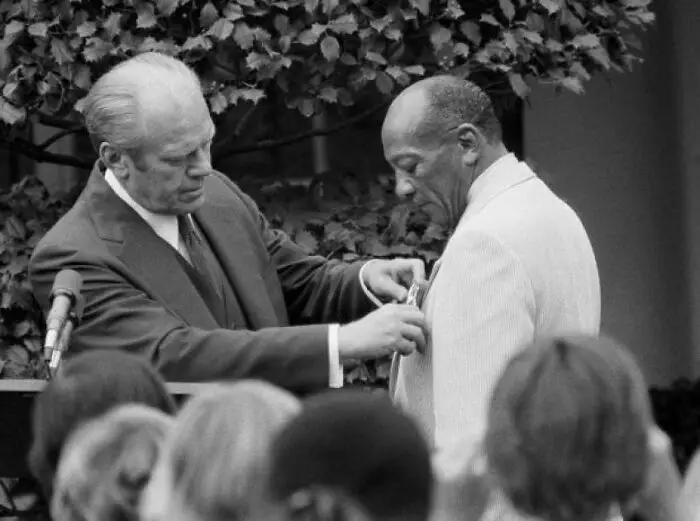
#18 In 1976, President Gerald Ford Awarded Jesse Owens With The Presidential Medal Of Freedom
In lab tests, the Roman style mix sealed its cracks within two weeks, while a version made without the key ingredient never did. Landmarks like the Pantheon have stood for nearly two thousand years, and it turns out the builders may have known exactly what they were doing. It is a satisfying reminder that people long ago were every bit as clever as we are.
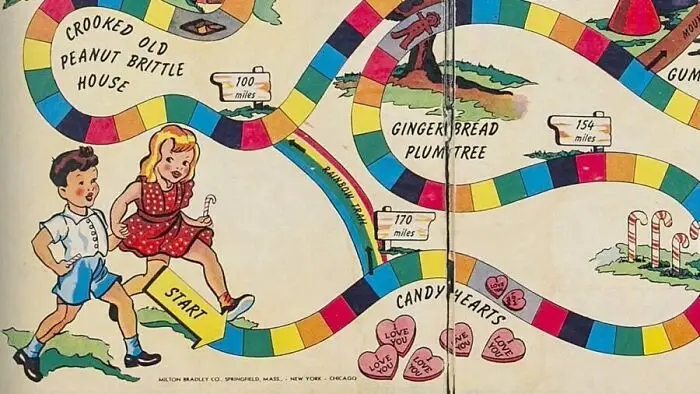
#19 In 1948, The Classic Children’s Game "Candy Land" Was Invented In A Hospital Polio Ward
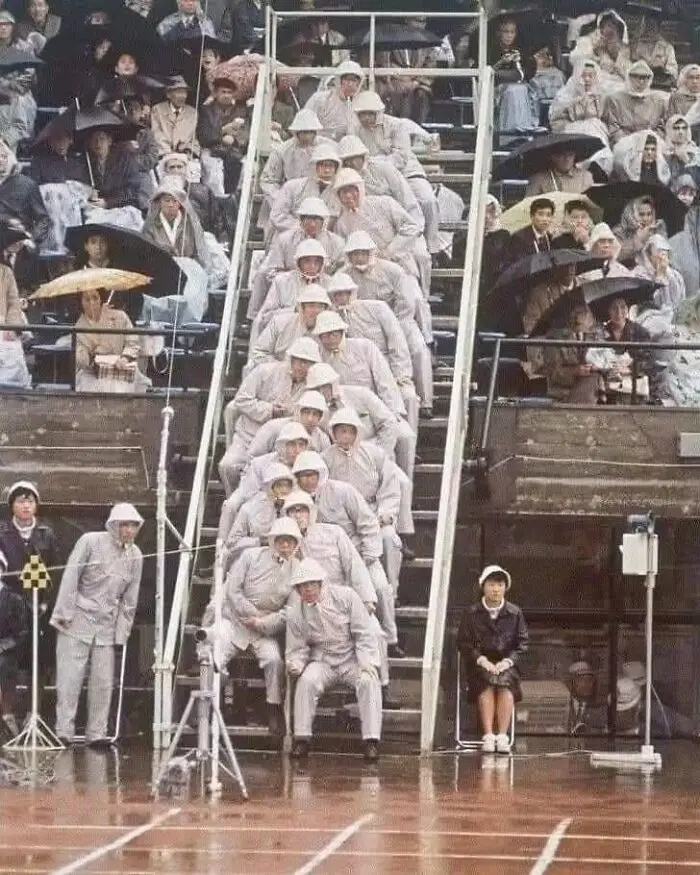
#20 At The 1964 Tokyo Olympics, Due To The Absence Of High-Speed Cameras, The Running Event Required 22 Observers To Determine The Final Results