





Over billions of years, the drive to survive, reproduce, and outcompete rivals has pushed plants and animals to incredible extremes. From strange to unbelievable, every wild behavior has deep biological roots.
With insights from researchers who dared to look closer, this article unpacks the science behind some of the craziest and most fascinating animal facts out there.
#21 Mantis Shrimp Sees Hidden Polarized Colors
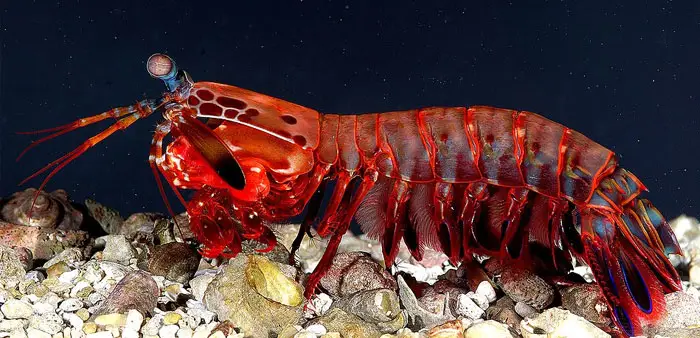
The mantis shrimp might look unassuming, but it has some of the most advanced eyes in the animal kingdom.
A 2014 study published in Science found that this ocean predator has up to sixteen types of photoreceptors, four times more than humans.
With this visual arsenal, mantis shrimp can detect fast color shifts and subtle movements that are invisible to other animals.
But that’s not all. A 2015 study in Current Biology revealed that the mantis shrimp not only sees but also emits circularly polarized light.
While most animals that glow use simple directional light, the mantis shrimp’s body patterns create circular signals.
It’s the only known animal that can produce and detect this type of light, giving it a hidden communication system that helps it hunt and interact with its own kind.
8points
#22 Elephant Seals Hold Two-Hour Breaths
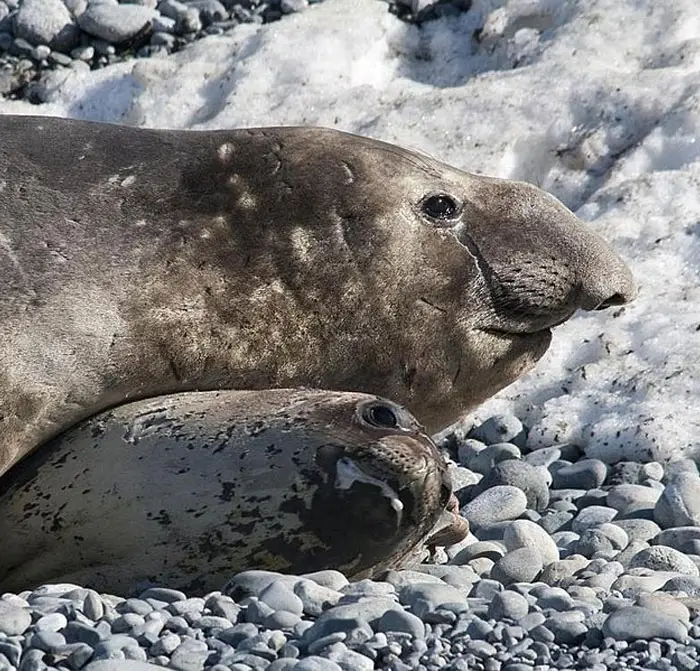
Elephant seals are the record-holders of the deep, capable of holding their breath for up to two hours underwater, longer than any other mammal, according to Friends of the Elephant Seal.
Unlike humans, who inhale before diving, seals exhale to lighten their bodies and manage buoyancy. Beneath the surface, they rely on high concentrations of myoglobin in their muscles to store oxygen.
They also have enlarged sinuses that hold oxygen-rich blood in their abdominal veins.
A 2000 study in the Journal of Experimental Biology found that their heart rate drops dramatically during a dive, from about 80 to just 16 beats per minute, and in extreme cases, as low as 3.
This reduced heart rate slows their metabolism, conserving energy and extending their underwater endurance.
Report
7points
#23 Parasitoid Wasp Reprograms Spider Web Design
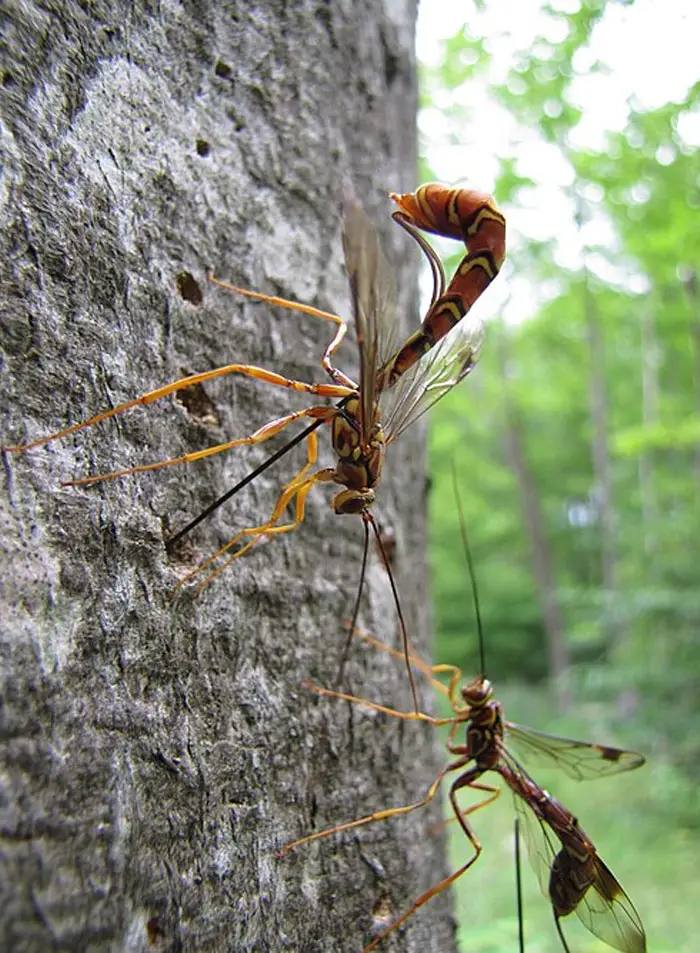
Parasites usually hijack their hosts’ bodies, but parasitoid wasps go one step further. They hijack their minds.
A 2015 paper in the Journal of Experimental Biology documents how these wasps manipulate orb-weaving spiders into building larval sanctuaries.
The process begins when a female wasp attacks a spider and lays an egg on its abdomen. Once the larva hatches, it injects a neuroactive cocktail that rewires the spider’s behavior.
The once-purposeful web-spinner now compulsively constructs a shelter tailored to the larva’s needs.
After the web is complete, the spider often becomes a final meal, consumed by the very guest it unknowingly served.
7points
#24 Ruddy Turnstones Use Tools Beyond Their Weight
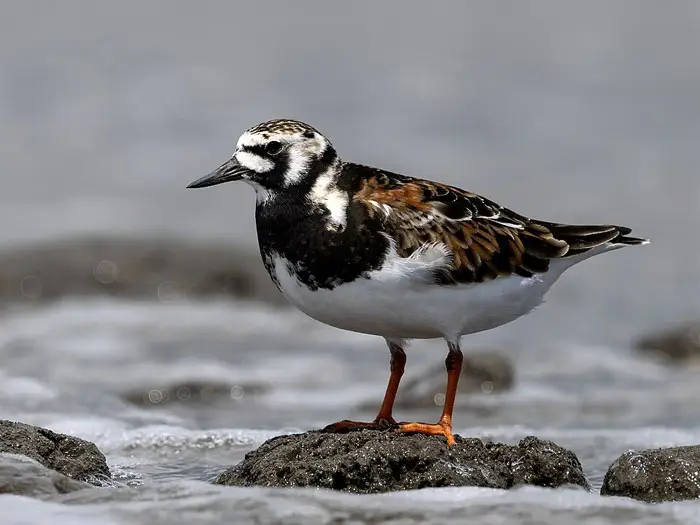
The ruddy turnstone isn’t afraid of a challenge. In its hunt for food, this bird routinely flips over stones heavier than its own body.
J.J. Audubon noted in Birds of America (via the National Audubon Society) that the bird bends its legs, wedges its bill under a rock, then gives a forceful jerk of its head to flip it over.
It’s not just brute strength either. Turnstones use other clever foraging tricks, like fishing through seaweed piles, probing sand, and digging to uncover hidden prey.
7points
#25 Bearded Vulture Cosmetic Feathers Stained Red
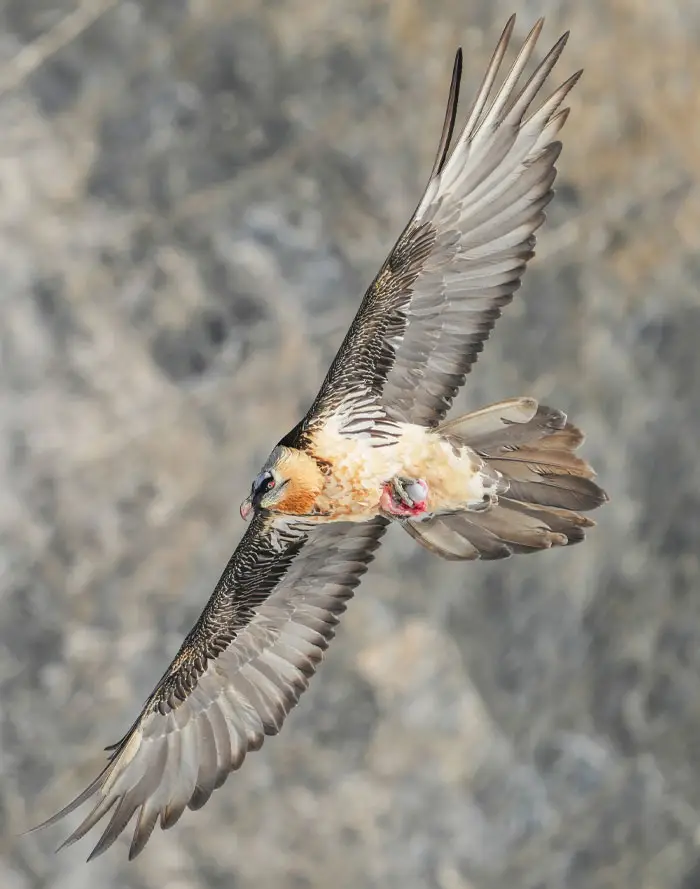
Bearded vultures start out white but don’t stay that way long. These birds actively dye themselves using iron-rich soil, a practice known as cosmetic colouration.
A 2023 study published in Animals explains how they bathe in ochre-laced earth, coating their feathers in orange-red pigment.
The bold colour serves as a social signal, and the more vivid the stain, the more dominant the vulture appears to its peers.
A 2023 study published in Animals explains how they bathe in ochre-laced earth, coating their feathers in orange-red pigment.
The bold colour serves as a social signal, and the more vivid the stain, the more dominant the vulture appears to its peers.
Report
7points
#26 Saiga Antelope Air-Conditioning Nose
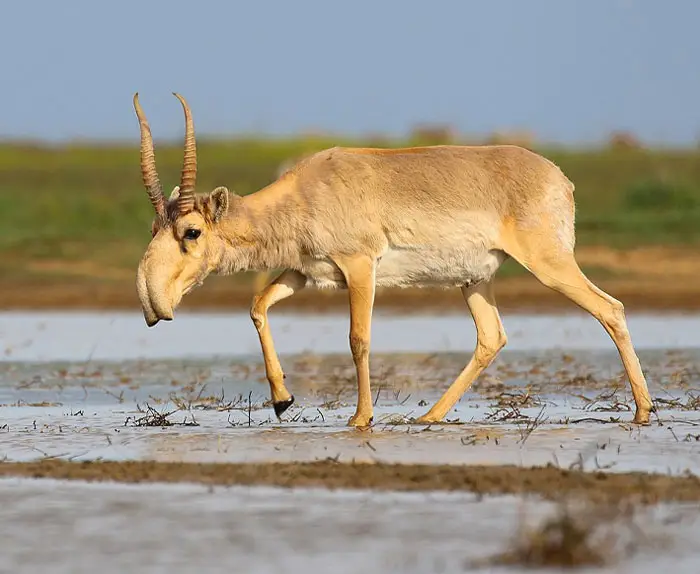
The Saiga antelope (Saiga tatarica) sports one of the most unusual noses in the animal kingdom, a tubular, drooping snout that doubles as a natural air conditioner.
In a 2004 study published by the Zoological Society of London, researchers detailed how the snout’s structure includes wide nasal passages, side recesses, hair, and mucus linings that help filter dust and cool incoming air.
This system is especially effective in the scorching steppes of Central Asia.
As the antelope inhales, the air is cooled before reaching its lungs, minimizing water loss and keeping its body temperature in check.
Report
6points
#27 Jumping Bean Larvae Control Their Capsule
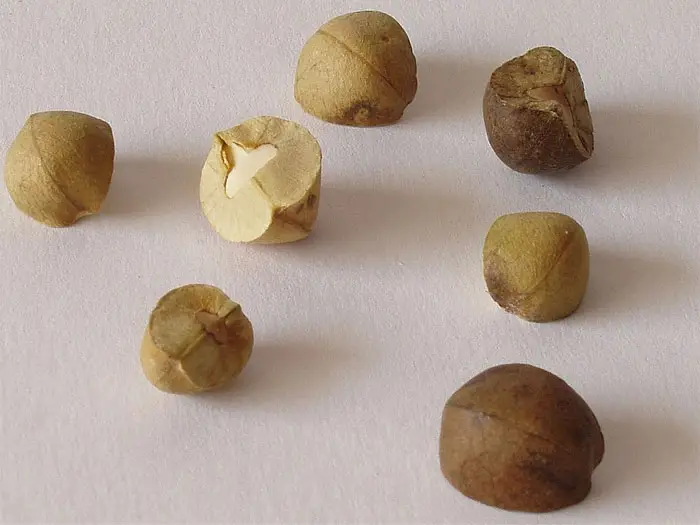
They may look like possessed seeds, but jumping beans are just regular seeds with a secret: a live moth larva curled up inside. The seed jolts and flips as it wriggles and strikes the inner walls, helping with thermoregulation.
A 2024 study in Behavioural Processes explains how the larvae respond to different wavelengths of light and shifts in temperature to avoid overheating.
A 2012 study in Bioinspiration and Biomimetics adds that the bean’s sudden rolls, jumps, and flips are strategic, letting it move to cooler ground.
A 2024 study in Behavioural Processes explains how the larvae respond to different wavelengths of light and shifts in temperature to avoid overheating.
A 2012 study in Bioinspiration and Biomimetics adds that the bean’s sudden rolls, jumps, and flips are strategic, letting it move to cooler ground.
Report
6points
#28 Tear-Drinking Moths Sip From Sleeping Birds
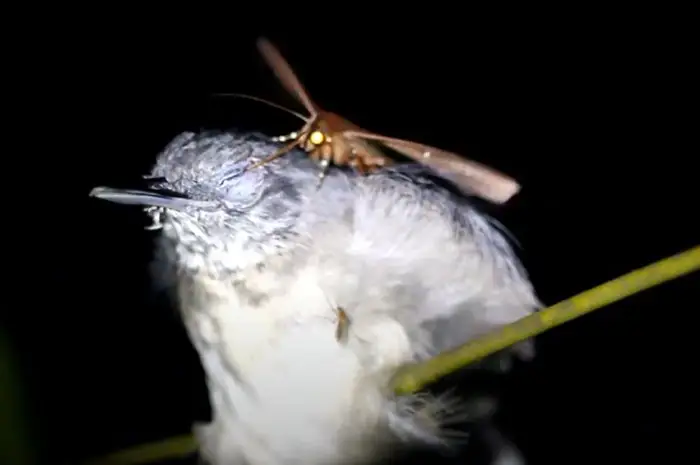
Hemeceratoides moths appear to have a taste for the tears of sleeping birds, a feeding habit known as lacryphagy.
They need sodium to survive, but gathering it from saltwater puddles is risky, as frogs often lie in wait.
Instead, the moths have found a “safer” source: the eyes of roosting birds.
Birds have a third eyelid, called a nictitating membrane, that protects their eyes in flight and helps sharpen their vision.
According to a 2024 study in the Zoological Journal of the Linnean Society, Hemeceratoides moths use a specialized feeding tube to gently pierce this membrane and reach the corner of the eye or beneath the lids.
By targeting these quiet, sensitive areas, the moths can draw out tears and get the sodium they need, often without waking their unsuspecting hosts.
Report
5points
#29 Cuttlefish Dual-Signal Courtship Side Show
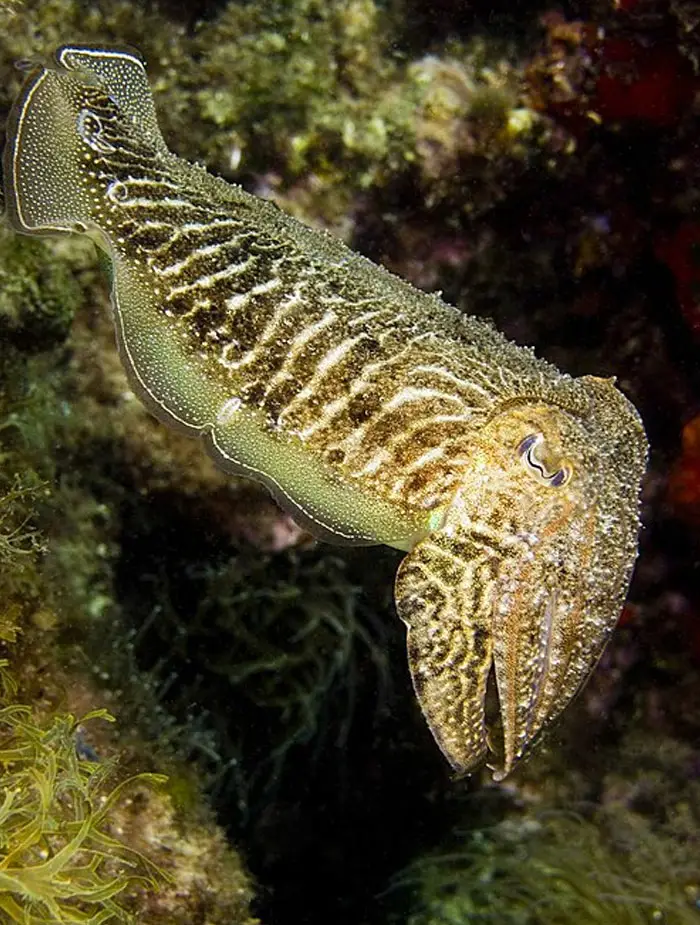
Male cuttlefish take deception to a whole new level during mating season.
A 2012 study in Biology Letters describes how they manipulate skin pigments to create animated color changes so advanced that they can simultaneously deliver two separate visual messages.
To fool rivals, the male may present female-like markings on the side facing other males. But on the opposite side, he flashes his boldest courtship display toward a potential mate.
It’s a gamble. If his bluff gets spotted, competing males challenge him. But if it works, he gains an edge in love without ever fighting.
5points
#30 Oxygen-Free Microbe Lives Inside Salmon
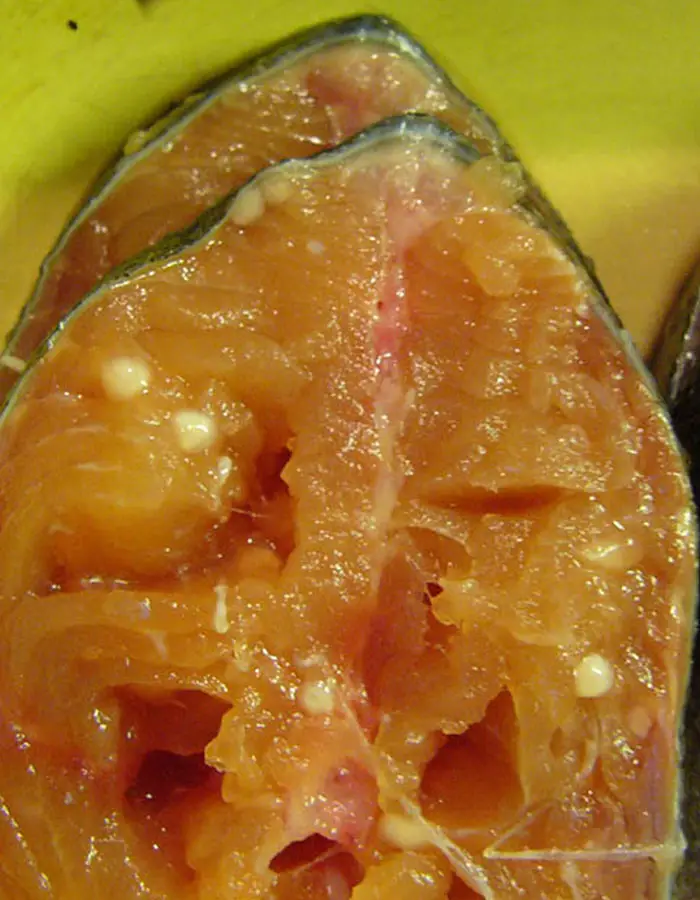
Henneguya salminicola is the first known animal to survive entirely without oxygen.
A 2020 study in the Proceedings of the National Academy of Science revealed that this parasitic cnidarian lacks all respiratory genes, meaning it doesn’t breathe at all.
Its biology is stripped down to the bare essentials.
The microbe infects salmon and worms, reproducing rapidly by releasing spores. Its simple gene makeup allows it to replicate faster than more complex organisms.
It draws energy directly from its salmon host, which supplies all the nutrients it needs. Once the host dies, the salminicola’s spores are released to infect worms, starting the cycle again when salmon eat those infected worms.
Report
4points
