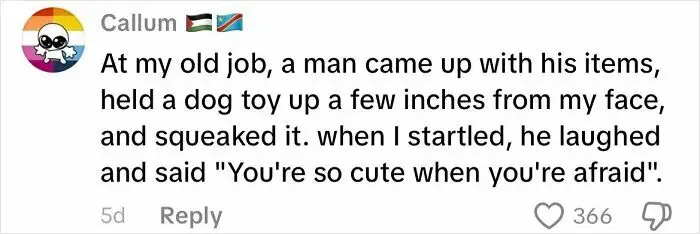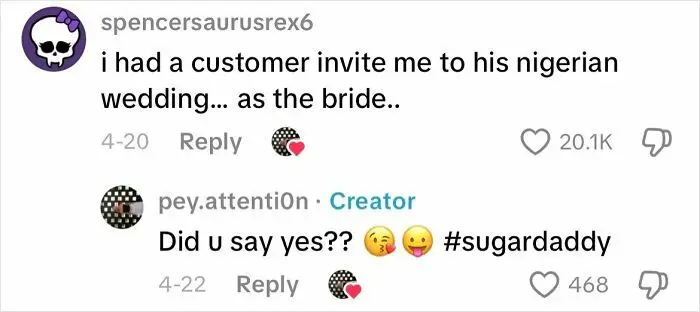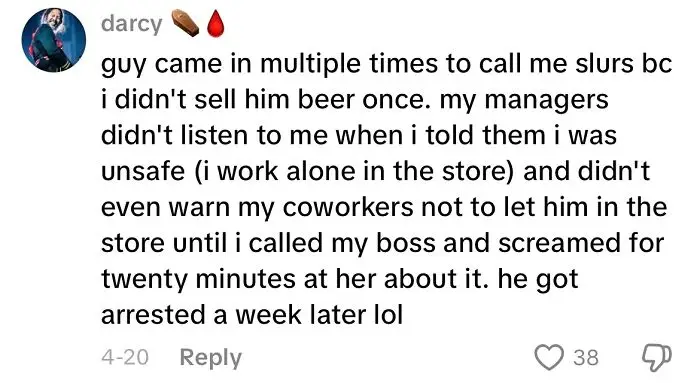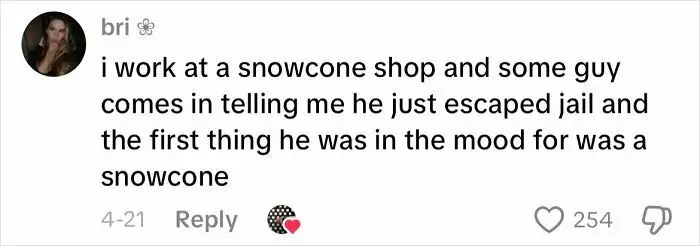


If there's one thing humans excel at, it's creating unnecessary problems for each other. And no, you don't need to look at parliament or the stock exchange to find some vile behavior—just head down the street to the places where regular people eat and shop. Chances are, you'll still see a staggering level of entitlement and a lack of common decency.
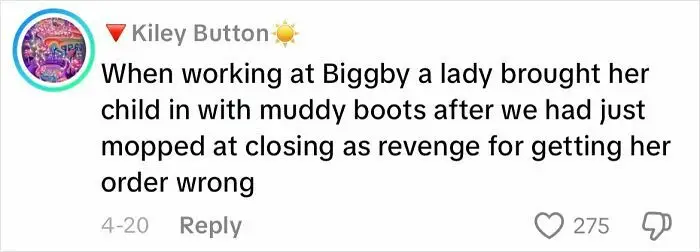
TikTok users @janemoonveil and @pey.attenti0n have tapped into this problem by asking service workers to share their absolute worst customer encounters. The responses are a mix of horror and comedy, showcasing tantrums over expired coupons and bizarre requests nobody could ever fulfill.

Managers are often stuck in the middle, trying to keep customers satisfied while also preventing their teams from leaving through the back door.
Their biggest issues are:
- Employee burnout – 84%
- Lack of flexibility – 73%
- Difficulties ensuring customer satisfaction – 73%
- Problems guaranteeing the health and safety of employees – 71%
- Accessing career development opportunities – 69%



Employers are trying to make life easier for workers and customers by investing in:
- On-demand training (79%) — helping workers learn skills when and where they need them.
- Technology that shows the full history of a customer's relationship with the company (77%) — from past purchases to previous support conversations.
- Customer self-service options (76%) — giving people the ability to solve simple issues on their own.
- Chat and messaging with colleagues and other internal teams (75%) — so service workers can get quick answers behind the scenes.
- Chat and messaging with customers (74%) — to meet people where they are.
- Video call capabilities (70%) — for situations where face-to-face interaction matters.
- Automated ticket or information collection before an interaction (68%) — cutting down the time workers spend on repetitive data entry.
- Call-back options (67%) — letting customers choose not to wait on hold.
But it's worth asking: are these really the solutions that will fix the core problems workers say they face, such as burnout and low pay?