

Having kids taken away from their parents is a tragedy that many families hope never happens to them. However, sometimes parents are truly unfit to provide care, and CPS stepping in is the only option. When that happens, other family members are the first in line to take them in.
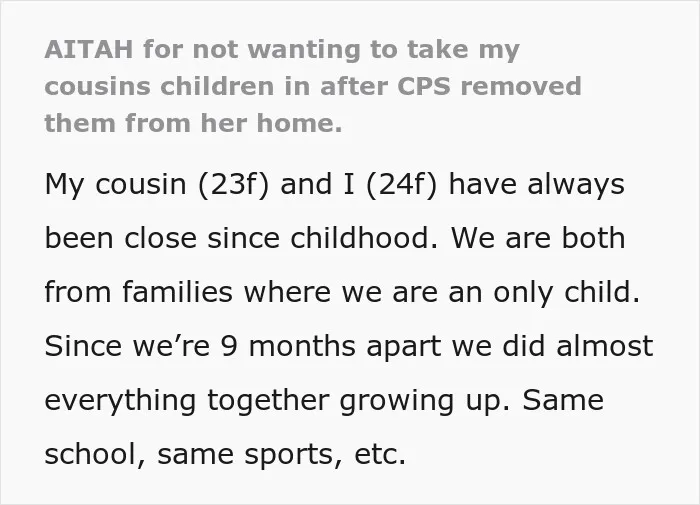
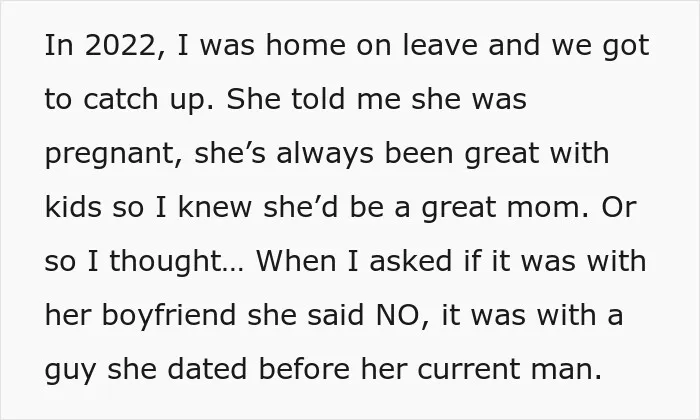
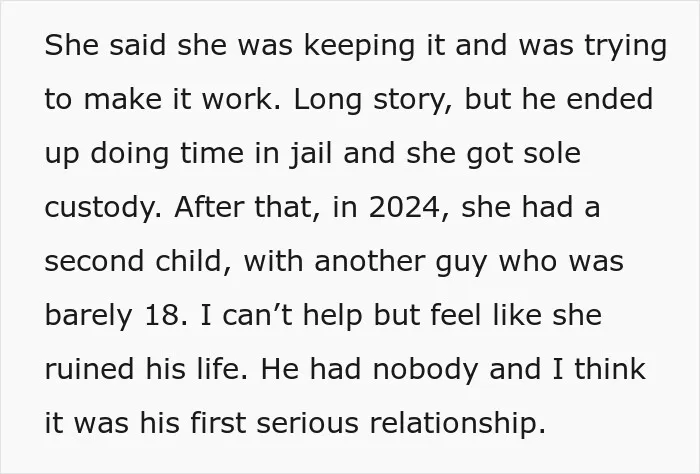
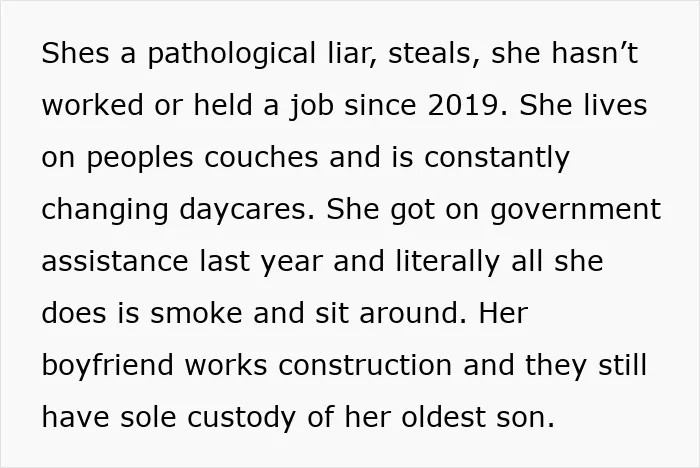
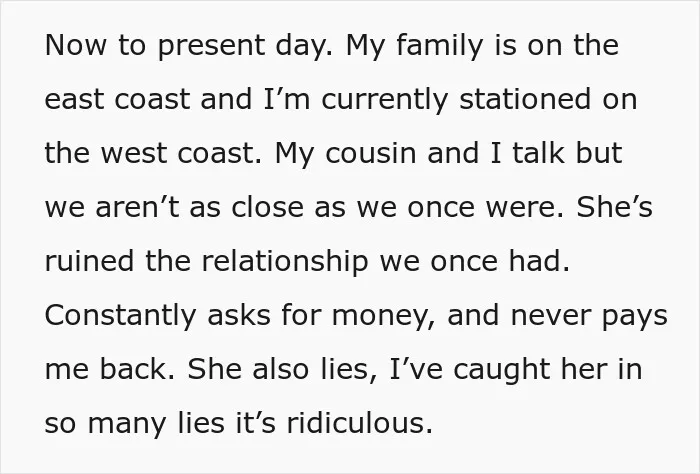
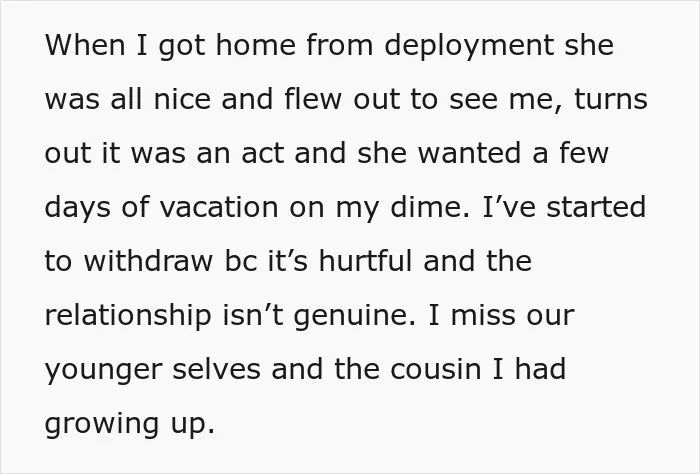
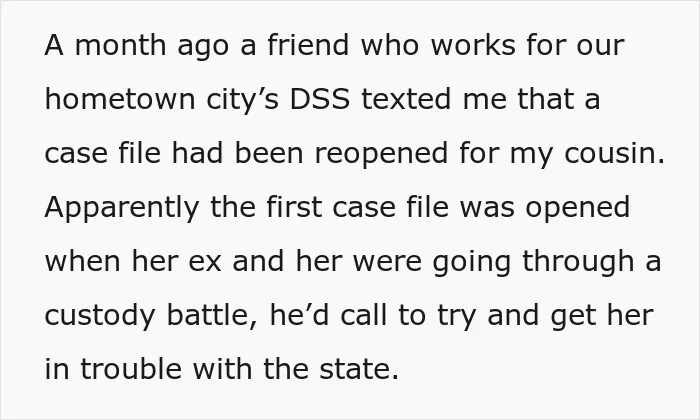
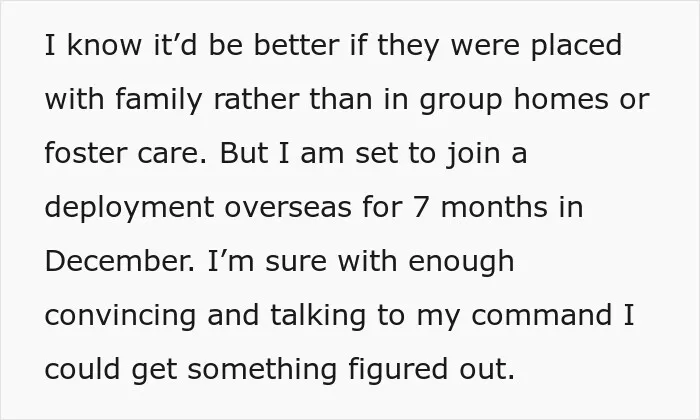
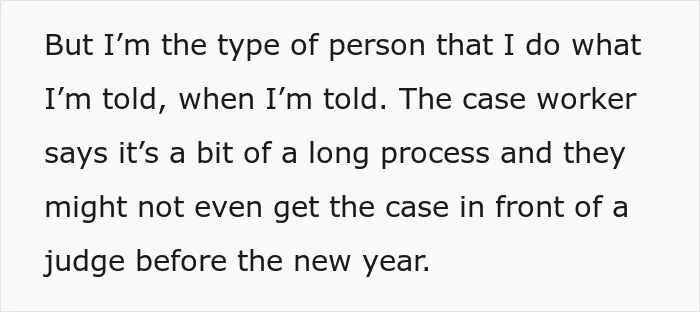
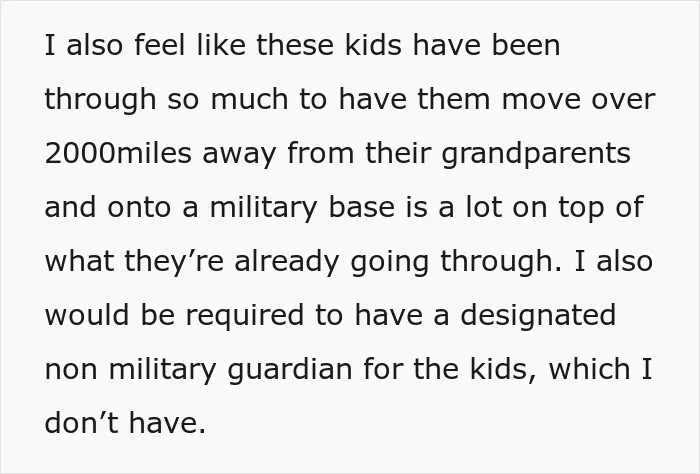
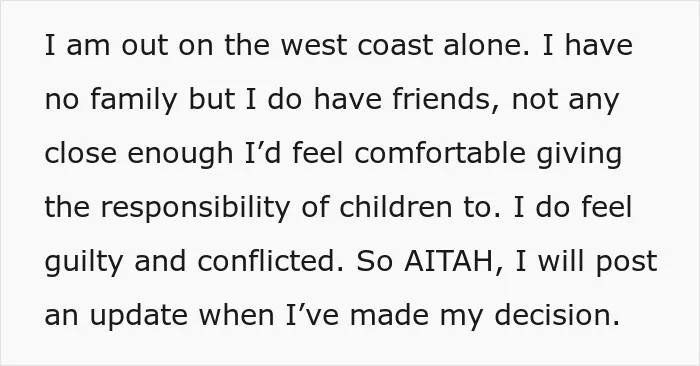
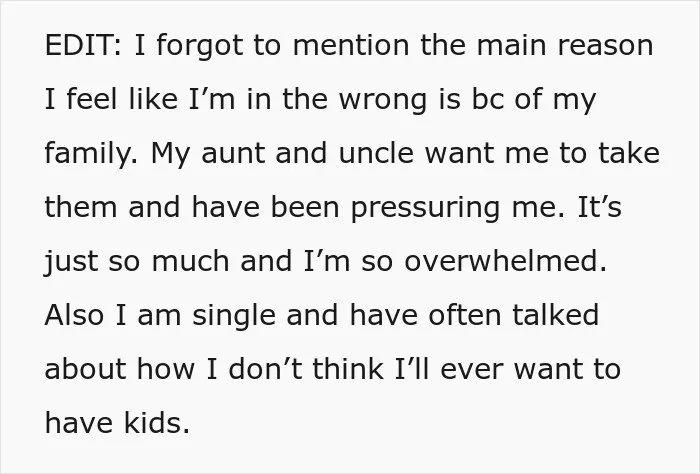
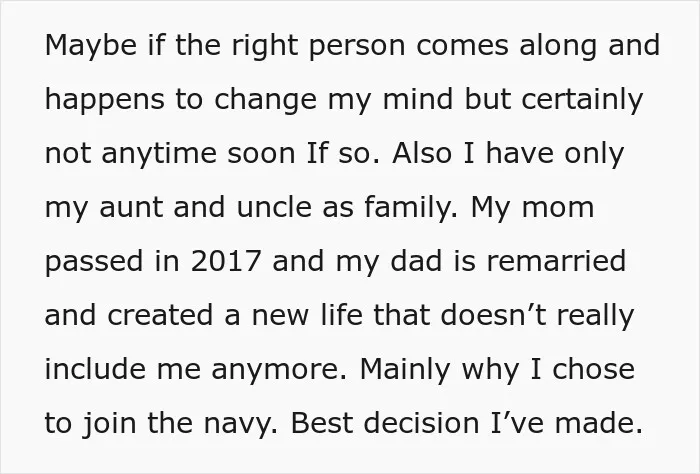
But not all family members are willing — like the grandparents in this story, who refused to take in their grandchildren and expected a cousin to do it. The request left the Navy officer speechless: she hadn’t been close with her cousin for a long time, and had to be deployed overseas for 7 months.
So, she asked for advice online about whether she was being heartless or her aunt and uncle were just trying to guilt-trip her into taking in someone else’s kids.
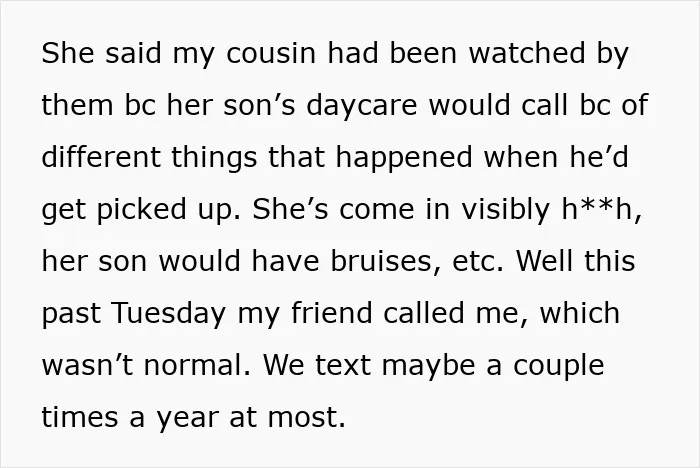
A woman faced pressure from family members to take in her cousin's children after a CPS arrest

But her life as a Navy officer was way too unstable for taking care of two kids

Women are more prone to people-pleasing, and the only way to stop it is to change your own behavior
It’s easy to take advantage of people in situations like these. Turning away from children who just lost their mother would be considered heartless by a lot of people. So, from their perspective, the aunt and uncle’s attempt to manipulate the OP into becoming their guardian made sense.
It’s even easier to take advantage of people who are prone to people-pleasing. According to a 2024 YouGov poll, about half (48%) of Americans consider themselves people pleasers, while the other half (47%) don’t. Women are also more likely (52%) to say they’re people-pleasers than men (44%).
People-pleasing tendencies can land people in situations they don’t really want to be in. If the 2008 comedy with Jim Carrey, Yes Man, taught us anything, it’s that saying “No” sometimes is okay and other times, strictly necessary.
But for chronic people-pleasers, that’s a tough task. What most people-pleasers don’t realize is that people’s expectations, demands, and urgencies are not going to stop — you have to put a stop to it yourself.
As Ilene S. Cohen, Ph.D., writes for Psychology Today about her own battle with people-pleasing, “the only authentic way out of my people-pleasing dilemma was to start becoming aware of my own internal world, recognizing that the only person I could change was myself.”
People-pleasing may not seem like a big deal when it’s about minor things like making dinner, paying for a friend’s sandwich, or staying late after work one time. But when family members start expecting you to become your cousin’s children’s guardian and expect you to say “Yes” regardless of your circumstances, you know you’re in trouble.

Here are five strategies on how to stop being a people-pleaser
Learning to say “No” can be really powerful. However, that’s not easy to do, especially when you’ve spent your whole life trying to please others. But failing to say “No” and stop people-pleasing can result in emotional and physical exhaustion, resentment, and burnout.
Connie Hatch, co-author of How to Say No Without Feeling Guilty, offers five strategies for chronic people-pleasers:
- No overexplaining. When you say no, be curt and short: “Sorry, I can’t this time” or “I’m busy that day, apologies” are sufficient explanations. Going into more detail only gives the other person more to argue about.
- Don’t rush. If you’re not sure how you feel about a request, take your time to answer. People like to shroud their issues in false urgency, but unless it’s a literal health emergency, the problem can probably wait a few hours.
- Your plans are important, whatever they are. Even if you’ve decided to take some time to unwind, those are plans you made and don’t want to be disturbed. You don’t have to be “busy” to be unavailable.
- Make boundaries into policies. People respond better to a “No” when it’s not a one-time thing but a policy. Statements like “I make it a rule never to date people I work with” sound firmer than a simple rejection.
- Every “No” is an opportunity to take some time for yourself. Behind every “No” is a “Yes,” Hatch says. Instead of spending the day looking after someone else’s child or babysitting a neighbor’s dog, you have the opportunity for self-care, hobbies, and recharging.
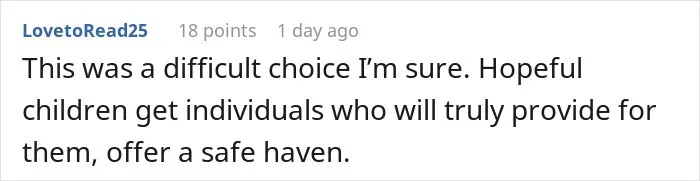
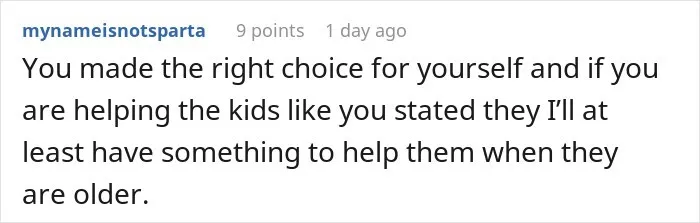
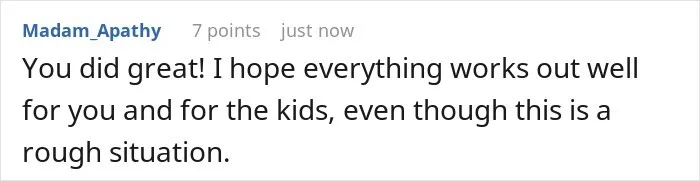
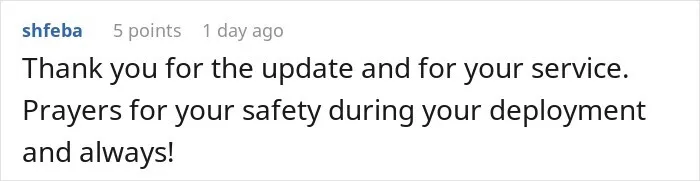
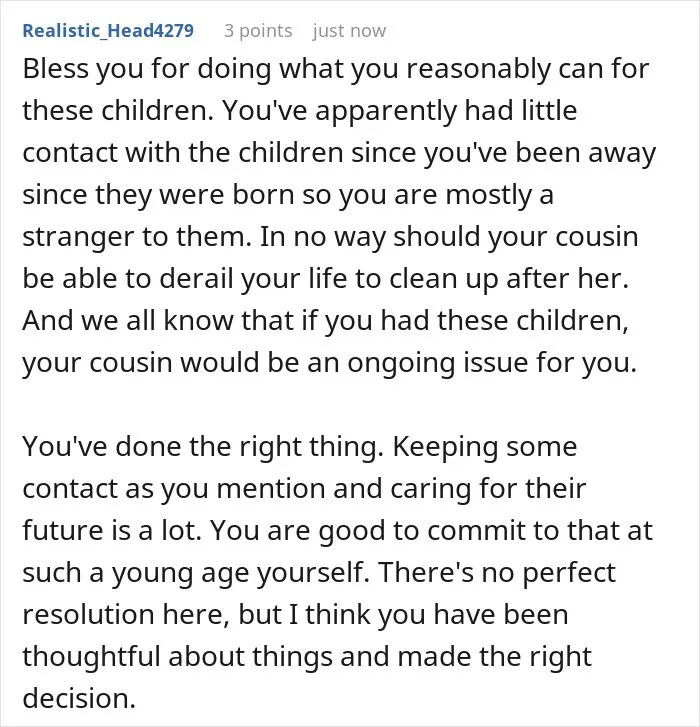
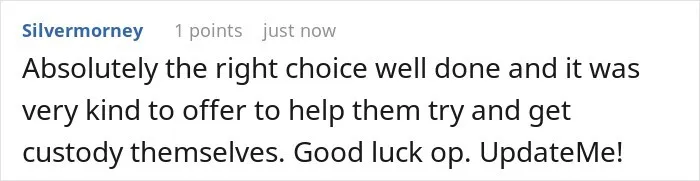
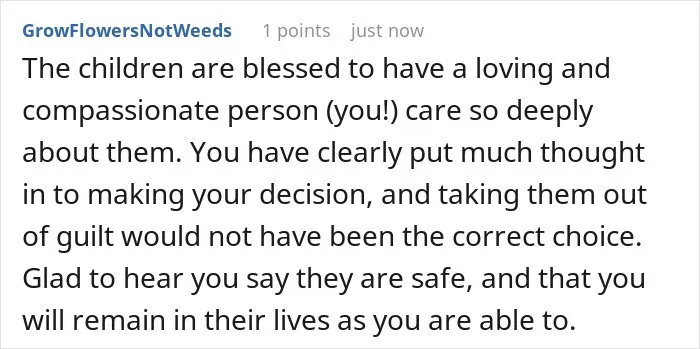
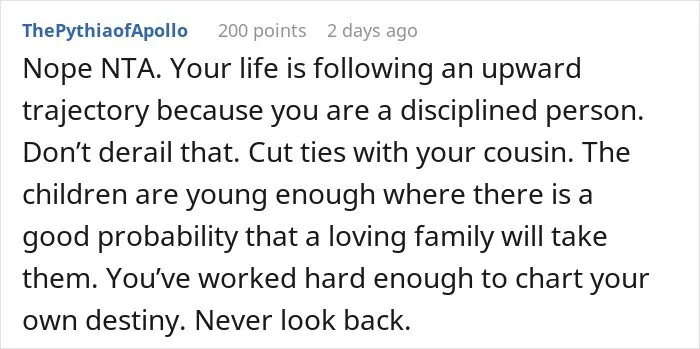
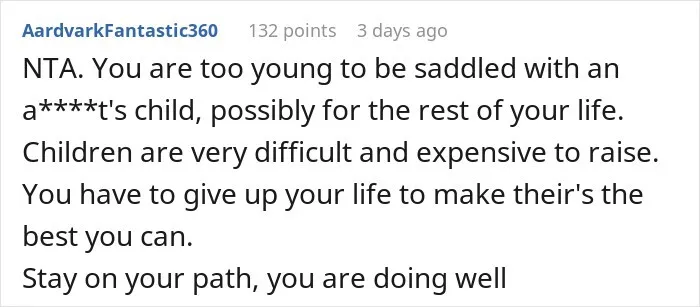
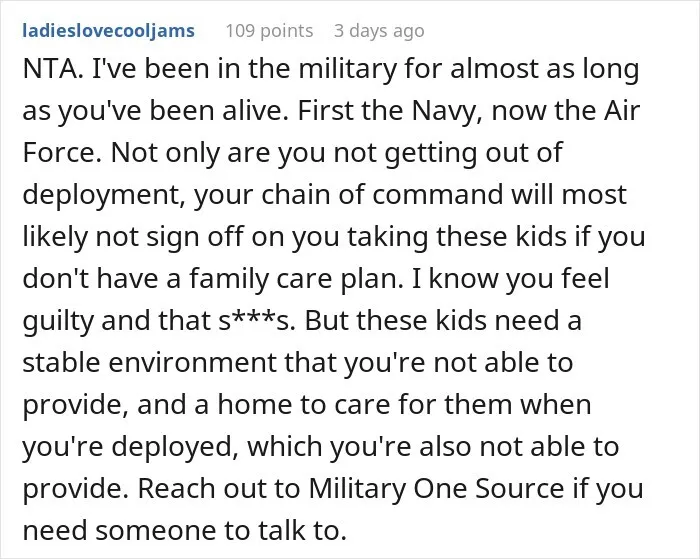
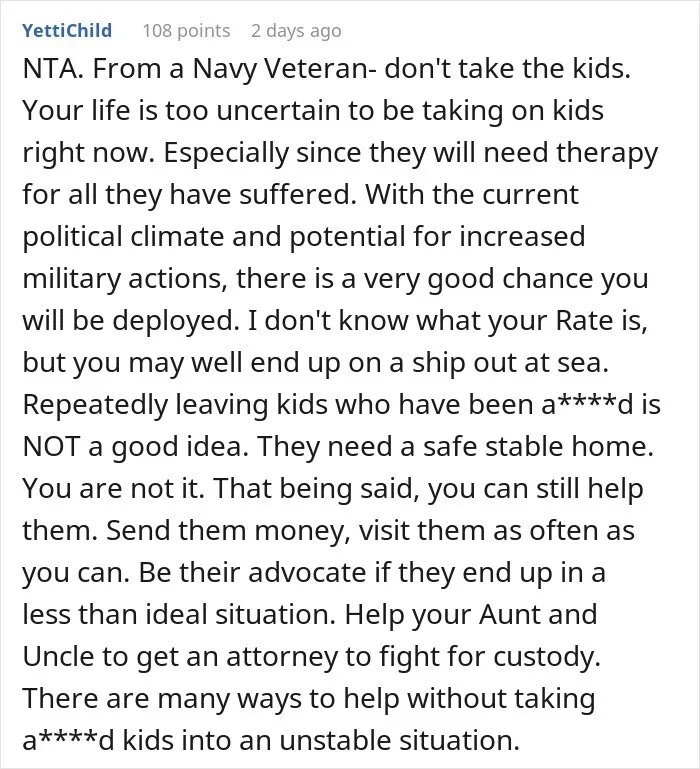
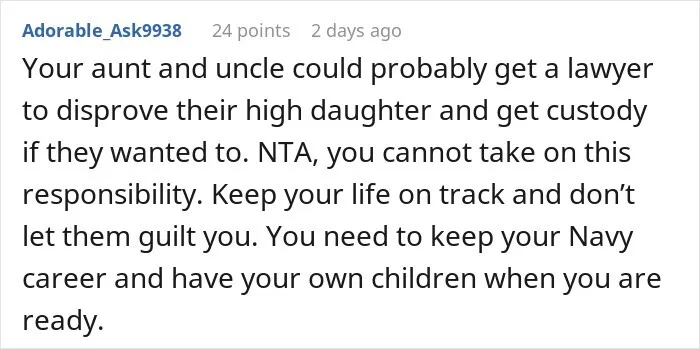
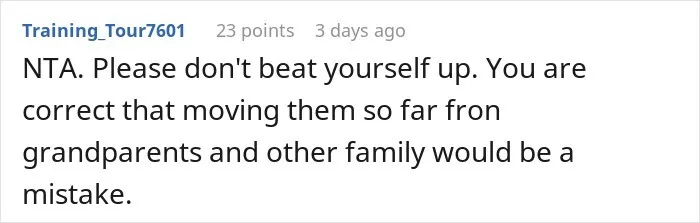
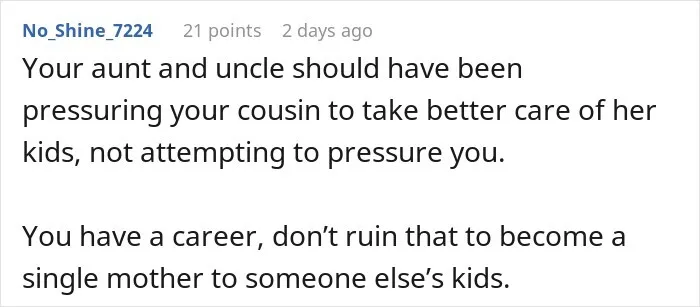
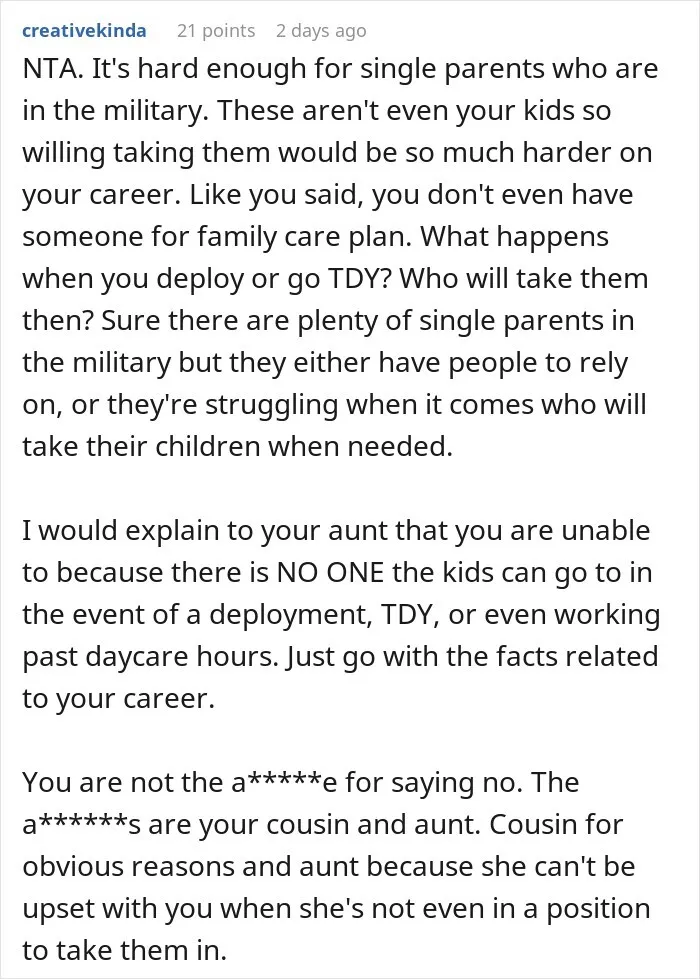
Commenters sided with the OP, agreeing that she had no obligation to take in the kids
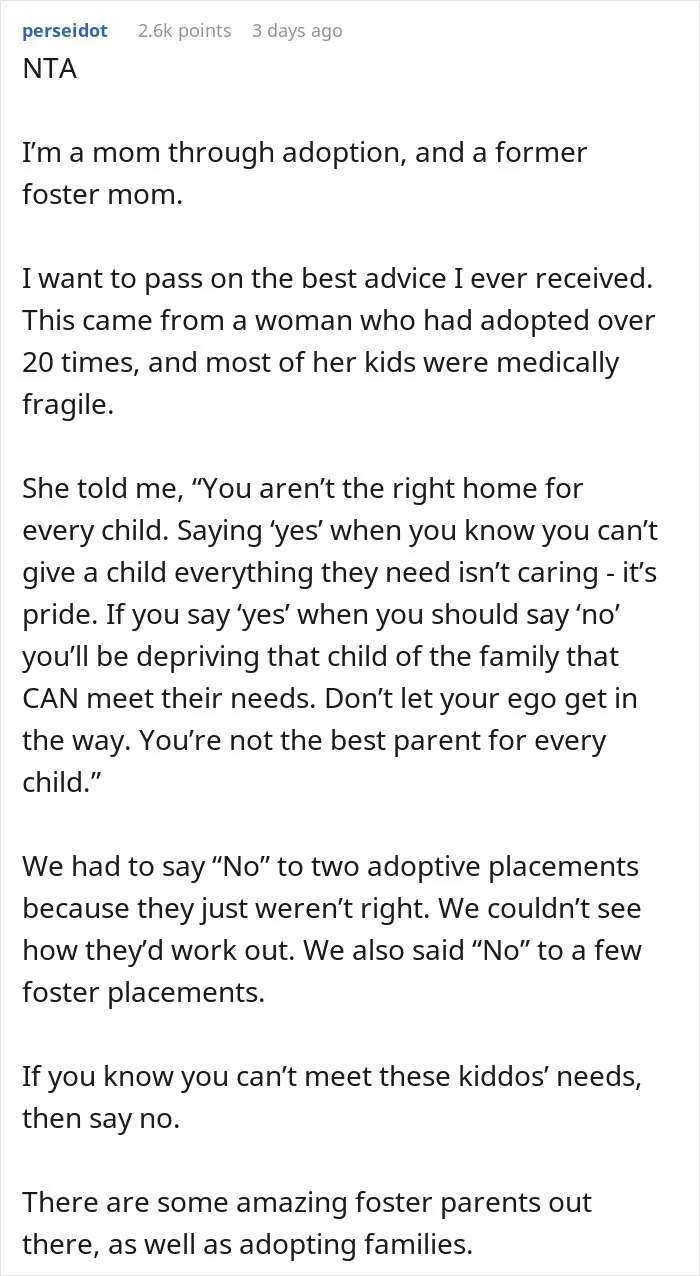
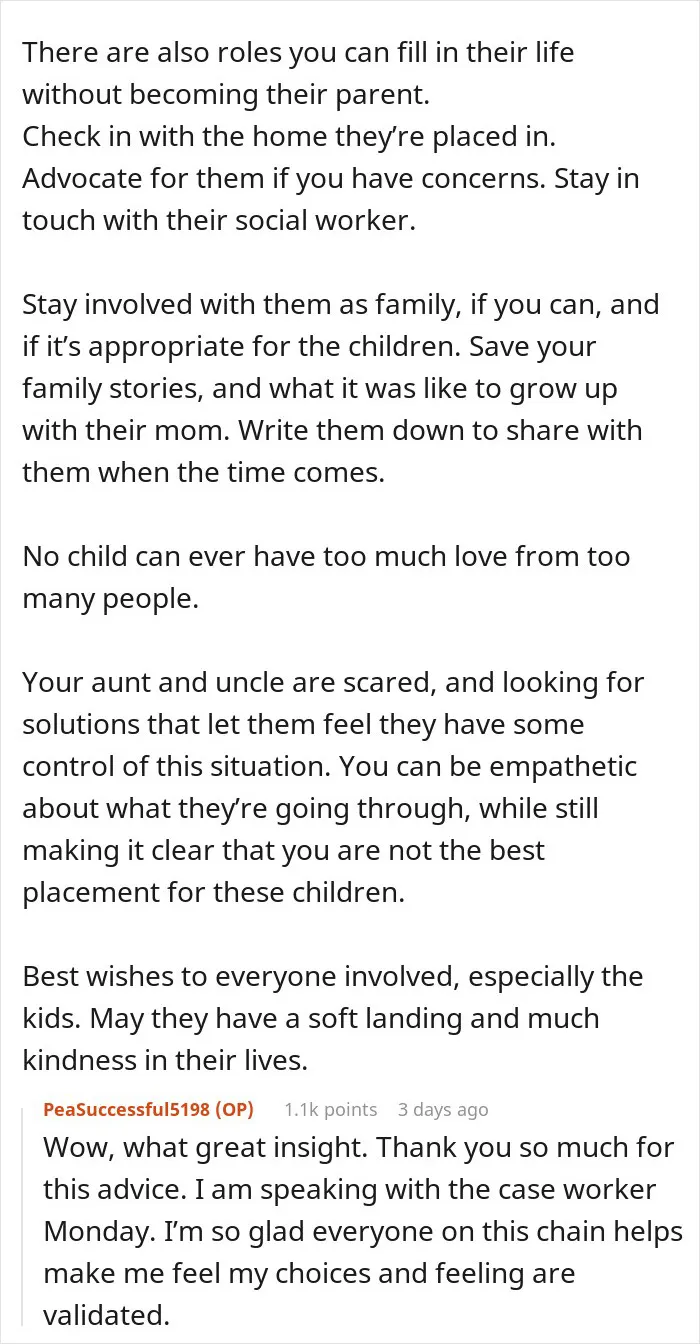
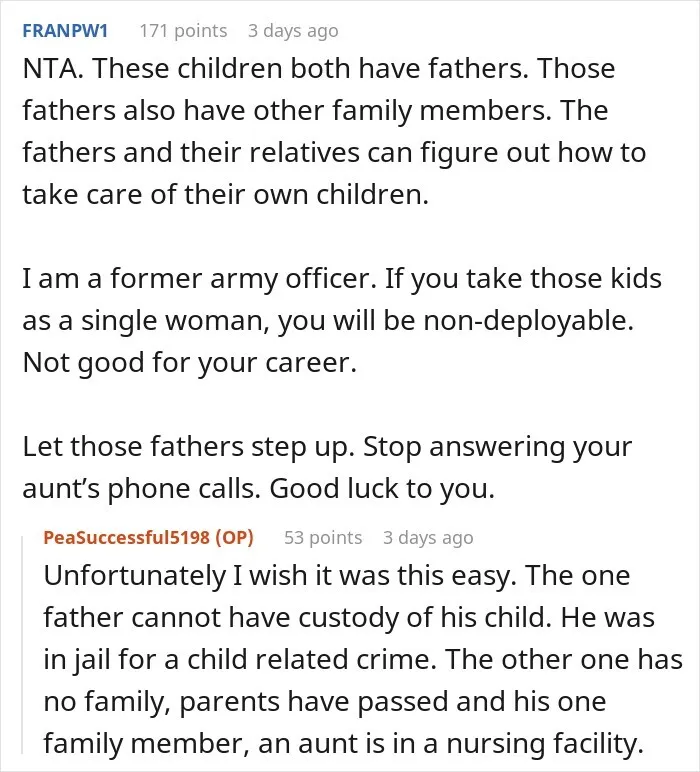

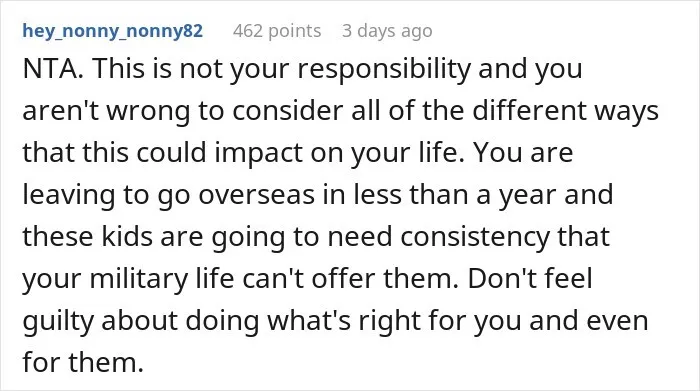
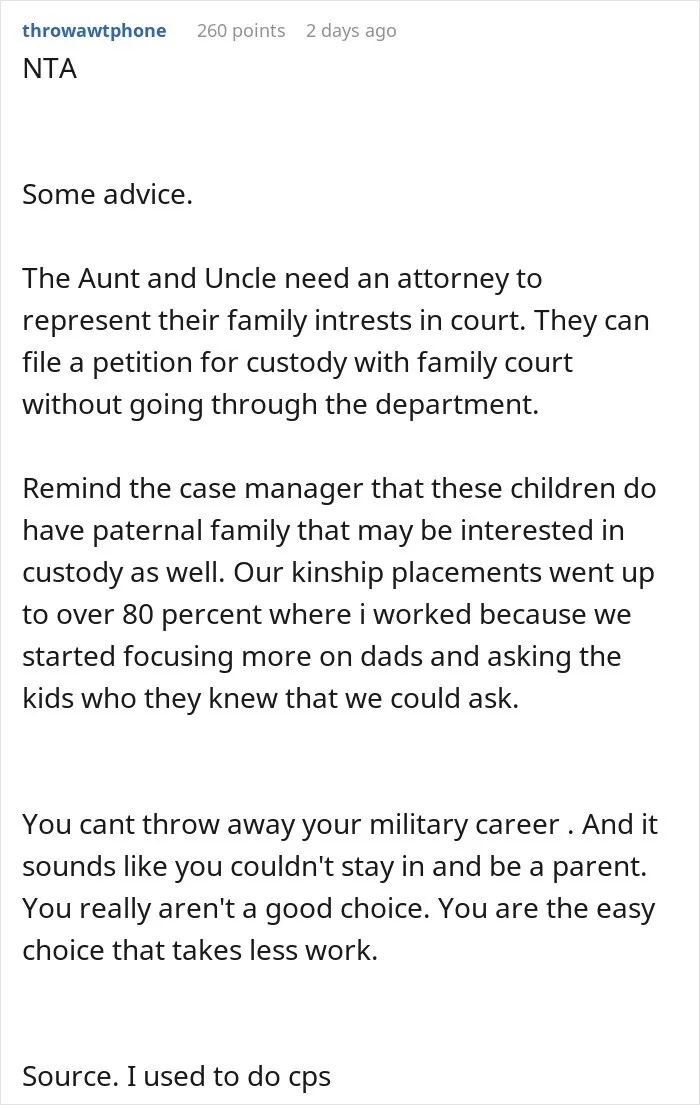
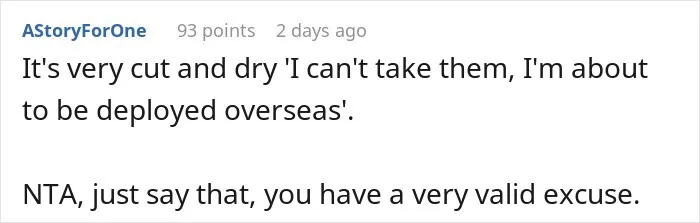
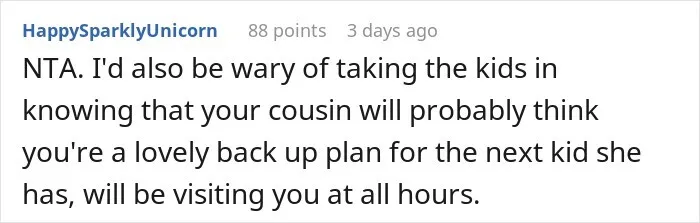
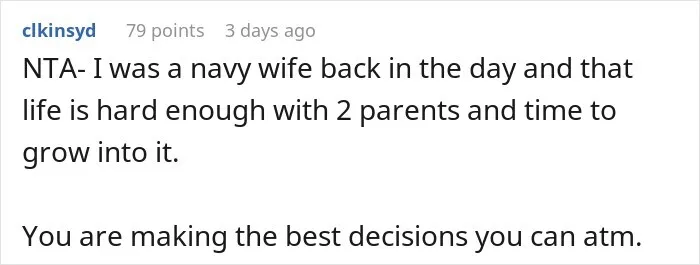
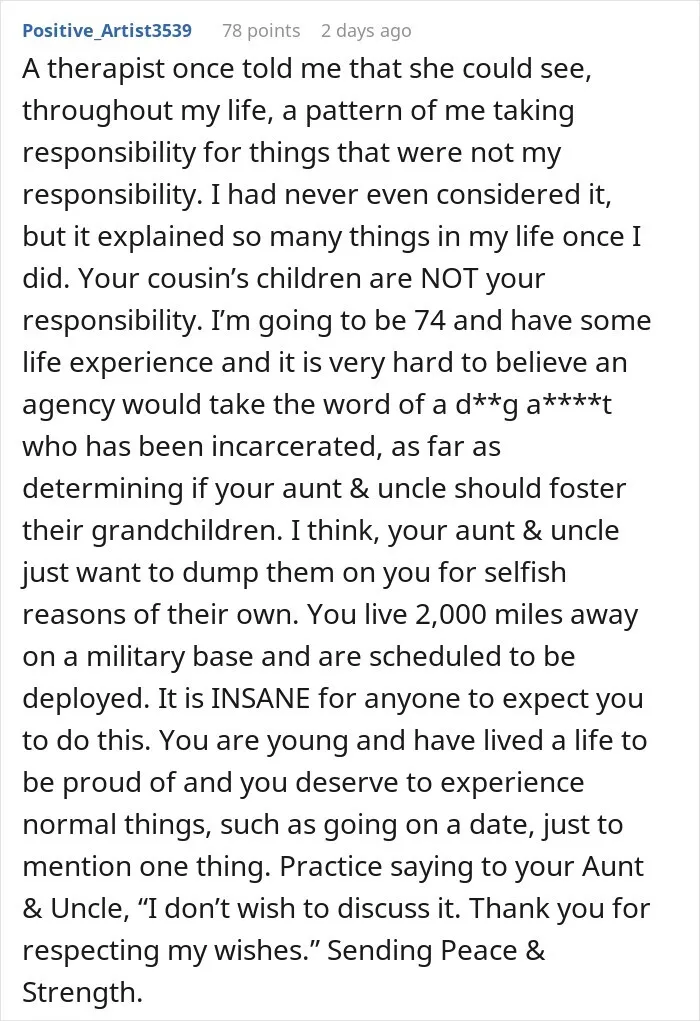
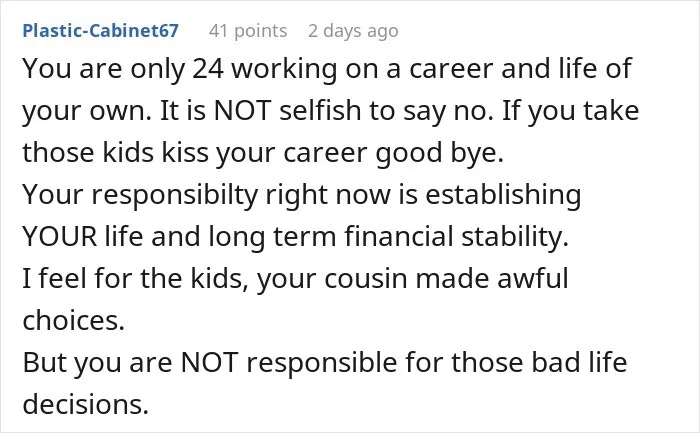
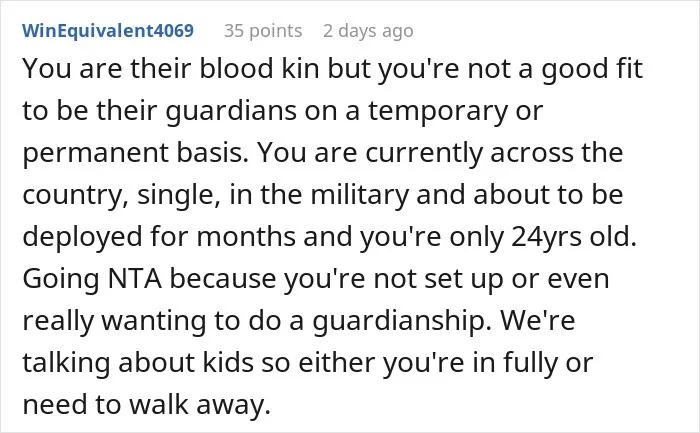
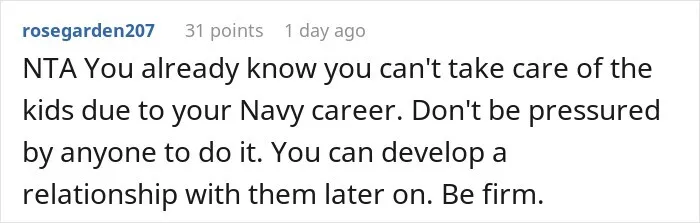
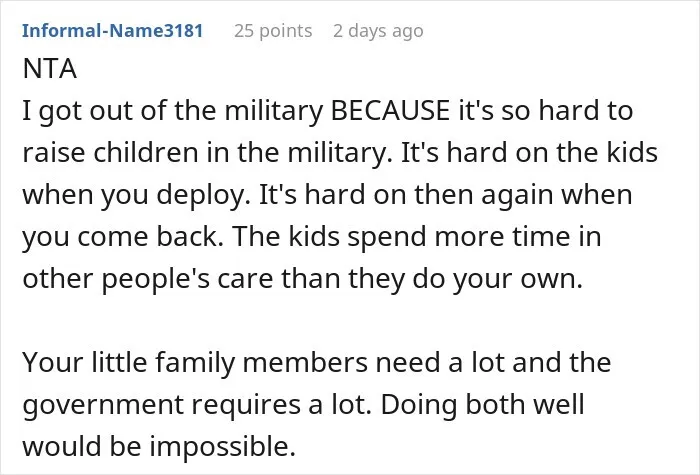
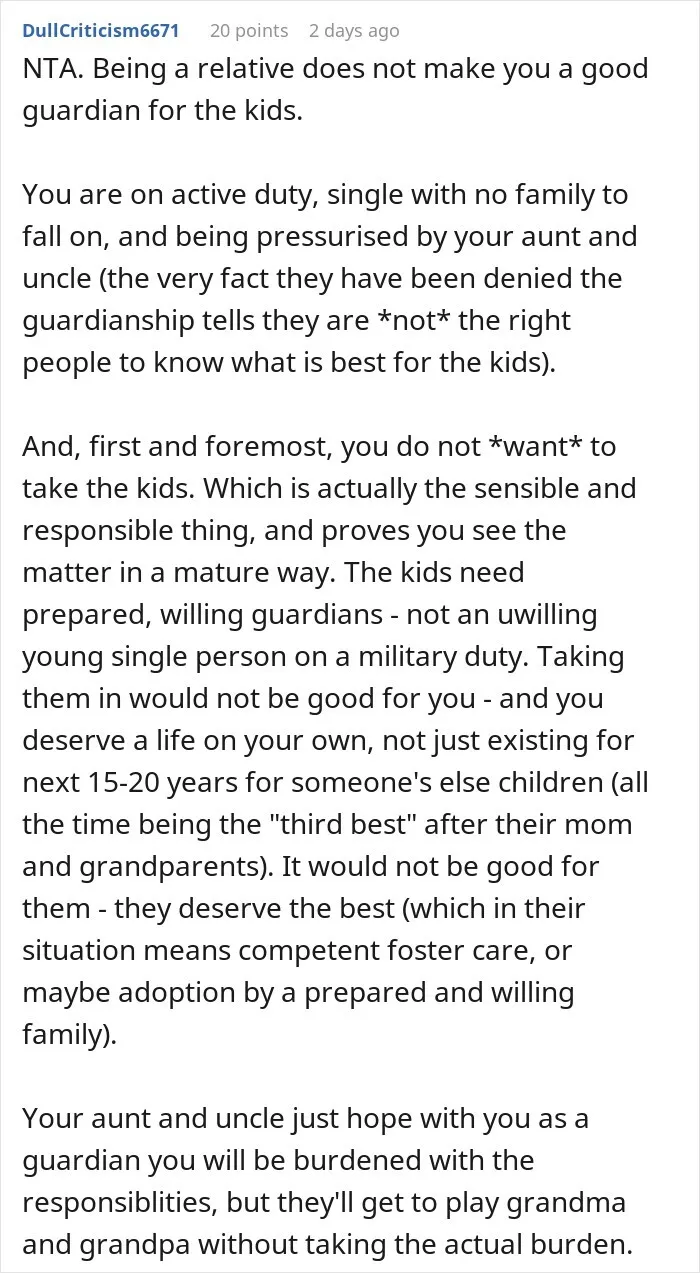
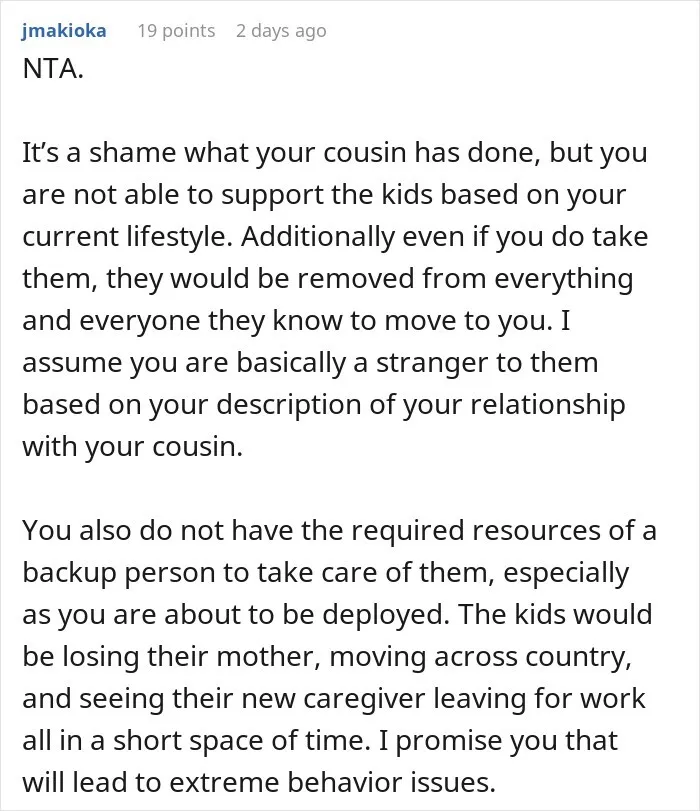
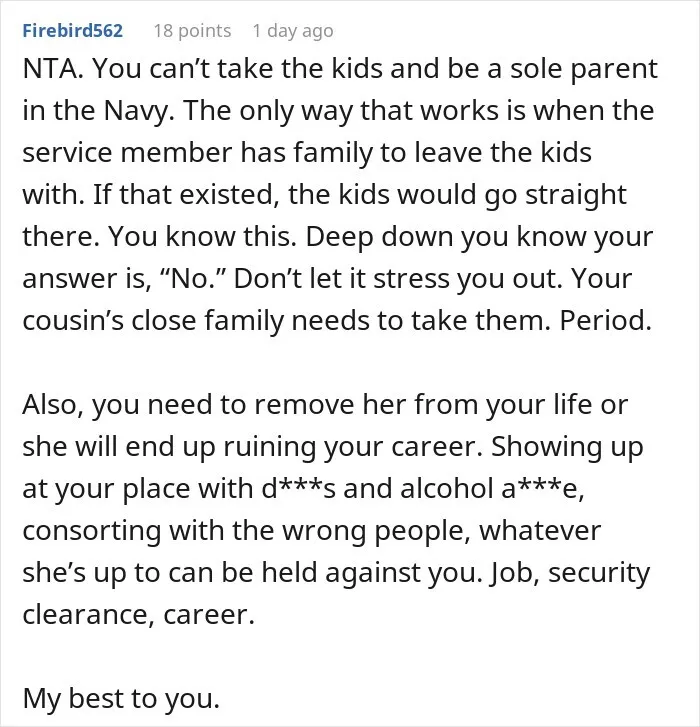
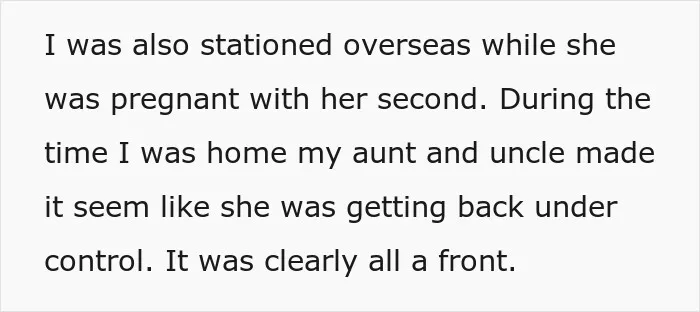
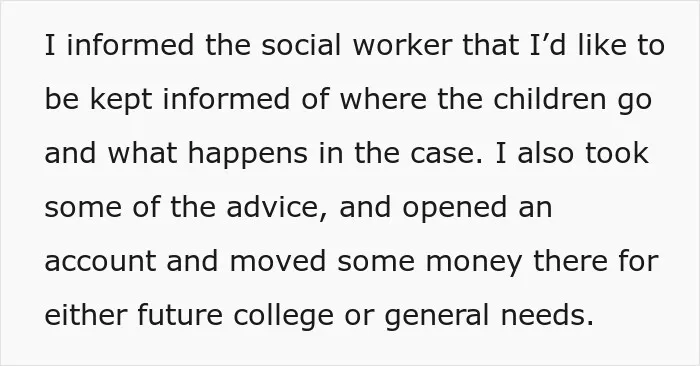
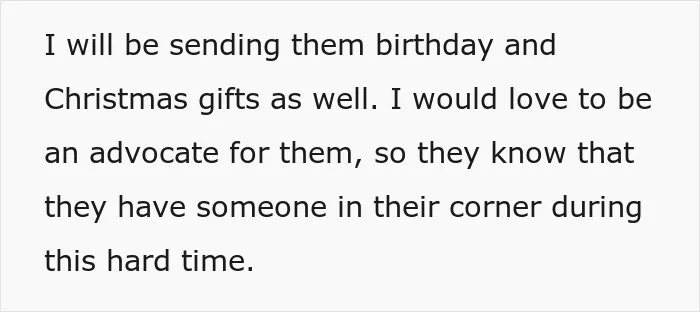
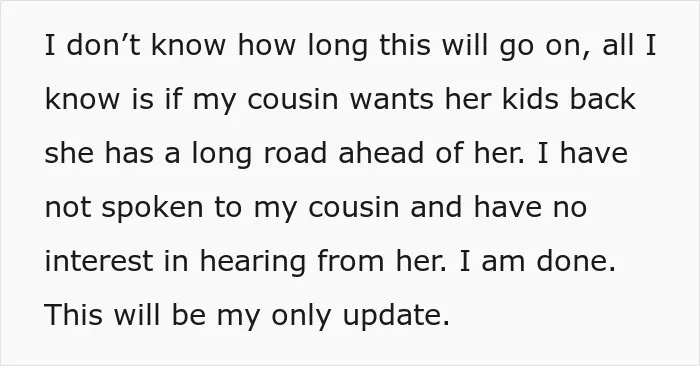
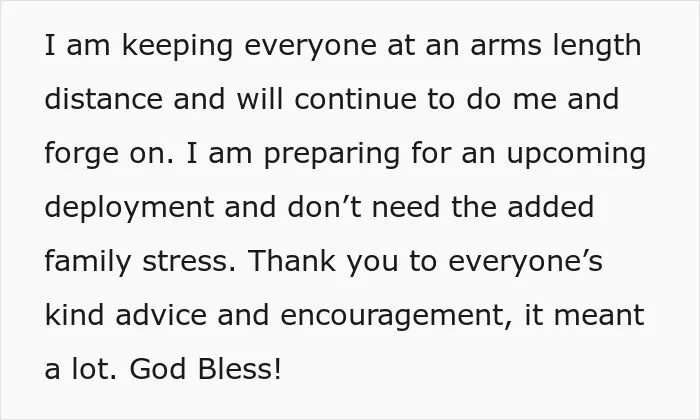
After a call with the CPS worker, the OP came back with an update

"The people-pleasing would have led to a lot more problems," commenters noted and supported OP's decision