

When a woman is pregnant, family and friends often go out of their way to make her feel loved and cared for. Whether it's satisfying those late-night cravings or helping with everyday chores, a little extra support can mean a lot. But while pregnancy is a special time, does that mean everyone has to agree to every request, no matter how unreasonable?
This post may include affiliate links.
Well, one woman shared how her pregnant cousin, who strongly believed in an ancient family prophecy, made a bizarre demand involving her name. What started as a conversation about naming the baby soon turned into a family dispute, with relatives pressuring the woman to give in. Keep reading to find out what her cousin wanted and how she responded!
Sometimes, believing in family traditions, spiritual omens, or ancient prophecies can lead to some rather unusual situations

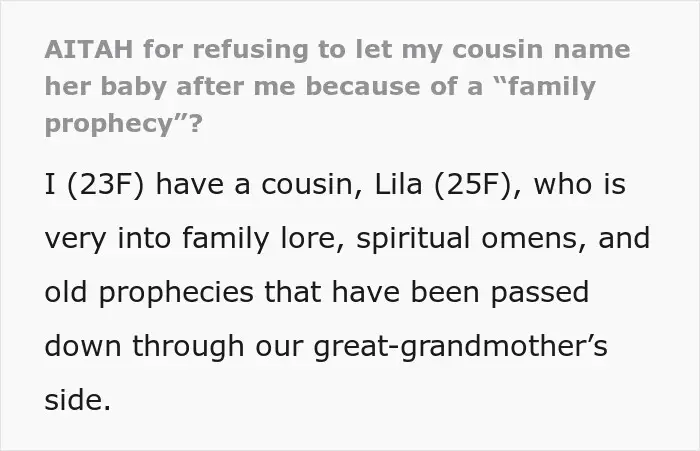
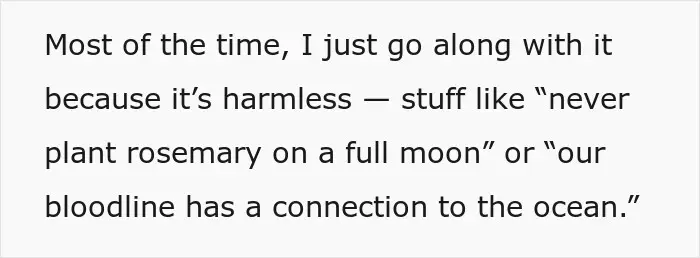
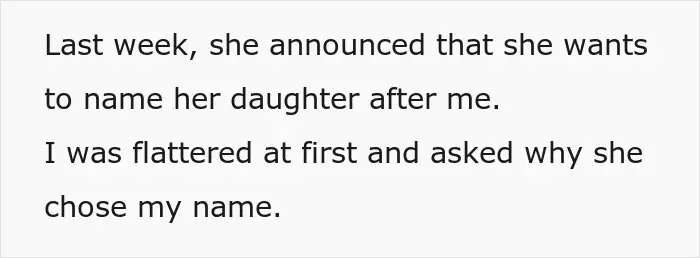
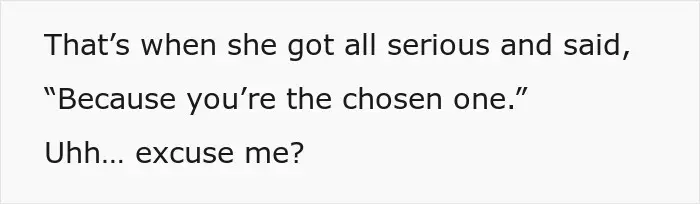
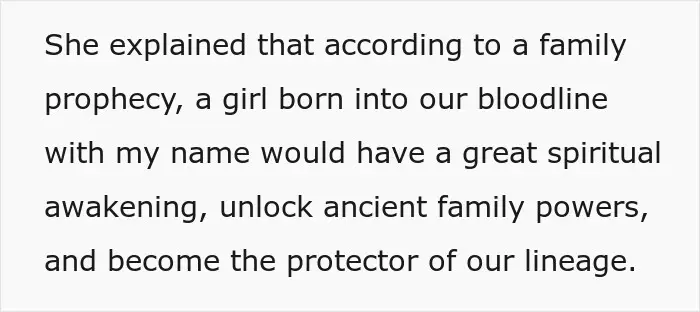
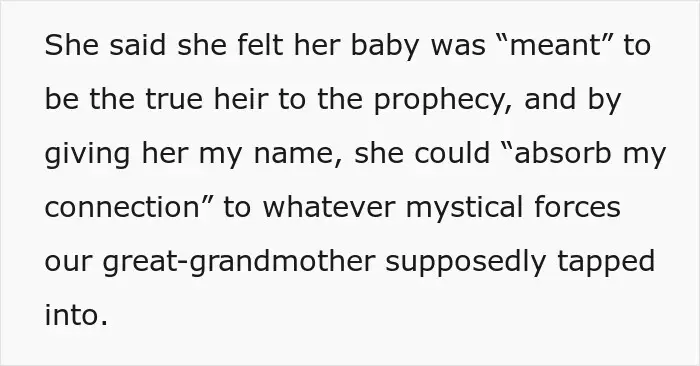
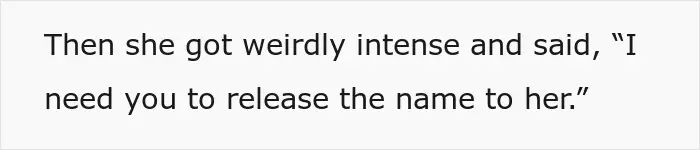
For instance, a woman was left confused when her family expected her to legally change her name for a baby because of family prophecy



In Denmark, parents cannot freely choose just any name; they must select from a list of approved names or apply for approval
Pandas, here's a fun question. If you had to change your name tomorrow, what would you pick? Would you go for something trendy, something unusual, or simply stick with the name you've always had? After all, our names are a big part of who we are.
But have you ever wondered why names matter so much? Well, they often tell us something about our family history, culture, and traditions. In many families, children are named after grandparents or other loved ones to honor them. Some names even carry stories passed down through generations. So, while a name might seem like a simple word, it can hold a lot of personal meaning.
Interestingly, names are considered so important that some countries even have laws about what parents can name their children. Take Denmark, for example. Parents generally choose from a list of approved names, although they can apply to have a new name accepted. The rules are intended to protect children from names that might cause problems later in life.
Iceland has a similar system. Its naming regulations require many names to follow Icelandic spelling and grammar rules. This means parents can't always pick a name simply because they like how it sounds. Sometimes, they need official approval first.
And these aren't the only countries with naming restrictions. Portugal maintains an official list of accepted names, while Hungary also has rules about which names parents can choose. In both countries, parents can request approval for names that aren't already accepted.
Germany has its own approach. Rather than relying on one fixed list, local registration offices review baby names to make sure they won't harm the child's interests. Names considered offensive or likely to expose a child to ridicule may be rejected. Of course, many countries give parents much greater freedom, which explains some of the wonderfully creative names we come across today!

A person's name can influence their sense of identity and belonging
Now, beyond traditions and naming laws, there's another interesting side to all this. Have you noticed how quickly you turn your head when someone calls your name, even in a crowded room? That's because our brains are particularly good at recognizing something so familiar.
In fact, research has explored how the brain responds to hearing one's own name. Even some patients with severe disorders of consciousness have shown measurable brain responses when their names are spoken. It goes to show just how significant this familiar sound can be.
And that connection begins early in life. Think about how often children hear their names throughout the day. Their parents call them for dinner, teachers use their names in class, and friends shout them across the playground. Over time, a name becomes closely associated with their experiences and sense of self.
But there's something else worth considering. How people use our names can also affect how we feel. Dr. Angela M. Ward, who works in education, has discussed why learning and pronouncing students' names correctly matters. When teachers make that effort, it can help children feel recognized, respected, and included.
On the other hand, constantly having your name mispronounced, mocked, or ignored can be upsetting. This is particularly important for children, who are still developing their confidence and sense of belonging. Something as simple as addressing someone by their preferred name can make a difference.
Of course, not everyone feels the same attachment to their name. Some people happily change theirs after marriage, while others choose a completely different name because it better reflects who they are. And that's perfectly fine! What matters is having the freedom to make that decision for yourself.
Coming back to today's story, the woman's cousin seemed to think asking someone to legally give up their name was a perfectly reasonable request. And when the woman refused, other relatives started pressuring her, too. But surely, deciding what to call yourself should be your own choice?
What do you think, pandas? Would you ever consider changing your name for a family member? Or would you find such a request completely unreasonable? Let us know in the comments!
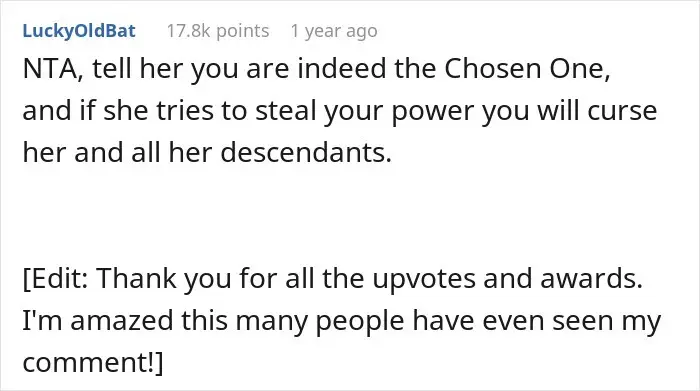
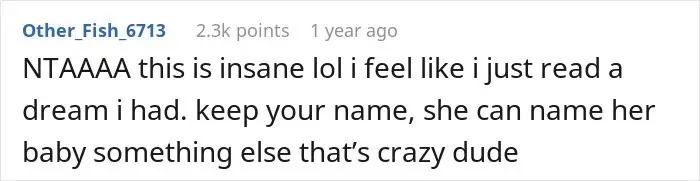
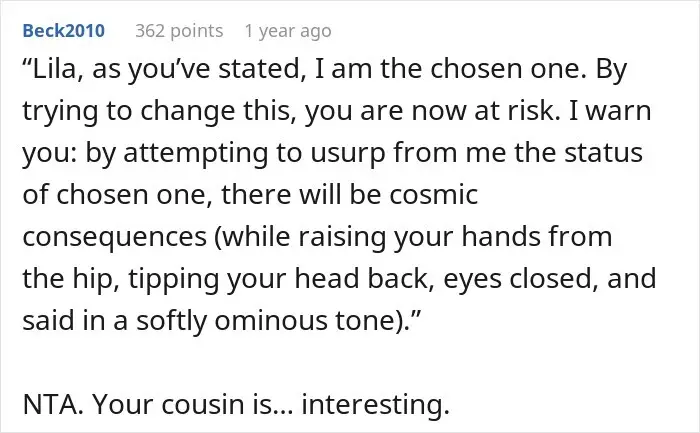
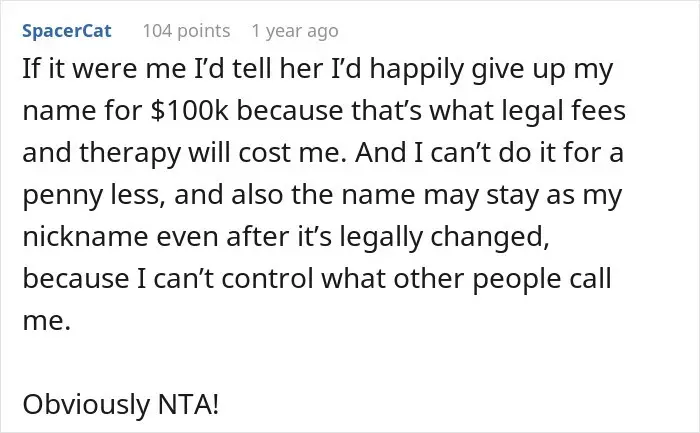
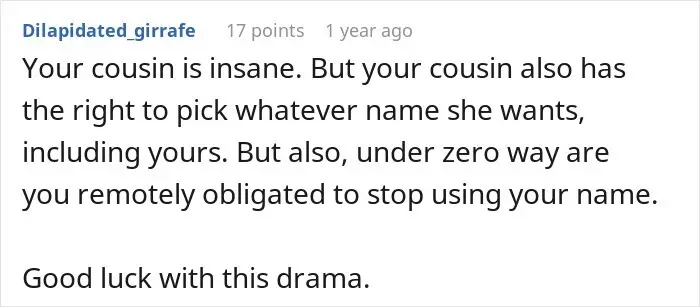
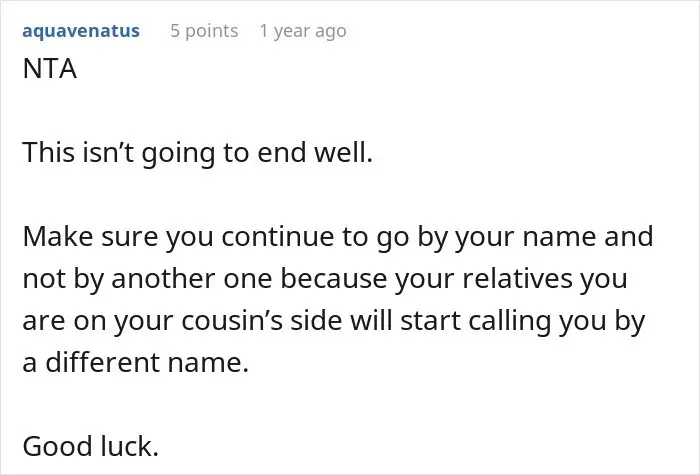
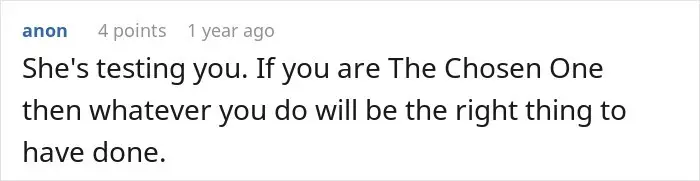
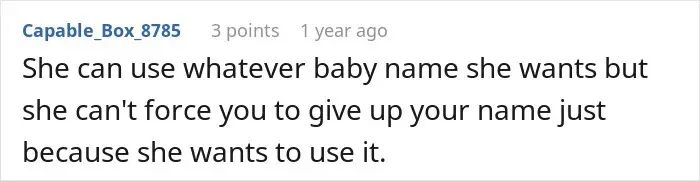
People were quick to reassure the woman that she wasn't at fault for refusing such an unreasonable request