



If you've ever worked a 9-to-5, chances are you've experienced some level of pressure at work. And no, this isn't something that only software engineers, doctors, or people in high-stress professions have to deal with. Whether you're just starting your career, have been working for decades, or sit at the very top of the company hierarchy, workplace stress can find you. Sometimes, a little pressure can be motivating—it can help us focus, meet deadlines, and get things done. But when that pressure becomes constant and there is no real opportunity to rest or recover, it can slowly turn into something much more serious: burnout.


The World Health Organization describes burnout as an occupational phenomenon caused by chronic workplace stress that has not been successfully managed. It is generally characterized by three main experiences: feeling emotionally and physically exhausted, developing a cynical or increasingly negative attitude toward one's job, and feeling less effective or accomplished at work. In other words, burnout isn't simply having one terrible Monday or feeling tired after a particularly busy week. It is what can happen when the stress keeps piling up for so long that even things you once handled easily begin to feel overwhelming.


And the numbers suggest that a lot of people are struggling with exactly that. Research from Moodle, conducted by research consultants at Censuswide, found that 66% of American employees reported experiencing some form of burnout in 2025. Younger workers appeared to be particularly affected, with 81% of people aged 18 to 24 and 83% of those aged 25 to 34 reporting burnout, compared with 49% of employees aged 55 and older. The reasons behind those differences can be complex, but the overall message is pretty clear: workplace exhaustion is affecting people across generations.


Research from Spring Health paints a similarly concerning picture. After surveying more than 500 HR professionals and 1,500 full-time employees across the United States, Canada, Mexico, India, and the United Kingdom, the study found that 74% of employees said they had experienced burnout. Meanwhile, 61% of HR leaders reported that burnout had increased over the previous year, and HR professionals estimated that around 30% of employees may be experiencing what is sometimes called “silent burnout”—continuing to show up and complete their work while quietly struggling beneath the surface.
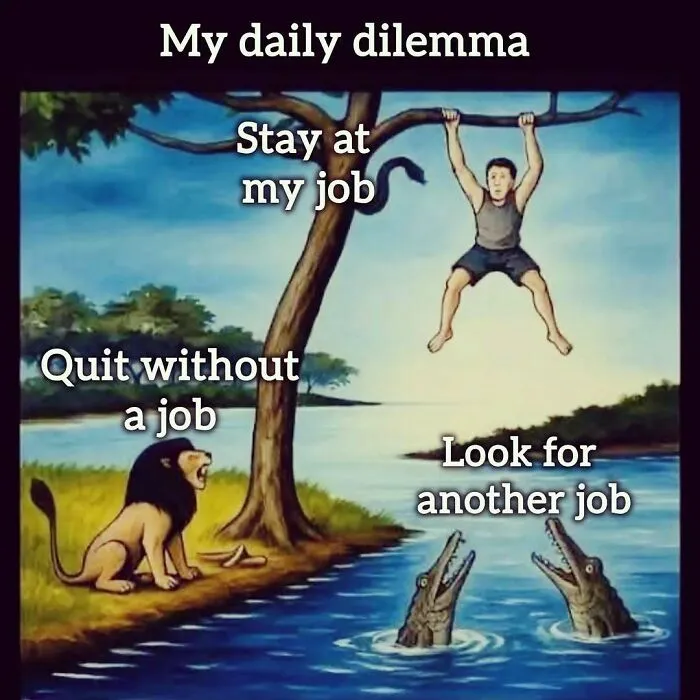

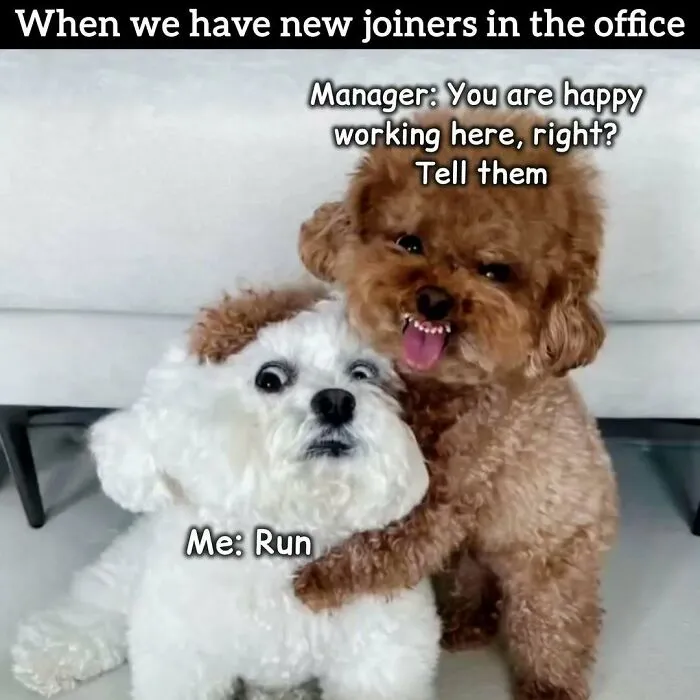
Here's the important thing: burnout may not be classified as a medical diagnosis, but that doesn't mean it has no effect on our health. When workplace stress continues for a long time, it can affect both mental and physical well-being. Research has linked prolonged stress and burnout with a range of health problems, including cardiovascular risks, metabolic issues such as type 2 diabetes, musculoskeletal pain, and other stress-related health concerns. The body and mind are not separate machines, after all. When one is under constant strain, the other often feels it too.
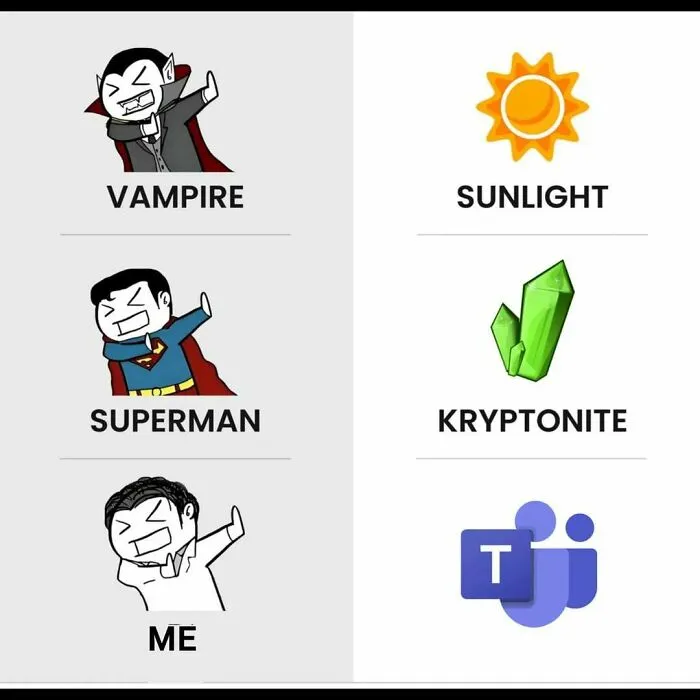
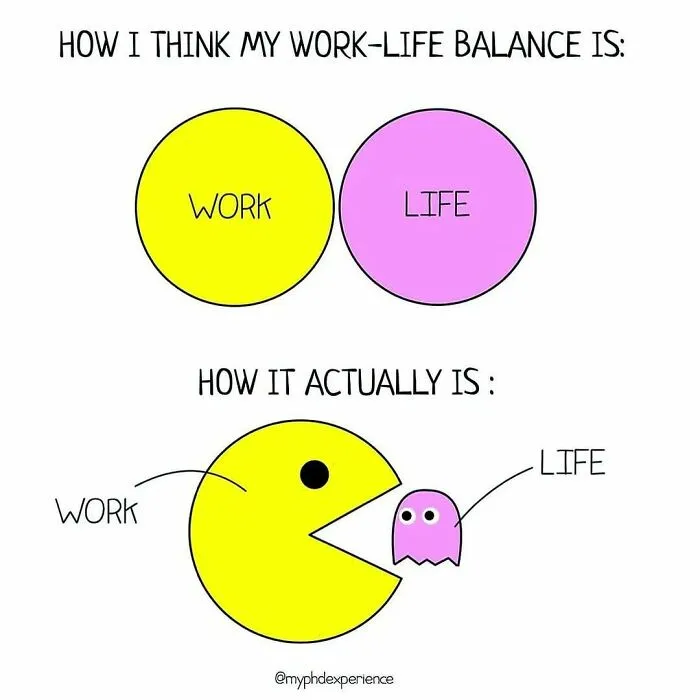
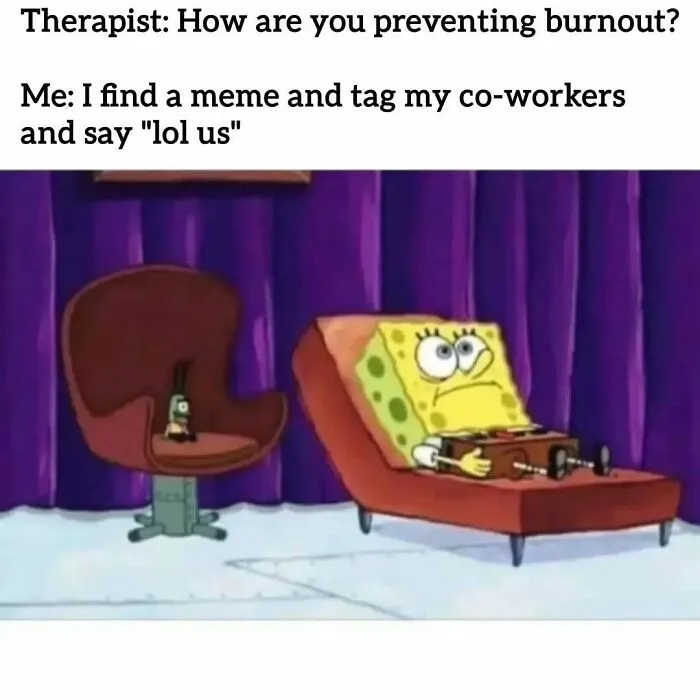
So, what actually causes burnout? According to the Mayo Clinic, one major factor is a lack of control. If you have little say over your schedule, workload, assignments, or how you carry out your job (and don't have the resources you need to do your work properly) stress can build quickly. Workplace conflict can also make things worse. Maybe you're dealing with a difficult coworker, an office bully, a manager who constantly hovers over your shoulder, or the feeling that the people around you are working against you. Even small tensions can become exhausting when they happen every single day.
A lack of support can make the situation even harder. Feeling isolated at work, or feeling as though you have no one to turn to in your personal life, can leave everyday problems feeling much bigger than they otherwise might. Unclear expectations are another common source of stress. If you aren't sure what your boss wants, what your priorities are, or whether you're actually doing a good job, it becomes difficult to ever feel finished or successful. You may complete one task only to immediately worry about whether you should have been working on something else.