




Here is the uncomfortable truth about big companies. They are not run by one all knowing genius armed with a perfect spreadsheet. They are run by crowds of humans, and crowds of humans have a remarkable talent for talking themselves into terrible ideas. Add a few layers of management, a looming deadline and a conference room full of stale pastries, and you have the perfect recipe for a decision that looks brilliant on a slide and baffling everywhere else.
Start with the habit of agreeing way too fast. Psychologists call it groupthink, and it kicks in when a team cares more about keeping the peace than about asking whether the plan actually makes sense. Nobody wants to be the person who politely raises a hand to point out that the new mascot looks suspiciously like a potato. So the room nods, the idea sails through, and the only honest feedback happens later in the parking lot.
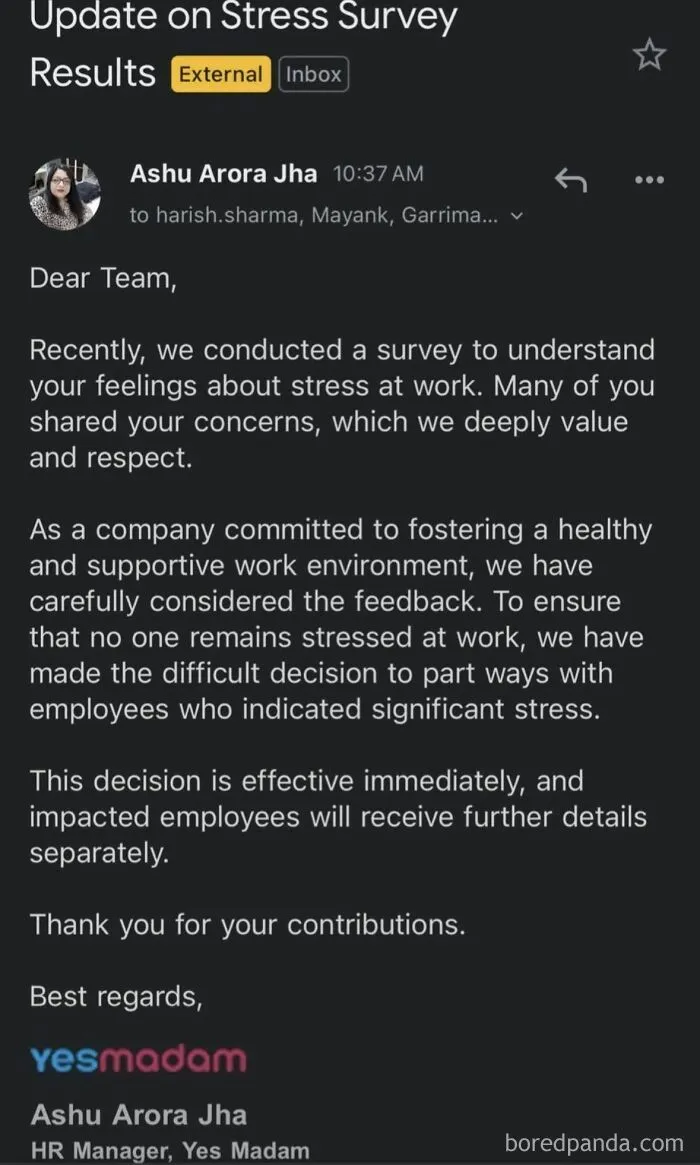
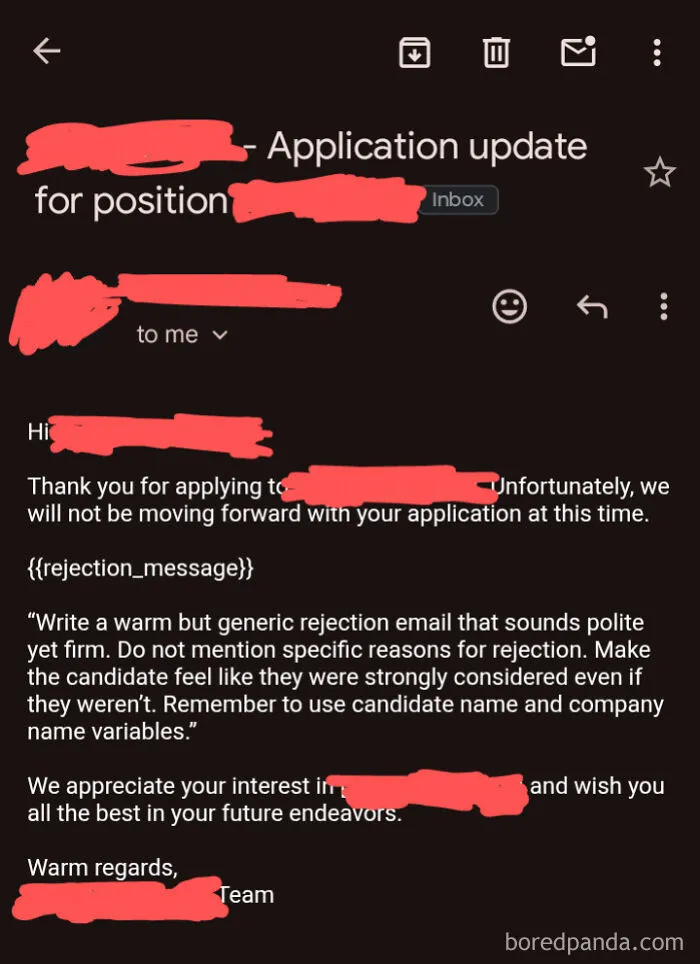
Then there is the question of who gets to make the call. The Peter principle is the cheeky idea that people keep getting promoted for doing well until they land in a role they are not actually good at, and then they stay there. Whether or not that is entirely fair, plenty of office veterans will tell you it explains a lot about the decisions that land on their desks.
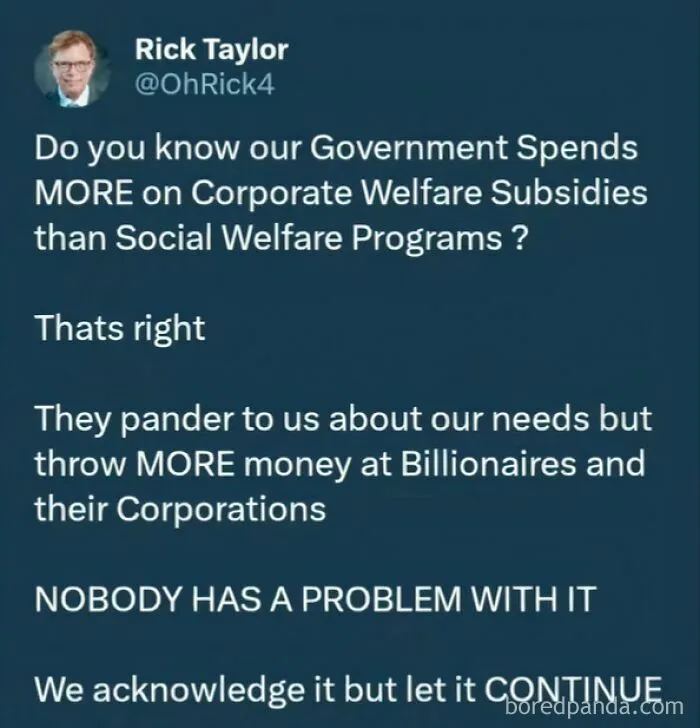
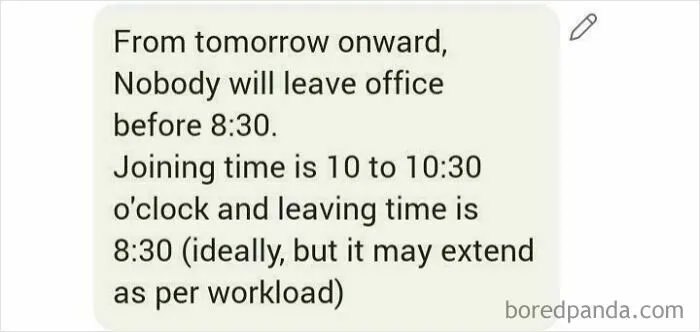
And then come the meetings, which are where common sense goes to take a long nap. The law of triviality says groups spend the most time on the smallest issues, because everybody has an opinion about a bike shed but very few understand a nuclear power plant. In office terms, that means a committee can wave through a multimillion dollar project in ten minutes and then argue for an entire afternoon about the color of the kitchen sponges.
#10 In Our Annual Company Kickoff Meeting This Week, Our Company Told Us That AI Was Not Here To Replace Us. They Posted This Photo To Socials - Everyone In This Photo, Except The Speaker, Is AI Generated

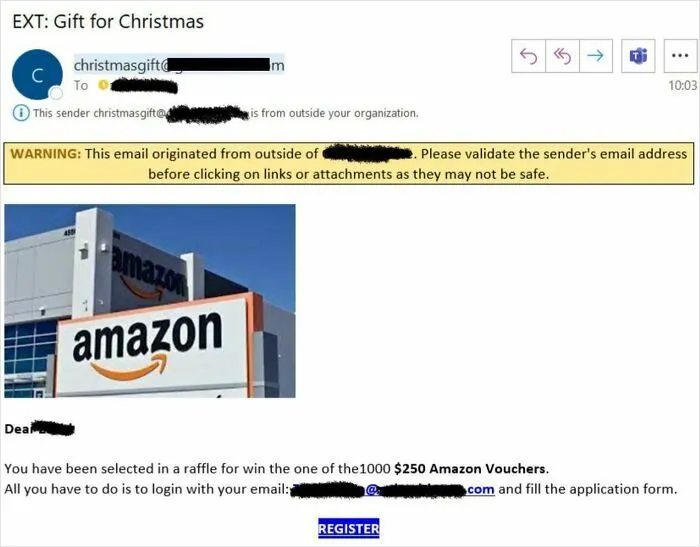
#11 Our Company Is Charging Us For Our Christmas Event


Even good data can lead a company astray. When Coke introduced New Coke in 1985, the sweeter recipe had won plenty of blind taste tests, so the decision seemed bulletproof. What the tests could not measure was how fiercely people loved the original. Customers revolted, and the classic formula was back on shelves after just 79 days. Turns out a quick sip is not the same thing as a relationship.

Past success is another sneaky trap. A Kodak engineer named Steven Sasson built an early digital camera in 1975, but the company, understandably protective of its film empire, was slow to run with it. Kodak filed for bankruptcy in 2012. Blockbuster, meanwhile, reportedly had the chance to buy Netflix for 50 million dollars in 2000 and politely declined, then filed for bankruptcy in 2010. Nothing says confidence like being overtaken by a DVD mailing startup
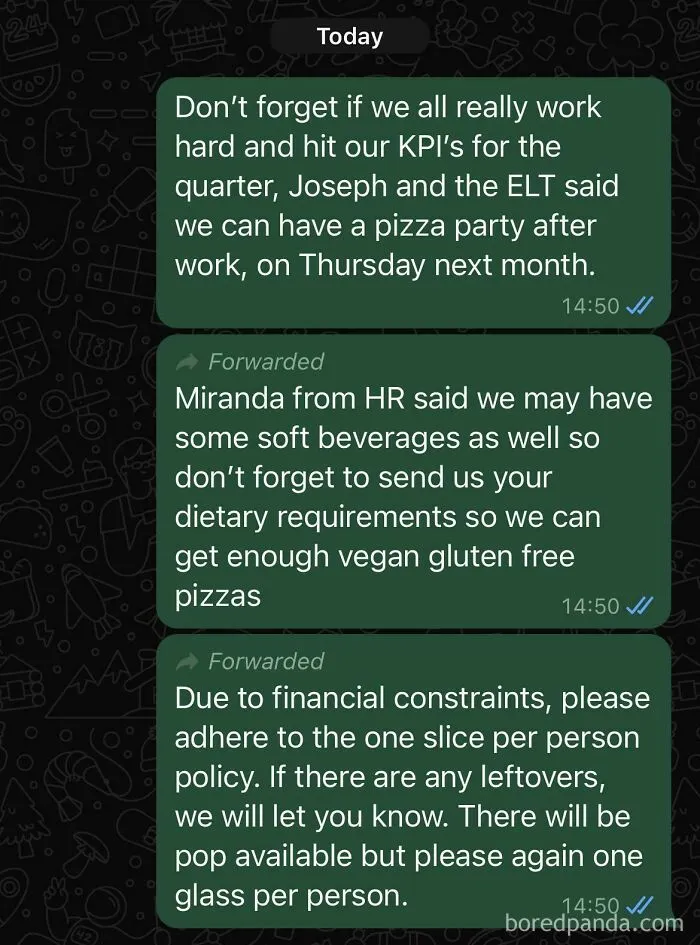
#17 No Shame At All

#findyourFryternity
#18 What Is Up With Workplaces, Really
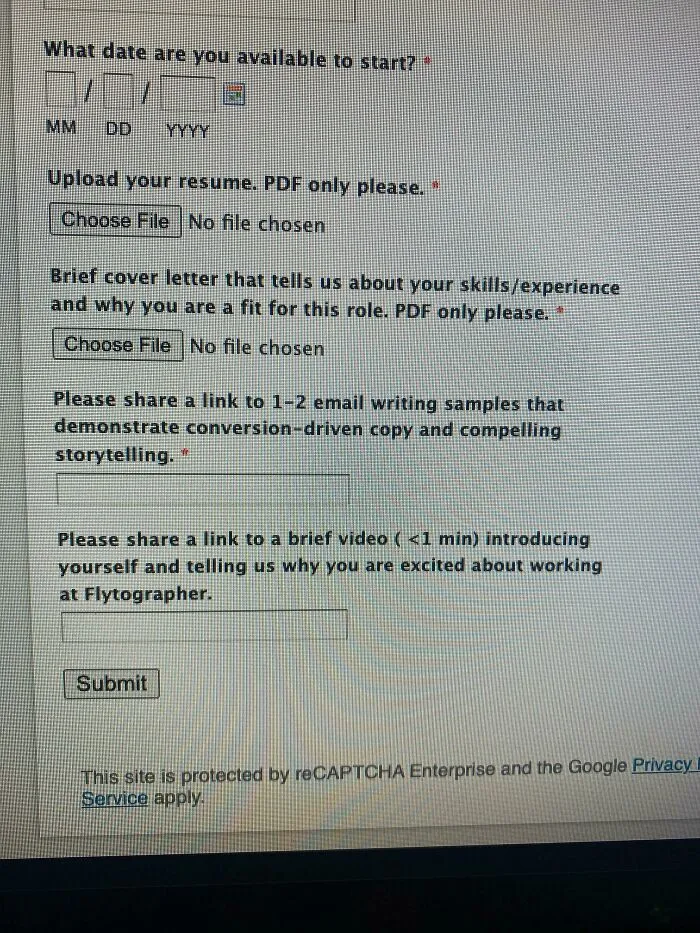
What happened to just doing your job and leaving workplace behind every day at 5pm, disconnecting, spending time with friends, hobbies and families?!
Knowing that we are going into recession here in Canada and US, like what’s next? Is there anything to look forward to? Or am I just working for a wrong company? What are the vibes at your organization?
Hype is powerful stuff too. Juicero raised roughly 120 million dollars to sell a pricey juice press, until reporters discovered that squeezing the juice packs by hand worked just fine. The Fyre Festival promised a luxury island getaway and delivered soggy tents and a lonely cheese sandwich. When enough excited people are chanting the same thing, it gets very hard to ask where the actual product is.
#20 Coca Cola Has Replaced Artists With AI. They Couldn’t Even Get Their Logo Right