







This post may include affiliate links.
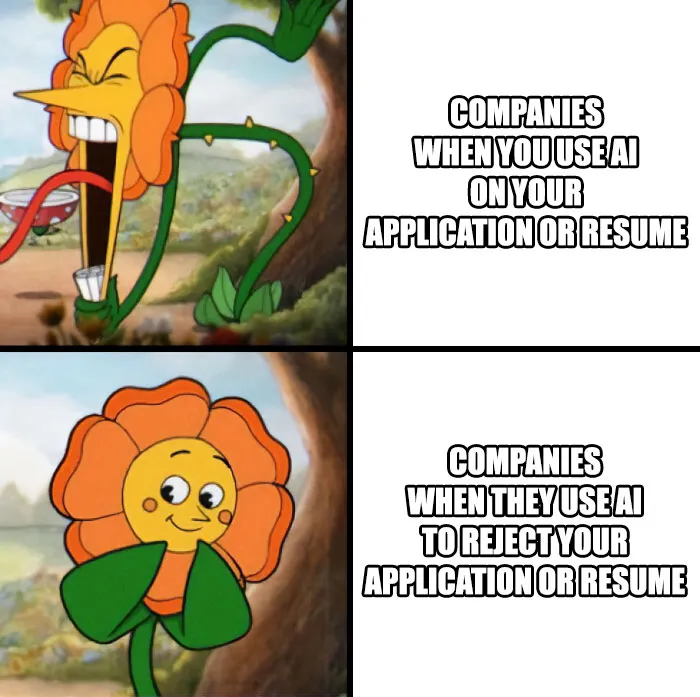
A well-timed and relevant opinion piece in The New York Times notes how machine learning, which has been evaluating potential employees for more than a decade, is now being supercharged with another layer of artificial intelligence and surveillance.
“As employers continue to use A.I. to rationalize the process of identifying strong applicants, applicants have begun to use similar tools to game the systems evaluating them. The vicious cycle thus begins: Employers buy or build new tools, which job seekers cotton on to, and on and on. It becomes a futile ‘Spy vs. Spy’ showdown instead of a useful way to meet the ostensible goal of giving qualified people jobs,” writes Jessica Grose.

According to Grose, the job market is very tough for applicants right now.
“There are more applicants for open roles than there were a few years ago, and many employers do not seem to be looking for diamonds in the rough; human resources experts are telling me that corporations are ramping up their expectations and requirements because they’re in a buyer’s market,” she writes.

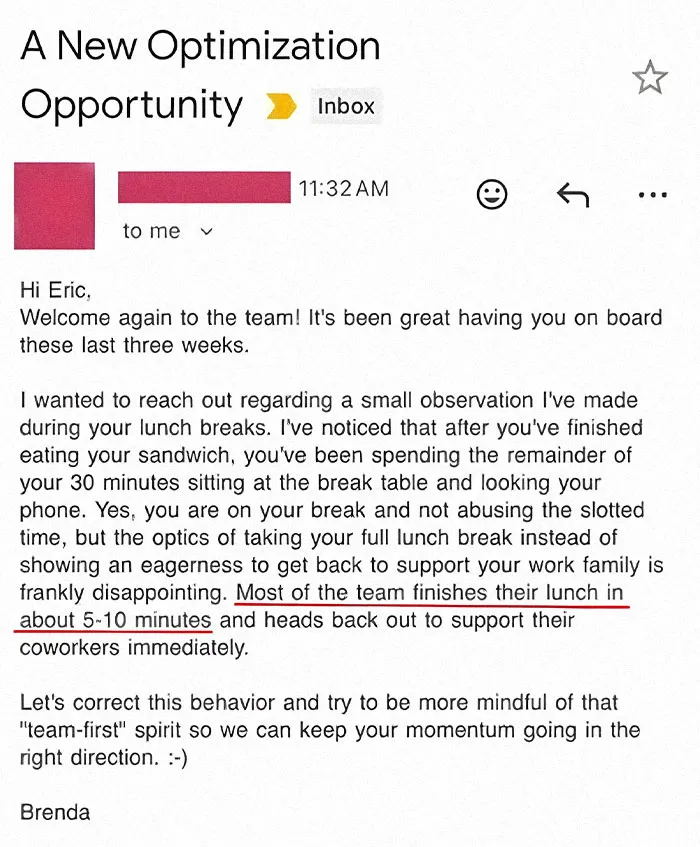
“Forcing employers to offer some kind of transparency and even feedback to potential employees would help correct the power imbalance and make the process of looking for a job feel at least slightly more human.”
One potential solution might be to turn back the clock and opt for old-school analog recruiting methods, such as referrals, local job boards, headhunters, and alumni networks.
According to mentorship and leadership development expert Ruth Gotian, Ed.D., Chief Learning Officer and Associate Professor of Education in Anesthesiology at Weill Cornell Medicine, there are four attributes that top performers share.
These are intrinsic motivation, perseverance, a strong foundation, and constantly learning through informal means, she writes in The Success Factor: Developing the Mindset and Skillset for Peak Business Performance.
However, it’s not enough to be great at what you do. How you communicate your achievements has a massive impact on your career path and growth.


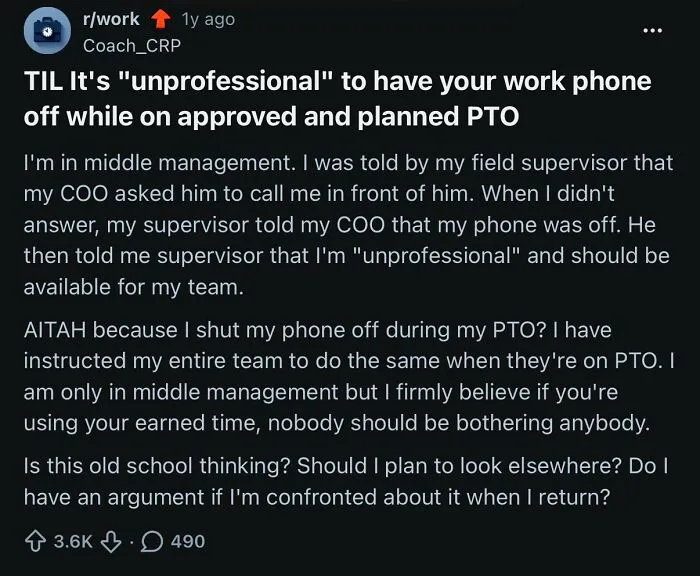
The cold, harsh truth is that, in the corporate world, what matters isn’t just working hard but also being visible. Gotian emphasizes how excellence without visibility can often lead to workers being overlooked.
“Your work no longer speaks for itself. You must speak for it,” she stresses in a post on Psychology Today.


Working long hours and doing a good job may not lead to rewards, raises, and promotions in the corporate world.
“The rules of career advancement have changed with the generations and advancement of social media and artificial intelligence (AI). Those who rise are not simply those who work the hardest. They are those who are visible,” Gotian explains.
Talented, ambitious, and competent top performers can fall behind because they are not being seen.

