


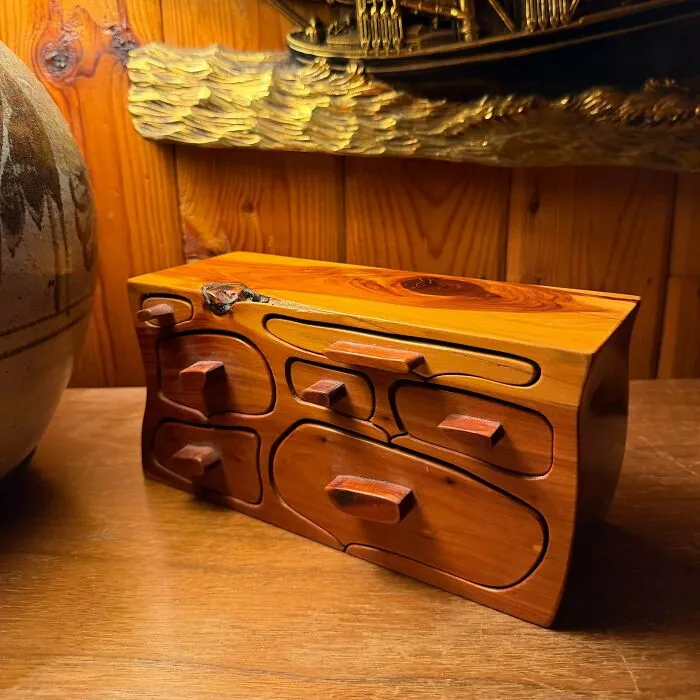
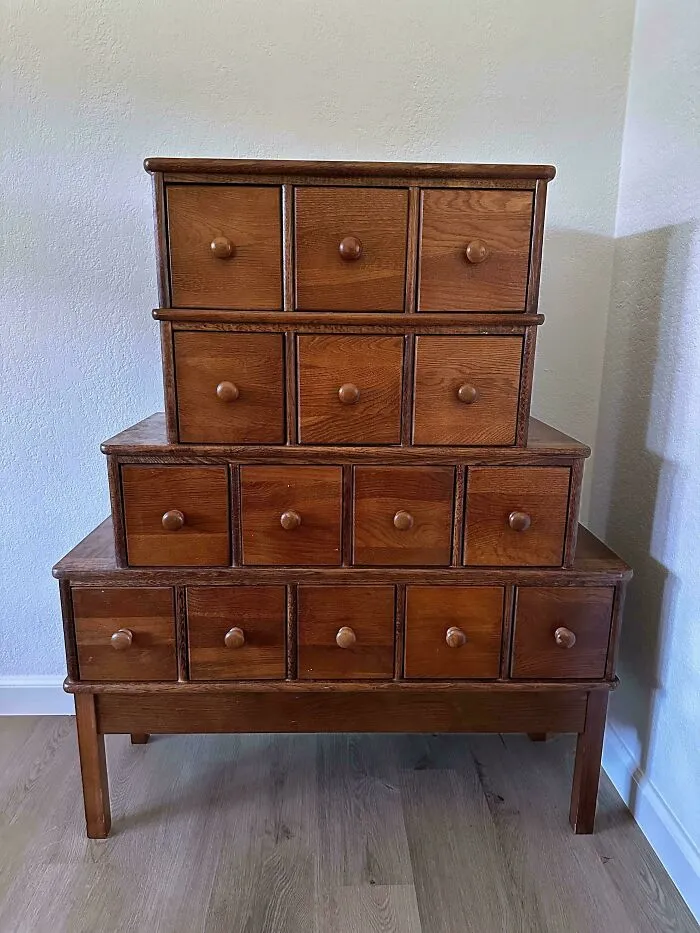
#2 Found This Really Cool Wooden Jewelry Box At Goodwill Today. It Even Has A Hidden Drawer Within A Drawer

Thrifting can be fun, which is why statistics show that nearly 1/3 of all apparel purchases in the U.S. are secondhand, and Gen Z seems big on this trend, with around 83% of them being avid thrift shoppers. Women also make up a large share of this group, and many shop online because it’s much more convenient.
Interestingly, around 2 of 5 items in younger people’s closets are secondhand, which suggests they're more open to thrifting. Around 58% of Gen Z actually search for used items before they even think about splurging on a new product.
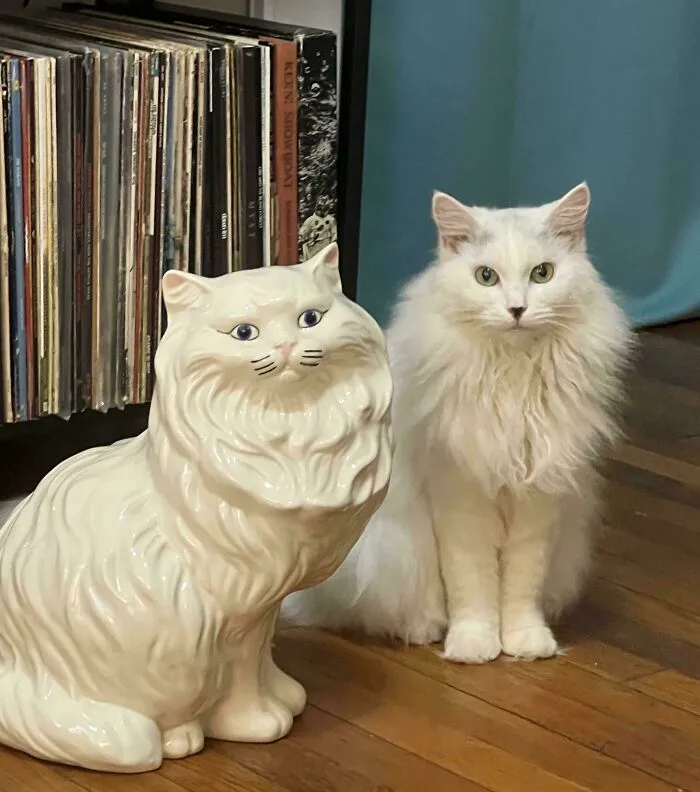
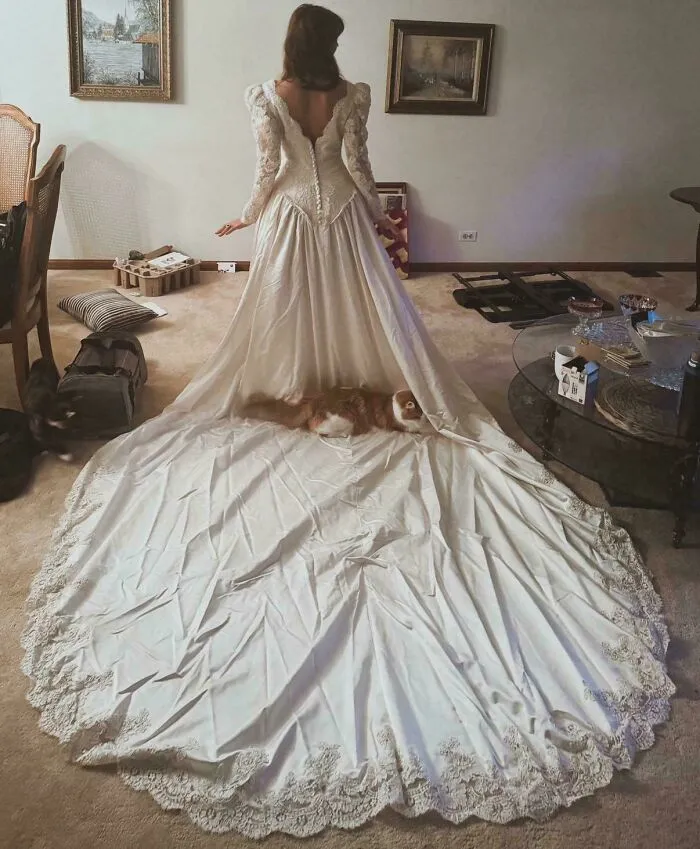
#6 I Finally Found One Of These Statues For A Fair Price! My Cat Is Not Impressed…
Finding secondhand products at a thrift shop can be time-consuming, with some people spending almost 30 minutes to an hour. According to Kali Borovic, founder of ‘Tales From The Thrift Shop,’ it’s difficult to walk up to a rack of clothes and find something in your size.
That’s why people have to spend time combing through a lot of stuff to find things they like and that actually might fit them. Sometimes, people find things they weren’t expecting to buy and end up taking them. Since thrift stores are generally cheaper, this can work out quite well and lead to a decent haul.
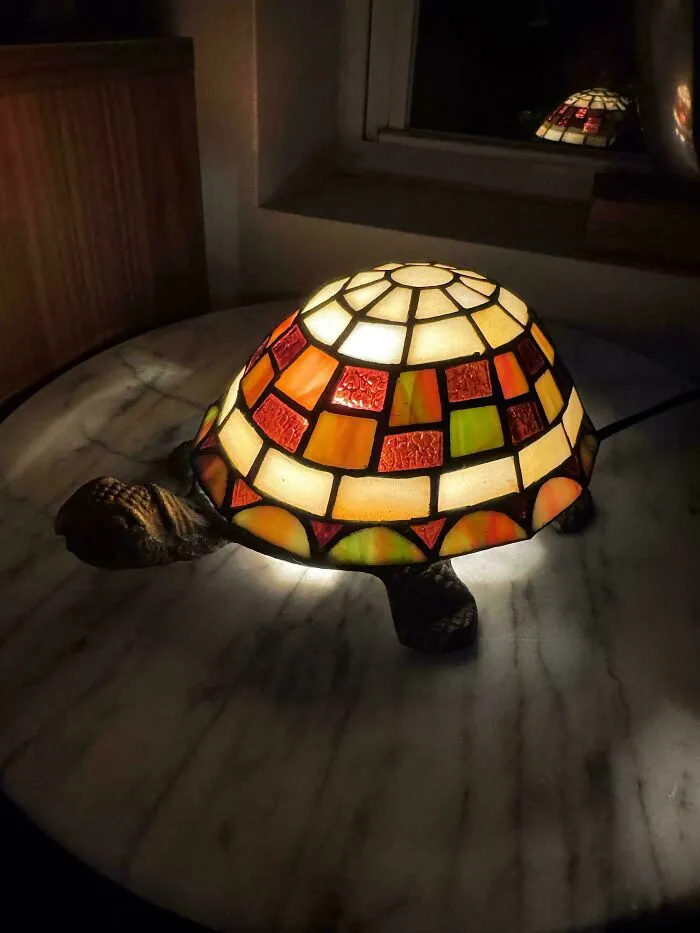
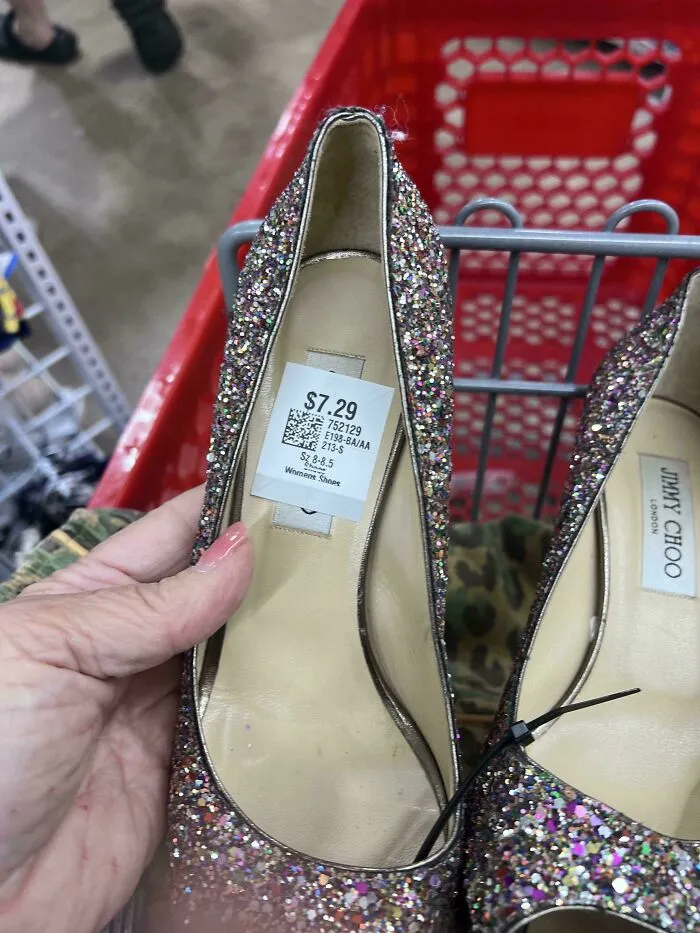
#9 I Guess Younger Folks Doing The Pricing Aren’t Familiar With This Brand
Buying used items should definitely be much less expensive in the long run, but many new thrifters wonder how much folks spend on average. According to Hannah Rupp, a Wisconsin-based thrifter and fashion blogger, she spends no more than $40 on secondhand purchases each month.
Research has also found that American thrift shoppers save an average of $1,452 per year. Most products and clothes are budget-friendly, which makes thrifting a cost-effective option for people who want to be fashionable but still go easy on their wallets.

One of the biggest reasons so many young people are choosing secondhand items is that they are more worried about their finances. In fact, Talker Research points out that around 72% of Gen Z say they go thrifting to save money. This financial stress isn’t unusual, as high inflation and rising living costs make it difficult for people to manage on their salary.
Worldwide, young people report more interest in budgeting and saving money, so it’s no wonder secondhand shopping helps them stick to their new lifestyle. It’s also becoming a trendy option among young people, whose peers might be filling their wardrobes and homes this way.
#13 The Fb Marketplace Gods Finally Smiled Upon Me. This Large Apothecary Cabinet Was $30
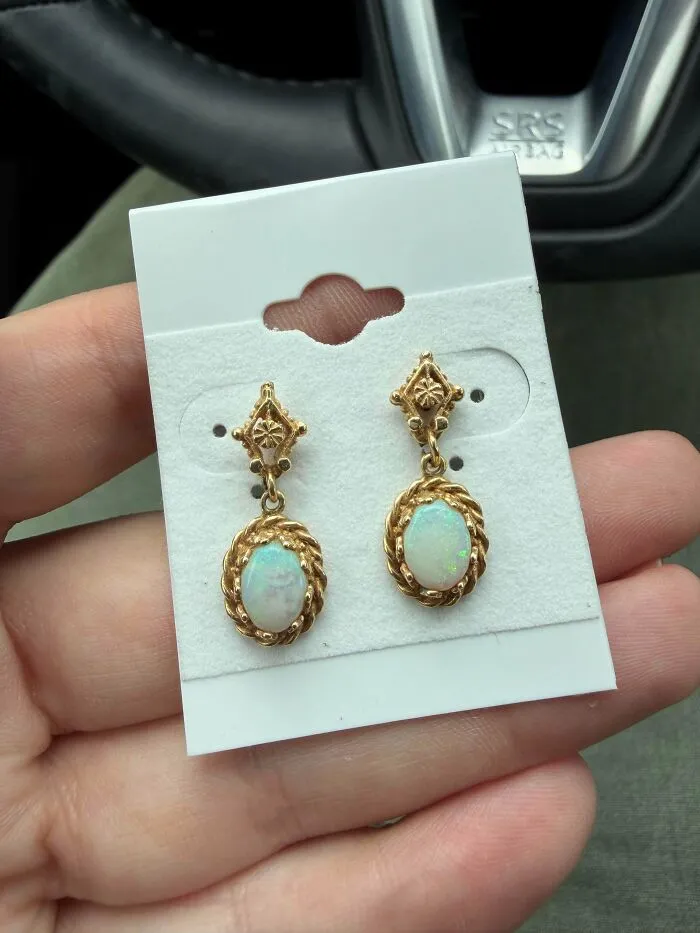
#14 Almost Didn’t Go To This Community-Wide Yard Sale. 14k Opal Earrings For $1!
Beyond saving money, research has found that around 51% of Gen Z seem to like thrift shopping because it gives them a thrill when they get a good deal. Others really love hunting for unique items, and some even try to find collectibles, which can be the hardest thing to come across.
For 30% of young folks, thrift shops simply have a good vibe, and they treat this kind of purchasing like a hobby. That’s probably why many of them also see it as a form of self-care, and it makes them feel more relaxed and happy. Trends have clearly changed drastically, and secondhand shopping is a big part of people’s lifestyles, which is why many folks treat it as an errand and take a friend along.
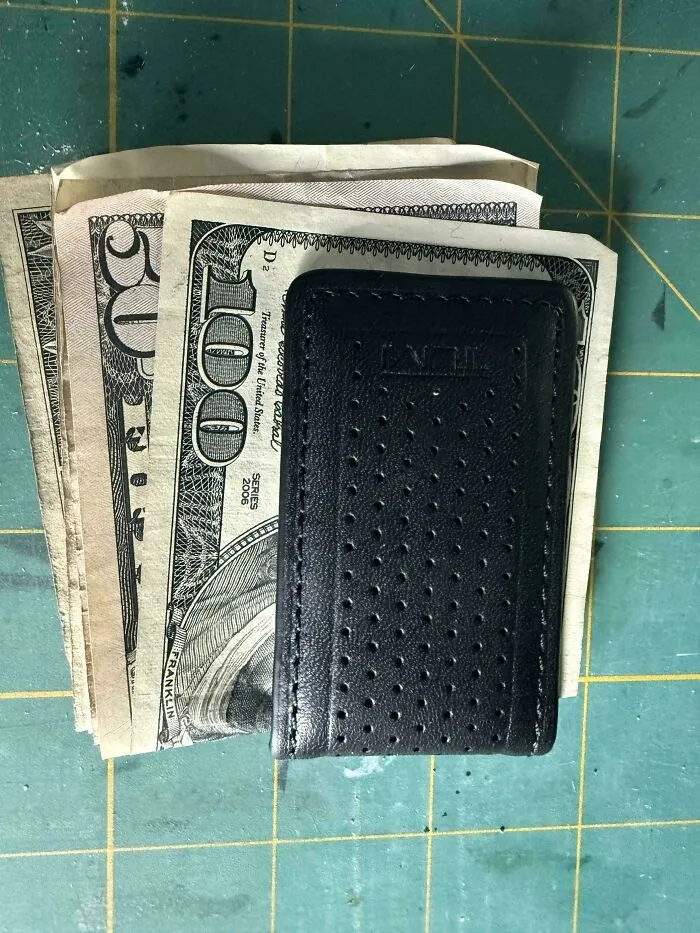
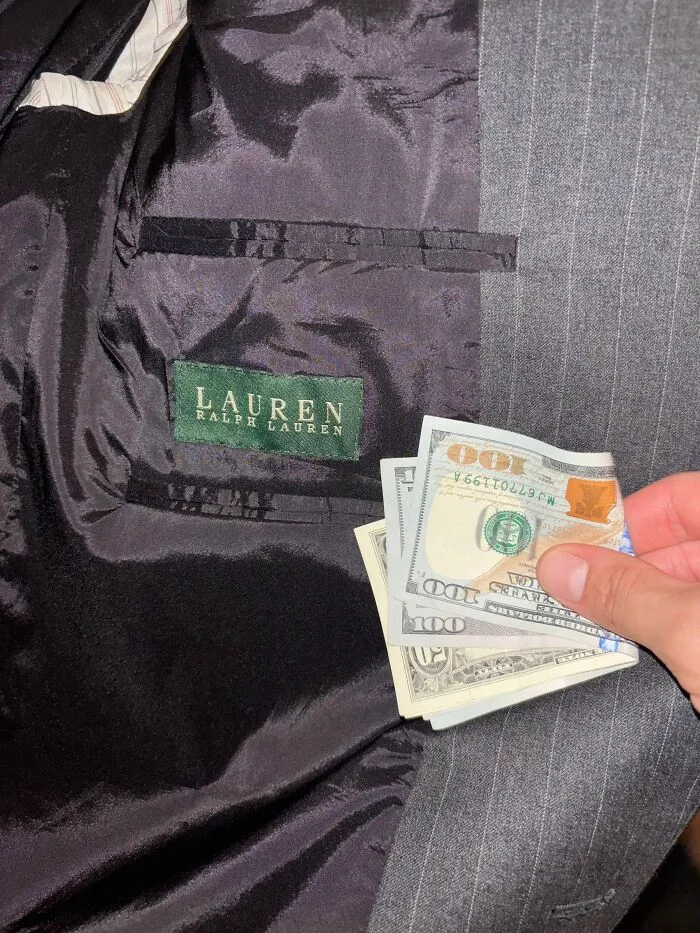
#16 I Found $250 Cash In This Ralph Lauren Suit I Got From Goodwill For $12.99!
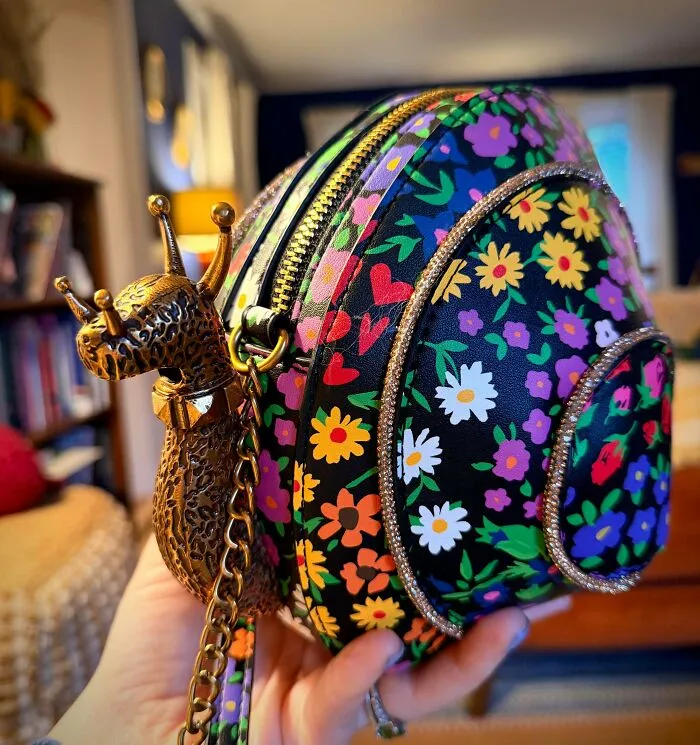
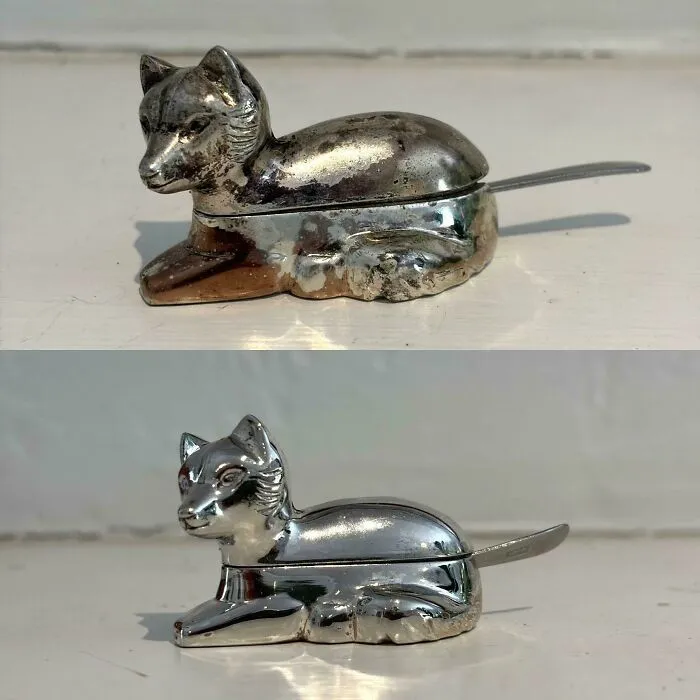
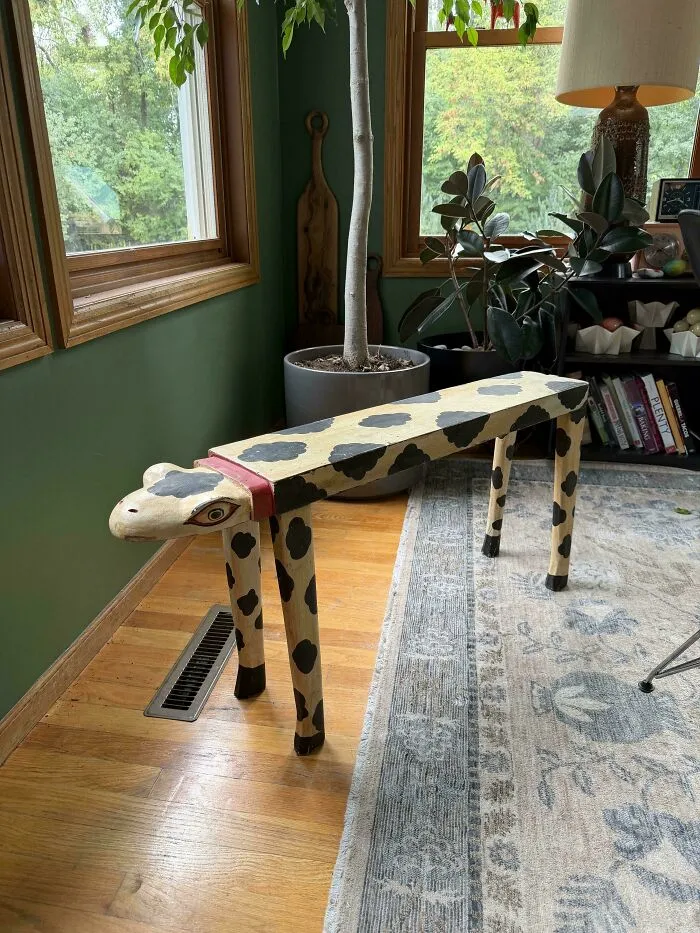
#17 Not Sure What Animal It Is Precisely, But For $3.99 It Came Home With Me
Thrifting genuinely seems like the best way to buy what you need without breaking the bank, but unfortunately, students who have gone thrifting many times explain that it can actually push people to overconsume. People might buy too much because of the lower prices, which can make them feel like they can keep purchasing more stuff.
People who have been obsessed with thrifting explain that they used to pick up anything that caught their eye, especially if it was cheap, but it would sometimes go to waste after the initial purchase. Buying so many things and not using them all can also create clutter in people’s homes, which isn’t what the thrifting lifestyle is based on.