





The natural world is home to some truly bizarre creatures, so strange yet fascinating that they seem more alien than Earth-born.
Some are extremely rare, glimpsed only a handful of times due to disappearing habitats or stealthy survival skills. Others disguise themselves so well they’re nearly invisible in plain sight.
From transparent octopuses and prehistoric crustaceans to horned lizards and nightmarish birds, these are some of the most visually astonishing animals on the planet.
#21 Yeti Crab
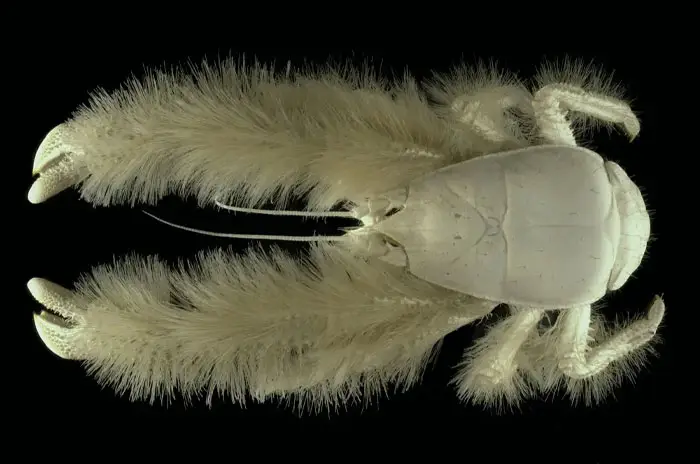
The Yeti Crab, or Kiwa Hirsuta, looks like it’s wearing shaggy mittens. Its claws are covered in white bristle-like hairs that resemble fur.
But this fuzz isn’t just for show. The Yeti Crab uses it to farm bacteria, which it then consumes. These bristles may also help guide the nearly blind crab through the pitch-black depths where it lives.
But this fuzz isn’t just for show. The Yeti Crab uses it to farm bacteria, which it then consumes. These bristles may also help guide the nearly blind crab through the pitch-black depths where it lives.
unknown
Report3points
#22 Christmas Tree Worm
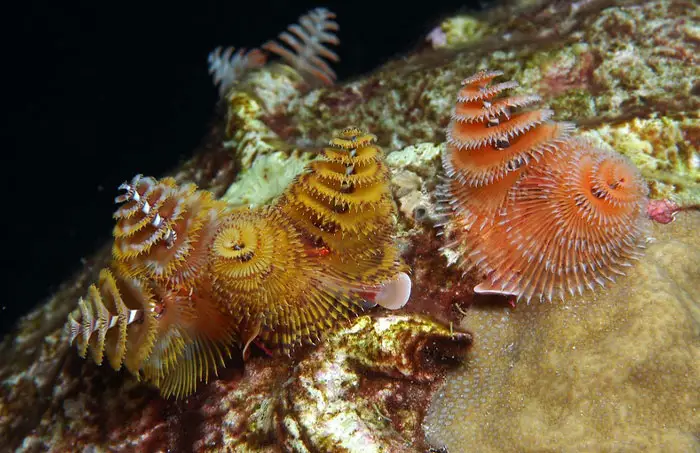
Christmas Tree Worms are tiny sedentary creatures with two multicolored spiral structures that jut out from their bodies, called crowns. These crowns resemble Christmas trees, a series of spirals that eventually taper to a point.
Christmas Tree Worms don't move much once they find a spot they like. In fact, the majority of their bodies are burrowed, with only the crowns visible.
Even then, if they detect the presence of a predator, the crowns react with blinding speed, quickly retracting along with the rest of the body. Unlike many species of worms, the Christmas Tree worm doesn't have to worry as much about threats to its survival.
2points
#23 Immortal Jellyfish
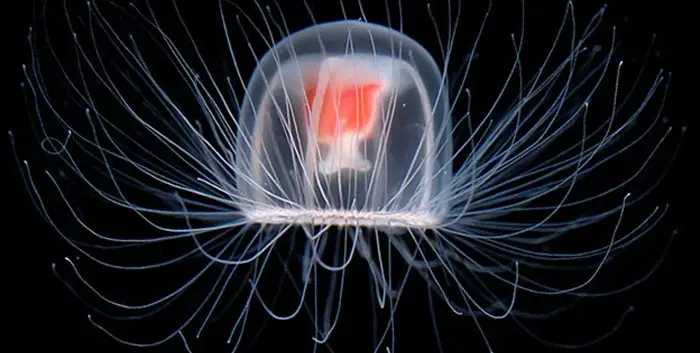
The Immortal Jellyfish looks like any other gelatinous drifter, but its biology tells a different story. This rare species can reverse its aging process, transforming its adult cells into their juvenile form.
The process, called trans-differentiation, allows the jellyfish to cycle between maturity and youth indefinitely, essentially resetting its life. Found in waters off Mexico, Panama, and Brazil, this quietly extraordinary creature may never truly die of old age.
The process, called trans-differentiation, allows the jellyfish to cycle between maturity and youth indefinitely, essentially resetting its life. Found in waters off Mexico, Panama, and Brazil, this quietly extraordinary creature may never truly die of old age.
unknown
Report2points
#24 Proboscis Monkey
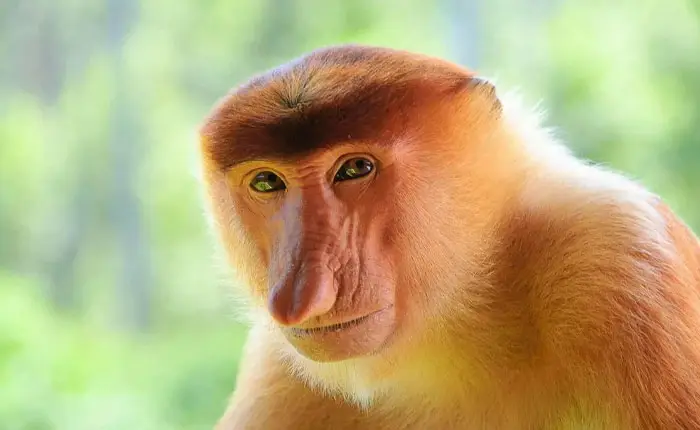
The Proboscis Monkey is impossible to mistake thanks to its comically long nose. Males have even longer snouts than females, using them to woo potential mates and amplify their calls across the forest.
Aside from their noses, these monkeys share familiar traits: reddish-brown fur with pale underbellies.
Newborns have blue faces that slowly turn pink as they age, adding another visual oddity to an already peculiar primate.
Aside from their noses, these monkeys share familiar traits: reddish-brown fur with pale underbellies.
Newborns have blue faces that slowly turn pink as they age, adding another visual oddity to an already peculiar primate.
unknown
Report2points
#25 Star-Nosed Mole
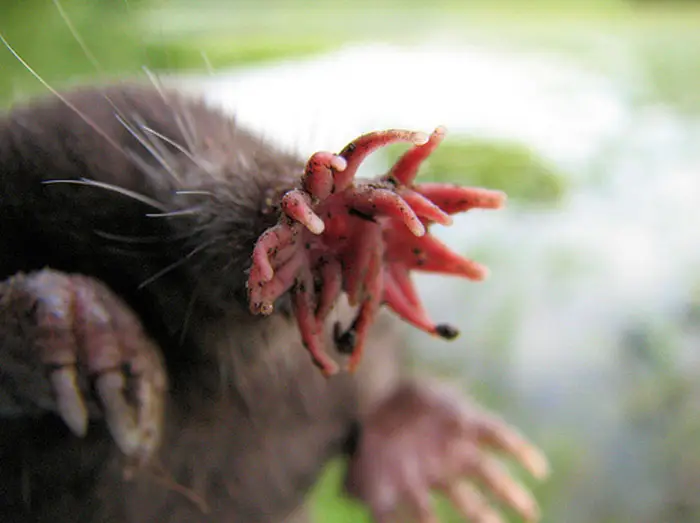
The Star-Nosed Mole might be one of the strangest-looking mammals on Earth. Its signature feature is a bizarre, fleshy nose fringed with 22 tentacle-like appendages, forming a pink starburst at the tip of its face.
This odd snout isn’t just for show. These “rays” are hyper-sensitive touch organs, able to make sense of their surroundings and locate prey in near-total darkness. In fact, they’re the fastest-touching organ in the animal kingdom, capable of sensing up to 12 different points per second.
During mating season, scent glands in their wrist, throats, and abdomens become active, helping them locate partners.
2points
#26 Rainbow Stag Beetle
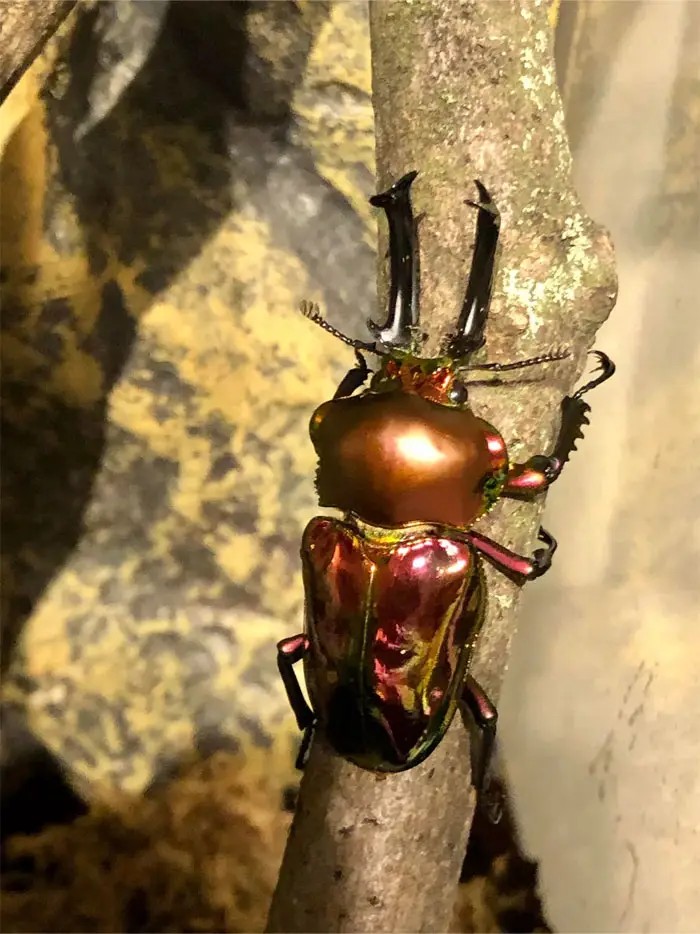
With a shell that gleams like polished metal, the Rainbow Stag Beetle lives up to its name. Its body reflects brilliant hues of red, green, and blue, but those colors fade quickly after death, making it notoriously difficult to capture accurately in photos.
These beetles spend most of their lives as larvae, tucked away in rotting wood. Once they finally mature, they continue feeding on decaying wood, occasionally nibbling on fruit, sap, or nectar.
These beetles spend most of their lives as larvae, tucked away in rotting wood. Once they finally mature, they continue feeding on decaying wood, occasionally nibbling on fruit, sap, or nectar.
Report
2points
#27 Giant Isopod
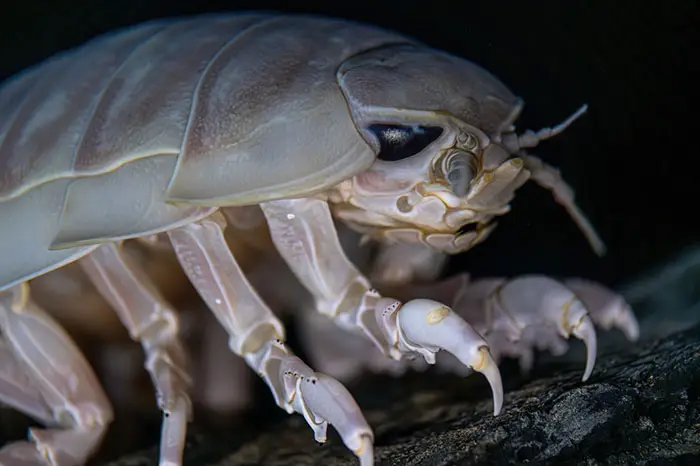
The Giant Isopod looks like a deep-sea armadillo, armored, ancient, and strangely captivating. One of the largest crustaceans alive today, it’s closely related to shrimp and crabs.
These bottom-dwellers live in the ocean’s cold depths and have been around for over 160 million years, predating even the mighty T. rex.
As odd as it sounds, they’re distant relatives of the humble backyard woodlouse.
These bottom-dwellers live in the ocean’s cold depths and have been around for over 160 million years, predating even the mighty T. rex.
As odd as it sounds, they’re distant relatives of the humble backyard woodlouse.
Report
2points
#28 Psychedelic Frogfish
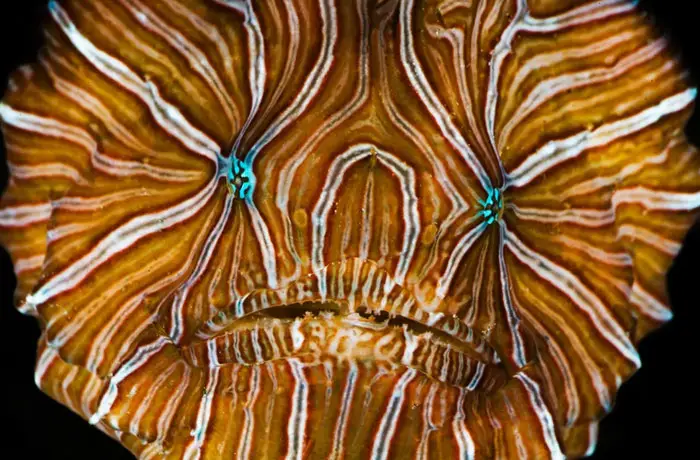
The Psychedelic Frogfish lives up to its name, decked out in wavy pink and white stripes and covered in thick mucus. It’s not exactly cuddly, but it’s unforgettable.
What sets it apart is its movement. This fish bounces along the ocean floor like a beach ball, using its fins to launch itself up and then jetting forward by shooting water from its gills.
It’s a weird swimmer and one of the sea’s most surreal sights.
What sets it apart is its movement. This fish bounces along the ocean floor like a beach ball, using its fins to launch itself up and then jetting forward by shooting water from its gills.
It’s a weird swimmer and one of the sea’s most surreal sights.
2points

