



#2


We all need to eat every day. At the most basic level, food keeps us alive and gives us the energy to function. At its best, though, it can be almost life-changingly delicious. A really good meal can be something you look forward to all day.
The problem is, there’s a big difference between simply feeding yourself and actually knowing how to cook well.
#4
#5

#6

Thankfully, plenty of people seem pretty confident about their abilities. A YouGov survey reported by The Independent found that 52% of people in the UK could confidently cook at least 10 dishes from scratch. Almost a third said they had 20 or more dishes in their repertoire.
Still, one in 10 admitted they couldn’t cook at all, with around five million adults apparently struggling with something as simple as boiling an egg. So why do some people find such a useful everyday skill so difficult?
#7
#8

#9
One explanation is that cooking has to be learned somewhere. For many of us, that starts at home, simply by watching family members prepare food and helping out along the way.
But not every child gets the chance to learn those basics, which can leave them playing catch-up later in life. A study of 1,049 adults in Ireland found that people who learned most of their cooking skills as children or teenagers generally felt more confident in the kitchen as adults.
#10
#11
#12

If you’re of a certain age, you might remember when learning to cook at school was just part of growing up. These days, hands-on cooking lessons are something of a lost art in many places.
Japan is one country where that kind of education is still very much alive. They have something called shokuiku, which teaches children about food and nutrition from a young age. It can also include practical cooking and learning more about where food comes from.
#13

#15
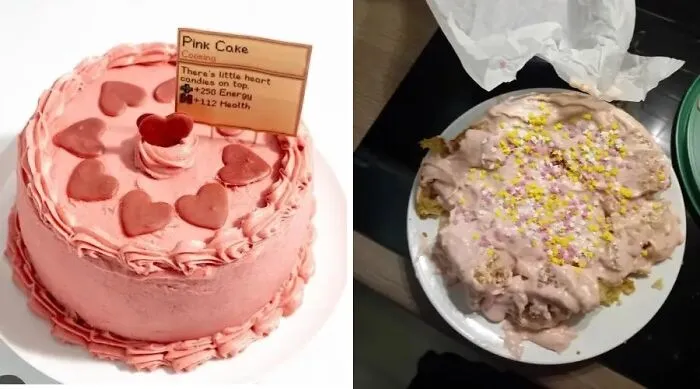
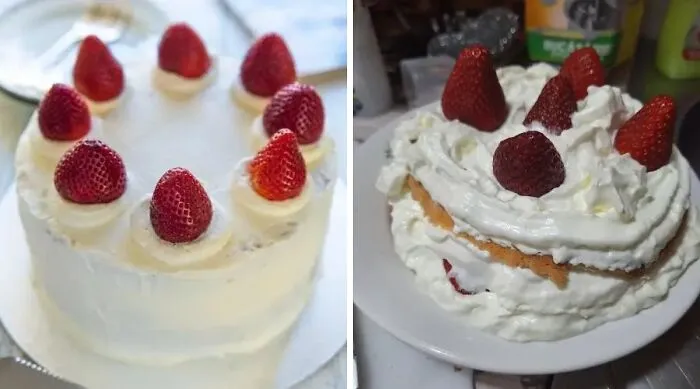
Of course, knowing the basics of cooking doesn’t mean every recipe will be easy to pull off. Baking is notoriously fussy. It’s basically the maths of cooking, because the measurements and conditions have to be pretty precise. Change one small thing, and the final result can go in a completely different direction.
For example, if a cake recipe calls for softened butter and you use it straight from the fridge, you can end up with a cake that barely rises. Or add too much flour to cookies, and they can come out dry and crumbly instead of soft and chewy.
#16

#17
#18
And if that sounds dramatic, consider Kate Reid. Before opening Melbourne’s famous Lune Croissanterie, the former Formula 1 aerodynamicist spent about three months testing croissants every single day.
She changed one variable at a time and treated the pastry like an engineering problem until she got the result she wanted. So yes, even someone who went on to build a business around croissants had to spend months figuring out how to make the perfect one.
#19

#20