




"This has a huge impact on how people deal with money," Schneider said. "The economy has been growing and the unemployment rate is relatively low and declining, yet we’re not seeing that growth and prosperity getting distributed down to the bottom."
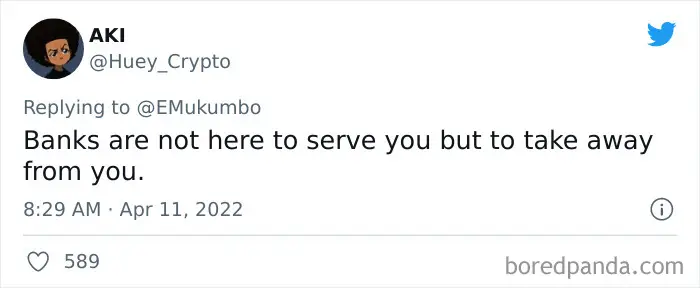
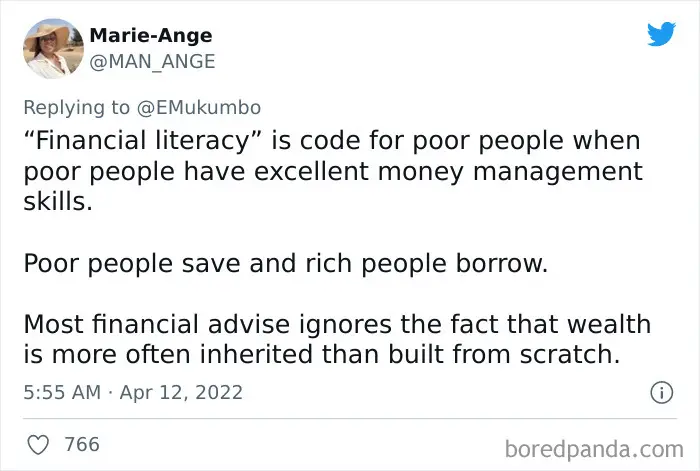
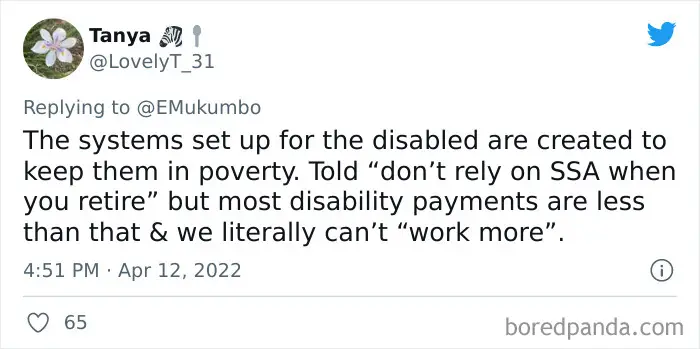
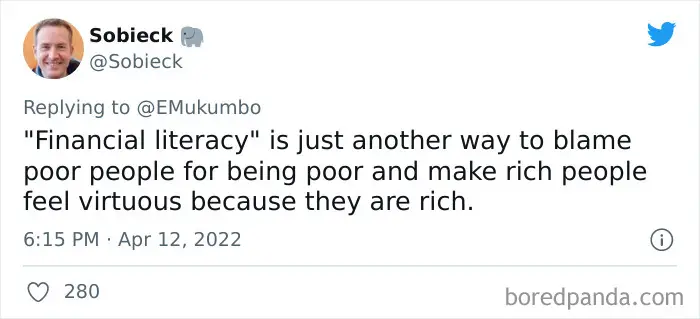
While Schneider agreed that financial education is necessary and can be useful, she also worried that overemphasizing it as a solution to financial challenges shifts responsibility away from our economy's major players (like banks that offer subprime predatory loans or companies that take advantage of workers).
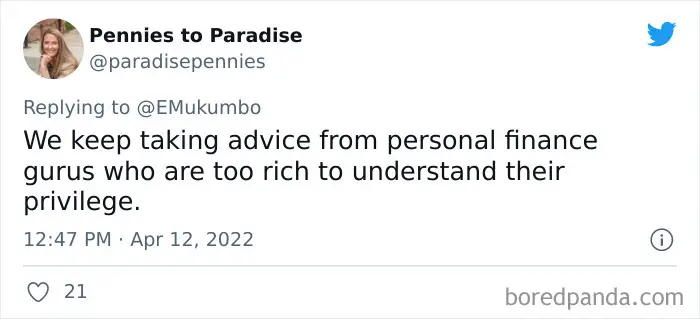
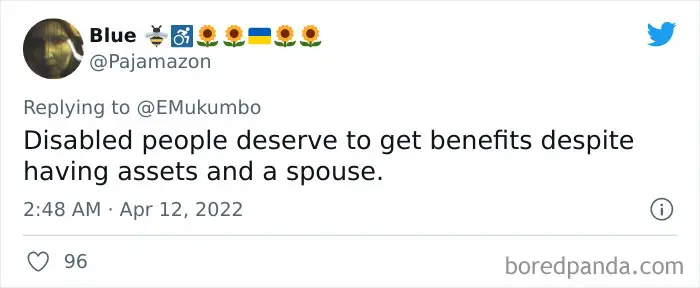
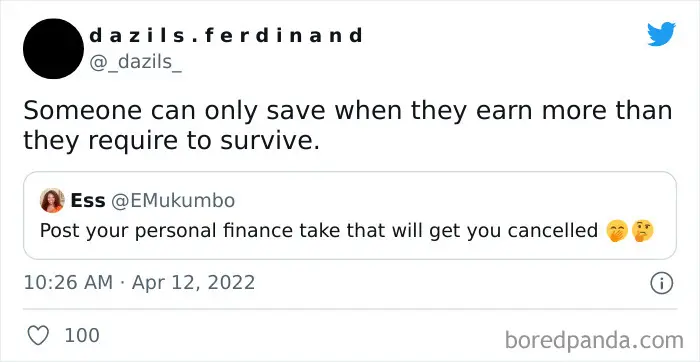
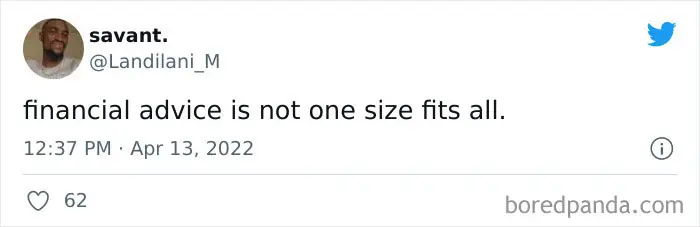
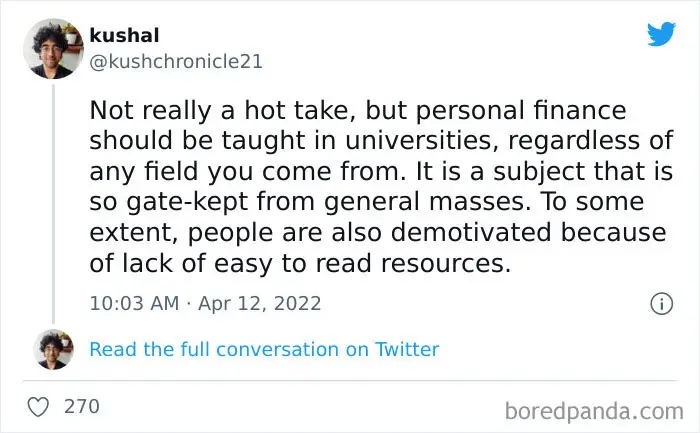
One thing that both proponents and critics of financial education seem to find common ground on, however, is that if we're going to help people navigate the current system, the way we talk about money has to evolve.
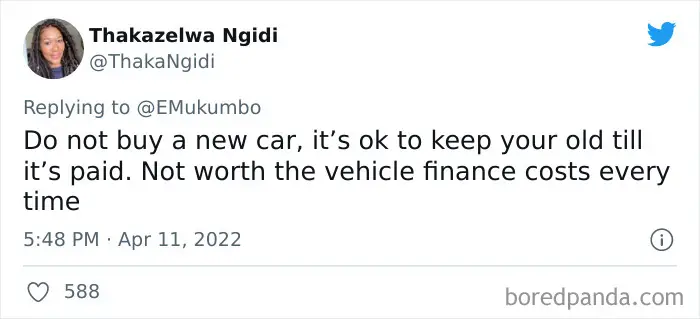
Financial education should not be telling a person to do this and in this exact way or you’re a failure. We need to humanize the topic and try to acknowledge the individual.
You might also like: Perfect online, different offline: 34 photos that tell another story