

If all those episodes of The Block have taught me anything, it's that every crew has that moment. Something breaks, something leaks, or something measured twice still somehow doesn't fit. There's a beat of silence, and then someone cracks a joke. Because sometimes, all you can do is laugh. In fact, in what the European Agency for Safety and Health at Work calls "one of the most dangerous sectors in which to work," that might be part survival skill.

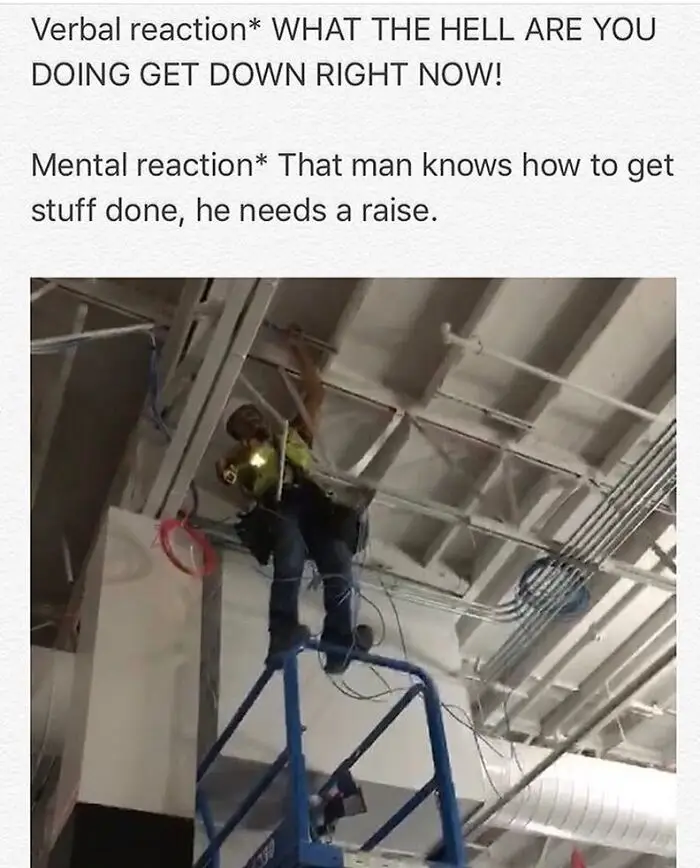
"Workers are exposed to risks at work through the use of heavy machinery, working at height, exposure to harmful substances, noise, lifting heavy loads, etc.," the agency explains, adding that the sector "has a relatively high number of occupational accidents compared to other sectors." Next to that, a busted tool or burst pipe is pretty minor. Frustrating? Yes. Fixable? Probably. Will it cost anyone an arm and a leg? Not literally, at least. Phew.


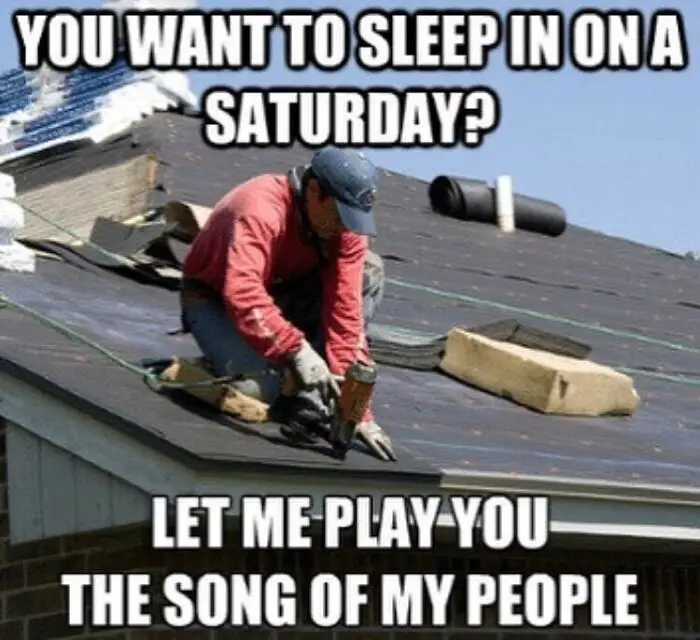
Still, those mishaps don't help on a day that's rarely stress-free. Construction is physically demanding work, and it often comes with plenty of pressure to get things done on time. Physical hazards aside, the agency points to a long list of other pressures: demanding clients, the constant push for productivity, tight deadlines, and sudden changes to the work with little notice.
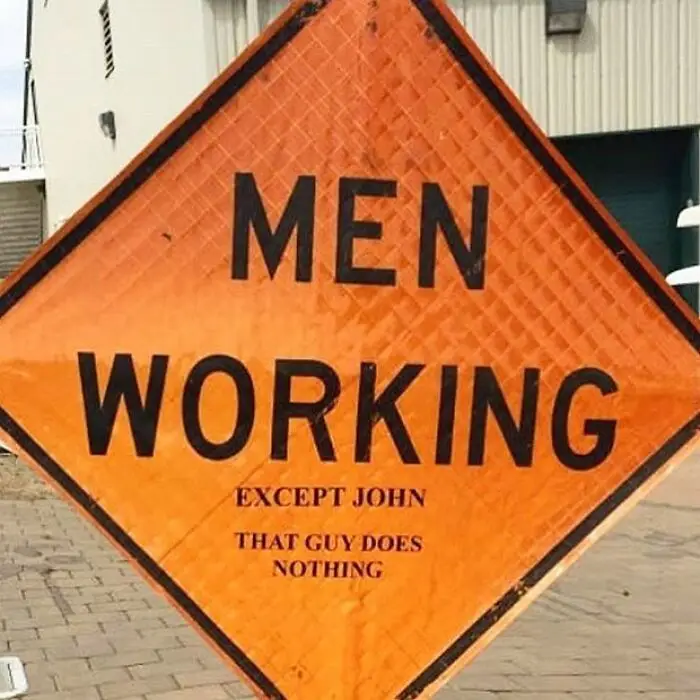
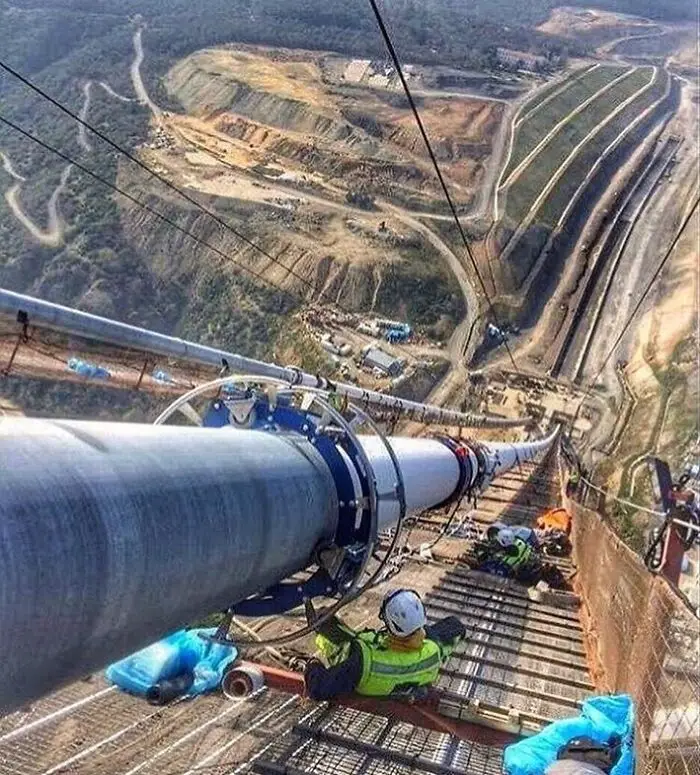
Then there are the sites themselves. "Construction work sites are complex and dynamic," the agency says. Workers have to adapt to changing weather, materials, methods and hazards, often in dirty, dusty, noisy conditions, and sometimes without basic amenities like toilets or a proper place to rest. Bad weather can stop work altogether. That's stressful with a deadline looming, and worse when it means reduced pay or none at all. Add long commutes and frequent travel between sites, and work-life balance takes a hit too.
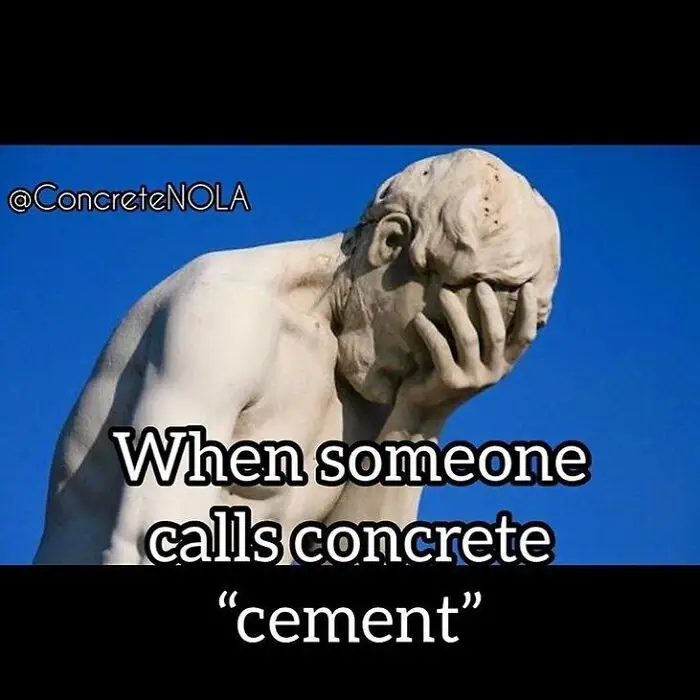
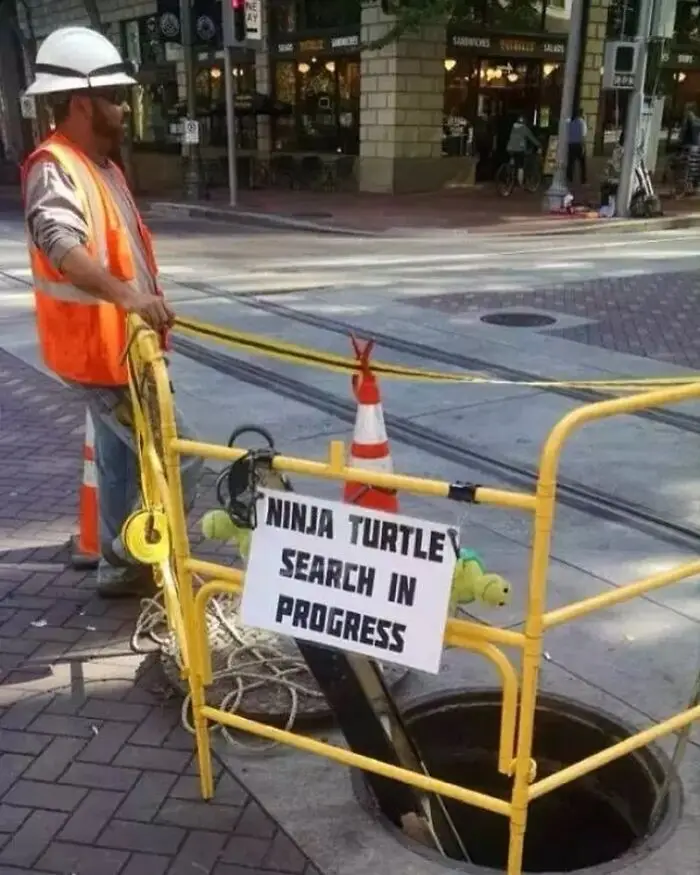
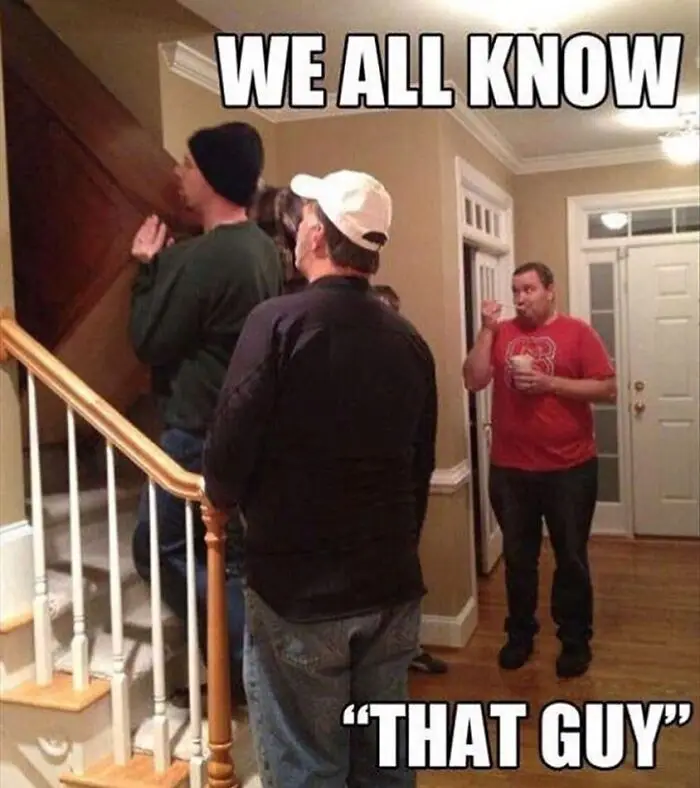
It all adds up. "When exposed to multiple psychosocial risks over a prolonged time, workers are prone to experience stress, anxiety, and physical and mental fatigue," the agency says. Those risks can also affect concentration and encourage risk-taking, with knock-on effects for workers' health and, for employers, staff turnover and productivity.
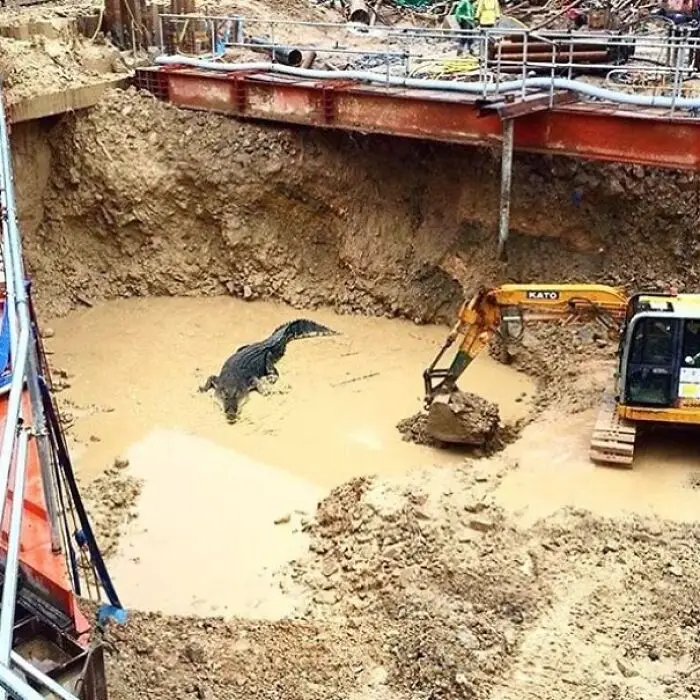
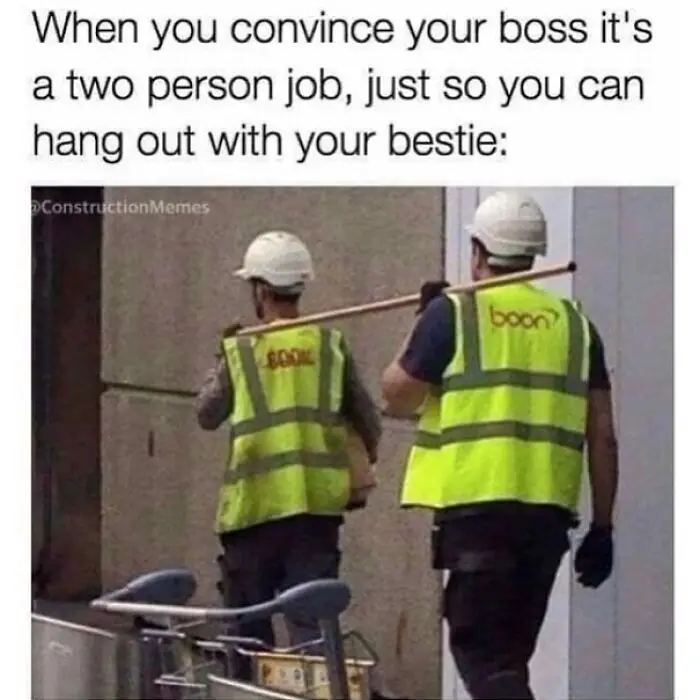

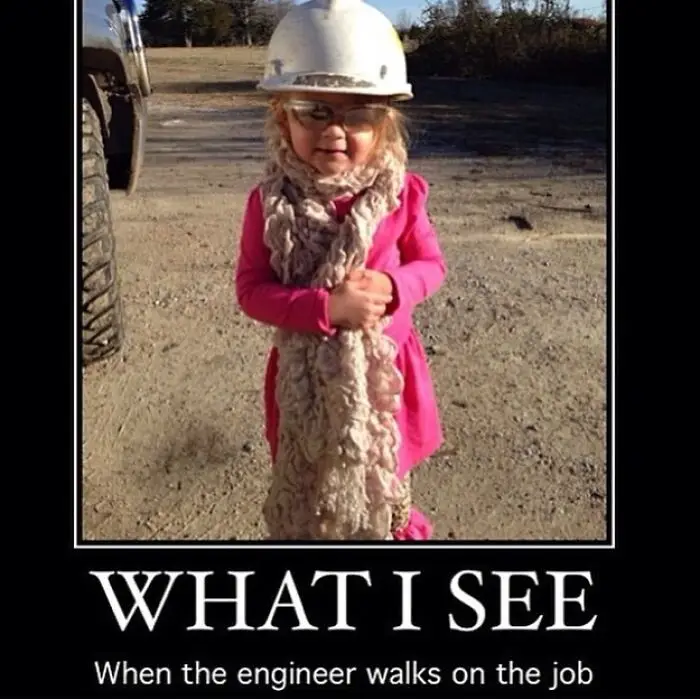
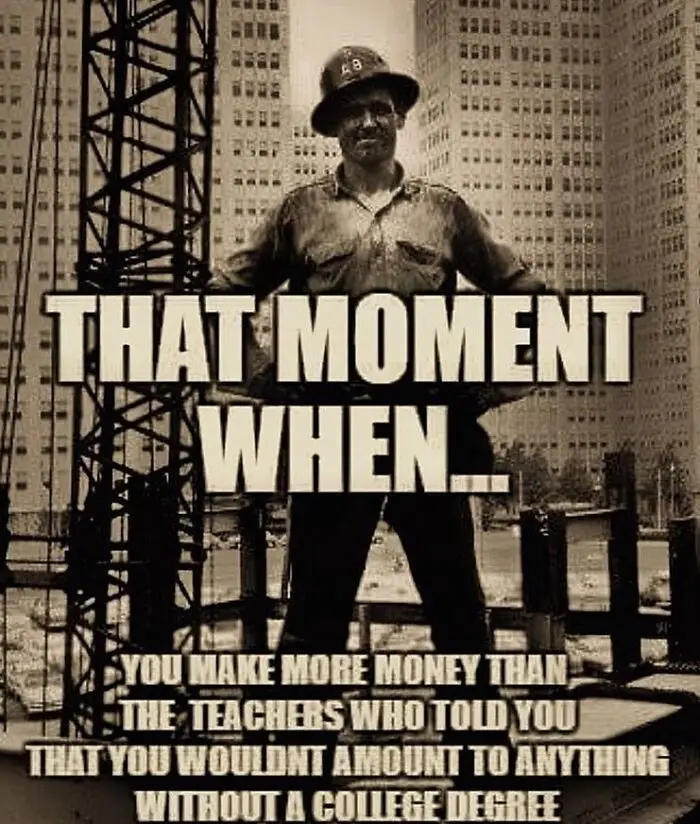
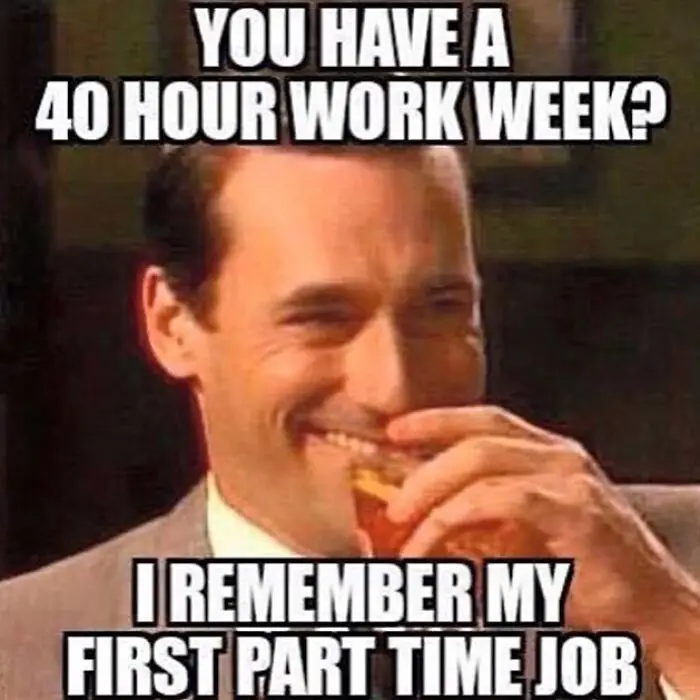
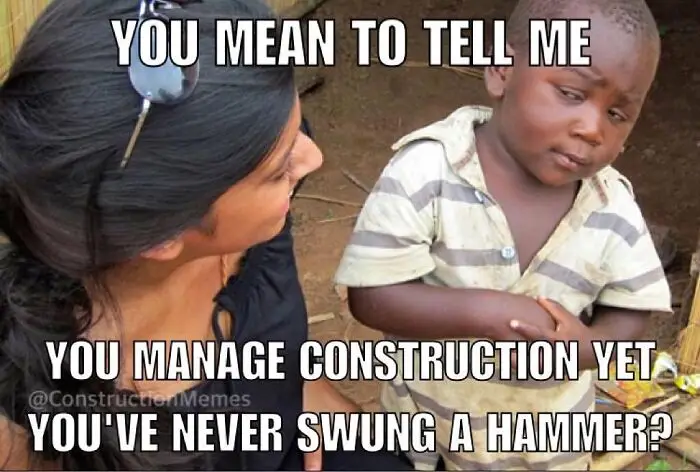
That's where construction humor earns its keep. Jokes about the one tool that always goes missing exactly when you need it, endless safety paperwork, or the "temporary" fix that's somehow still holding five years later are funny precisely because they're so painfully relatable. Like in any line of work, laughing at what goes wrong is sometimes the only way to keep from losing your mind over it.