


This post may include affiliate links.

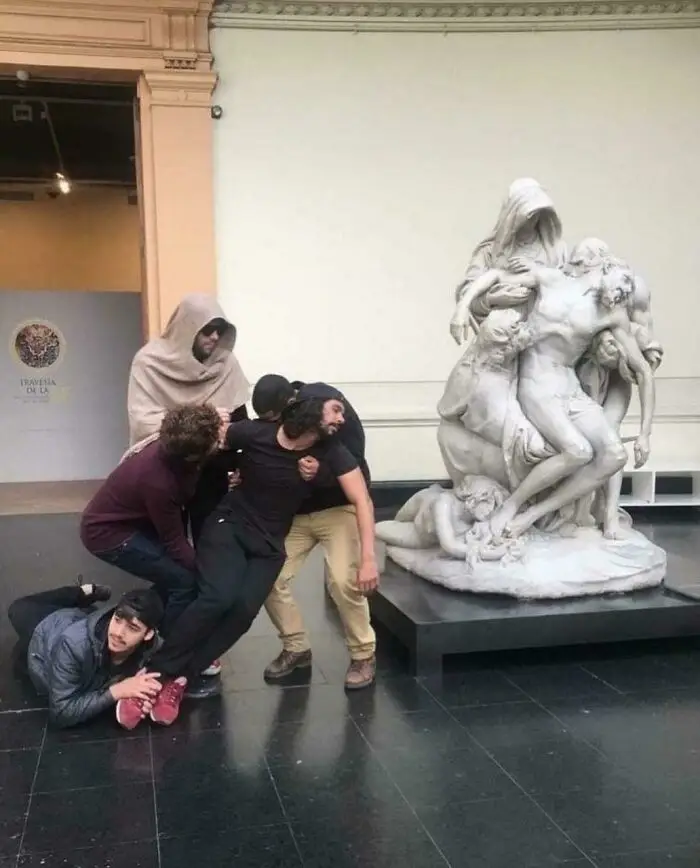

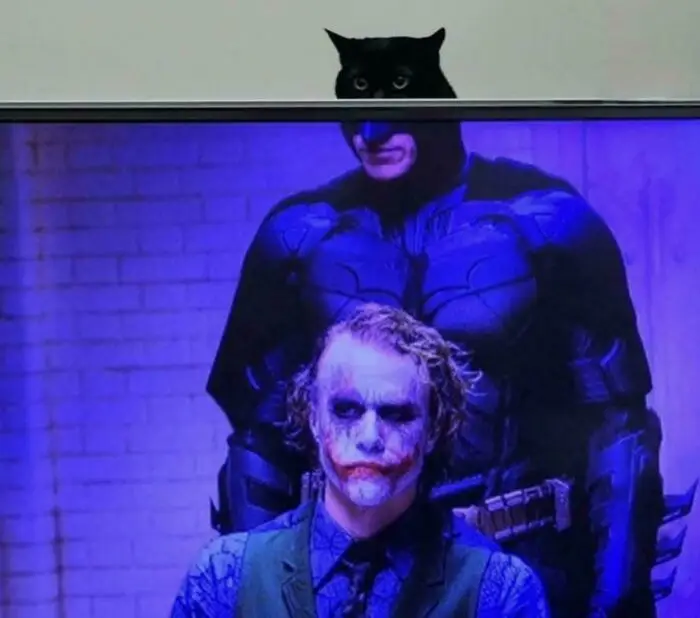
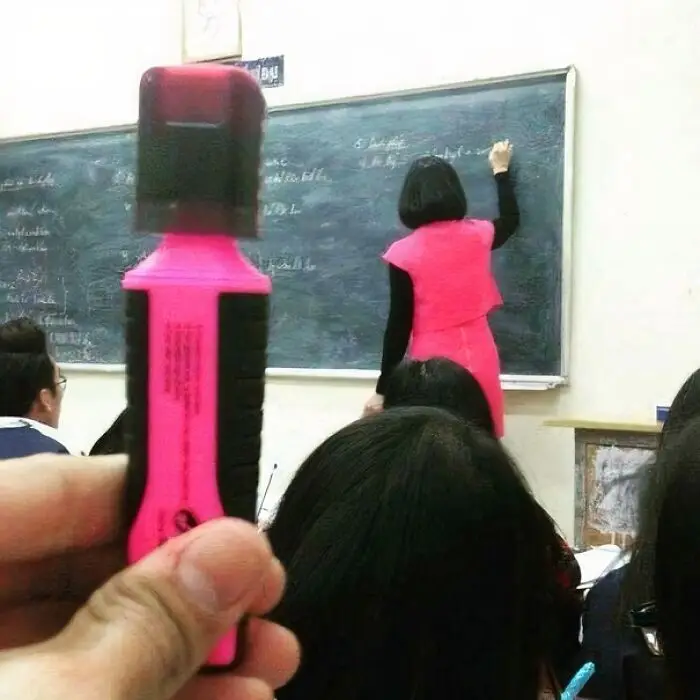
Today's collection is full of those wonderfully puzzling pictures that make you stop scrolling and think, “Hmm… what exactly am I looking at?” Some are perfectly timed, some are unexpectedly funny, and others are simply intriguing enough to make you look twice. And while these photos aren't necessarily optical illusions, they have something in common with them: they remind us that our brains don't always interpret what our eyes see in quite the straightforward way we might expect.
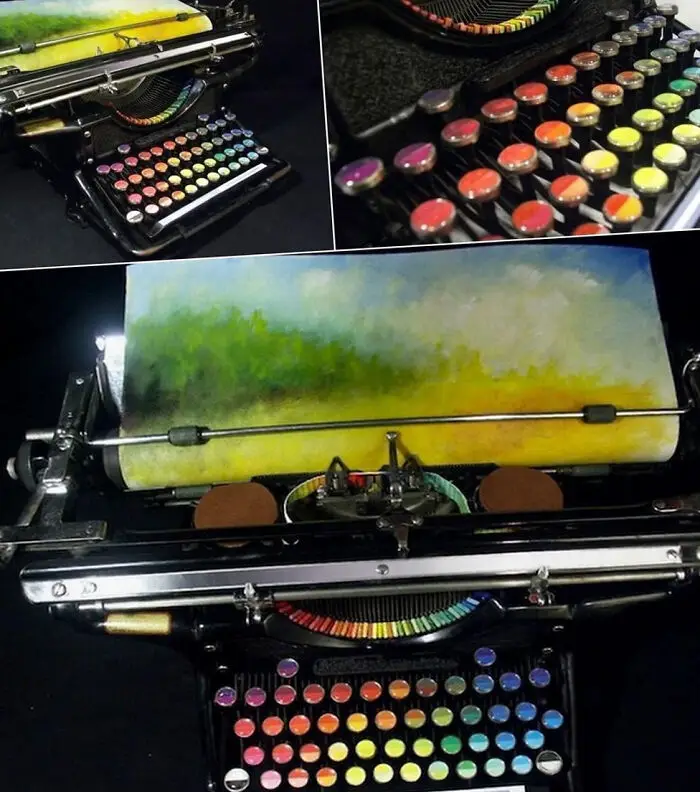

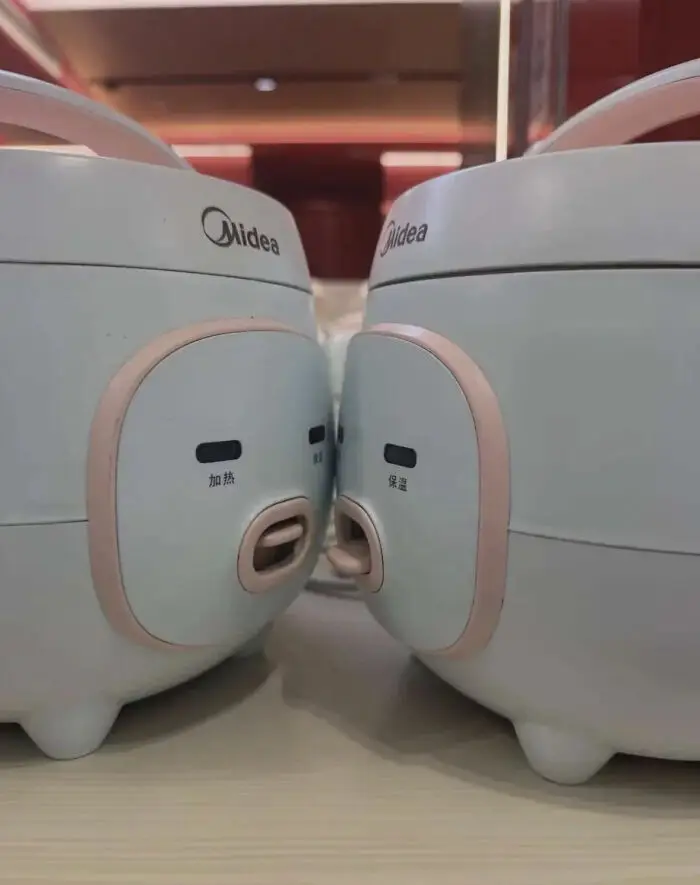
Optical illusions, in particular, are fascinating because they deliberately take advantage of the way our visual system works. Instead of simply recording everything in front of us like a camera, our brains are constantly interpreting shapes, colors, patterns, lighting, movement, and depth to figure out what we're seeing. An illusion happens when those interpretations lead us somewhere that doesn't quite match reality. That's why the same image can make something appear to move when it is completely still, make two identical objects look different in size, or even hide more than one image in a single picture. Scientists and artists generally group optical illusions into several broad categories, including physiological, literal, and cognitive illusions.
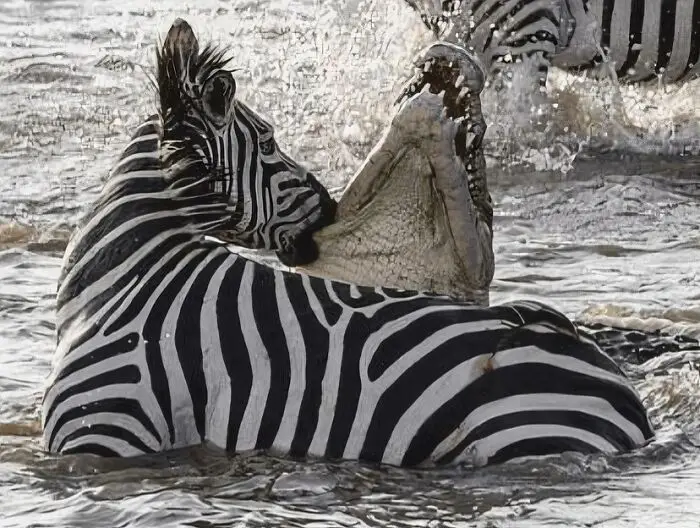

To understand why these visual tricks work, we took a closer look at Al Seckel's The Ultimate Book of Optical Illusions. The book goes beyond simply presenting a collection of clever pictures and explores the science behind the way we see the world. One of its most interesting ideas is that our brains don't have the time (or the need) to carefully analyze every visual detail that reaches our eyes. Instead, they rely on shortcuts based on previous experiences, context, lighting, patterns, and what we already know about the world.



This is where things get really interesting. These mental shortcuts, often called heuristics, allow us to make sense of our surroundings quickly and efficiently. Imagine walking into a room: your brain doesn't stop to individually calculate the size, distance, lighting, and position of every object. It makes rapid judgments based on familiar visual clues. Most of the time, that system works brilliantly. But when an image deliberately creates conflicting clues or violates the patterns our brains normally rely on, our perception can be fooled. In other words, an optical illusion isn't necessarily showing us something that isn't there—it is revealing how our brains normally make sense of what is there.



Seckel explores several famous examples that demonstrate just how easily our visual judgment can be influenced. The Müller-Lyer illusion, for instance, shows how the context surrounding a line can change our perception of its length. Two lines can be exactly the same size, yet the arrow-like shapes placed at their ends can make one appear noticeably longer than the other. Our brains aren't simply measuring the lines; they're interpreting the surrounding visual information as well. When the arrowheads point inward or outward, they create visual cues that can make the distance between the ends seem different, even though the actual lines remain identical. This happens because our visual system is constantly trying to interpret shapes, depth, perspective, and spatial relationships rather than simply recording what is in front of our eyes. The Müller-Lyer illusion is a simple but powerful reminder that seeing something clearly doesn't always mean perceiving it accurately.


Shepard’s tabletop illusion offers another fascinating example of how strongly our assumptions about space can influence what we see. In the illusion, two tabletops that are actually identical in size and shape can appear dramatically different because they are shown from different angles. One may look long and narrow, while the other appears shorter and wider, even though placing one directly over the other would reveal that they match perfectly. The trick works because our brains are used to interpreting objects in a three-dimensional world, where perspective changes the way shapes appear depending on their position and orientation. When we look at a flat image, the brain automatically uses familiar visual cues (such as angles, distance, and perspective) to estimate the object's actual shape and size. In this case, those normally helpful shortcuts lead us to the wrong conclusion. It is a great reminder that our brains don't simply measure what our eyes receive; they actively interpret visual information based on what they expect the world to look like.
Then there's the Ames room, which takes our assumptions about space and turns them upside down. The room is constructed in a distorted shape, but viewed from a particular angle, it appears to be a normal rectangular room. When people stand inside it, one person can appear enormous while another looks unusually tiny. Our brains generally assume that the room itself is a regular shape, so instead of questioning the architecture, they interpret the difference as a change in the people's size. It's a brilliant example of how strongly our expectations influence what we see.