





Have you ever wondered why sometimes our brains misinterpret what our eyes see?
Our eyes take in visual information, but it is our brains that figure out what it means. Sometimes, a picture with normal shapes and colors can still trick us, depending on how those parts fit together. Visual illusions show us that what we see is not always the same as what is really there.
The details around an image can change how we see it. A shape might look different if it is on a new background or next to objects that stand out. This is why a photo can seem confusing, even if everything in it is real and unedited.
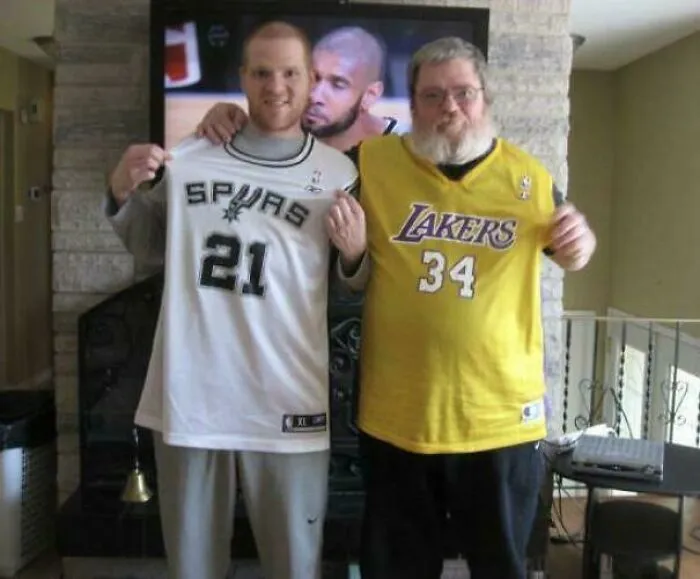
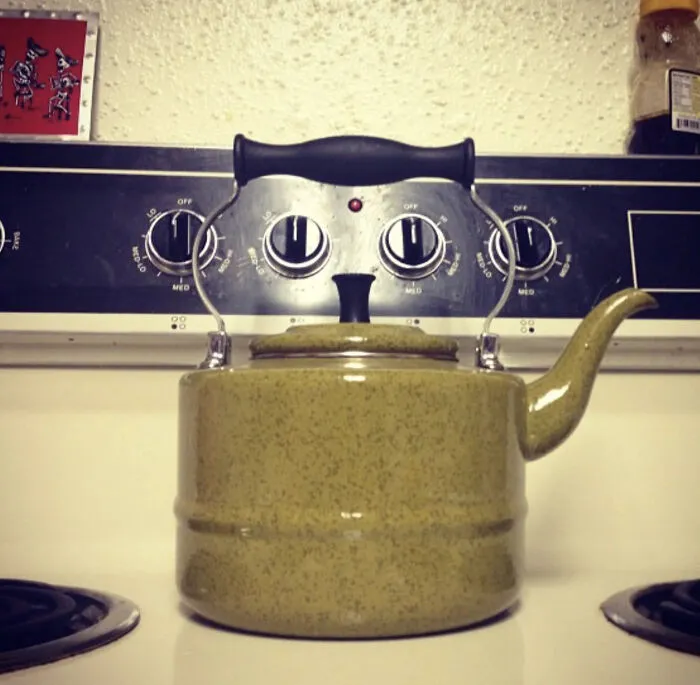
Our brains usually interpret visual information well enough to help us navigate everyday life. However, the same processes can produce misleading impressions under unusual conditions. A confusing photograph offers a simple example: the image stays the same, but our interpretation may change once we notice another detail.
When we look at a bizarre pic, it helps to think about how we judge distance. Our eyes use clues like overlapping shapes, size differences, shading, and perspective to figure out where things are. These hints let us see a flat picture as if it shows a three-dimensional scene.


Photographers use these clues to create interesting effects. Something close to the camera can look huge next to a person who is farther away, even if it is actually much smaller. The camera records both on a flat image, and viewers try to figure out where each thing really is and how big it is.
Changing the camera’s position can change how objects seem to relate to each other. If the photographer moves to the side, a weird overlap might go away, showing that the objects were never touching. This is why some photos only make sense when you think about the angle from which they were taken.



The funny thing is, our brains sometimes mix up information in reality, not only in photos. Sometimes a wall socket looks surprised, a car seems angry, or a piece of toast appears to smile. Our brains are quick to spot patterns that look like eyes and mouths, even on everyday things. This is known as face pareidolia.
Objects that look like they have faces grab our attention faster than those that do not. In studies, people noticed these fake faces more quickly than other objects, which shows that our brains focus on face-like patterns first. This explains why random shapes can catch our eye so quickly.
When we see two spots as eyes and another shape as a mouth, an ordinary object can suddenly seem happy, angry, or confused. Sometimes, it even feels like the object has a personality. Our brains notice these familiar face patterns before we realize the object is not actually a face.

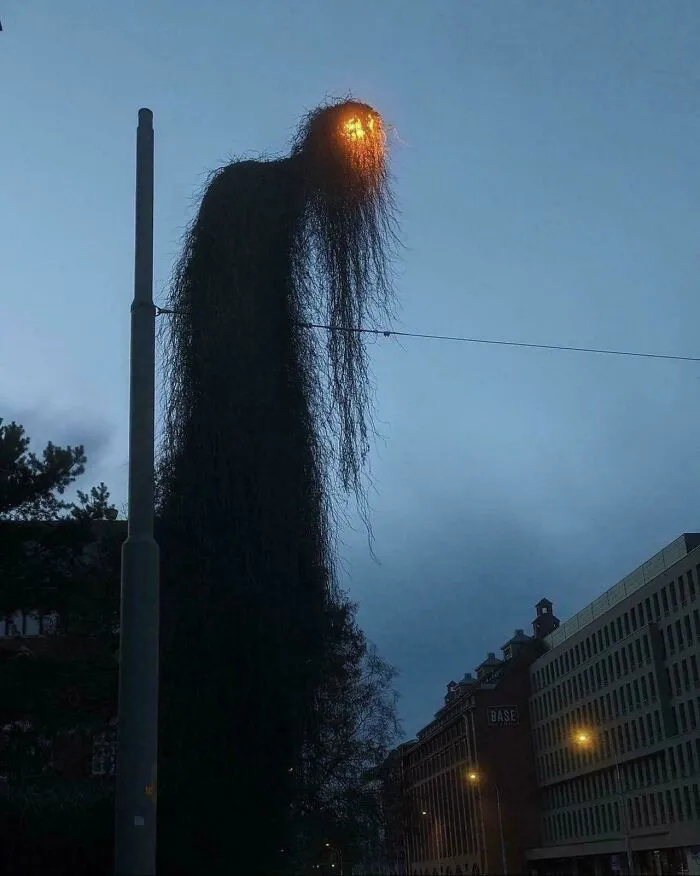

The same thing can happen with colors, not only objects. A white shirt might look yellow under warm indoor lighting or appear bluish in the shade, even though the fabric stays the same. The way light hits the shirt changes how it looks, but our brains also pay attention to what’s around it. Together, these factors help us recognize familiar colors, no matter the lighting.
We don’t judge an object’s color by looking at it alone. Our brains use the colors and lighting around it to figure out what a surface really looks like. This process, known as color constancy, is why a white shirt still looks white when you walk from a sunny street into a room.
A color that looks clear in one place might seem different with another background or lighting. Our brains use these clues to make sense of what we see, so sometimes a photo can trick us, even if everyone is looking at the same picture. It’s the context that changes how we see it, not the image itself.



Our visual system is just amazing, and it can make a partly hidden object look whole. For example, if a chair is partly hidden behind a table, we still see it as one complete object, not as two separate pieces. This process, known as perceptual completion, helps us understand scenes even when objects block each other.
The brain does more than just overlook missing visual details. According to research reviewed by neuroscientist Hidehiko Komatsu, early visual areas in the brain help fill in features like color, brightness, texture, and movement. This explains why we can see a continuous surface even when part of it is not directly visible.



The skill Komatsu describes is especially helpful when objects overlap. For example, if someone stands behind a doorway, we still see one whole person instead of thinking the hidden part is gone. Our visual system uses visible edges and nearby details to make sense of what we see, though sometimes unusual patterns can trick us.
This ability helps us navigate the world, but it can also lead to surprising visual mistakes. A strange camera angle, a shadow, or a few shapes that resemble a face can make ordinary things look extraordinary, reminding us that what we see isn't always exactly what we think it is.
Now we’re curious: which of these visual tricks fooled you the longest, and have you ever spotted something that looked completely different from what it really was?