











We often assume that seeing something means we understand it. After all, if our eyes are looking directly at an object, how hard can it be to figure out what we’re seeing? Well, as it turns out, our brains are doing a lot more work behind the scenes than we might realize. Our senses collect information from the world around us and send those signals to the brain, but the brain does not simply receive them like a camera recording a scene. Instead, it processes the information, compares it with what we already know, and creates our perception of reality. And sometimes, that process produces a result that is…well, a little off.


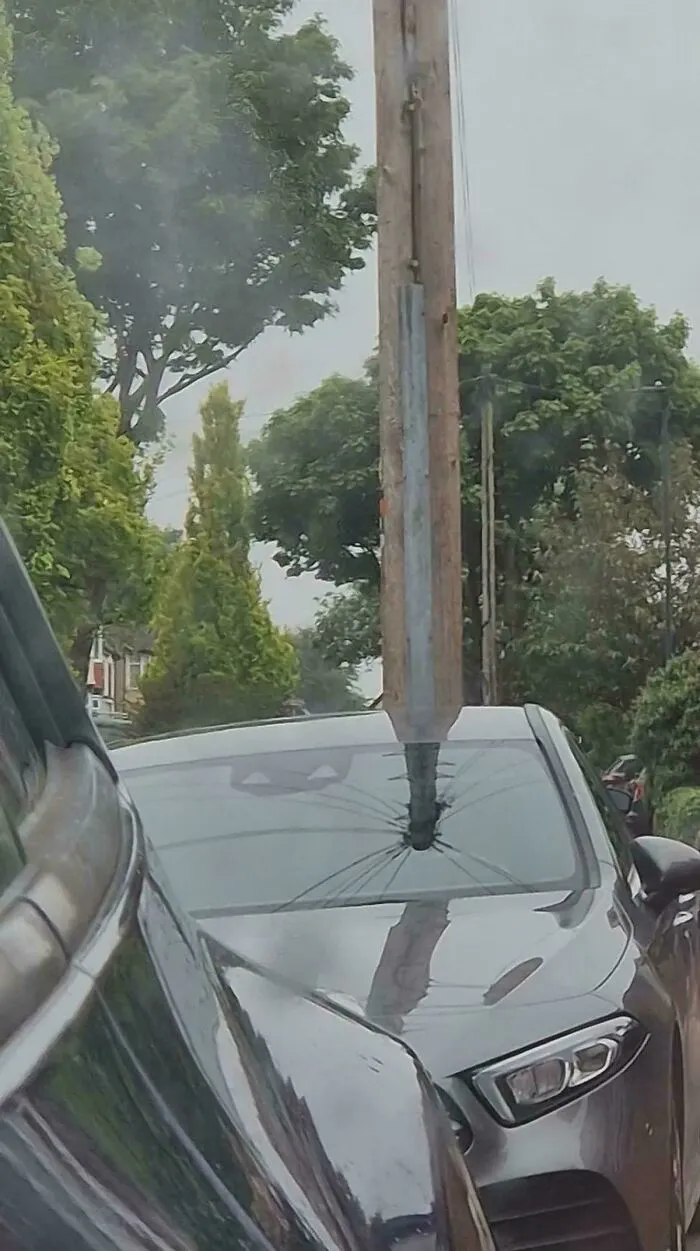
You can think of our eyes and brain as having a very basic conversation. The eyes might send messages such as, “There is something red over there,” “This object is large,” or “That thing appears to be far away.” Most of the time, the brain is perfectly capable of putting these clues together. It can recognize the red object as an apple, estimate the size of a table, or figure out how far away a door is. We rarely notice this process because it usually works so smoothly that we simply assume we are seeing the world exactly as it is.
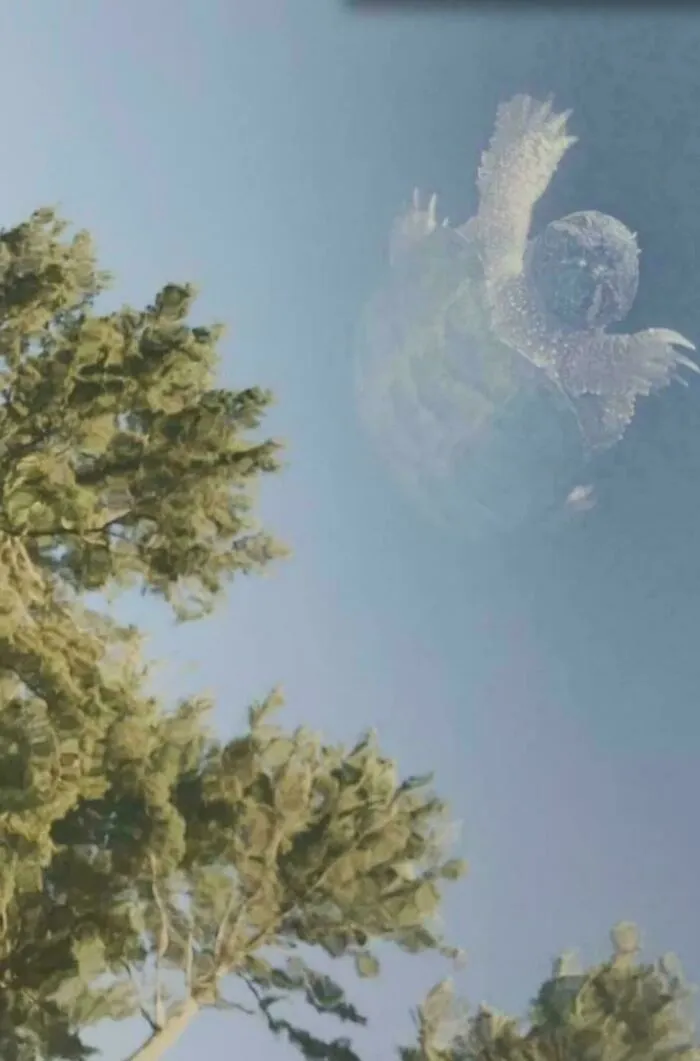


But the information our eyes send is not always complete. Our brains often have to fill in the blanks and make educated guesses. If part of an object is hidden, the brain may use the visible pieces to figure out what the rest probably looks like. If something is blurry, it may compare the image with familiar objects and make its best guess. Most of the time, these guesses are correct. If you see the top of a familiar chair behind a table, for example, you probably do not assume the rest of the chair has mysteriously disappeared. Your brain uses the clues it has and fills in the missing information automatically.

#11 I Thought My 3 Year Old Threw Something At The TV. It Was Just A Picture Of Syria On The Screensaver

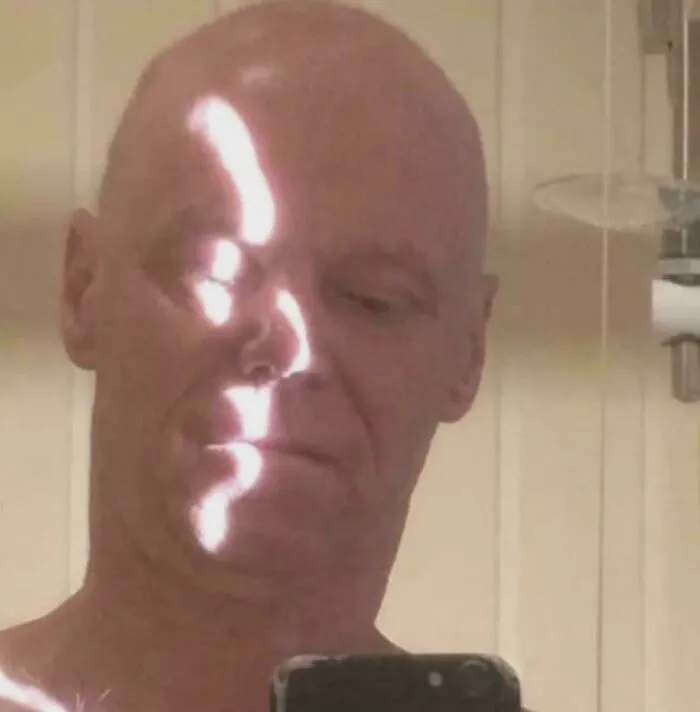
Sometimes, however, the brain gets it wrong. That is where optical illusions come in. They happen when the information reaching our brains can be interpreted in more than one way—or when the brain makes a quick assumption that turns out to be incorrect. A still image may look like it is moving, two objects may appear to be one, or something in the background may suddenly look like part of a person's body. The image itself has not changed. Our interpretation of it has.
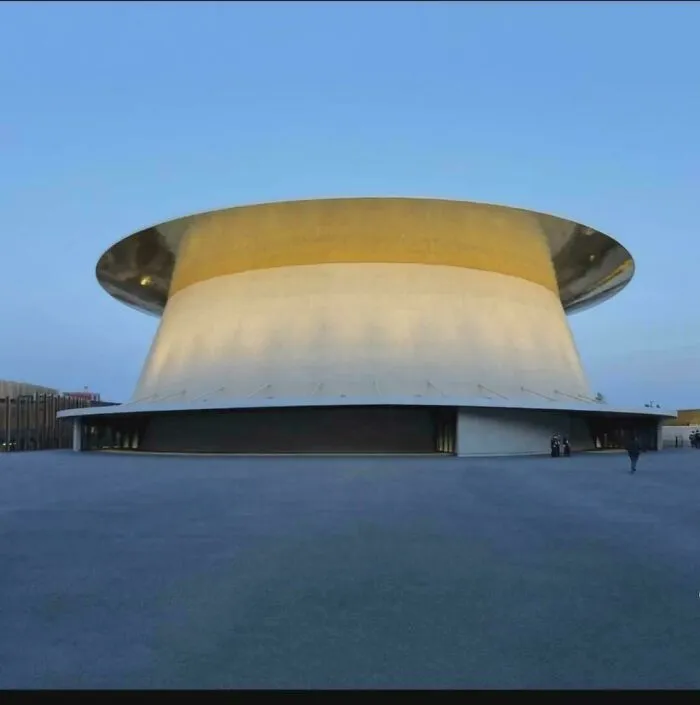

#15 The Way The Sky Reflected Off The Glass At Sunset Made The Balconies Look As Though They’re Floating

When an image is incomplete or confusing, the brain tries to find the most likely explanation as quickly as possible. One of the things it does is decide what should be treated as the object and what should be treated as the background. Usually, this is incredibly helpful. You can look at a crowded street and immediately focus on the person you are trying to find rather than treating every single object as equally important. But when the visual information is ambiguous, your brain may choose the wrong thing as the main subject. Suddenly, a shadow looks like an object, a background detail appears to be in the foreground, or two separate things seem to blend together.



The brain also relies heavily on patterns and past experiences. If you have seen something similar before, your brain may use that memory to help interpret what is in front of you. This is useful because it allows us to recognize objects quickly without analyzing every single line, color, and shadow. But it can also lead us astray. Your brain may see a familiar pattern in a random arrangement of shapes or assume that an object is positioned in a certain way because that is what usually happens. In other words, your brain is sometimes a little too confident in its first guess. And perspective makes all of this even more complicated.

