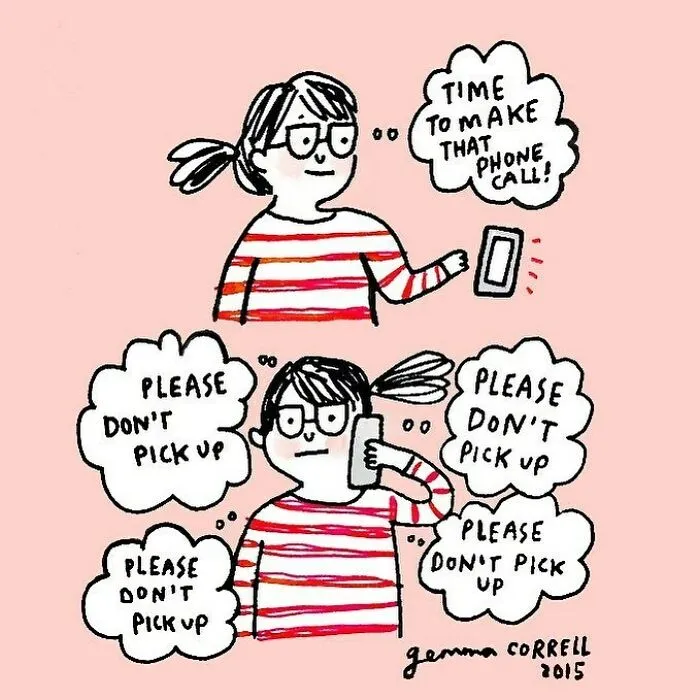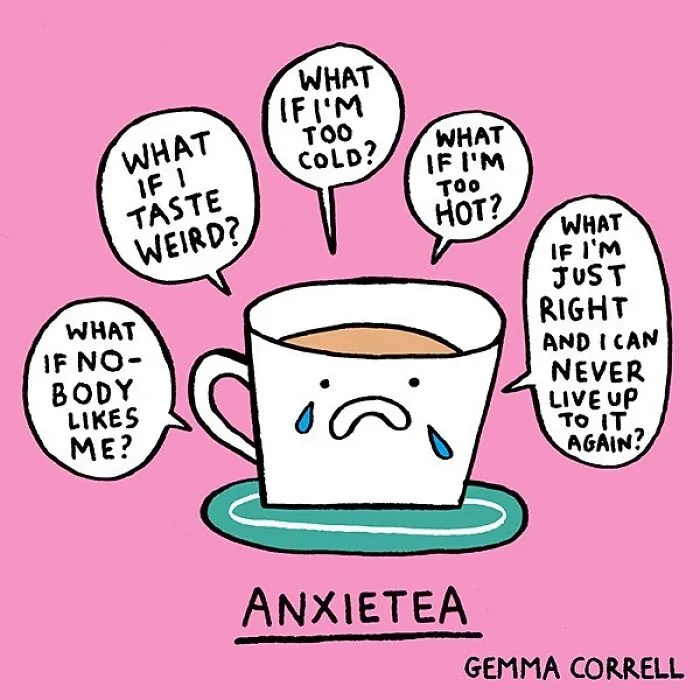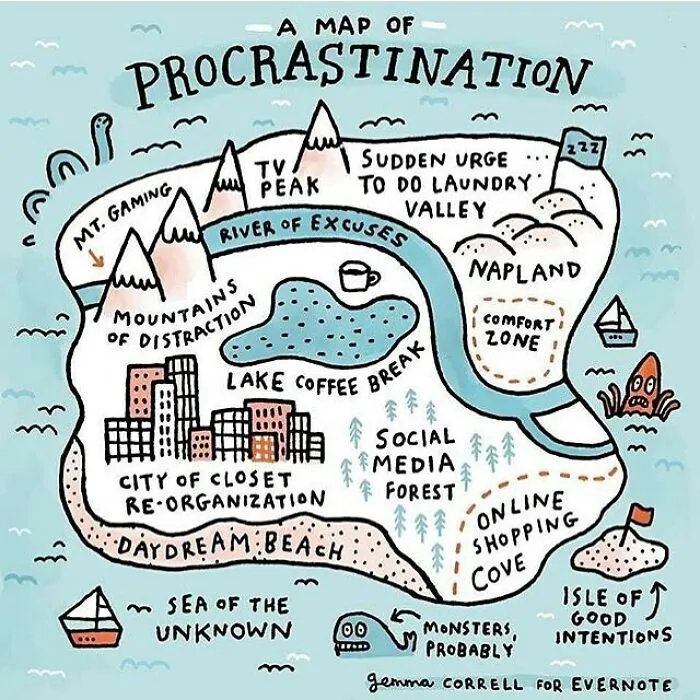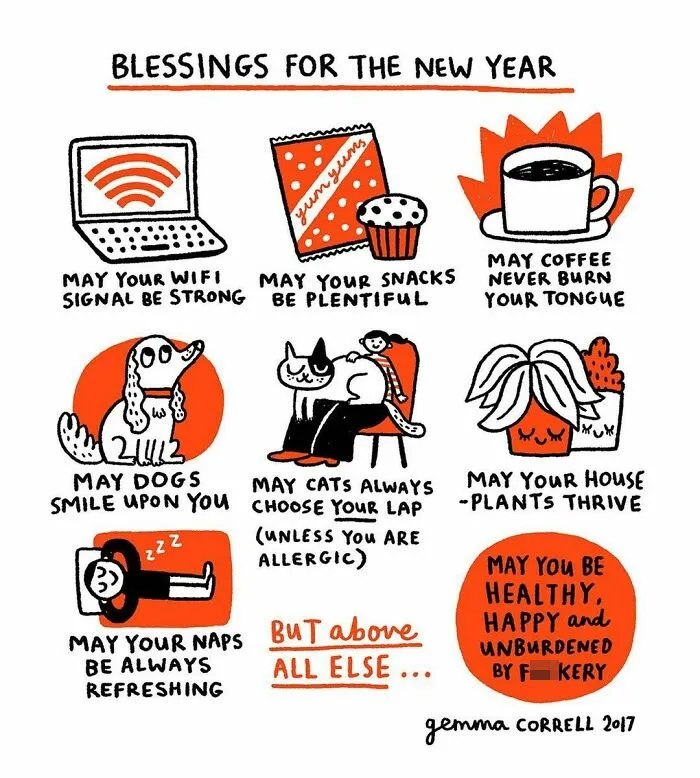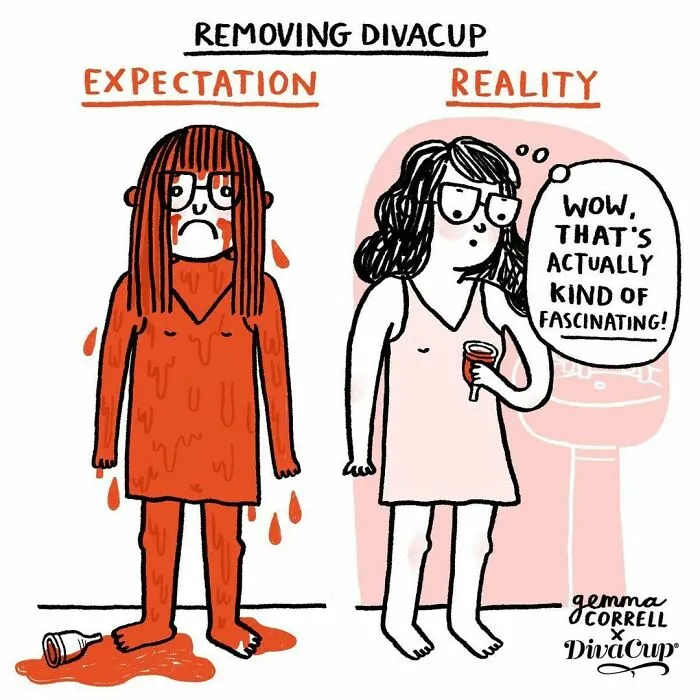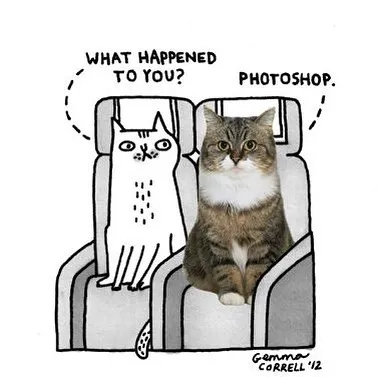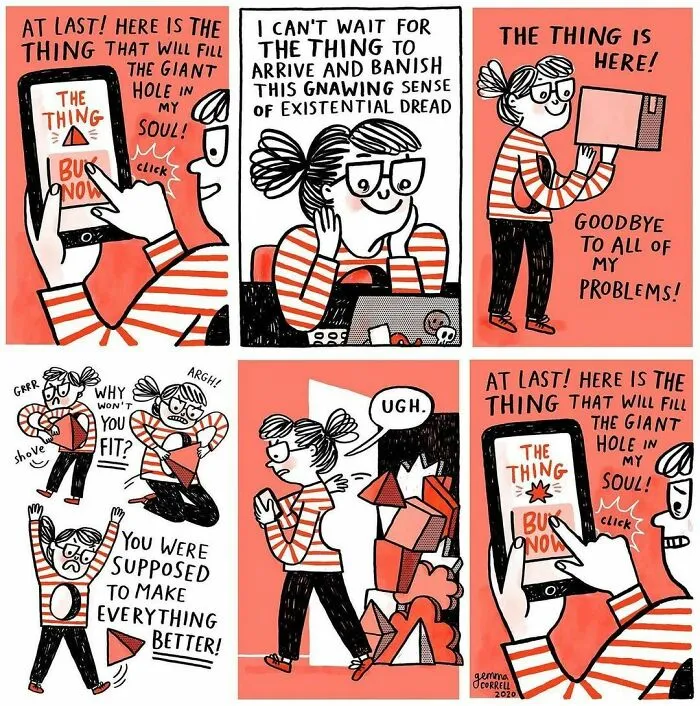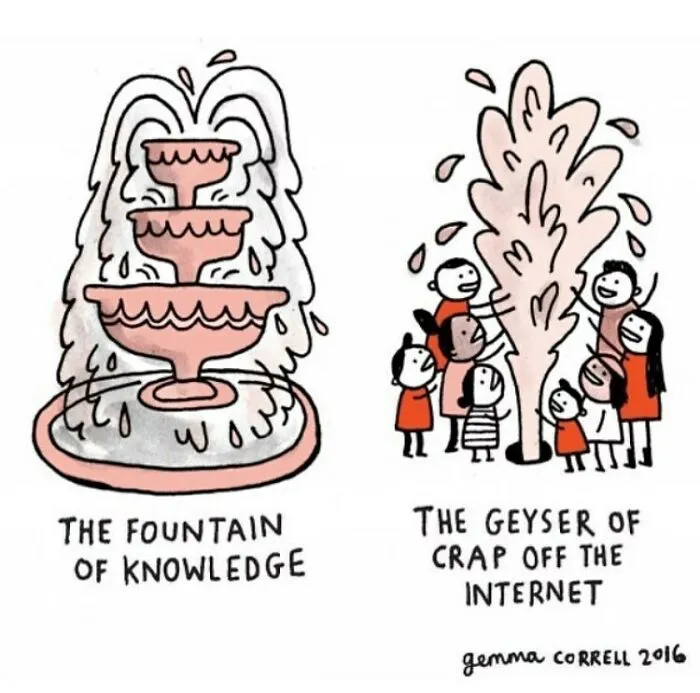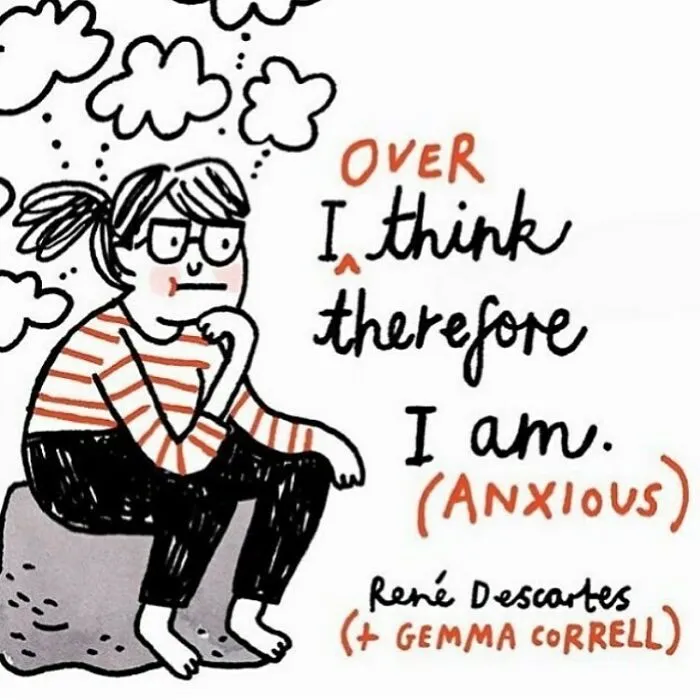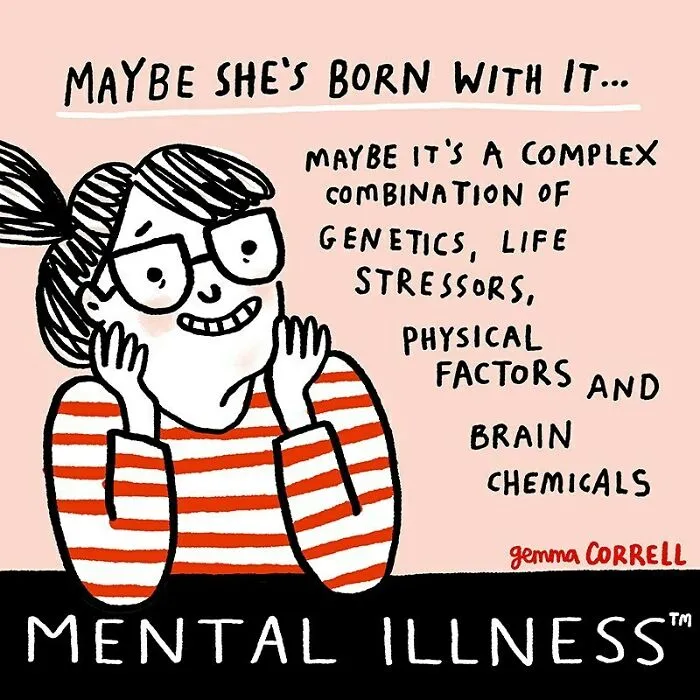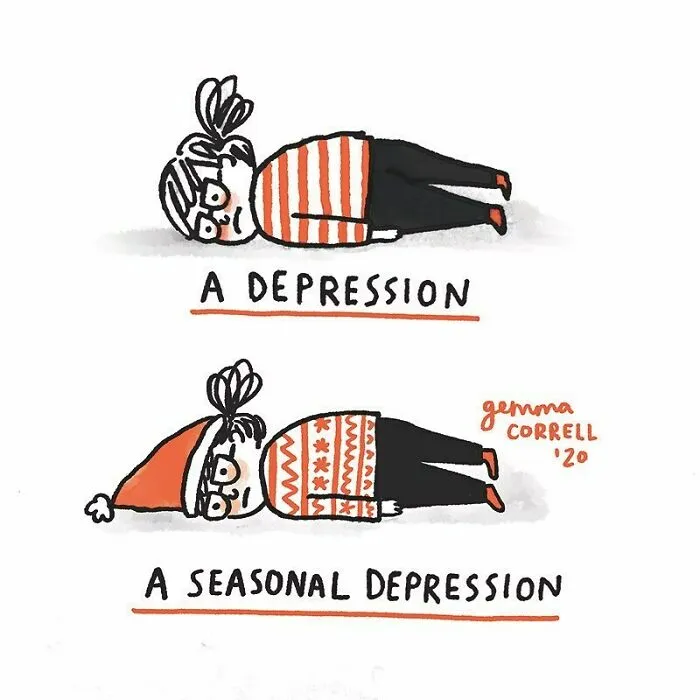
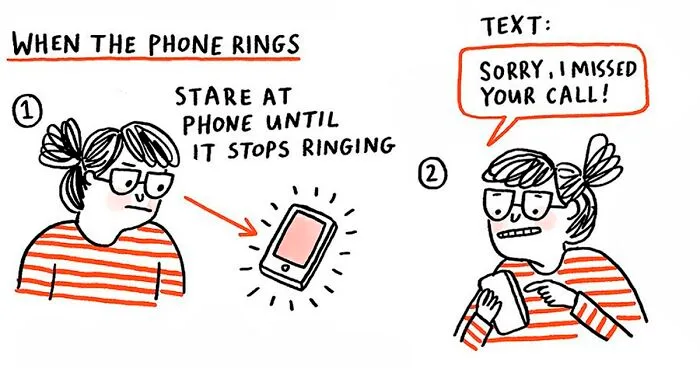



You could say Gemma's strips are like her diary entries. In fact, the comics she draws now are the result of years of keeping sketchbooks and journals. "It's something I've done since childhood, making notes and drawings (it was only at college that I learned to call them comics)," she told Bored Panda. "The short comics that I share are inspired by snippets from my everyday personal life."
Gemma started exploring mental health through her work quite a while ago. Even when she ultimately decided to share her comics with the public, there were only a few artists who dared to talk about these struggles on the Internet. "When I first posted these kinds of comics online, mental health was very rarely spoken about, especially in the comics world, using any kind of humor. Making the drawings felt like a kind of therapy to me and after sharing a couple on social media, not expecting much of a response (and even worrying that they would upset people) I noticed that my followers responded to the comics about mental health very strongly and overwhelmingly positive."
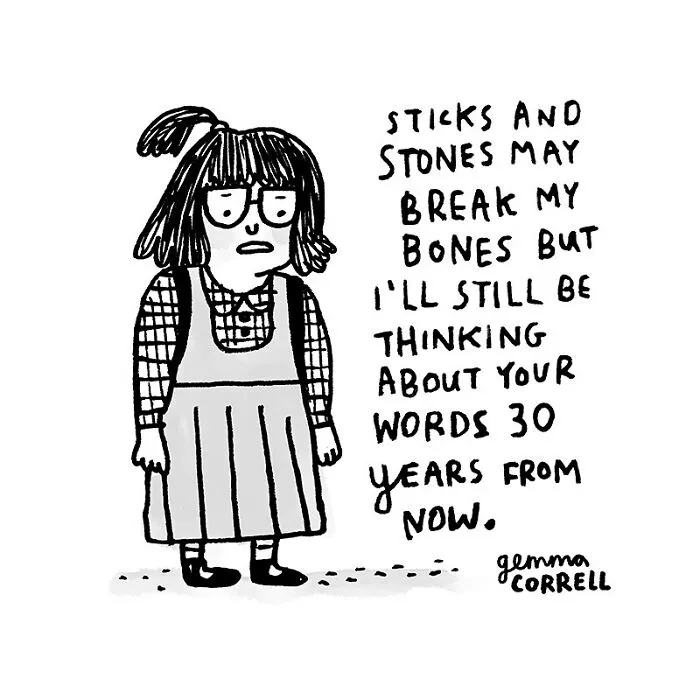
"I think being open about these things help to destigmatize them and to also give words and images to feelings that can be difficult to decipher and describe," Gemma said, adding that even though she's happy that her comics are popular, she would continue making them even if they weren't.
Nowadays, there's plenty of online creators who try to be "relatable." But many come across as phony, shallow, or both. You don't get that when going through Gemma's comics; you can tell she's genuine and an expert in curating her everyday life, cutting out the redundancies and focusing on the moments that describe her and her personality.
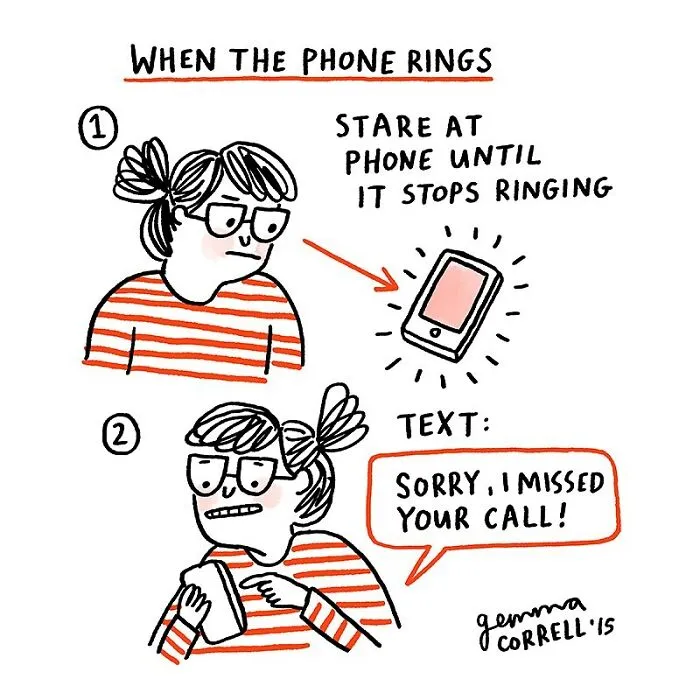
"The only things I don't share are the ones I'm saving for my graphic novel about mental illness, which I'm working on right now, and anything that would paint another person in a bad light," Correl explained. "I also don't believe in making art about mental health issues that I personally don't suffer from. I wouldn't make a comic about schizophrenia, for example, because that's not my story to tell. Everything comes from my personal experience."
"When I have been unable to vocalize my feelings or problems to a doctor or therapist, I have always written them down," the artist added. "Sometimes I might be crying too much to choke out the words, or I might just not be able to articulate them. Writing and drawing are great therapeutic tools."