





My name is Siyu. I was born and raised in Beijing, and I've spent the last ten years traveling, studying, and working abroad in the US, UK, and France. Many people that I met were curious about Chinese culture, but their impressions of China would end up with words like 'communist,' 'pollution' and 'no Facebook.' While many facts are true, the contemporary, living, and multifaceted Chinese way of life is rarely heard of.
I started "tiny eyes" webcomics a year ago in the hope of sharing cultural differences through everyday life. To me, learning about western culture has always been a fun experience, and I want to pass this feeling to people who are curious about China. In lots of my cartoon drawings, I compare Chinese culture to other cultures. Through comparison, we realize how differently we act in front of the same situation and how we tend to think in a certain way instead of another. In the end, every culture is "weird" in its way, but it's also the weirdness that makes it interesting.
I post these funny comics regularly every week, and I share slices of my personal life and experience through Instagram. I hope you enjoy it!
More info: Instagram
#21
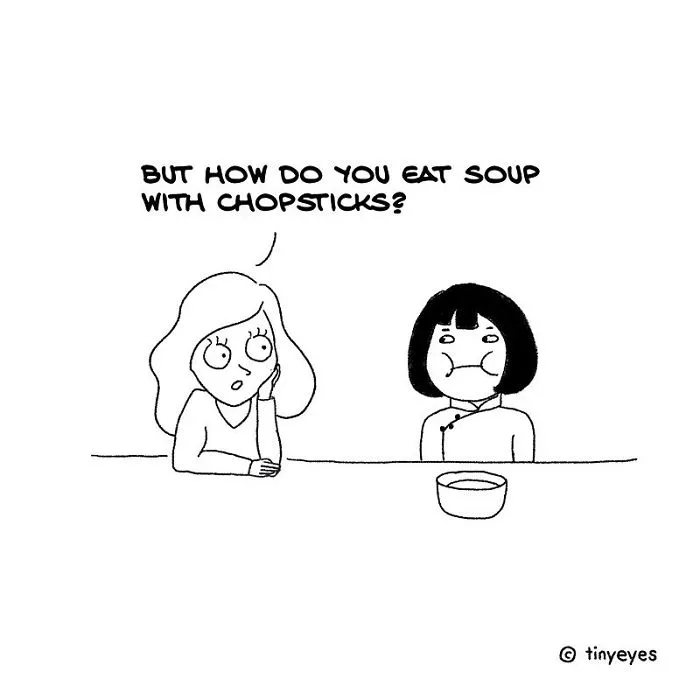
We also have spoons, people!
0points
#22
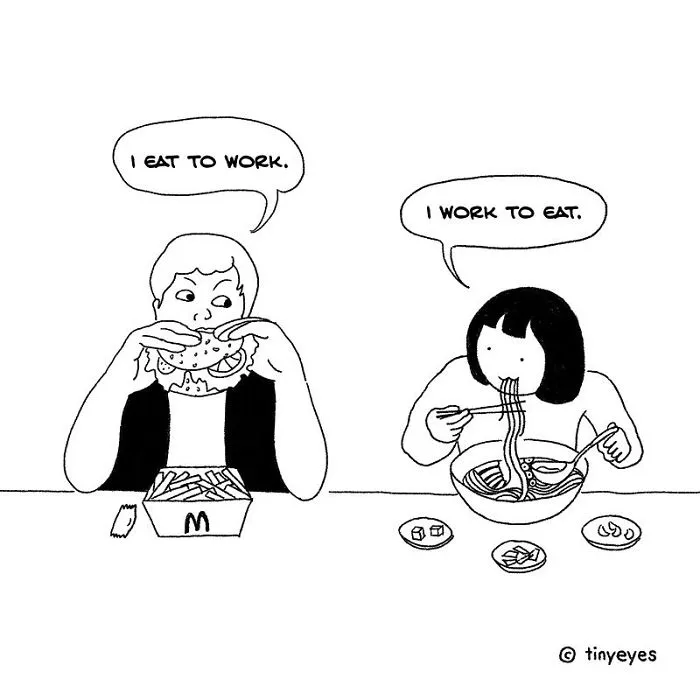
Chinese people love their food, they spend lots of time savouring and enjoying their meals. Food is not just “fuel” for the body, but a pleasure, an art, and a way of socialising. If you want to make friends, go eat. If you want to close a business deal, go eat. If you want to pursue a romantic relationship, go eat.
Since ancient times, food has been considered priority in Chinese culture. The government’s goal was to make sure that each person is taken care of and "has enough to eat”. From another angle, it also suggests the realistic character of Chinese: food goes before ideas, and this life is more important than after life.
Since ancient times, food has been considered priority in Chinese culture. The government’s goal was to make sure that each person is taken care of and "has enough to eat”. From another angle, it also suggests the realistic character of Chinese: food goes before ideas, and this life is more important than after life.
0points
#23
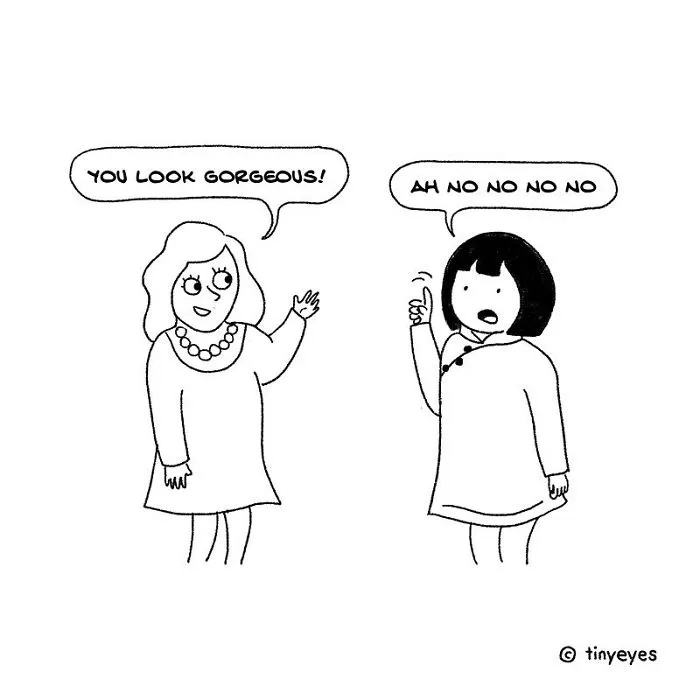
Chinese have trouble taking compliments from other people, because they are raised to be humble, to be self-reflective, and to not stand out from the crowd. So when someone notices you and makes a compliment, you tend to lose the inner balance and get nervous very quickly.
0points
#24
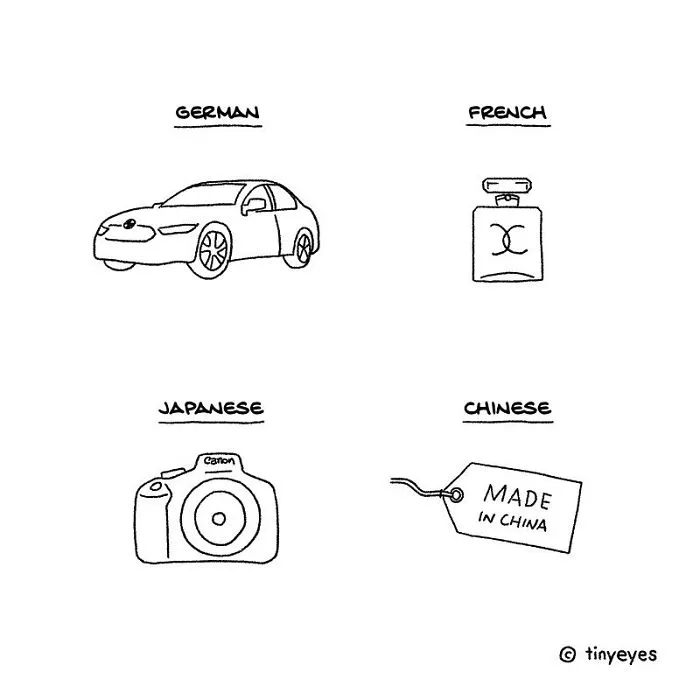
Can you name a classic Chinese design or a brand? Probably difficult. But have you bought anything “Made in China”? Very likely yes. Chinese products are often associated with the word “cheap” and not high quality, sadly. Many aspiring local designers have been trying to create original and valuable products, but problem such as the lack of copyright protection has complicated the process. Still a long way to go.
0points
#25
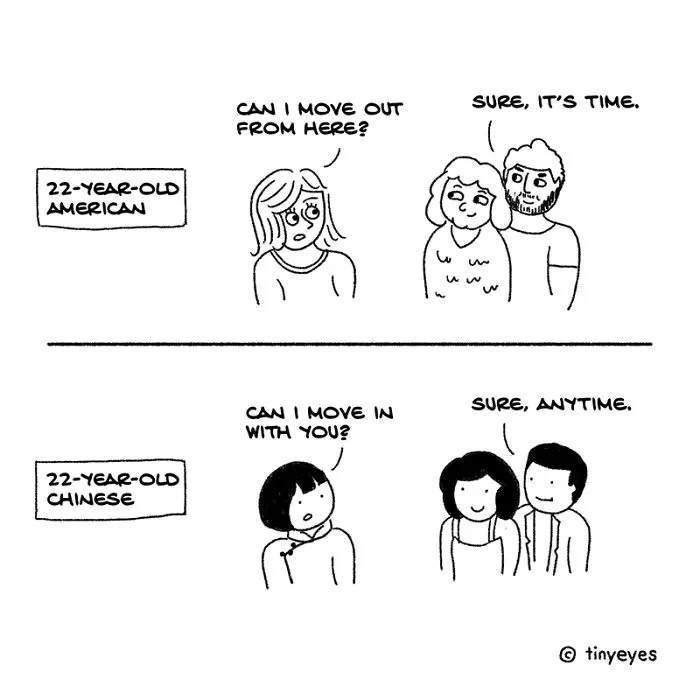
In China, it’s not rare to see young people choosing to live with their parents after getting out of college. For one thing, it’s more economical than renting a house on your own. And for another, Chinese are very family oriented, so getting support from your family it’s expected in the social norm. In the the United States, however, people value independence so much that it’s embarrassing to have things given to you while you have the ability to live on your own.
0points
#26
0points
#27
0points
#28
0points
#29
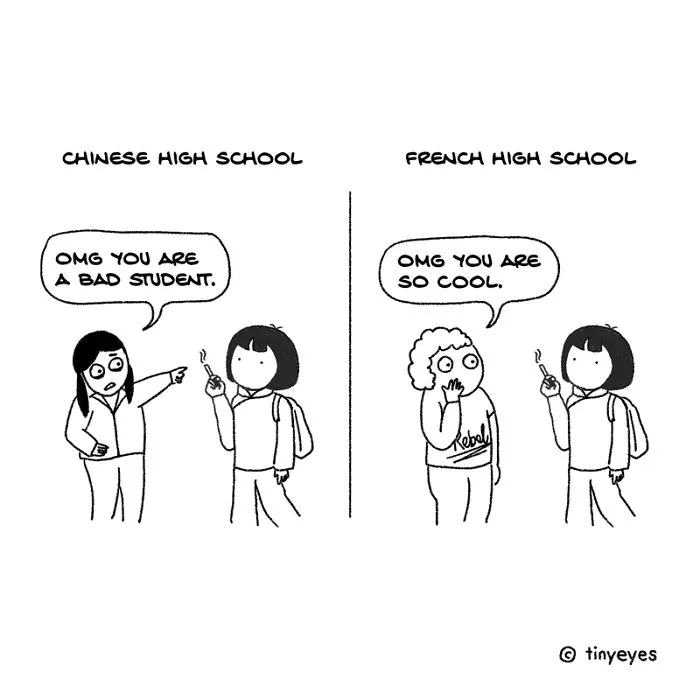
In Chinese schools, smoking is strictly prohibited and any student who smoke is considered “bad”. It’s not just in the sense of “bad for health”, but also considered a symbol for moral degradation. In France, I notice that there are lots of teenagers who smoke, and it’s actually considered “cool” among their friends. There’s even peer pressure to learn how to smoke. Smoking is also a normal way of socializing so there isn’t any negative moral aspect associated with it.
0points
#30
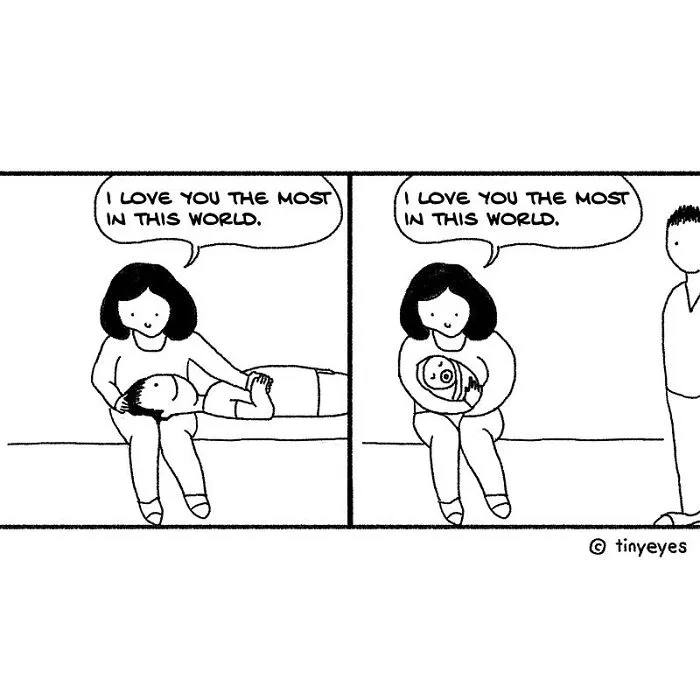
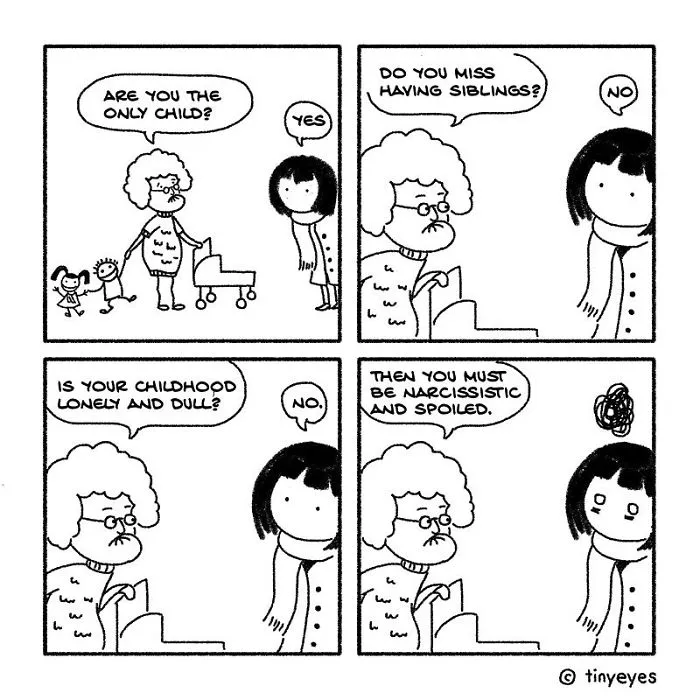
In a Chinese family, a child usually takes the central position and gets all the love and attention from their parents, which could also lead to ignorance and lack of communication between the couple.
0points
#31
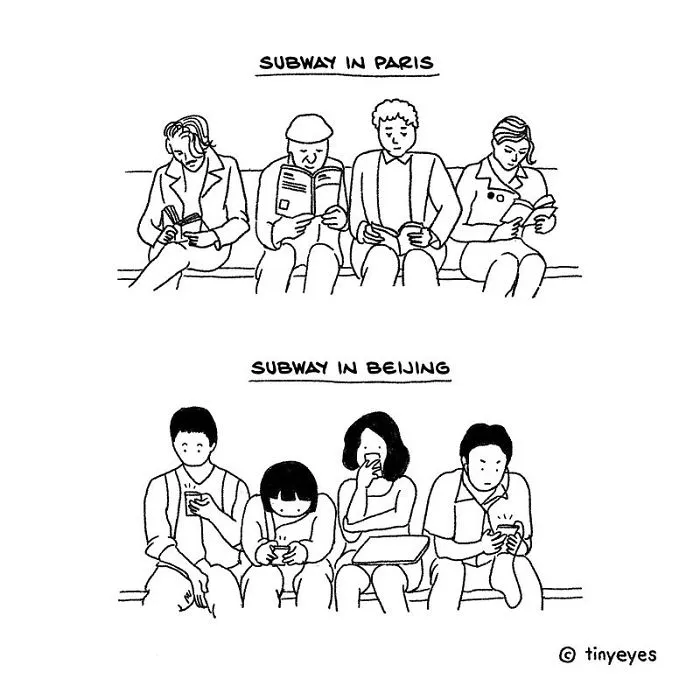
What really matters is not the format, but the content. In France, reading is a habit. There are bookshops everywhere, people take books with them on vacations and give each other as gifts. There’s a great variety of popular books: fiction, science-fiction, history, art, philosophy, comics…
In China, what people read mostly are news, practical books related to their professions, or “How to become the next Steve Jobs”. Of course there are also people who read extensively, but in general, reading hasn’t become a habit.
In China, what people read mostly are news, practical books related to their professions, or “How to become the next Steve Jobs”. Of course there are also people who read extensively, but in general, reading hasn’t become a habit.
0points
#32
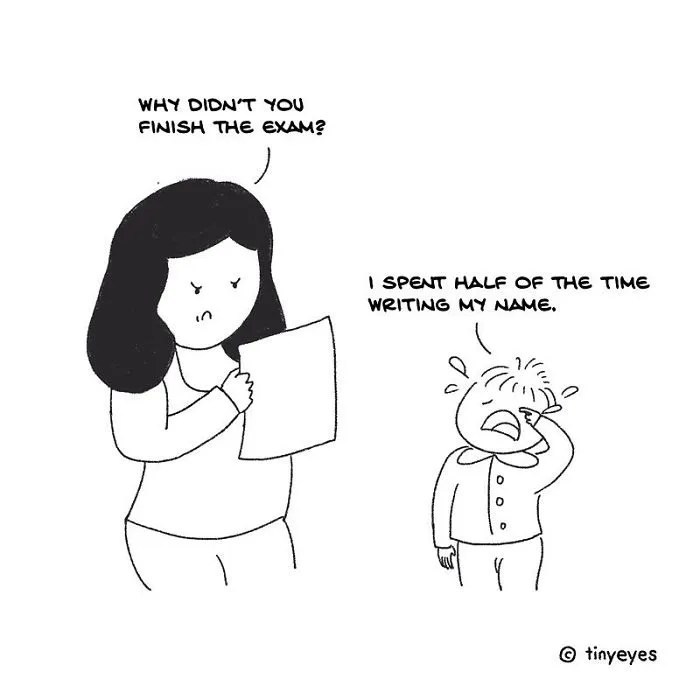
ne time a friend asked me, “Do you pass a lot of time writing your name? Chinese characters looks so complicated!” This made me giggle, but in a way it’s true because each Chinese character is a structure on its own and does not follow a linear movement as the alphabet.
0points
#33
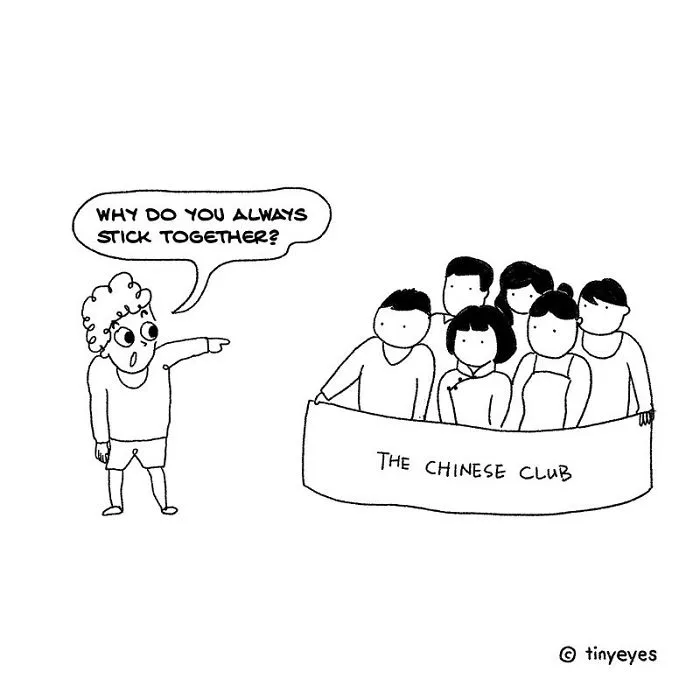
Chinese rely heavily on their network in the society(what we call "关系"). The first thing you do in a foreign place is to connect with your people so that you could “take care” of each other and get necessary help. Of course it also makes you feel more comfortable. On the other hand, the general lack of adventurous spirit (lack of individualism) results in an attitude that’s more reserved in a foreign environment. While some Chinese may not be comfortable enough to “mingle”, most of them are generally kind and tolerate towards foreign cultures.
0points
#34
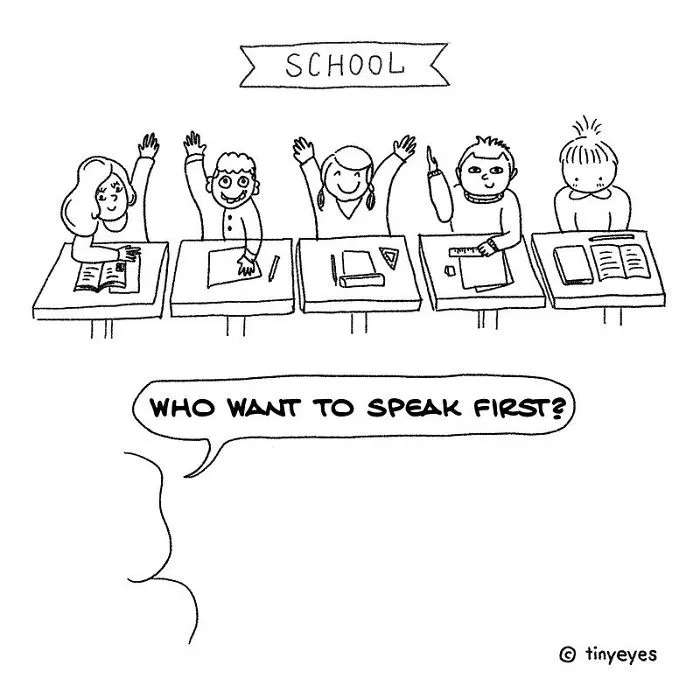
Chinese tend to wait for their turn to speak, although in a foreign culture, that turn may never come because it requires taking initiatives. From an early age, we are told to be humble, to think about others first(our position in a relationship) and hide our own opinions. (It doesn’t mean that we don’t have opinions.) That’s one of the reasons we appear to be timid in a group discussion, and are generally not good at public speaking or debate. However, this situation has also changed gradually as society put less constrains on young generations and more chance for them to communicate with the world.
0points
