

Being named executor of a will sounds like an honor until you realize it is an unpaid second job with a built-in fan club of relatives who suspect you of pocketing the family silver. Grief has a way of turning inheritance into a debate about who was promised what, and the person holding the checkbook ends up as the designated villain.
One 26-year-old inherited that role when their grandmother rewrote her will at the last minute, and the emails have been rolling in ever since, thirteen in a single day at last count. The latest battle is over a niece's tuition money, and the family has borrowed a scathing nickname from The Office to make their point.
Being a younger family member and the executor of an estate is risky business, even more so if it is a hefty sum of money people are waiting for

A grandchild was put in charge of their grandmother's estate, and was left with very strict instructions on how to pay the beneficiaries
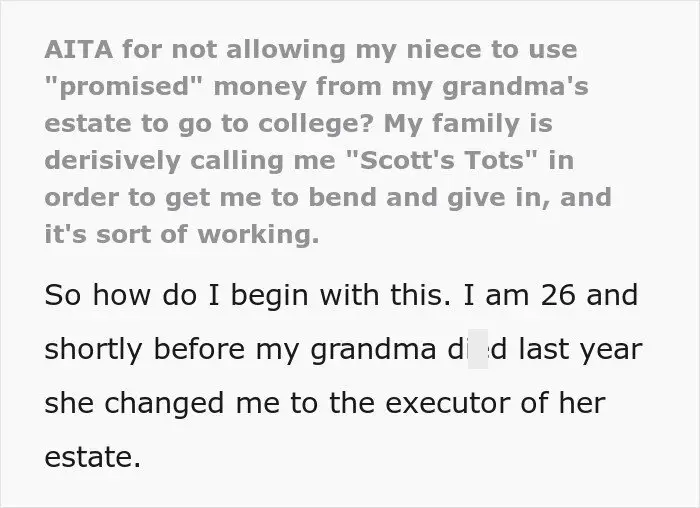

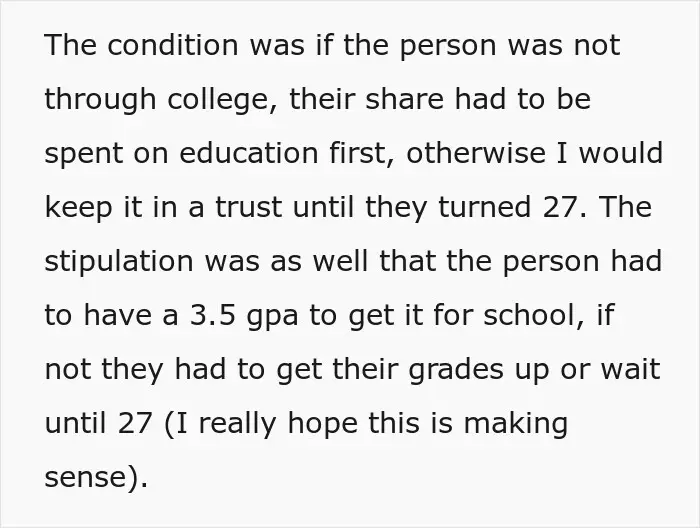
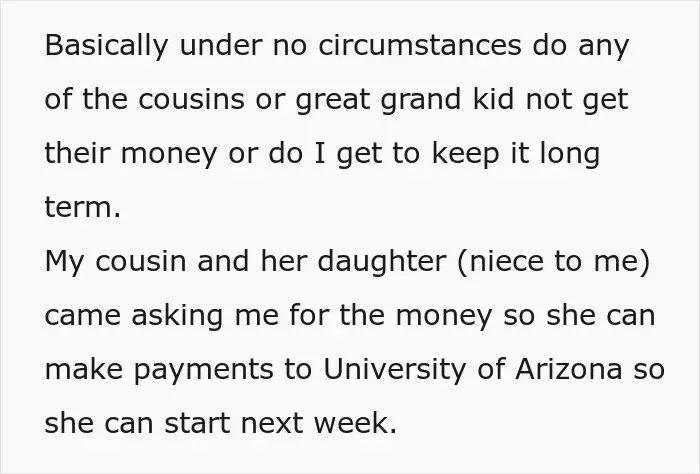

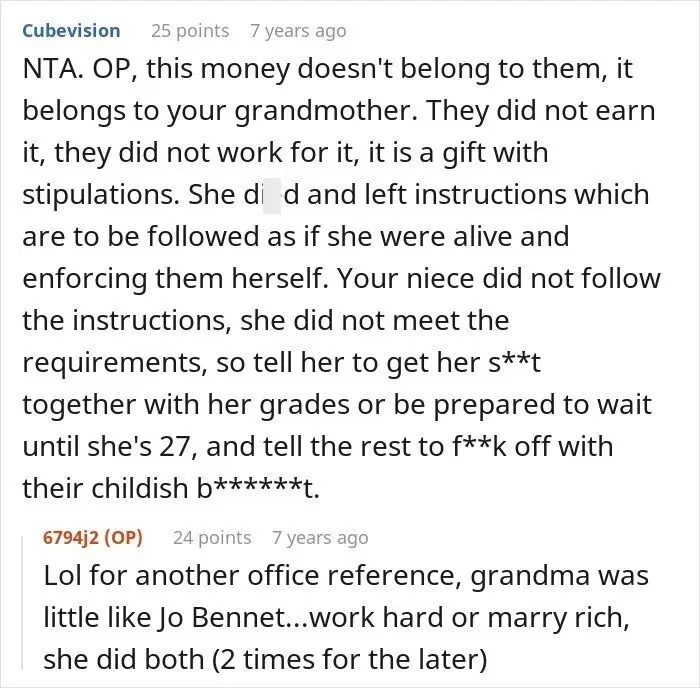
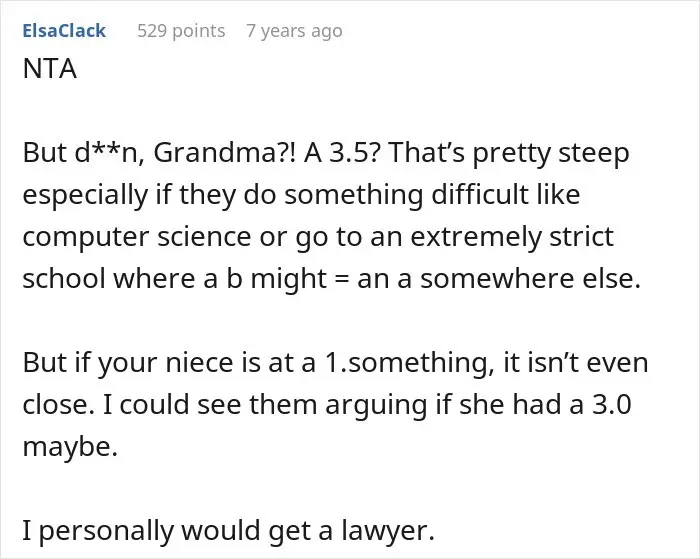
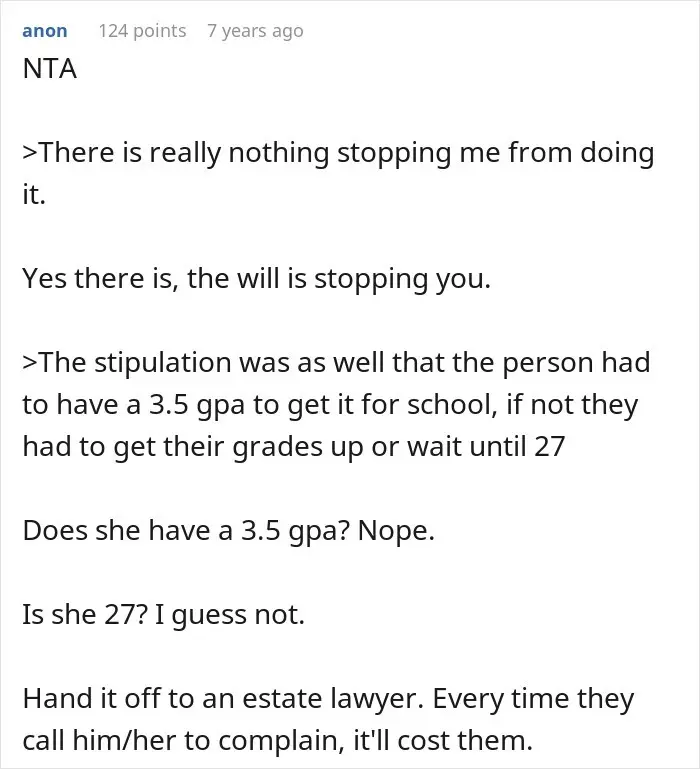
The grandmother stipulated every grandchild must first attend college, or use the money to pay for college and have a 3.5 GPA
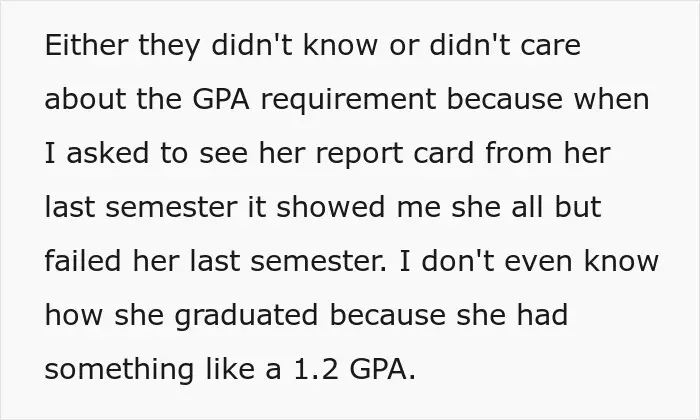
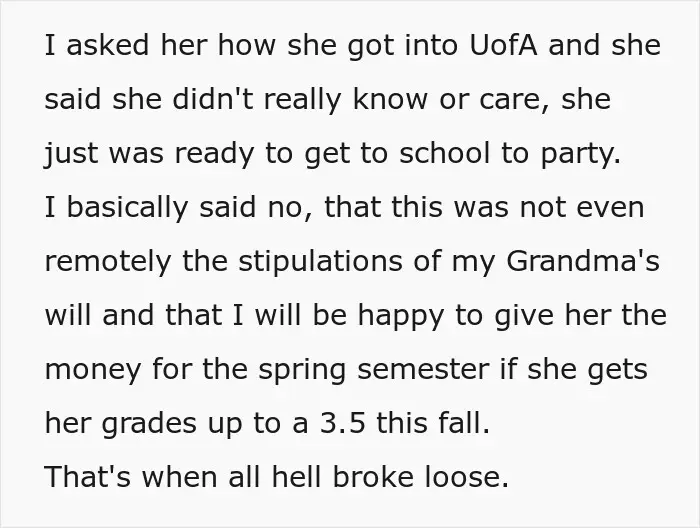

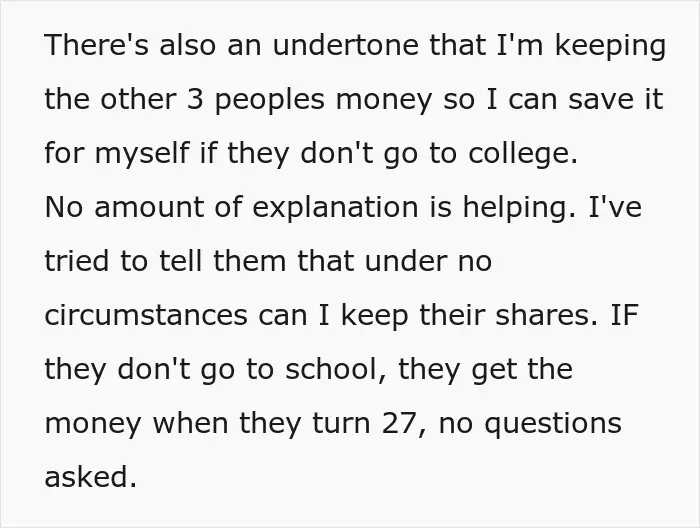
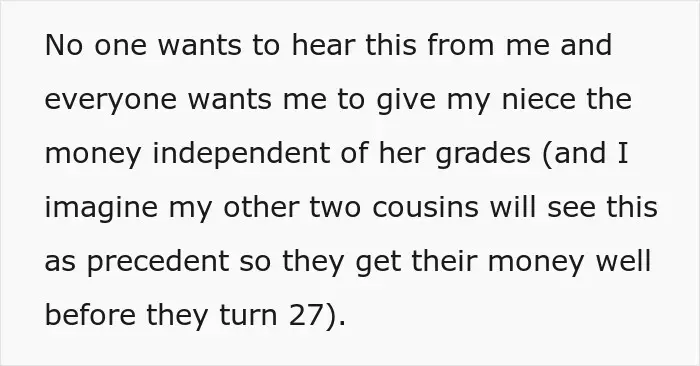
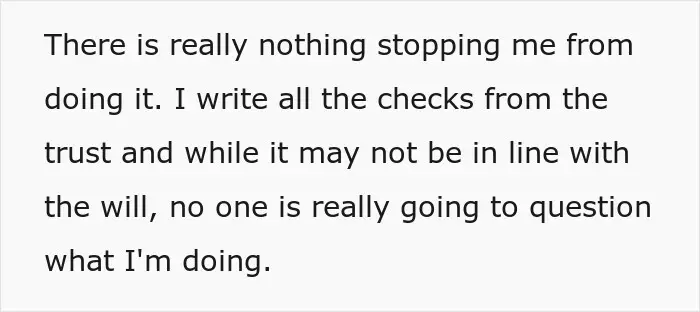

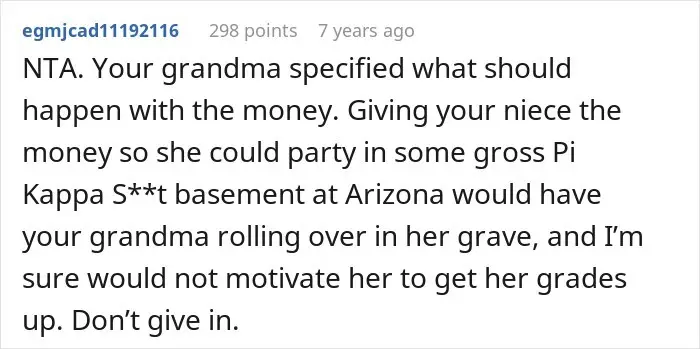
When the youngest niece showed up with a 1.2 GPA and a dream of partying her way through college, the executor put their foot down
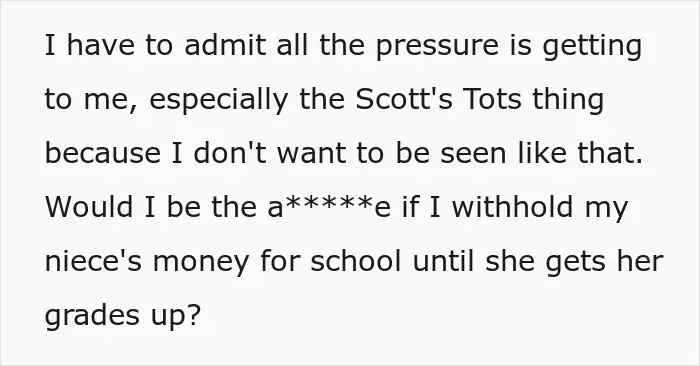
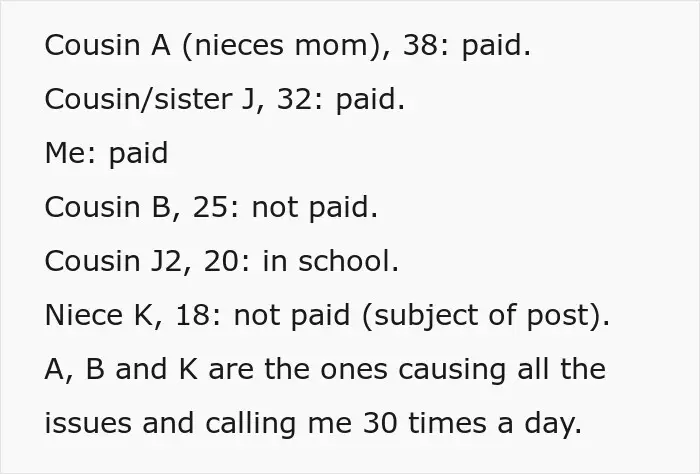
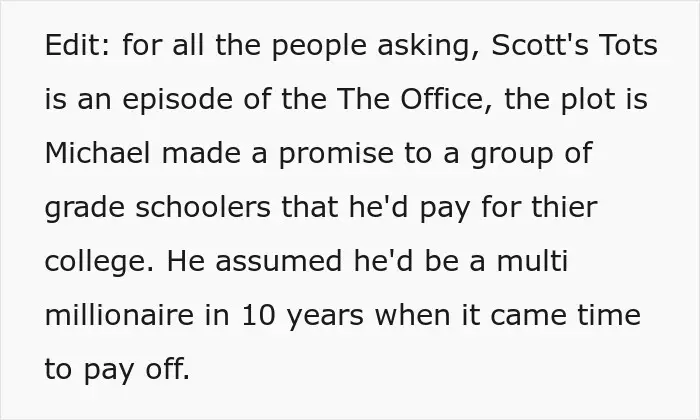

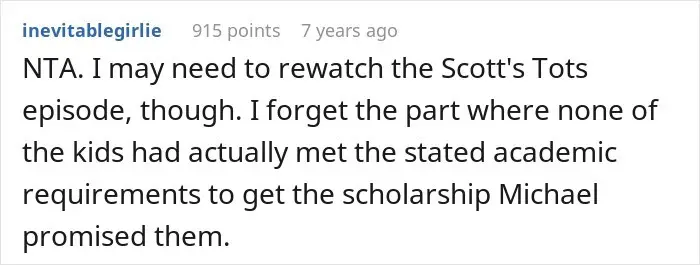
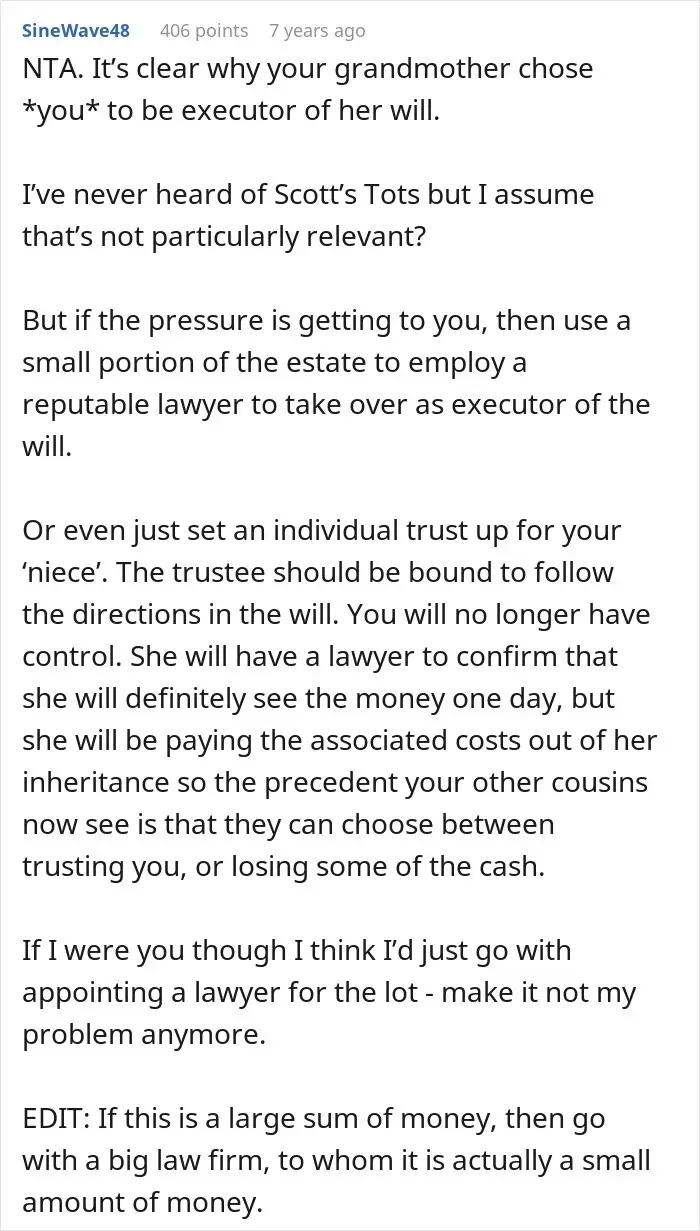
The family started a slander campaign against the executor, labeling them as "Scott's Tots," hoping the pressure would help them get their way
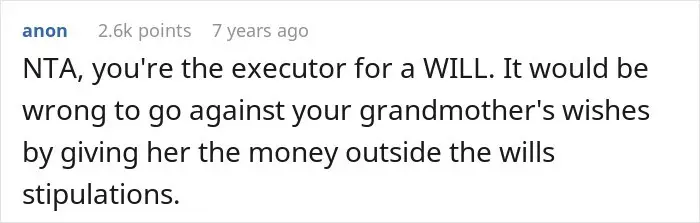
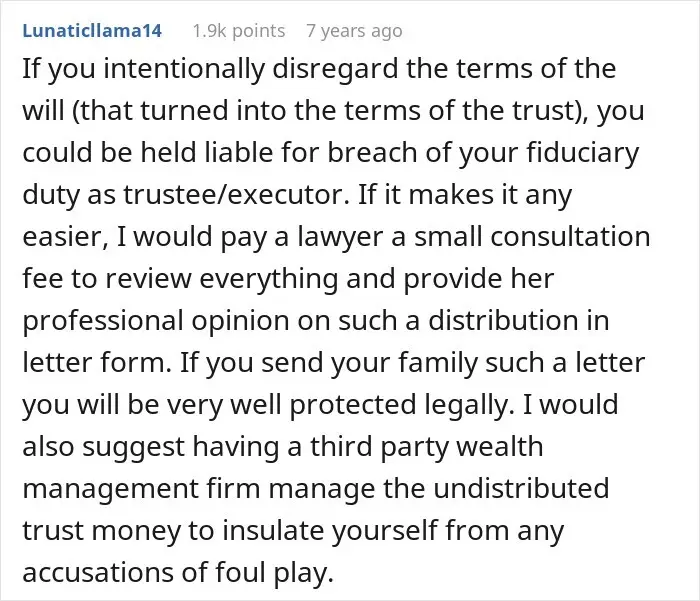
Cousin A and the niece have an easy argument to make: nobody is watching, so just write the check. This is where the executor's real job description comes in. An executor has what the law calls a fiduciary duty, which means following the will as written and acting in the beneficiaries' best interests.
In the US, an executor who hands out money in ways the will doesn't allow can be held personally responsible for any shortfall. Beneficiaries are generally entitled to ask for an accounting of where the money went, and courts can remove an executor who strays.
So "no one is really going to question what I'm doing" is a shaky assumption. The relatives who are already mad, already emailing, and already hunting for a villain are exactly the people most likely to ask for the paperwork. If the executor gave one cousin a tuition payment in violation of the GPA rule, the other two would have a ready-made complaint and possibly a lawyer. Holding the line is the safe move and the fair one.
Grandma's condition wasn't invented to be cruel. Conditional gifts are common, and courts will generally enforce a clear incentive condition like a minimum GPA unless it breaks the law or runs against public policy. Plenty of colleges put students below a 2.0 on academic probation, and the fact that she already got accepted on a 1.2 is questionable.

The niece also told the executor she was mostly excited to go to college to party. In fairness, plenty of 18-year-olds feel that way. They just don't usually say it out loud to the person holding the checkbook. The executor's offer, to cover the spring semester once the fall grades hit 3.5, is Grandma's own rule applied to the letter. Nobody's being locked out of anything, and the niece gets a clear path to the money.
Part of why this has gotten so heated comes down to psychology. Kahneman and Tversky's work on loss aversion found that losses tend to feel roughly twice as painful as equal gains feel good. Once the niece's family heard "there's money for your education," that money became hers in their minds. Anything that delays it, even a condition in the will itself, registers as something being taken away. The executor is dealing with people mourning a payout they never actually had.
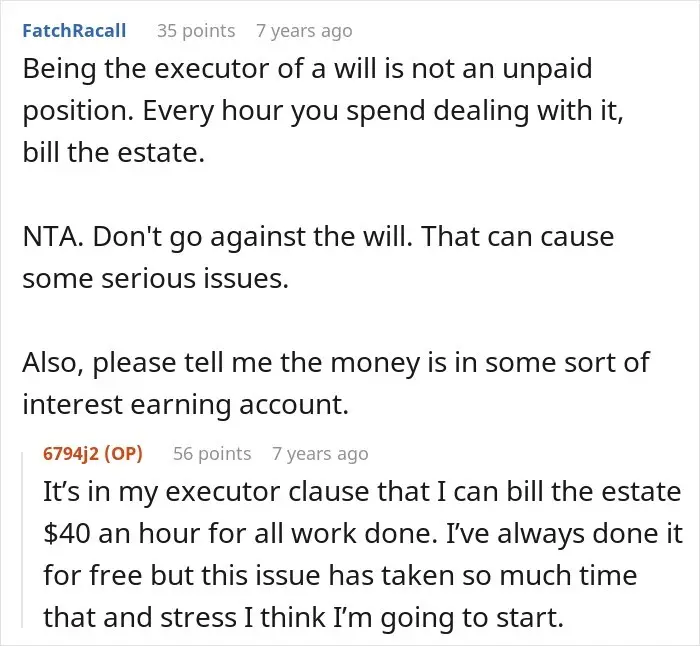
Estate matters rarely wrap up quickly. Probate often takes six months to a year or more, so the executor has a long stretch of this ahead. Most states let executors collect reasonable compensation for the work, and Grandma's will apparently spelled out $40 an hour. The executor has never used it. An accountant friend's suggestion to bill an hour for each email would turn that single day into $520, which is a fun thought experiment and probably not a plan.
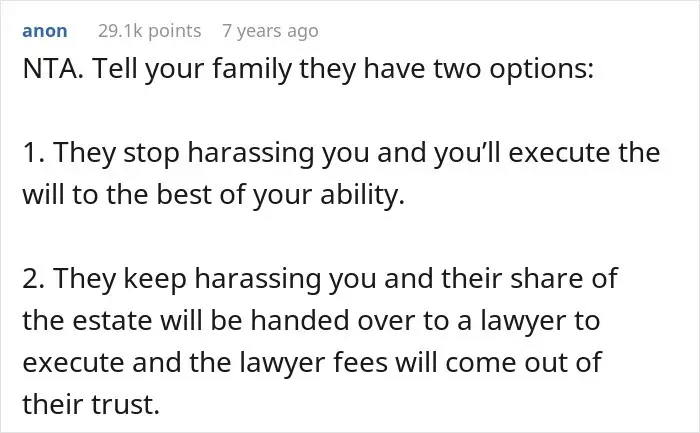
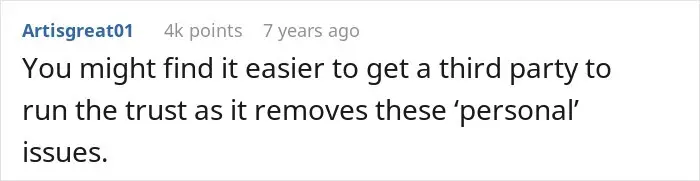
The practical advice is boring but solid. Put everything in writing, keep a record of every request and every response, and send one clear message to the whole family that quotes the GPA clause directly. Better yet, have an estate attorney review the situation and send the message for them, since a letter from a lawyer tends to cool email threads fast. For now, the niece's route to college money is simple: bring up the grades, and the executor has already said yes.
People in the comments were quick to remind the executor that this was not an unpaid job, and they should be paid from the niece's share