





The winners and finalists of the 2023 Close-Up Photographer of the Year (CUPOTY) Awards have just been revealed! More than 12,000 entries from 67 countries were submitted, and the judges have picked the best ones in eleven categories: Animals, Insects, Butterflies and Dragonflies, Invertebrate Portrait, Underwater, Plants, Fungi and Slime Moulds, Intimate Landscape, Human Made, Micro (for images created using a microscope) and Young Close-up Photographer of the Year (for entrants aged 17 or under).
The competition highlights the skill of photographers who take captivating close-up pictures, showing the beauty and intricacy of the world around us. Check out the incredible hidden wonders of nature below! And don't forget to take a look at the full gallery of winners and finalists on the CUPOTY website.
#21 2nd Place In The Category Of Fungi And Slime Moulds: "Autumn Emergence" By Jay Birmingham
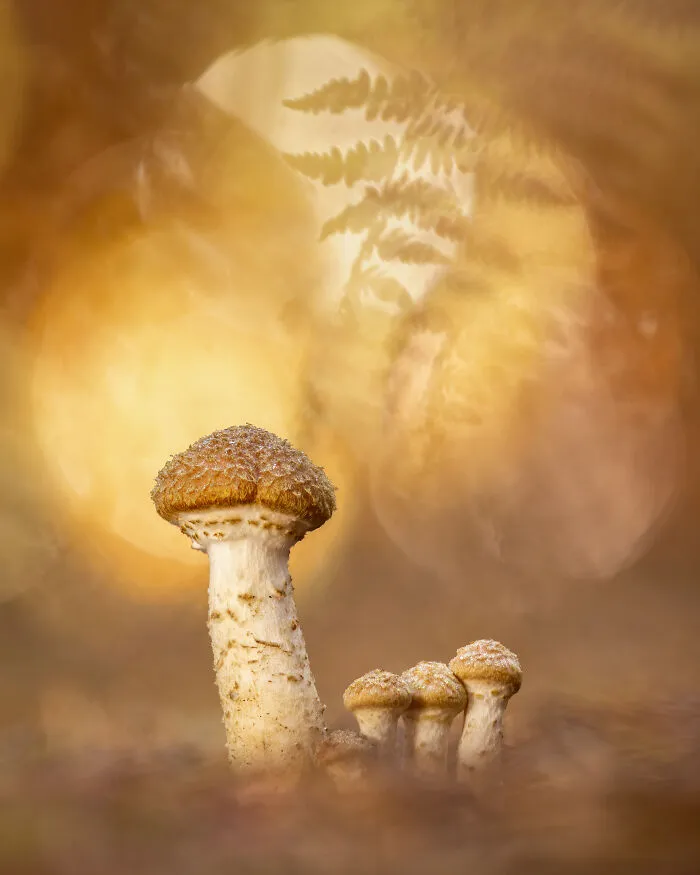
"I came across these honey fungi in my local woodland, just as the sun was rising and lighting up the woods with golden hues. The bonus was the bracken behind - which gave the picture a wonderfully warm
autumnal feel. I captured it with a wide aperture, to isolate the subject, and to maximize the bokeh background."
autumnal feel. I captured it with a wide aperture, to isolate the subject, and to maximize the bokeh background."
19points
#22 1st Place In The Category Of Human Made: "Asymmetrical Threads" By Elizabeth Kazda
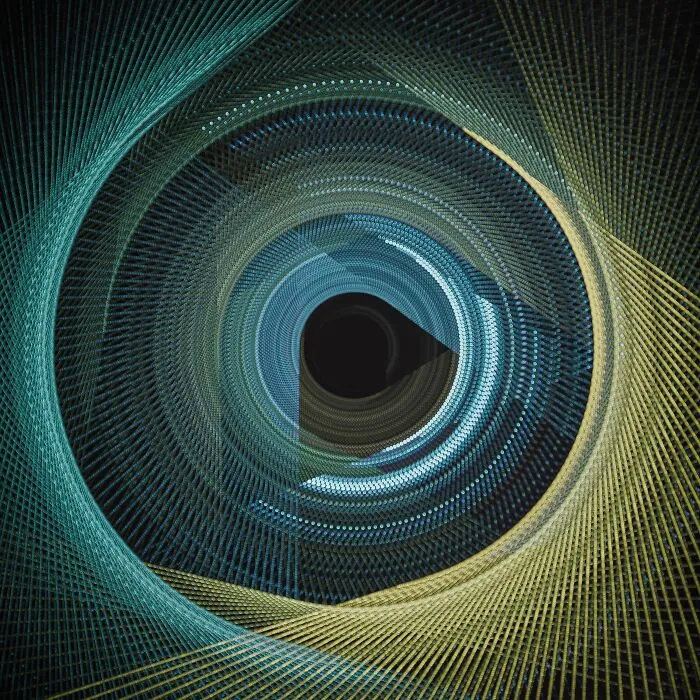
"I enjoy pushing the limits of my camera's capabilities and experimenting with new techniques to capture ordinary objects. My collection of art supplies includes numerous spools of colored thread from previous projects. I wanted to photograph this thread in a unique way and came up with the idea of wrapping colored strands around an open picture frame. I placed the frame on a motorized rotating platform and set my camera to multiple exposure mode. I captured 64 photos of the thread at 64 equidistant positions as I rotated the platform. Since I didn’t complete a 360° rotation, the design is asymmetrical. This is a meticulous process that requires patience. For this image, I used an in-camera multiple exposures of 64 frames to output a single Raw file."
16points
#23 3rd Place In The Category Of Young: "Dicyrtomina Ornata" By Alexis Tinker-Tsavalas
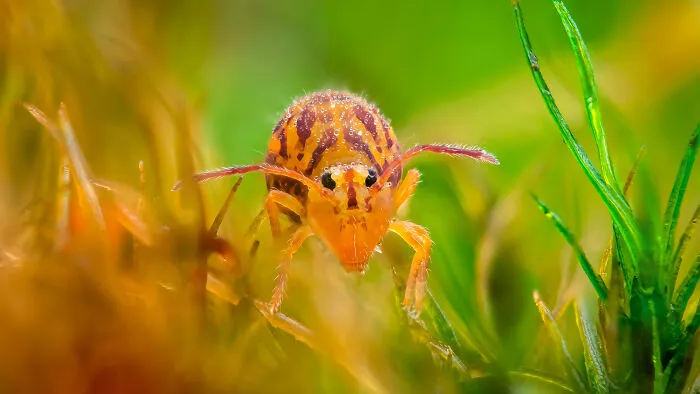
"While on a walk in the forest in winter I came across a fallen log covered in moss, and upon looking closer noticed a bunch of globular springtails in the moss. Most of them were quite active which made photographing difficult, but after looking around for a while I spotted this individual staying still. By carefully moving some moss out of the way I was able to get a good angle for a portrait with a bit of moss in the foreground for more depth."
16points
#24 3rd Place In The Category Of Underwater: "Pinkaboo" By Chris Gug
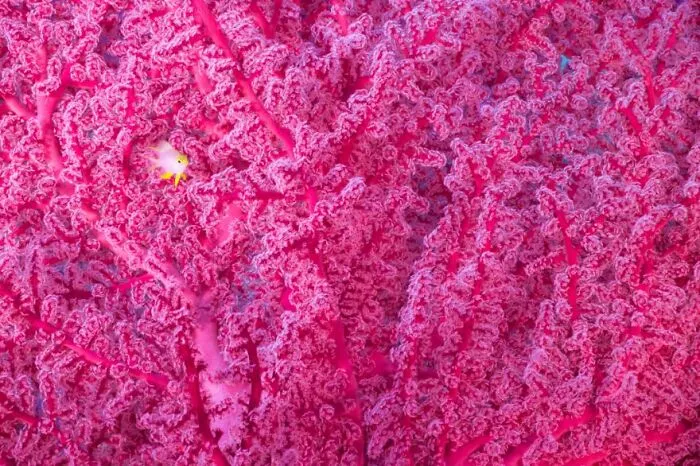
"For years, I had been wanting to make a relatively simple image of a golden damselfish set against a background of red sea whip coral. But on multiple trips to various South Pacific diving locations, there was always some problem with the sea whips – one branch would be broken, lack of current caused the polyps to be retracted, the damselfish was too rough… just always something to make me cringe with OCD! So when I found this little gem living in what is clearly NOT red sea whips, I had to twist my mind out of its rigidity, and realize that the gorgonian coral background I was searching for was indeed a different species, and was right in front of me!
As a traditional fisheye lens shooter, water-contact optics have been a game-changer in underwater wide-angle photography. While not quite as wide as a fisheye lens, they still cover a large field of vision, while maintaining far superior corner sharpness and don’t introduce the extreme barrel distortion of a fisheye lens. Using Nauticam’s revolutionary WACP-1 lens/port allowed me to use a medium zoom, and create a close-focus wide-angle view from just a few inches away that, unlike a fisheye lens, appears flat and maintains focus on the entire coral environment."
As a traditional fisheye lens shooter, water-contact optics have been a game-changer in underwater wide-angle photography. While not quite as wide as a fisheye lens, they still cover a large field of vision, while maintaining far superior corner sharpness and don’t introduce the extreme barrel distortion of a fisheye lens. Using Nauticam’s revolutionary WACP-1 lens/port allowed me to use a medium zoom, and create a close-focus wide-angle view from just a few inches away that, unlike a fisheye lens, appears flat and maintains focus on the entire coral environment."
Report
16points
#25 3rd Place In The Category Of Insects: "Circular Trenching Behavior By A Leaf Beetle" By Liang Fu
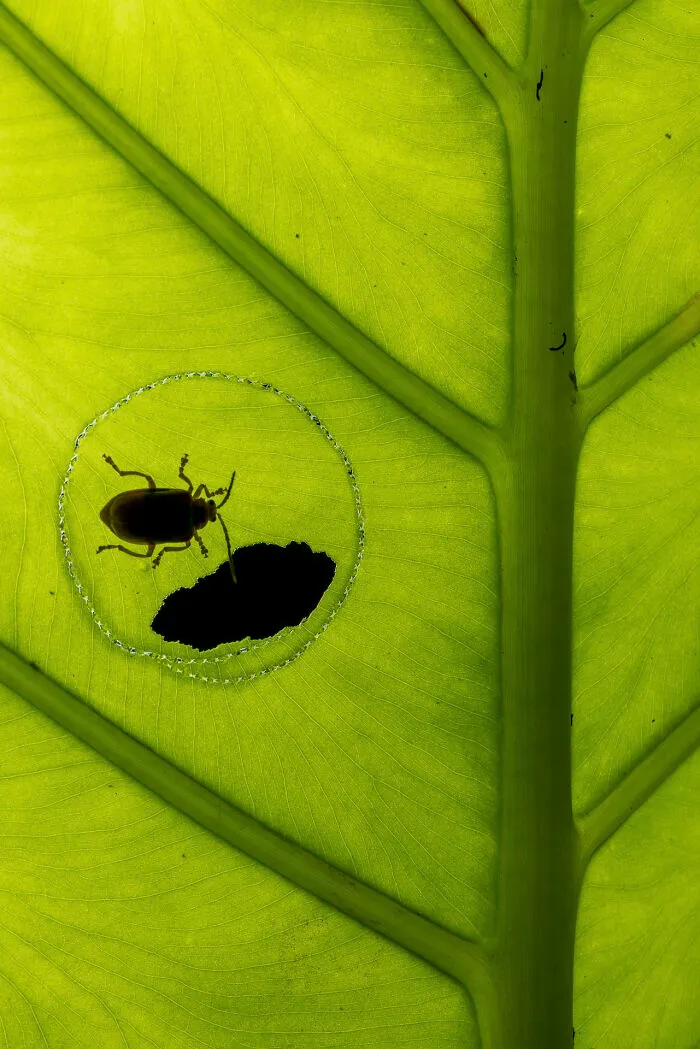
"The leaf beetle Aplosonyx ancora cuts circular trenches on the underside of leaves of their host plants before feeding. By doing so, the toxins in the leaf veins are cut off and the beetle can feed happily within."
Report
15points
#26 1st Place In The Category Of Young: "Small Wanders" By Carlos Pérez Naval
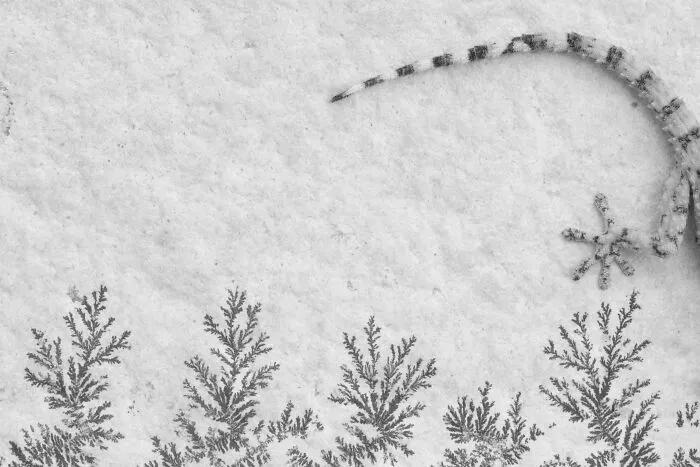
"In the wall of some houses in Calamocha – the village in Spain where I live – it’s possible to find pyrolusites. These magnesium minerals create stunning formations, which look just like petrified trees, but they are so small that they’re tricky to spot. One day, I was lucky enough to find a Moorish gecko (Tarentola mauritanica) very close to the pyrolusite’s wall, so I tried to make the most of the encounter. I wanted to capture a gecko in the ‘petrified forest’ for a long time, but they only recently appeared in my village (probably carried in fruit baskets from hotter areas). Due to climate change, they can now survive here."
14points
#27 1st Place In The Category Of Intimate Landscape: "Undertow" By Csaba Daróczi
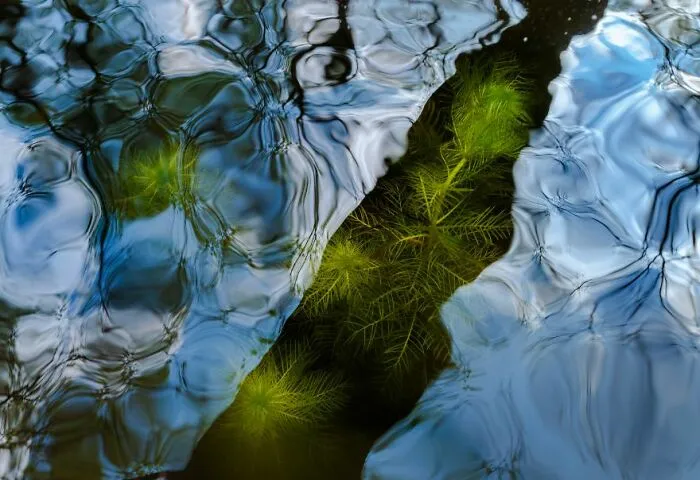
"In the first days of May, I always return to a small canal near Izsák, Hungary, where the water violet (Hottonia palustris) blooms in huge numbers. Unfortunately, flowering was delayed this year and only the leaves were still underwater. I was about to go home when I saw a tree had fallen over the canal and under its reflection the plants were clearly visible. I found it a very exciting subject and played with it for a while."
14points
#28 3rd Place In The Category Of Plants: "Golden Agave" By Beth Debor
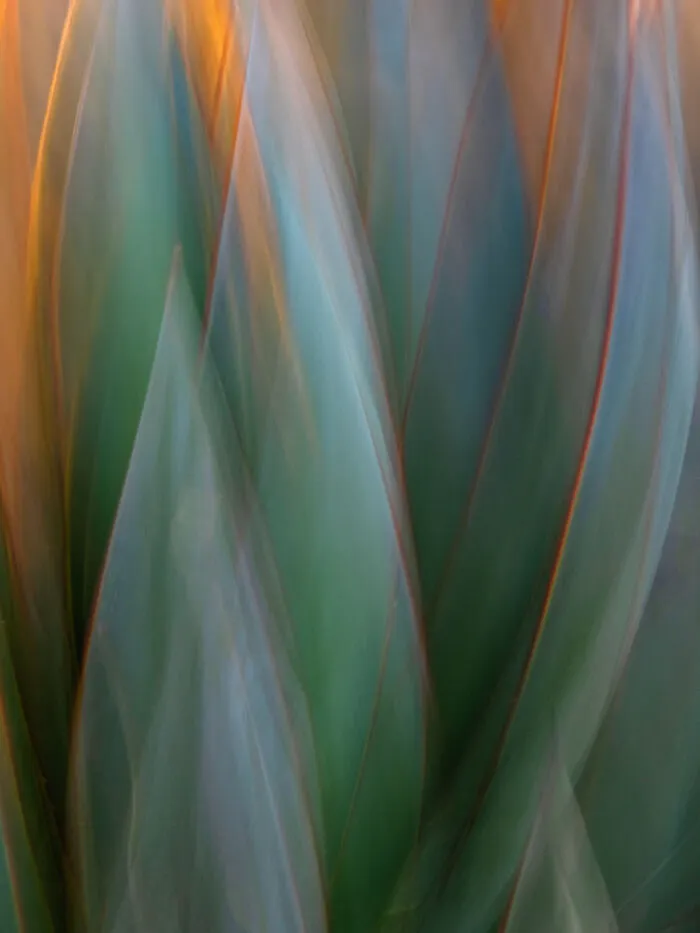
"Agaves are one of my favorite desert plants, so I spent quite a while with this specimen at the Desert Botanical Garden, Arizona, USA. The beautiful light bouncing off the red wall behind the plant drew me in. I thought the strong repeating pattern of the leaves would make a good in-camera double exposure. After taking the first image, I moved the camera slightly for the second one."
13points
#29 3rd Place In The Category Of Intimate Landscape: "The Sorcerors Apprentice" By Jack Krohn
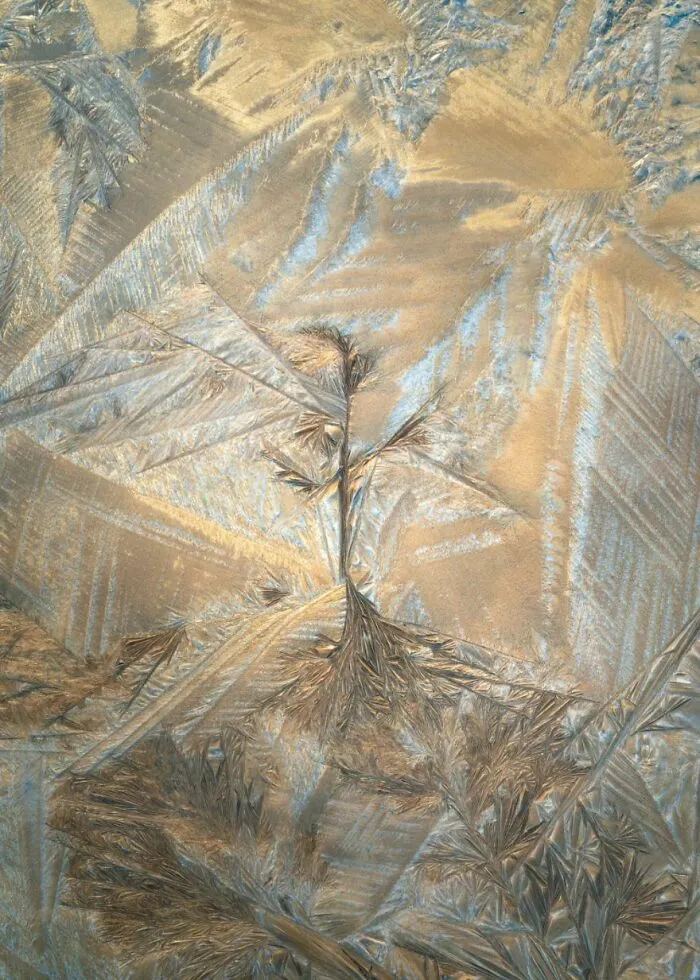
"I had camped the night before at this dry lake in eastern Oregon. During the previous day, the surface was extremely sticky mud. Overnight everything froze, and by early morning I found the surface covered with crystallisation patterns. Enhanced by the low angle of the rising sun, the ice offered an incredible variety of abstract compositions. I used a small aperture and shot as close to straight down as possible, in order to minimize the need for focus stacking. The use of a polariser was key, as the appearance of the compositions varied considerably depending on the amount of polarisation."
13points
#30 3rd Place In The Category Of Butterflies And Dragonflies: "Sunrise Beauty" By Wim Vooijs
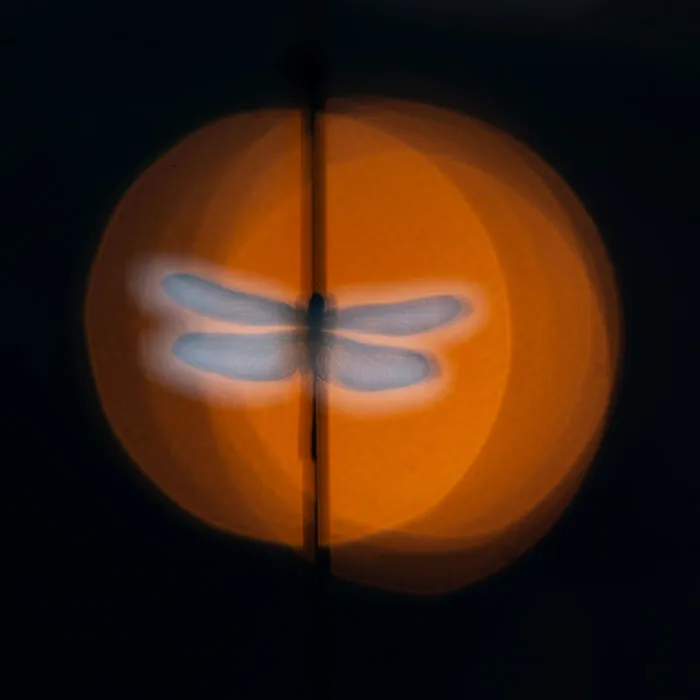
"It was a beautiful morning in a new area for me to photograph – Kampina nature reserve in the Netherlands. A lot of dragonflies were hanging in the tall grass to dry their dew-covered wings in the early sunlight. I like to be surprised by the interaction of nature, light, and equipment, so I selected my 200-600mm telezoom to capture this beauty as the sun rose. By using manual focus, I could find the exact picture that suited my taste."
11points
#31 3rd Place In The Category Of Human Made: "Ferro Field" By Jack Margerison
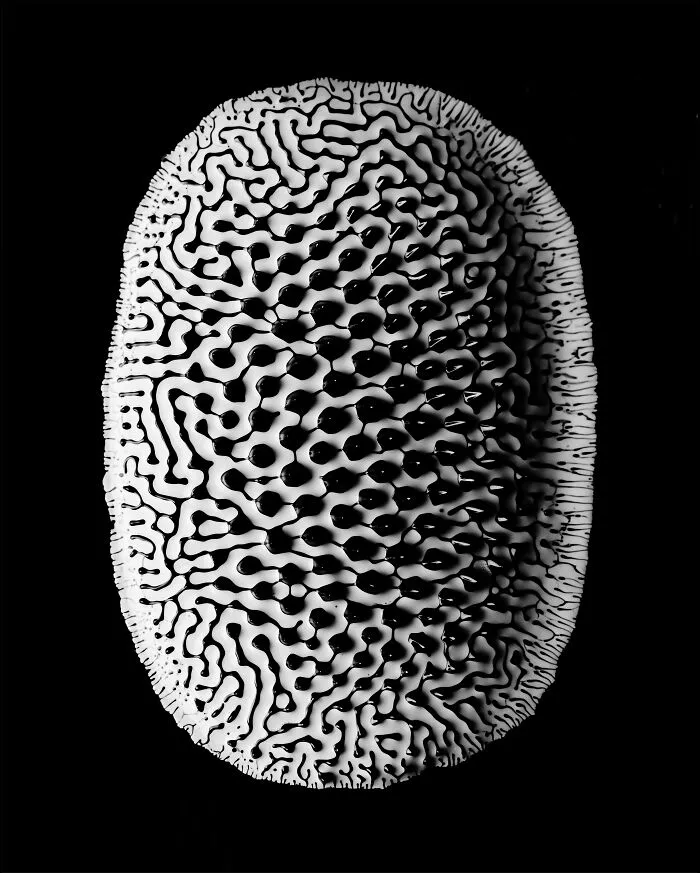
"During the Covid lockdown in the UK, we found ourselves trapped in our homes for long periods of time. To keep myself creative I started to make tiny pieces of artwork that I would shoot using various lights and techniques. This piece was made using a black foam board as a base, onto which I poured ferrofluid. A powerful magnet underneath created the pattern. Pink paint was then added using a pipette, before converting to black and white."
11points
#32 2nd Place In The Category Of Human Made: "Colour Study 51" By Paul Gravett
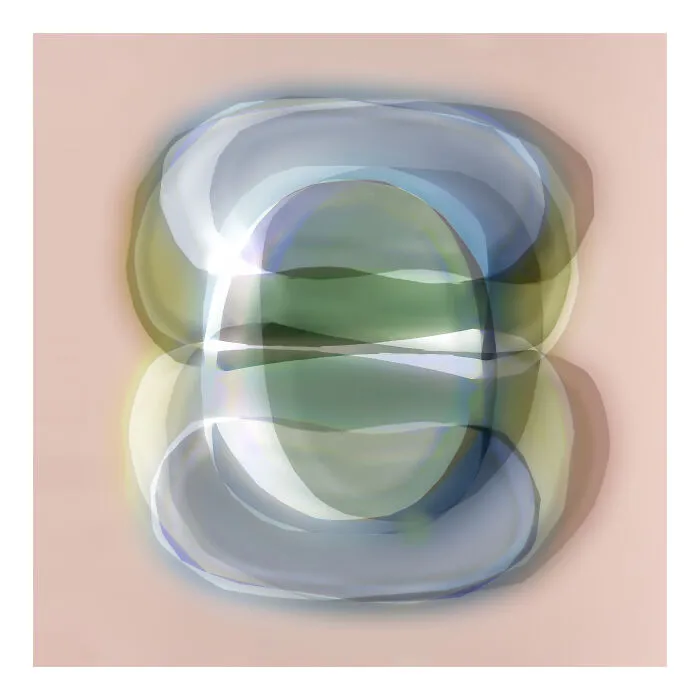
"The Colour Studies series blends traditional techniques of macro photography with experiments of layering and blending, creating unpredictable images that explore the nuances of surface, colour, light, and texture. My goal is to blur the boundary between photography and art and reference painterly techniques of pointillism, colour fields, opaque and transparent layers, and collage. The approach is often entirely unpredictable as the end result is never planned and it often diverges from the starting point. Colour Study 51 is an example where the experimentation can produce an interplay of the original shapes and produces visual depth."
9points
#33 3rd Place In The Category Of Micro: "Twisted Dandelion" By Harald Cederlund
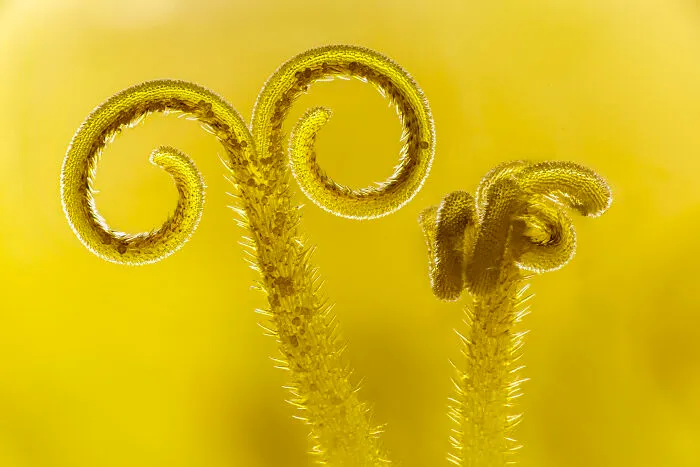
"This picture of a dandelion picked from my lawn was shot in my living room using a Mitutoyo10x microscope lens adapted to the camera using a 70-200mm f/4 lens as a tube lens. Using a motorized macro rail, I captured around 200 individual exposures that were combined in Zerene Stacker to produce the final image.
I often use such a setup to “poke around” inside dandelions. Using diffused light from a window to light the dandelion from behind creates a beautiful rim light, and better contrast, and makes the dandelion 'glow'."
8points


