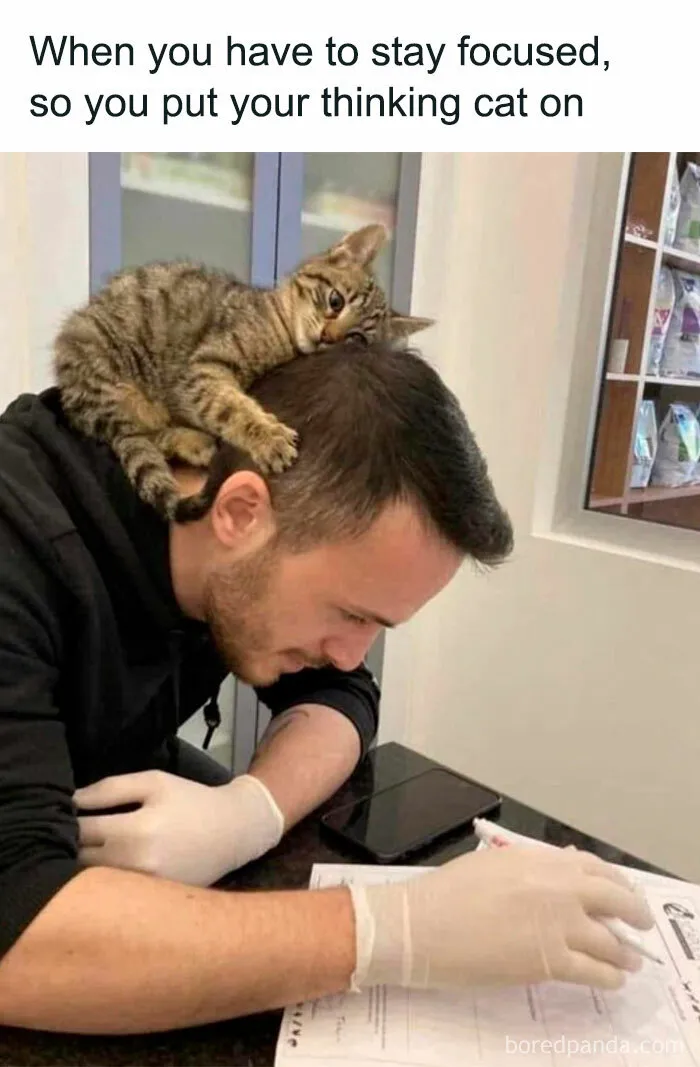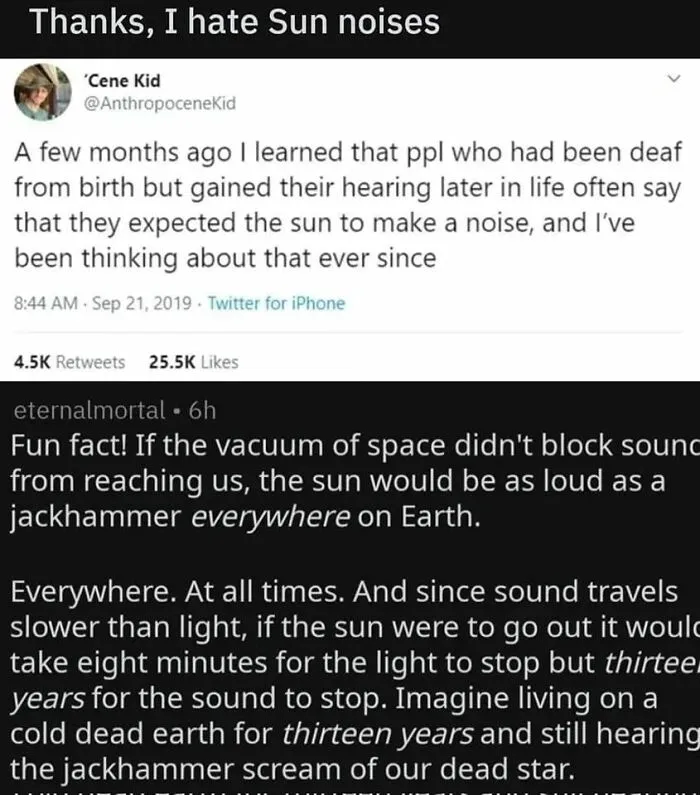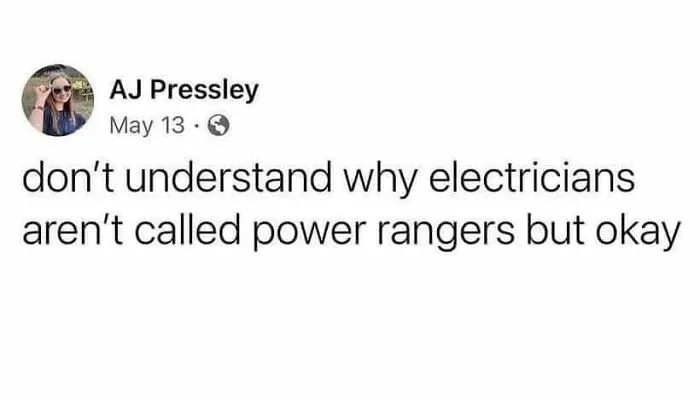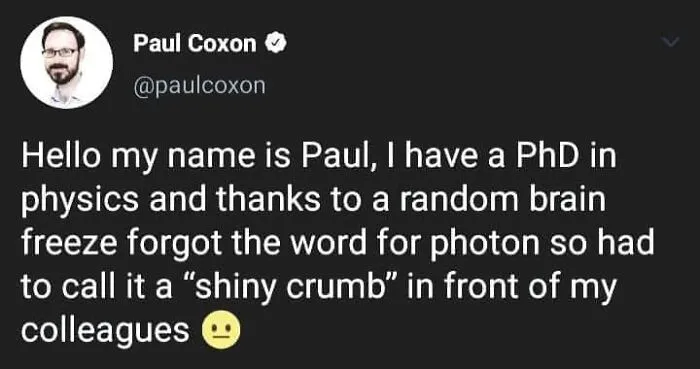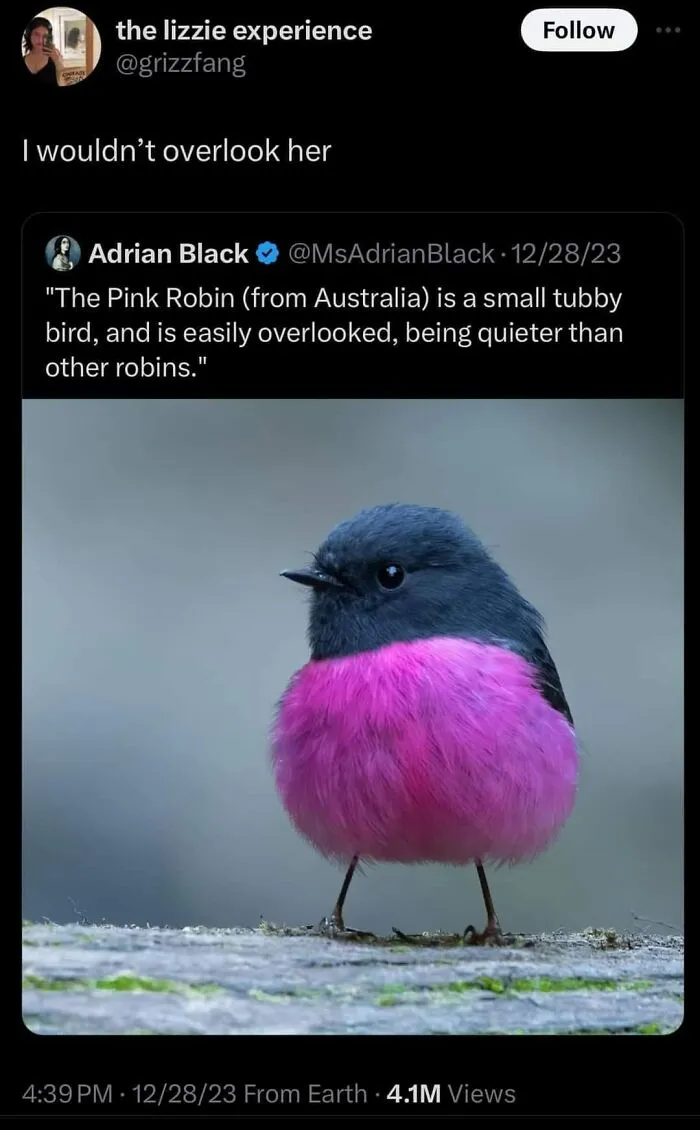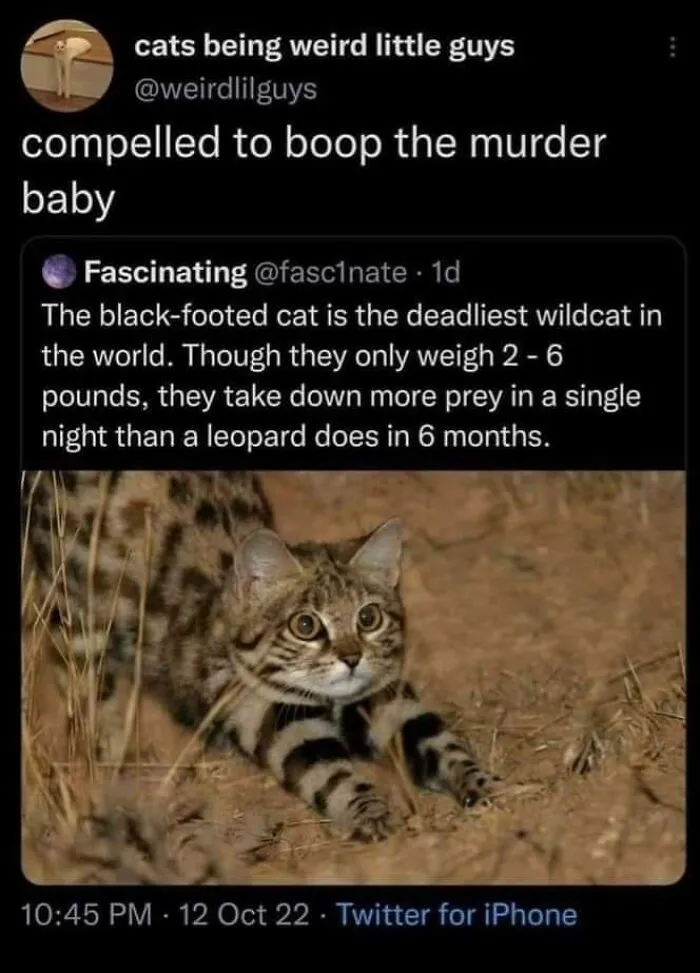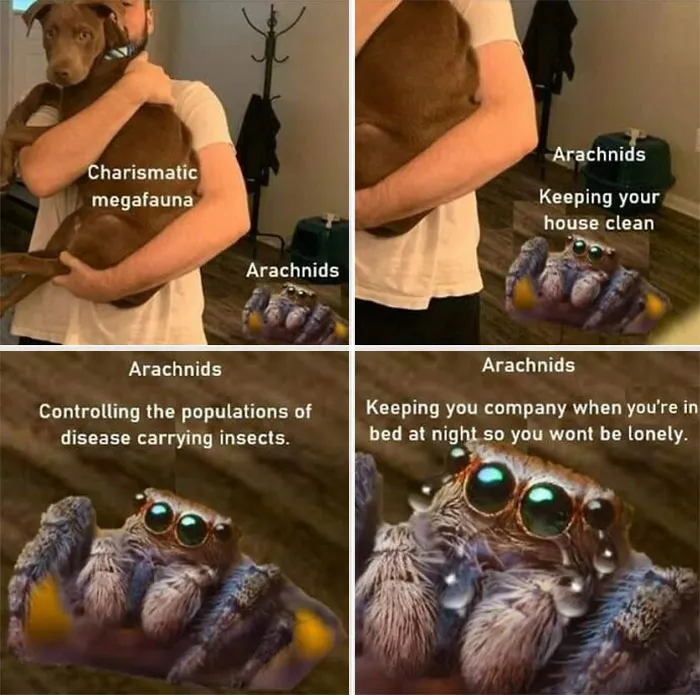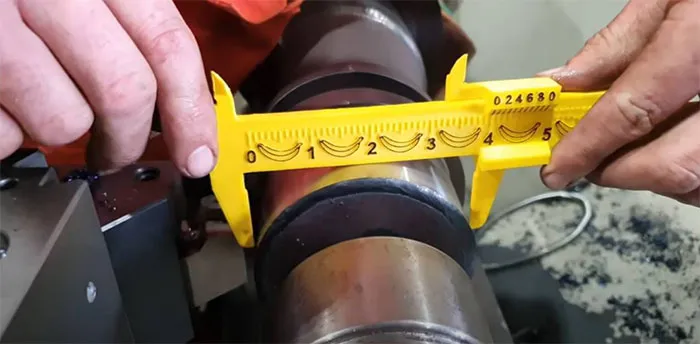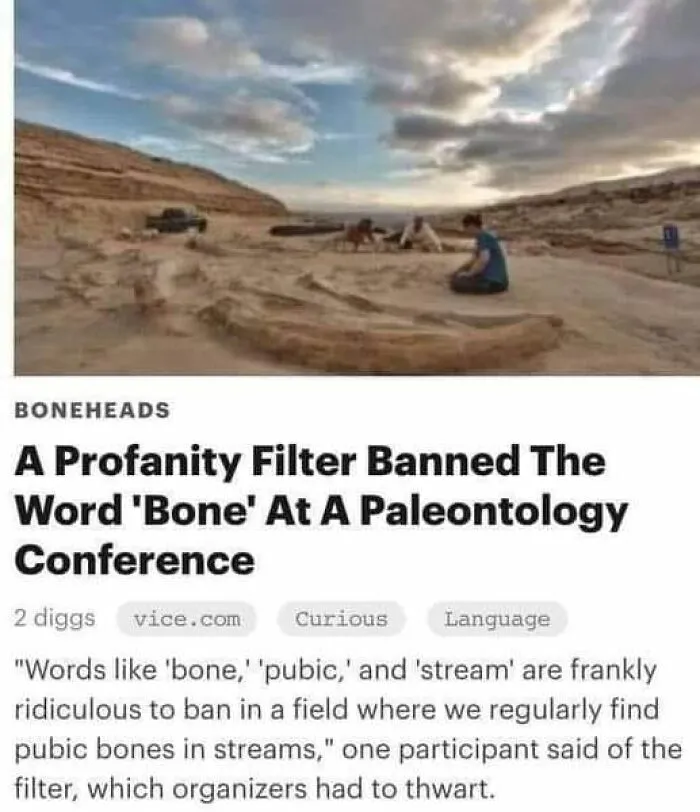

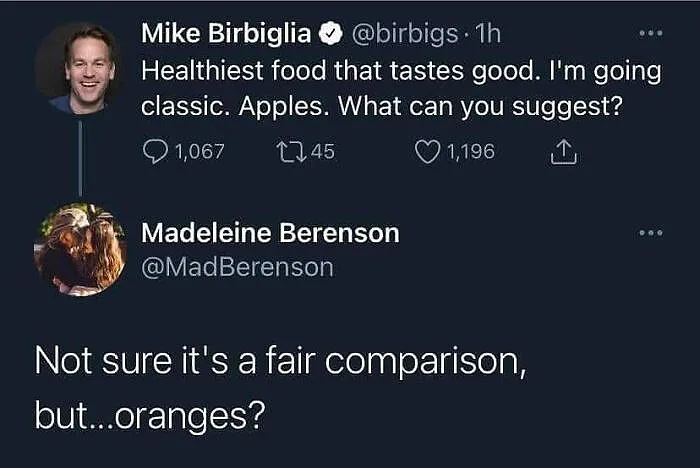
With the second, more hands-on one, students can be asked to create their own memes by finding pictures and coming up with captions that capture the idea of what they are studying.
The approaches to these can vary and it’s up to the teacher to find appropriate ways to deliver the material effectively.
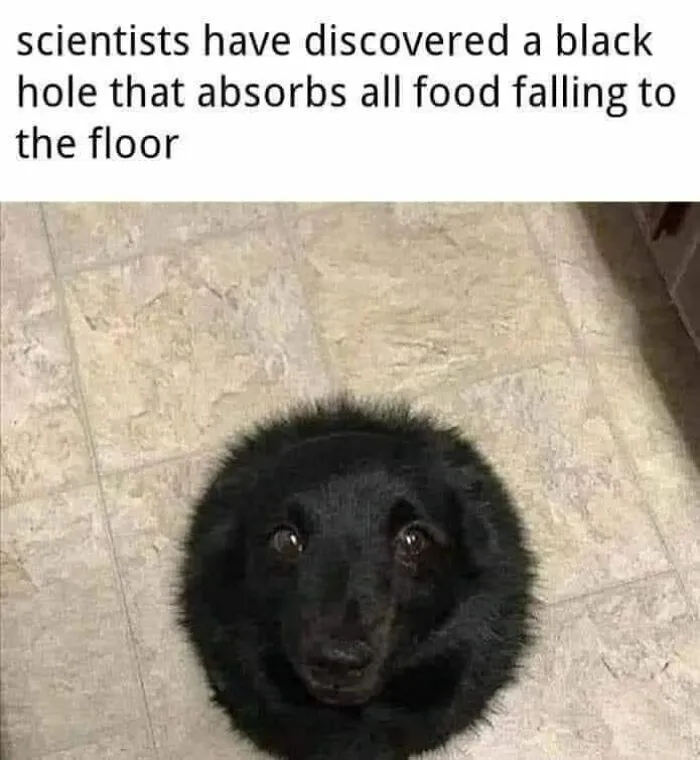
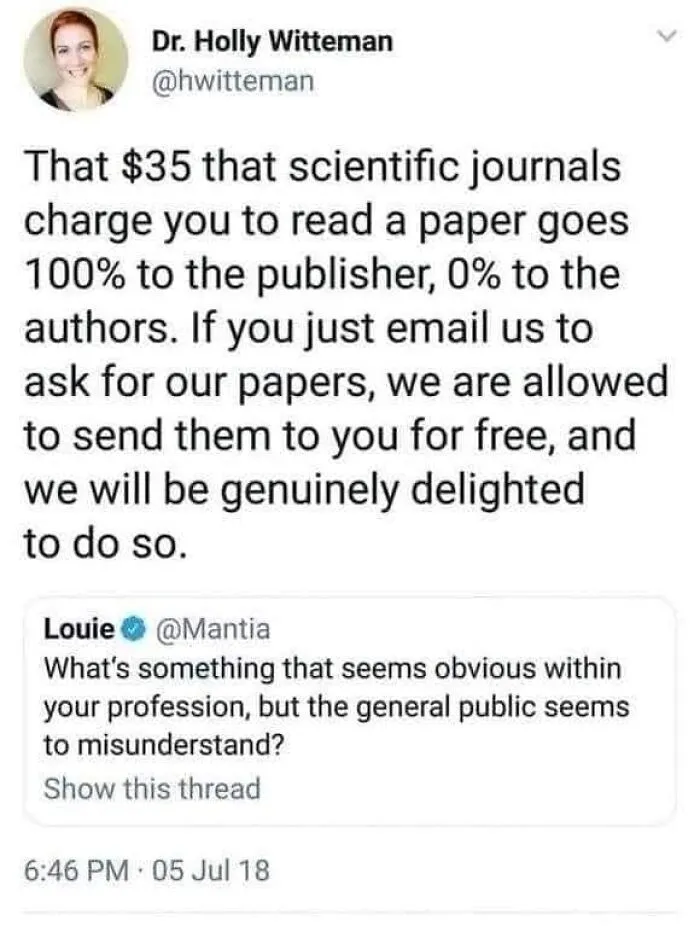

Now, there are risks involved. For starters, there has to be a bit of guidance with what prior knowledge is retrieved in the kids’ minds that would be associated with the study material.
Another huge no-no is using memes that are not as accessible as others, i.e. blind kids can’t see visual memes and kids with zero pop culture awareness might not get some of the more popular ones.
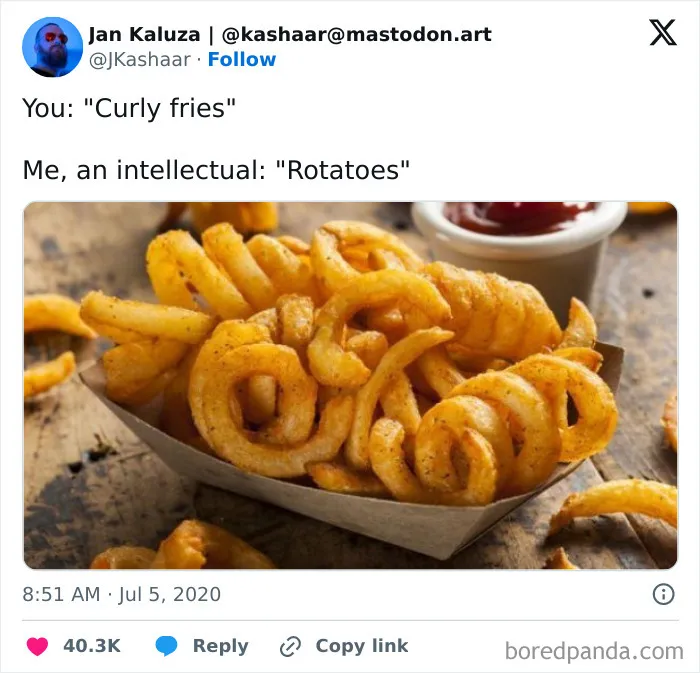
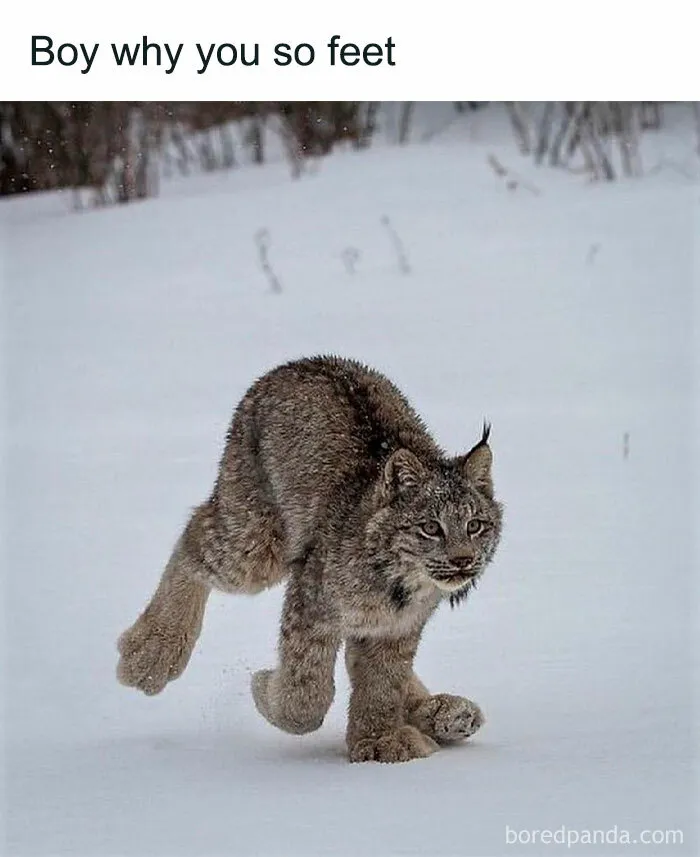
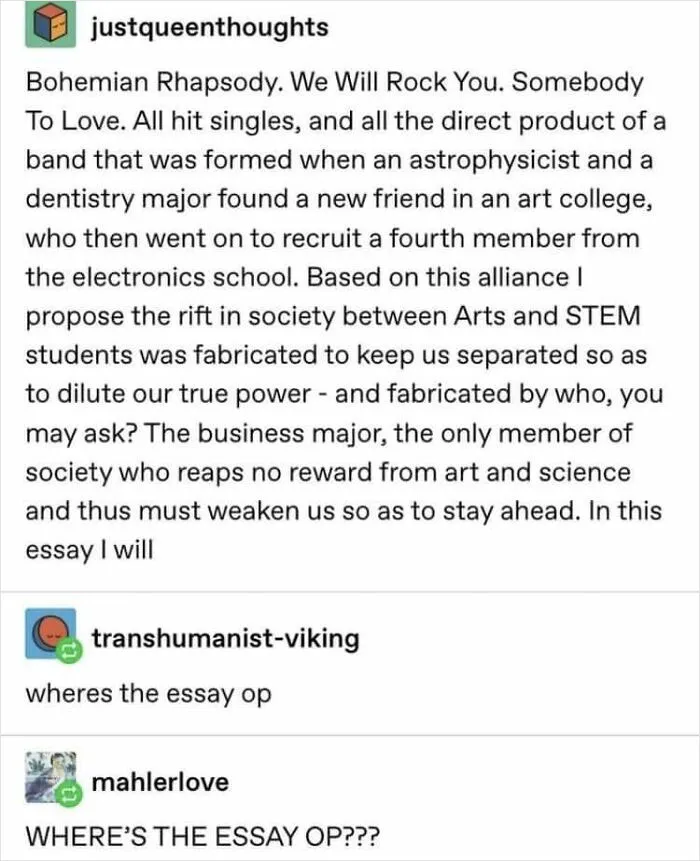
But if you avoid inappropriate angles on memes, it shouldn’t be a problem.
Whatever the case, memes tend to stick with people because of their relatability and thus serves as a great way to approach learning new things. If anything, the kids should have a blast.
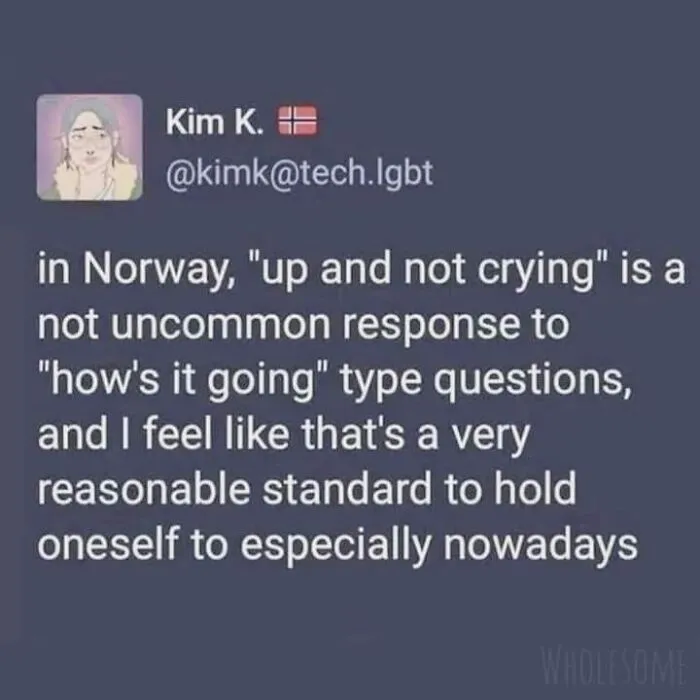
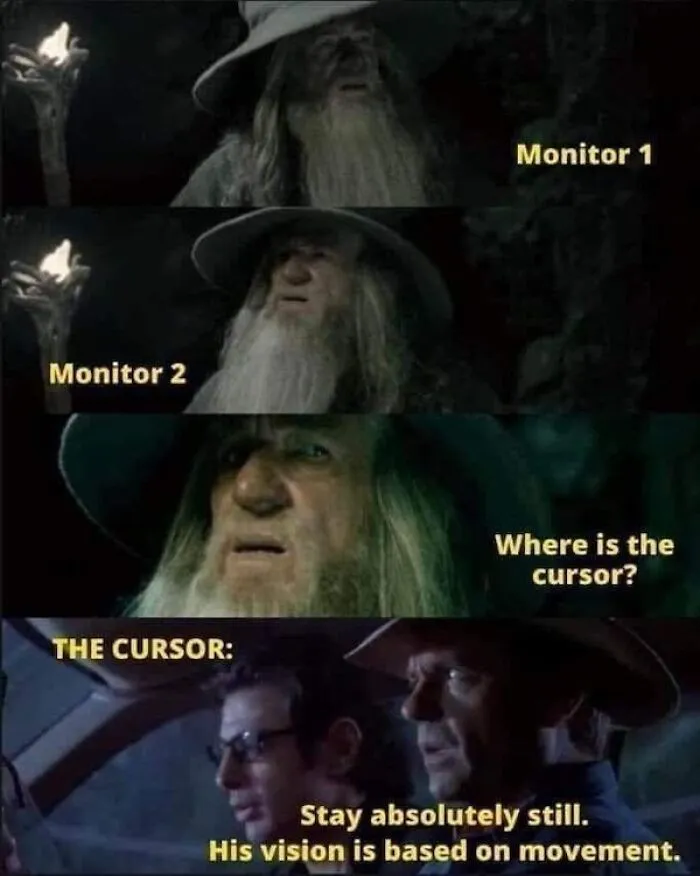
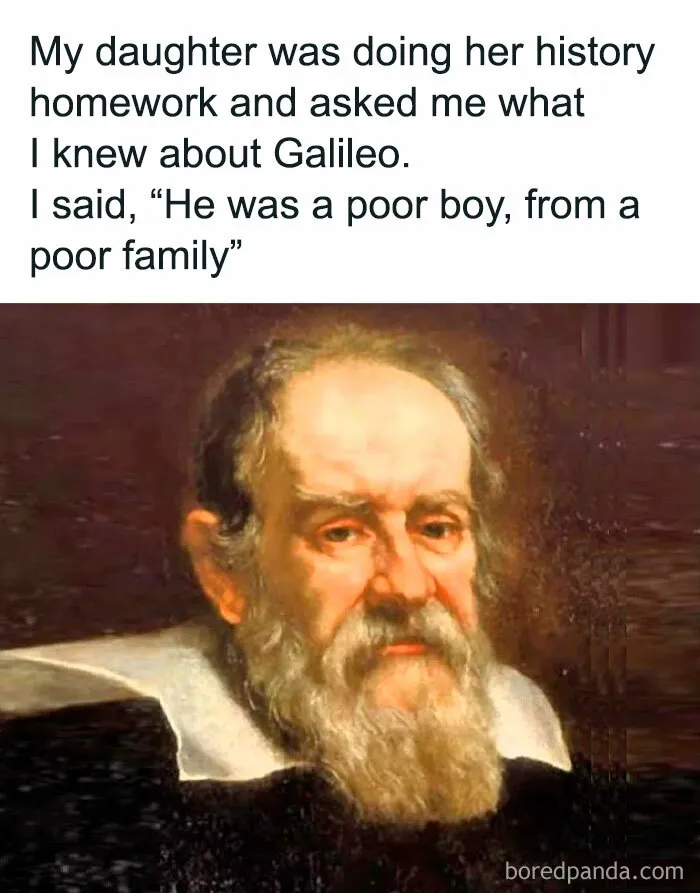
We’d love to hear from you, lovely Pandas, so why not share some of your witty science facts or memes in the comments!
And if you’re hungry for more science, then Bored Panda’s got that covered too.