


This post may include affiliate links.
If you could magnify an atom to the size of a massive cathedral, its nucleus would be roughly the size of a fly. Hard to imagine, right? That means atoms, the building blocks of everything around us, are made up mostly of empty space. It sounds almost too strange to be true, but science is full of fascinating facts that challenge the way we see the world. In his book A Short History of Nearly Everything, author Bill Bryson explores many such scientific wonders, breaking down complex ideas and discoveries that help us better understand the universe we live in.
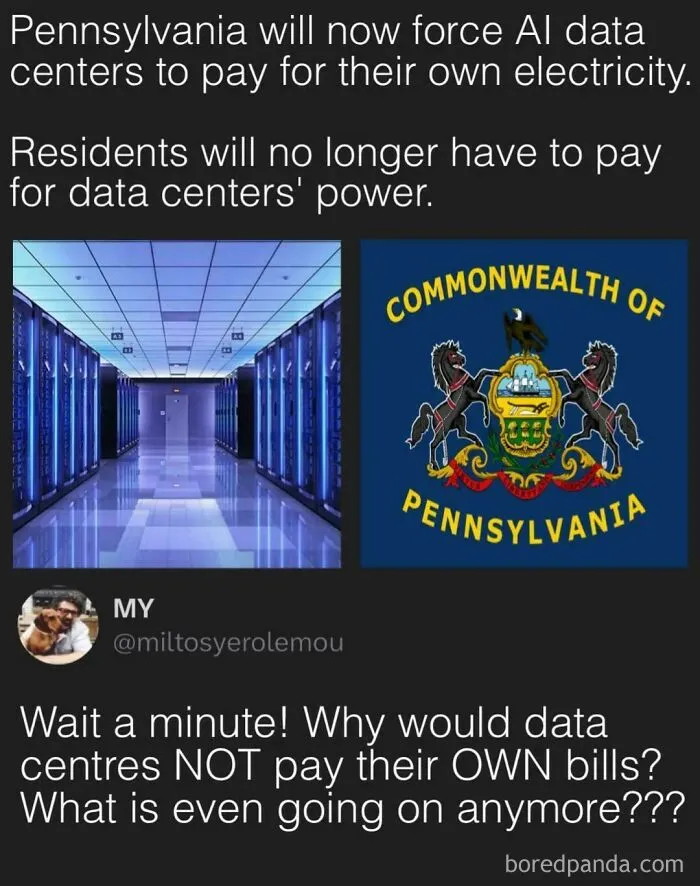
#5 "Okay Kids, Whoever Told Aunt Karen The Holidays Were Cancelled Is Getting An Extra Present From Santa This Year..."


Of course, not every claim that sounds unbelievable is backed by science, and not every piece of information we encounter is accurate. While some surprising facts reveal just how fascinating the world is, other claims stem from misunderstandings, half-truths, or deliberate attempts to mislead. The challenge is learning to tell the difference.
And in today's digital world, where information can spread across the internet in seconds, that distinction matters more than ever. This brings us to two terms often used when discussing unreliable information online: misinformation and disinformation. Although they're sometimes used interchangeably, they don't mean quite the same thing.
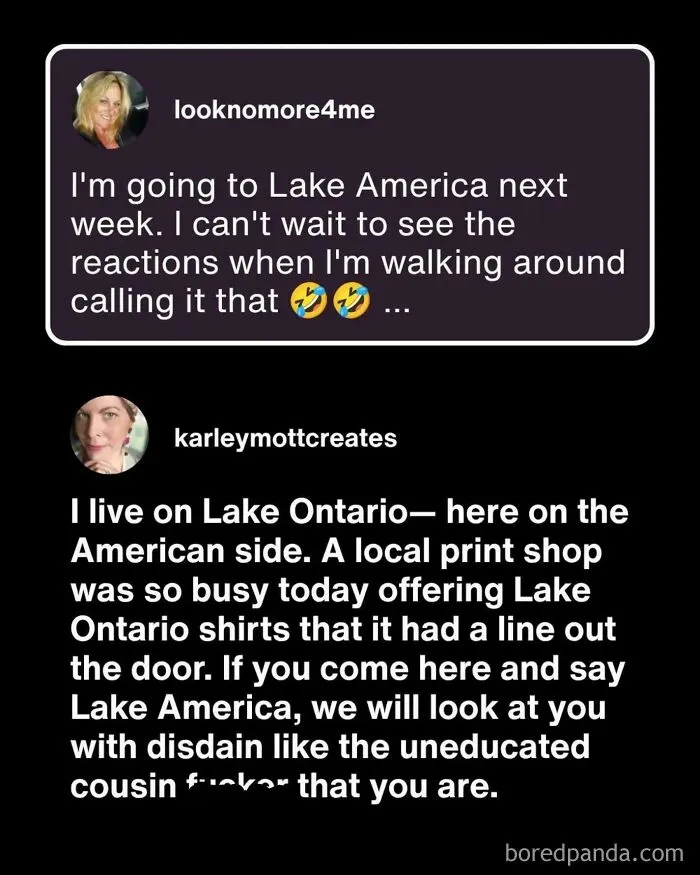
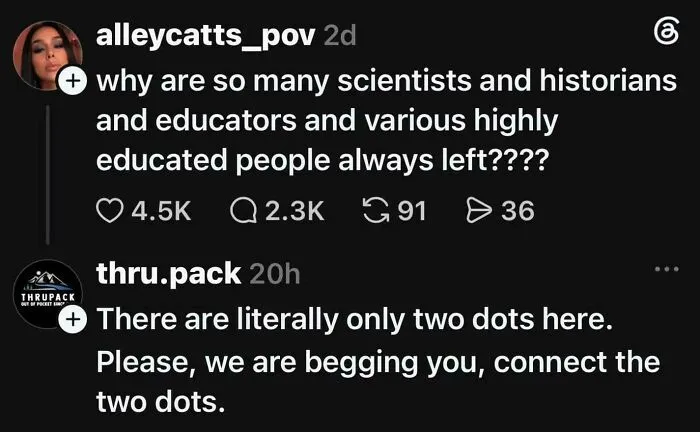
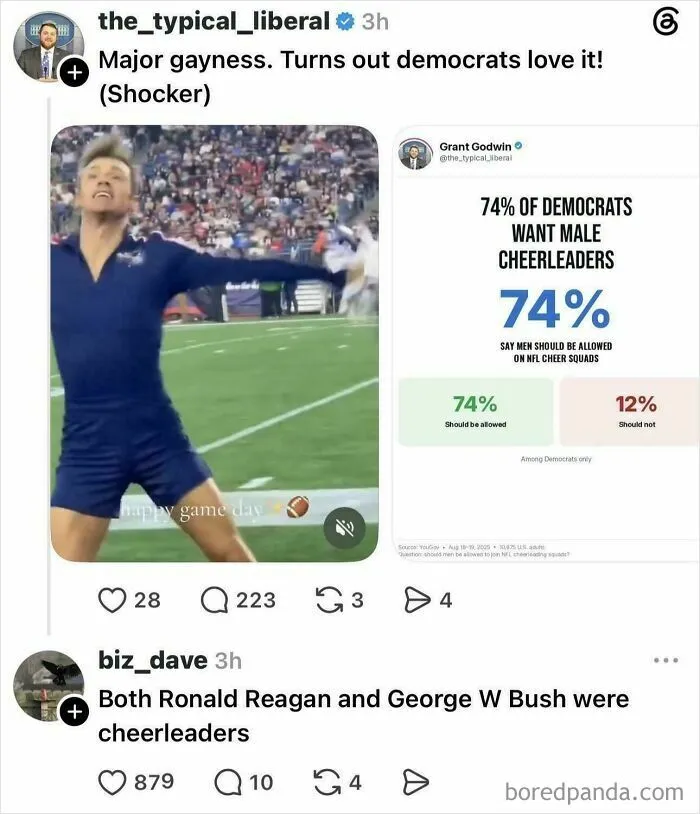
Misinformation is inaccurate or false information shared without the intention to deceive anyone. For instance, someone might share an outdated statistic or repeat a rumour because they genuinely believe it's true. Disinformation, on the other hand, involves false or misleading information that is deliberately created or spread to deceive, manipulate, or cause harm. In simple terms, someone sharing a claim they mistakenly believe is true may be spreading misinformation, while someone knowingly inventing a story to mislead others is spreading disinformation.


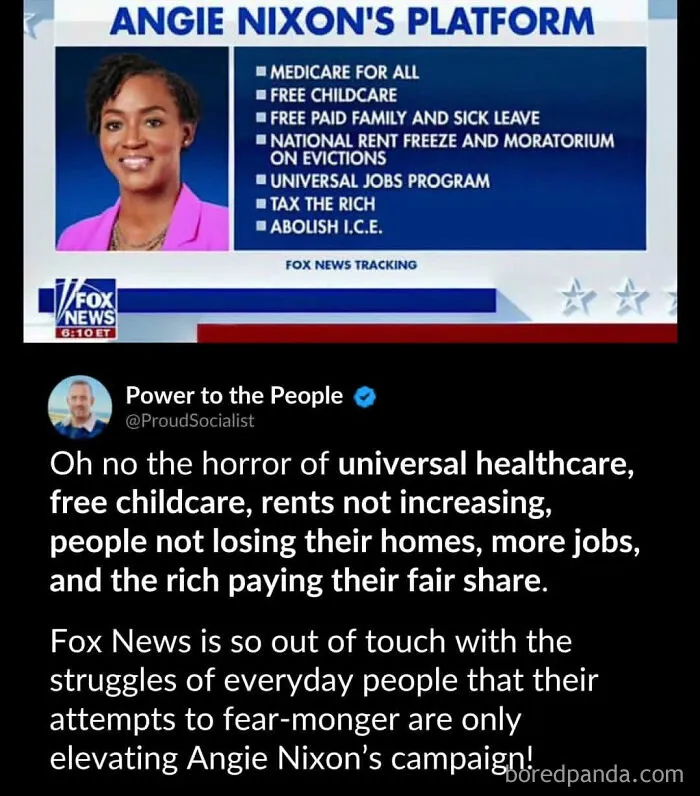
Here's the thing: disinformation isn't new. People have been manipulating facts and spreading false claims for centuries. What's changed is how quickly information can travel and how many people it can reach. Social media platforms such as Facebook and X have transformed the way we discover news, share opinions, and keep up with events around the world. While this has made information more accessible, it has also created opportunities for misleading claims to spread widely before anyone can check them.
And the consequences can extend well beyond our social media feeds. In politics, deliberately false claims can influence public opinion, undermine trust in institutions, and interfere with informed decision-making during elections. In healthcare, misleading information can encourage unsafe practices, discourage people from seeking appropriate treatment, or undermine efforts to control disease outbreaks.
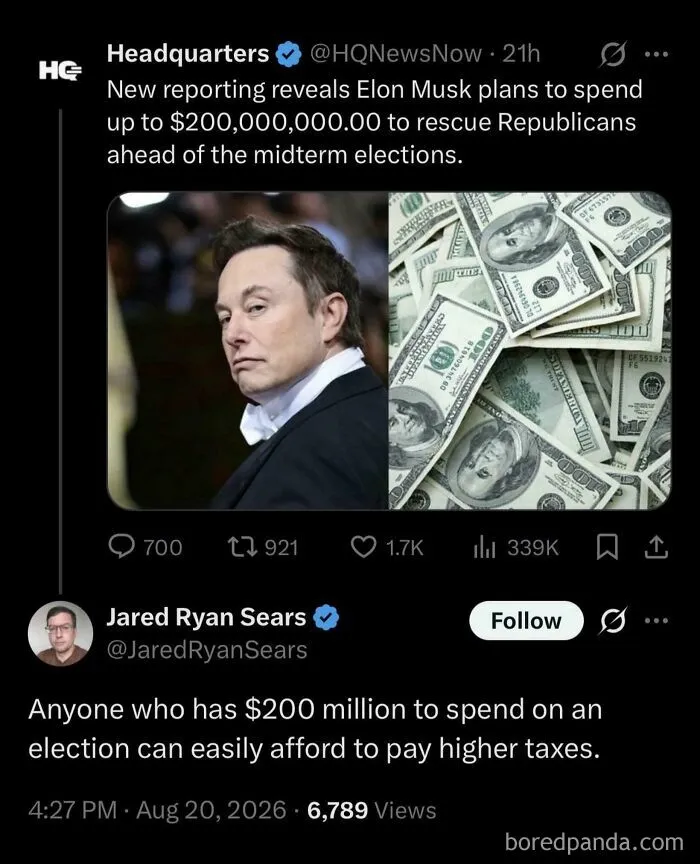


Businesses and individuals can also suffer. False rumours about a company can damage its reputation, affect consumer confidence, and lead to financial losses. Meanwhile, misleading claims about other people can cause emotional distress, fuel harassment, and harm relationships. The consequences aren't always immediate or obvious, either. Repeated exposure to false information can gradually make it harder to distinguish reliable sources from unreliable ones.
That's why checking what we read and share matters, even when a claim initially seems trivial. Thankfully, efforts to tackle misinformation and disinformation have grown significantly in recent years. Fact-checking gained particular momentum around 2016, amid major political events such as the US presidential election and the Brexit referendum, which brought widespread attention to the influence of misleading online claims. Since then, fact-checking organisations and initiatives have expanded their work around the world.

Although fact-checking cannot stop every false claim from spreading, it gives readers a way to assess information and make more informed judgments. Governments and organisations are also taking steps to address the problem. In the European Union, the Digital Services Act establishes obligations for online platforms, including measures to address systemic risks and improve transparency in certain areas. The EU Code of Practice on Disinformation, meanwhile, provides a framework for participating organisations to take voluntary action against the spread of misleading content.
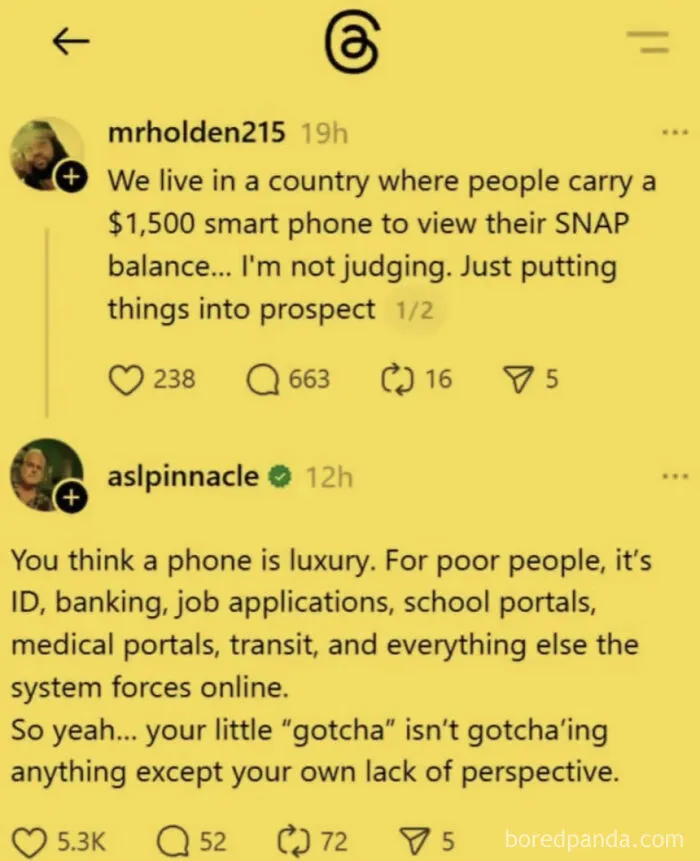
#20 A Phone And An Internet Connection Are Literally Basic Necessities At This Point