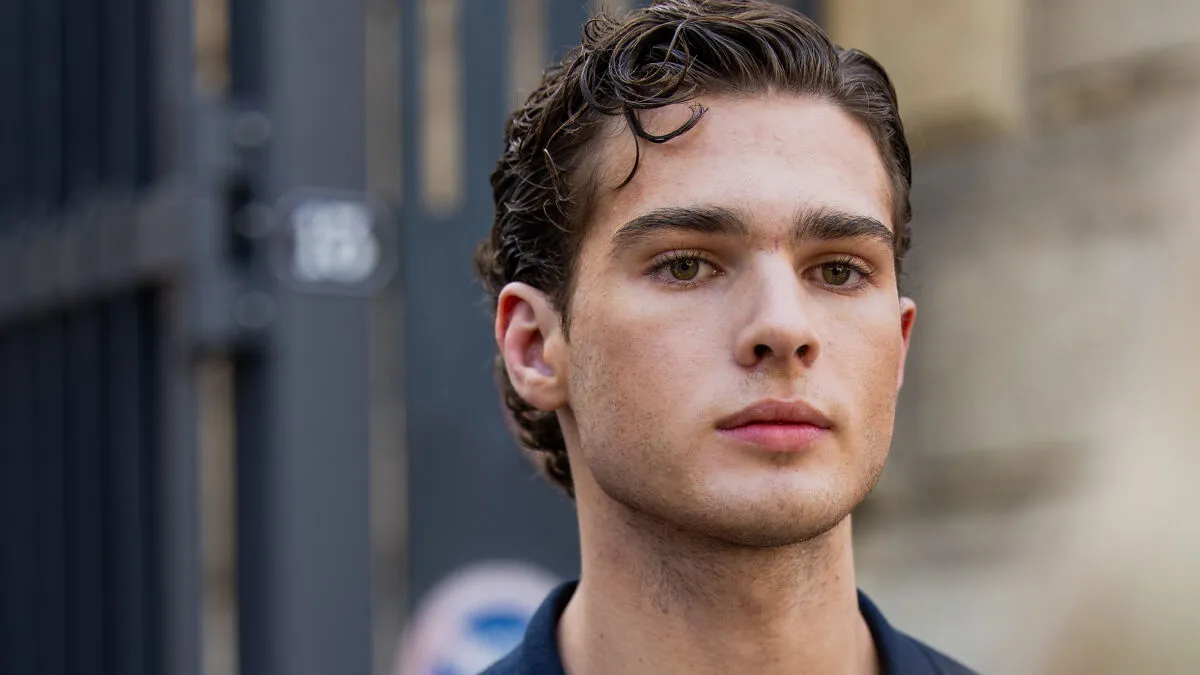

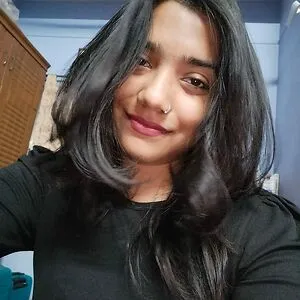
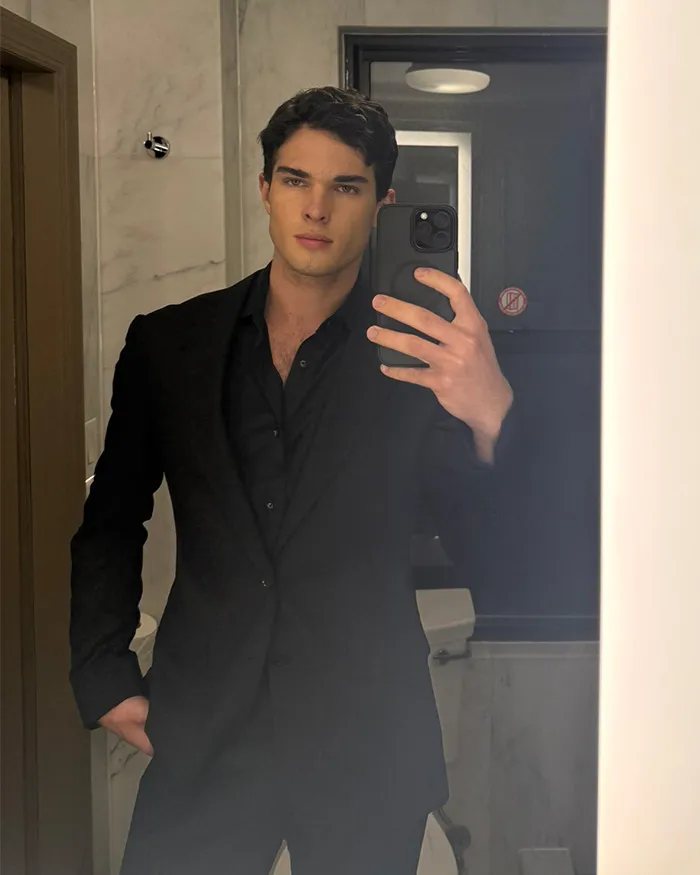
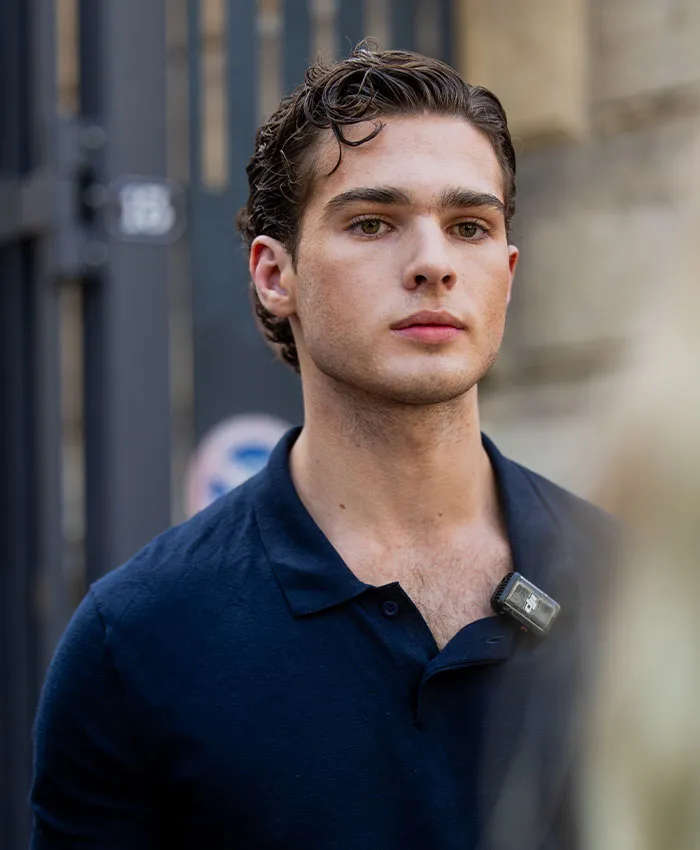
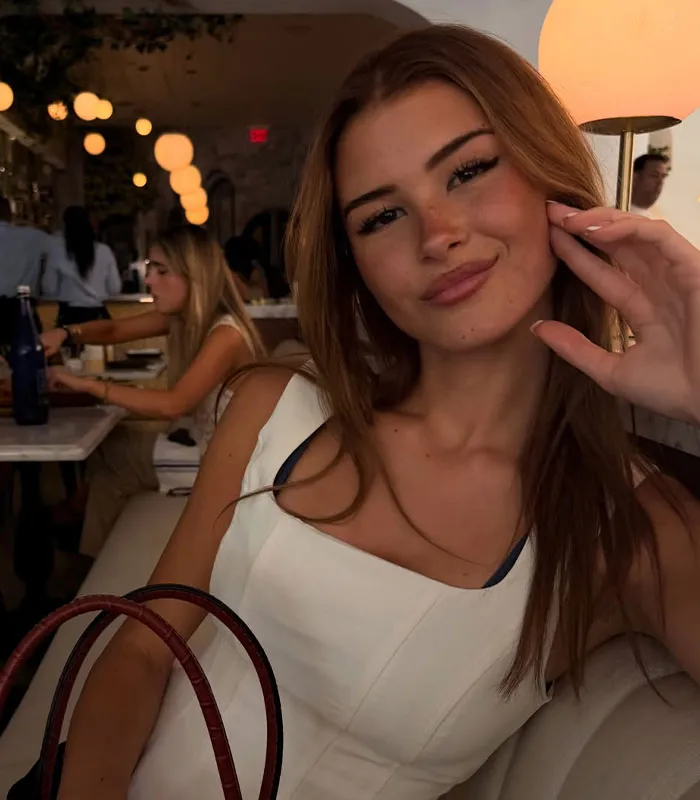
“Looksmaxxing” influencer Clavicular, 20, real name Braden Peters, has been accused by fellow content creator Aleksandra Mendoza, 18, known online as Alorah Ziva, of multiple serious offenses.
She has claimed that Peters got her drunk when she was 17 and violated her at his family home in Massachusetts, after they filmed a livestreaming session on May 23, 2025.
Highlights
- Clavicular was accused of violating a female minor and several other acts of misconduct in an April 2026 civil complaint.
- The accuser’s lawyers recently amended the complaint after Peters was named in a criminal lawsuit stemming from the same incidents.
- Charles Gilman, a lawyer handling similar cases, weighed in on the “unusual” legal move and what it could mean for Peters.
Mendoza filed a civil lawsuit on April 28, 2026, in Miami-Dade County, Florida, which also claimed he injected her cheeks with an unauthorized cosmetic treatment and used her name and likeness without her consent.
However, her legal team amended the civil complaint on October 8, days after Peters denied the allegations on social media and posted details about his interactions with Mendoza.
A legal expert weighed in on the change and its impact on Peters in an exclusive interview with Bored Panda.
“[The prosecutors] are not going to pursue a case they know they can’t prove; that would be acting in bad faith,” said attorney Charles Gilman.
Mendoza dropped the claims of violation from the civil lawsuit against Clavicular
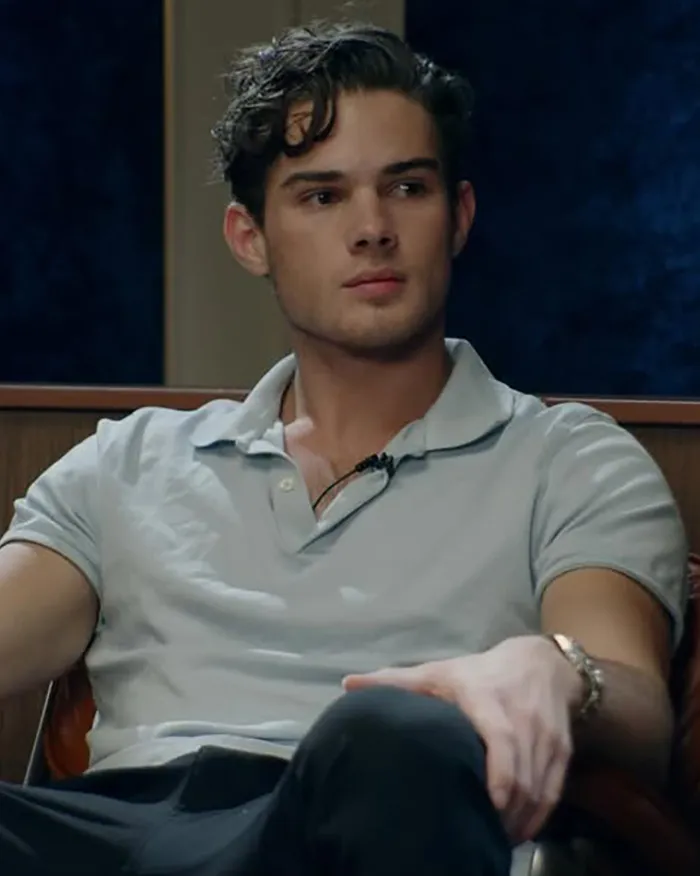
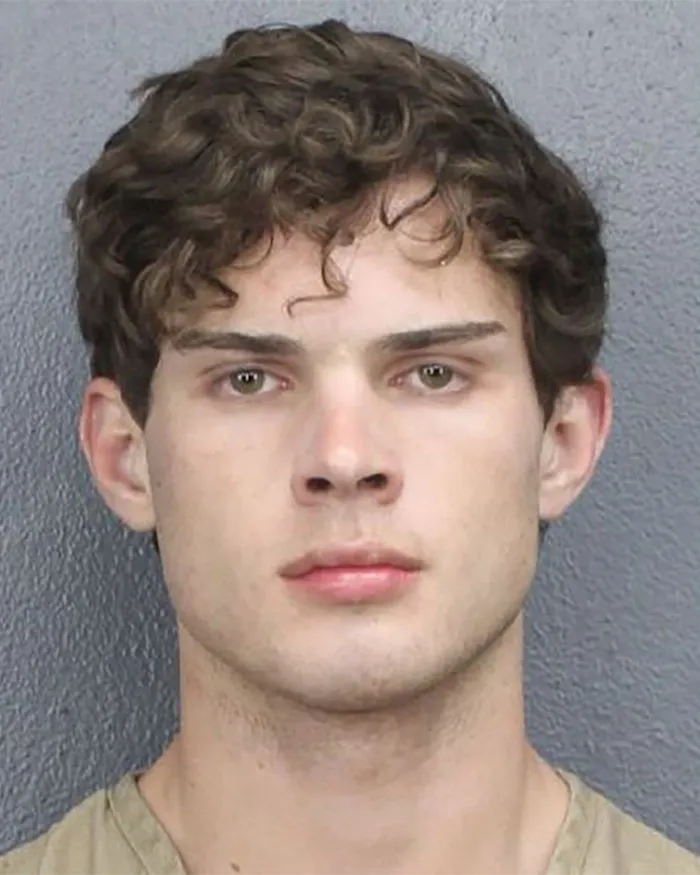
On September 8, Peters was named the defendant in a separate criminal lawsuit in Barnstable County, Massachusetts, that charged him with one count of r**e, one count of dru**ing someone for s*x*al relations, and one count of procuring liquor for someone under 21 years old.
The charges stemmed from the same May 23 incident in Cape Cod, in which Peters allegedly gave her vodka to drink and then r**ed her after she got inebriated and passed out.
Hours after the charges surfaced, Peters took to social media to share his past conversations with Mendoza, suggesting a much more amicable relationship.
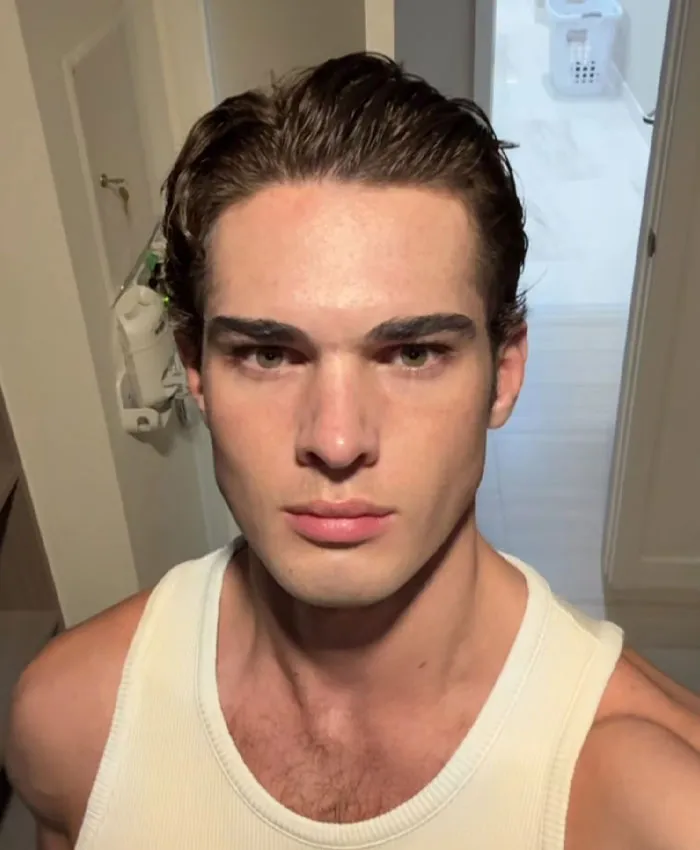
“Trying to get my attention in any way possible, a lawsuit? Seriously… really petty of you,” he wrote in the caption.
He posted screenshots of their text message exchanges and a letter allegedly written by Mendoza, in which she admitted she admired him and professed her “100%” loyalty.
A week and a half later, Mendoza’s amended civil complaint showed that she had dropped the s*x*al as**ult (s*x*al battery) claims.
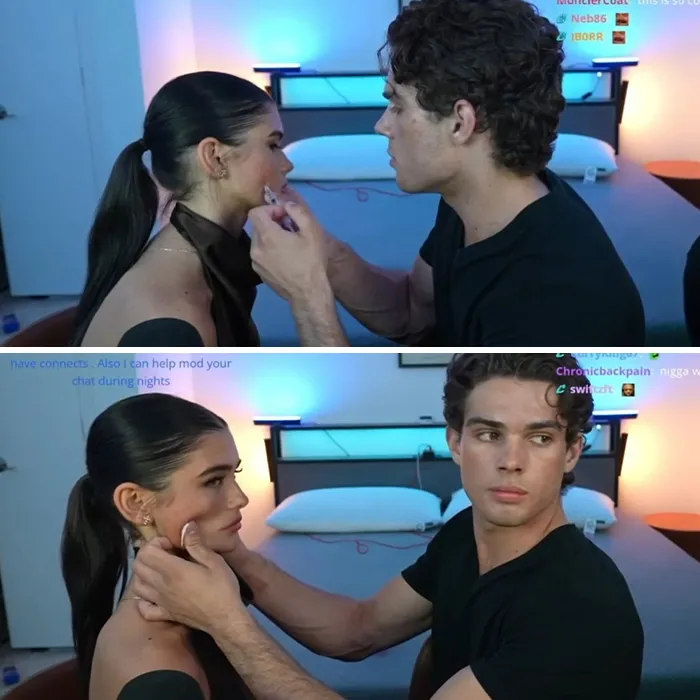
However, she left in the battery, intentional infliction of emotional distress, fraudulent misrepresentation, fraudulent concealment, and unauthorized publication of her name and likeness allegations.
“In light of Mr. Peters’ recent posts and other conduct, this matter is more appropriate for the criminal justice system,” Mendoza’s lawyer, Drew Moss, said of the removed claims in a statement.
He noted that the violation claim was dropped “due to the pending criminal charges in Massachusetts, as Ms. Mendoza does not want her civil case to interfere with that process.”
The change in the civil lawsuit indicates Peters and Mendoza have reached a “settlement,” said an attorney
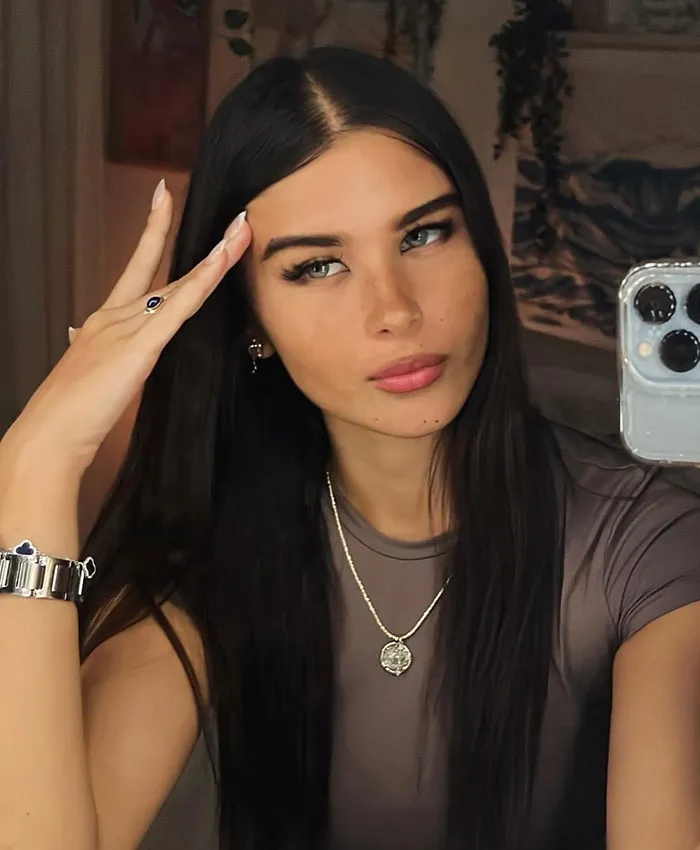
According to Charles Gilman, of Maryland-based law firm Gilman & Bedigian LLC, the legal move “doesn’t make sense” for Mendoza and her lawyers.
“She took out the s*x*al as**ult allegations but left the other allegations, including battery,” Gilman told Bored Panda. “If you’re going to drop the civil suit, drop the civil suit. It’s highly unusual to keep part of the civil suit alive.”
He speculated that the way the matter unfolded could suggest Peters and Mendoza had reached an agreement.
“Normally, in a criminal case, the authorities have investigative tools that civil lawyers don’t, and the plaintiff’s attorneys usually let the criminal case go first because they can benefit from all the evidence that gets uncovered,” he said.
“With the plaintiff dropping part of her civil allegations, it makes it seem like her side reached some kind of deal with Clavicular and this is the resolution and the rest of the civil lawsuit gets withdrawn later.”
“A settlement can’t prevent a woman who says she was s*x*ally as**ulted from testifying in a criminal court,” Gilman further explained.
“But the lawyers for someone accused of s*x*al as**ult can sometimes reach a deal with the accuser that is an implied go away, not a forced go away. It’s like, maybe you lose interest in making yourself available to talk because you got X number of dollars. But we don’t know if that’s what happened here.”
He added that the amended civil lawsuit “shouldn’t make a difference” for the prosecutors, as they are “going to follow the evidence and either they have the evidence to pursue a case, or they don’t.”

However, he advised Peters to stop sharing any more details about his engagements with Mendoza, as it could jeopardize the defense’s argument.
“If I were a defense lawyer, I would advise my clients not to post anything online because there is a risk of it being against you or misunderstood by a potential juror or someone associated with the case,” Gilman said.
Clavicular’s legal issues could get his sponsors in hot water, Gilman said
In earlier comments before the civil complaint was amended, Gilman warned that because several of the alleged offenses occurred during Peters’ livestreams, copies of the videos could easily become evidence in the criminal case once proven authentic.
“Videos and posts are very persuasive evidence because it is not ‘he said, she said.’ The videos and posts speak for themselves,” the attorney said.
Moreover, if Peters continues to discuss the case online, it could create “multiple risks for the defense team.”
“Anything the defendant discusses can be used at trial,” he added. “The risks are that the public discussions can be adverse to the defense team’s strategy or could be seen as self-serving by a judge or a jury.”
Gilman also cautioned that Peters’ actions—both past and present—could significantly affect not only his business empire but also his financial backers, at least in the civil lawsuit.
“Criminal liability is going to be hard to project onto other people or companies unless they are Clavicular’s other entities,” he said.
“As far as civil liability is concerned, that would be a different standard and would depend upon what those people knew, should have known, how they benefited from the behavior, and if they could have prevented the behavior."
“It will be interesting to learn what Clavicular’s sponsors knew about his behavior and if they encouraged it to benefit their products or services,” Gilman went on.
“If, in fact, they encouraged his behavior, they could be held liable in civil court for damages the victim has incurred and will incur in the future. Oftentimes, s*x*al as**ult victims will require ongoing therapy, which can be expensive,” he concluded.
Peters’ arraignment in the Massachusetts criminal case, previously scheduled for October 14, was canceled. The next hearing date is on October 22.
"Jailsmaxxing," one user commented