





Comedy has always been a big part of British storytelling — whether it’s Shakespeare’s wordplay, Billy Connolly's stage command, characters like Gavin & Stacey, or the brilliant ’90s chaos of Derry Girls. It shapes how people make sense of the world, cope with the daily grind, and connect with one another.
British humor also differs from that of other countries. For instance, when the legendary sitcom The Office crossed the Atlantic, the American adaptation had to completely reshape its central boss, softening Michael Scott so he was just a bit nicer and a touch rosier about life. The original British iteration leaned into a sharper, more uncomfortable cringe that just hit differently.

Despite these stark differences, British comedy is breaking boundaries like never before. Thanks to the internet's global reach, viewers can now tune in and actively celebrate this distinct voice.
Researchers from the Department of Culture, Media & Creative Industries recently found that British humor — paired with how easy it is to watch content in English — is the main reason young Europeans stream British shows and movies.
When asked to describe the UK’s comedic style, viewers repeatedly used the same words: unique, ironic, eccentric, black, subtle, irreverent, and intelligent.

The cross-border appeal of British humor is changing how international audiences consume media today.
Social media has become the ultimate gateway for discovering these comedy shows, especially for teenagers aged 16 to 19 who rely on viral clips and memes to find gems like Cunk on Earth. While older adults might still trust standard streaming recommendations, research shows that younger generations put their faith in TikTok and YouTube algorithms.
As Professor Andrea Esser, Co-Investigator and Professor Emerita of Media & Globalization, explains: “The idea that humor doesn’t travel well due to cultural differences doesn’t hold true for many young audiences. Those proficient in English especially appreciate UK screen content for its humor. Young viewers, spurred on by social media, crave humor and increasingly watch with the original English-language soundtrack to ‘get the joke’.”
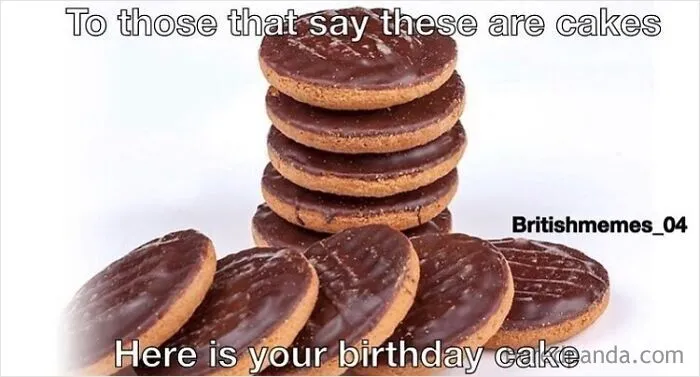


As much as the rest of the world loves British humor, nobody enjoys the punchline quite like the Brits themselves.
In a recent survey, nearly seven in 10 people in the UK agreed that self-deprecation is the cornerstone of their national humor. About 72% admitted that relentlessly mocking themselves in everyday conversations is just a standard part of daily life.
The Censuswide poll of over 2,000 adults shows that comedy is much more than just entertainment — it is a vital survival tool, with 85% agreeing that a good laugh works wonders for their wellbeing and 77% relying on banter to get through tough times.
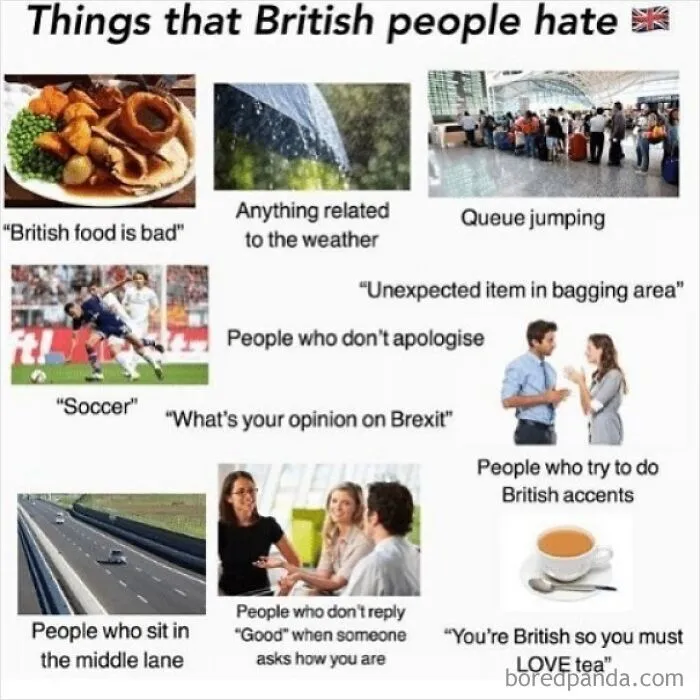


Surveys show that nearly half the nation ties their identity to dry delivery, while over a third proudly view “laughing through the struggle” as quintessentially British.
And when it comes to regional bragging rights, Liverpool officially takes the crown as the funniest city in the UK. Almost one in three (30%) Brits named it as having the best sense of humor.
“We Brits love a bit of self-deprecation and making fun of ourselves, don’t we? It’s never about putting yourself down, it’s about bringing people together. Laughing at yourself invites others in, it says, you’re welcome here. After decades of doing stand-up, one thing I know for sure is that having a laugh, especially at yourself, is one of the quickest ways to feel connected to a room full of strangers,” says British comedian and actor Sir Lenny Henry.
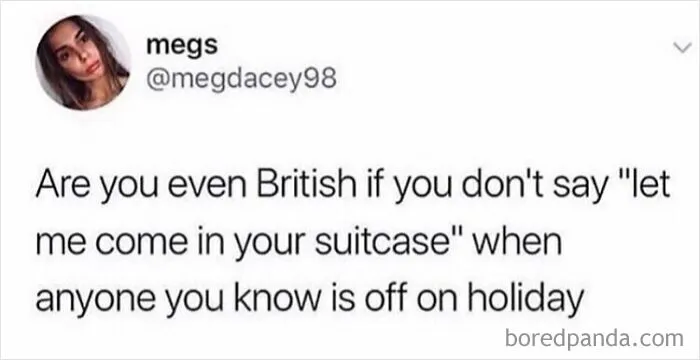


Humor and memes also play a surprising role in bridging real-world divides for those moving to the UK. For non-EU international students, adjusting to a brand-new culture and navigating daily university life can feel daunting. Recent research shows that these newcomers increasingly turn to internet memes to process stress and find their footing.
Researchers found that shared jokes act as emotional anchors, helping students build community while adapting to a foreign environment. Whether students are venting frustrations or inventing hybrid cultural humor, these memes have become powerful tools for cross-cultural connection.