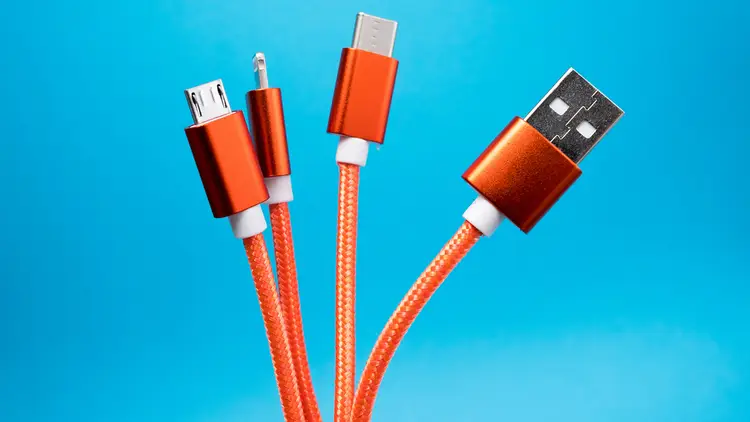
Online shopping has practically become the norm, and it’s not just because we’re too lazy to visit physical stores. Online retailers offer lower prices, and you don’t have to deal with traffic just to pick up a new T-shirt or pair of headphones. Plus, in most cases, your items arrive at your doorstep without much waiting. But what was once limited to a handful of online retailers and clothing brands has now grown into thousands upon thousands of websites selling just about anything imaginable. And many of us have likely fallen into the trap of shopping on cheap online marketplaces. Shein, Temu, AliExpress, Wish, and Alibaba are just a few examples. These platforms host numerous sellers offering bargain-priced goods, many of them mass-produced plastic items. And while everyone loves a good deal, a recent EU study suggests some of these bargains may cost far more than we realize. V H (Not the actual photo) For many of us, Temu and Shein have revolutionized online shopping, especially for fashion and household gadgets. Their enormous selection, low prices, and relatively quick shipping have helped them become major players in the online marketplace. The appeal is simple: “Hey, if it turns out to be bad, at least I only paid a couple of bucks for it.” And let's be honest, we've all had moments when we've received exactly what we paid for. But on October 29, 2025, German consumer testing organization Stiftung Warentest anonymously ordered 162 products from Temu and Shein, and the results were alarming. Of the 162 items tested, 110 failed to meet basic EU safety standards. That's roughly 68% of all the products ordered. Even more concerning, experts flagged a quarter of the items as posing direct risks to human health. The products tested included nursery and baby toys, cheap jewelry, and USB chargers. These are all popular, high-volume product categories that thrive on these marketplaces, where low prices encourage impulse purchases. From fast-fashion jewelry to tech accessories and children's toys, these items sell in enormous quantities and often appear prominently on app and website homepages, making them hard to miss for bargain-hunting shoppers. appshunter.io (Not the actual photo) Children need to play. Toys help them develop creativity, decision-making skills, and their ever-growing minds. But not every toy is good. And today, it's not just children who are drawn to them. Teenagers and adults also seek out viral sensory toys, plushies, squishies, and other novelty gadgets, and these marketplaces offer thousands of options. And because many of these products are 70% to 80% cheaper than those sold by traditional retailers like Amazon and Target, Temu and Shein are an easy choice for bargain hunters. However, the study found that the nursery toys examined posed serious safety risks. For starters, some contained small, detachable parts without appropriate age warnings, making them potential choking hazards, particularly for babies and toddlers under three. Researchers also identified another concern: sound levels. In squeaky balls sold by Shein, Stiftung Warentest measured noise levels of up to 115 decibels, exceeding the permitted maximum of 110 decibels. That five-decibel difference might not sound like much, but it significantly increases sound intensity and could pose a risk to young children's sensitive hearing. If that wasn't concerning enough, researchers also found excessive formaldehyde levels in a toy-shaped box of baby wipes purchased from Temu. Formaldehyde is a chemical used in certain manufacturing processes to help fabrics resist wrinkles and maintain their shape. However, excessive exposure can cause skin irritation, allergic reactions, and respiratory problems, and it has even been classified as carcinogenic to humans. According to the study, the Temu product contained 164 milligrams of formaldehyde per kilogram, more than five times the reported EU limit of 30 mg/kg. For a product intended for use around babies, that's particularly worrying. Hiroshige Fukuhara (Not the actual photo) The most shocking finding, however, came from jewelry. Costume jewelry, including earrings, stackable rings, and pendants, is hugely popular on these marketplaces. These items often sell for just $1 to $4, making them easy impulse buys. Shoppers will even toss several pieces into their carts without giving it much thought, sometimes just to reach the minimum order value for free shipping. However, one single cherry-shaped necklace pendant purchased from Shein contained cadmium at levels that exceeded the legal safety limit by a staggering 8,500 times. That figure might not mean much to the average person, but cadmium is precisely the kind of heavy metal you want to avoid as much as possible. Cadmium is a naturally occurring, bluish-white metal used in various industrial applications, including coatings, pigments, and plastic stabilizers. Because it's relatively inexpensive, people also use it in low-cost metal products, including costume jewelry. The real problem, however, is what happens when it enters the human body. Unlike some substances that the body can eliminate relatively quickly, cadmium accumulates over time, especially in the kidneys and liver, where it can remain for 10 to 30 years. Long-term exposure can damage these organs and increase the risk of serious health problems. Even more concerning, the International Agency for Research on Cancer (IARC), part of the World Health Organization (WHO), classifies cadmium and its compounds as carcinogenic to humans, meaning there is enough evidence that they can cause cancer. Martin de Arriba (Not the actual photo) Phone accessories, multi-port USB plugs, and charging cables are among the easiest everyday items to replace. We need them practically everywhere, whether we're at work, in the car, or traveling. Most people keep these essentials in virtually every corner of their lives. And instead of buying them from retailers like Target or Amazon, where charger-and-cable bundles can cost more than $10 and branded options often cost even more, many shoppers turn to Temu for cheaper alternatives. However, the German consumer organization's testing revealed alarming safety issues. Of the 54 chargers examined, 52 failed basic electrical safety and insulation checks. Ten power adapters purchased from Shein reached surface temperatures of up to 88°C (190°F), exceeding the EU limit of 77°C. Researchers also found insufficient spacing between insulated components inside some plugs, increasing the risk of short circuits and potentially dangerous electrical fires. While browsing these electronic accessories, you might also see the CE mark, short for Conformité Européenne, or European Conformity. This marking indicates that a product complies with the applicable EU health, safety, and environmental protection requirements for goods sold in the European Economic Area (EEA). However, it is not a quality seal awarded by an independent testing agency. This means the presence of a CE logo alone doesn't guarantee a product has been independently tested or is necessarily safe. Some unverified sellers will even use counterfeit or misleading versions of the logo, with proportions or spacing that differ from the official design, potentially fooling unsuspecting shoppers. Lucian Alexe (Not the actual photo) With all these dangers and potential health risks, why do these online marketplaces still operate in the EU, which has such strict regulations? Well, Temu primarily operates as an open marketplace, connecting overseas manufacturers directly with Western buyers. This can make it harder to ensure that every product undergoes the same safety checks as those sold through traditional import channels. Many products on these platforms also come from third-party sellers. Both Temu and Shein run their own resale operations, but they must also comply with the European Union’s Digital Services Act (DSA), which requires online marketplaces to verify certain seller information and ensure product traceability. However, these requirements do not mean every product is physically tested for safety before listing. Another major challenge is the sheer volume of parcels entering the EU. With millions of low-value packages arriving at customs every day, regulators simply cannot physically inspect every single shipment. In 2024 alone, approximately 4.6 billion low-value parcels worth less than €150 entered the EU. When authorities identify an unsafe product, platforms may remove the listing, even if another seller still offers the same item. V H (Not the actual photo) Obviously, we all know why we use these websites so much: we want to save as much money as possible, especially in this economy. But ethically, the impact goes far beyond our health. Research shows that microplastics, synthetic, non-biodegradable polyester, and discarded returns constantly affect the environment and end up in landfills. And these products aren't necessarily original, either. Say you're interested in a handmade dress from a small Etsy seller but can't afford it, so you turn to Temu and Shein. Independent artists and niche fashion designers trying to make a living have their designs copied and mass-produced by ultra-cheap platforms every day, often without credit or compensation. And then there's the psychological side: dopamine. These websites use gamification tactics, like spinning wheels, flash sales, and countdown timers, to create urgency and push shoppers to take advantage of deals as fast as possible. This can lead to overconsumption, often of items people don't even need. And those items may be stolen designs and eventually end up in landfills. You see the irony. Slashio Photography (Not the actual photo) Realizing how harmful these products can be may leave you feeling entirely hopeless. For many people, these websites have been an affordable source of everyday items, so giving them up can feel discouraging and leave you unsure of where to turn. But there are alternatives, and some really good ones may be closer than you think. For starters, if you prefer shopping online over visiting physical stores, many secondhand and thrifting apps are available these days. Vinted, Depop, Poshmark, Etsy, and eBay are just a few platforms that offer cheaper alternatives for people looking for a good deal, often with quality items to match. However, if you're the type of person who no longer trusts online shopping all that much, local thrift stores and charity shops often have hidden gems you might never have expected to find. By visiting these stores in person, you can inspect seams, fabric labels, and material quality before you buy. Ultimately, hand-me-downs, secondhand clothing, and household items offer alternatives with history and character. Many vintage pieces can even prove to be better quality than their modern counterparts. Not only will your wallet thank you for making the switch, but the environment will, too. Yura Fresh (Not the actual photo)