

This post may include affiliate links.
#21
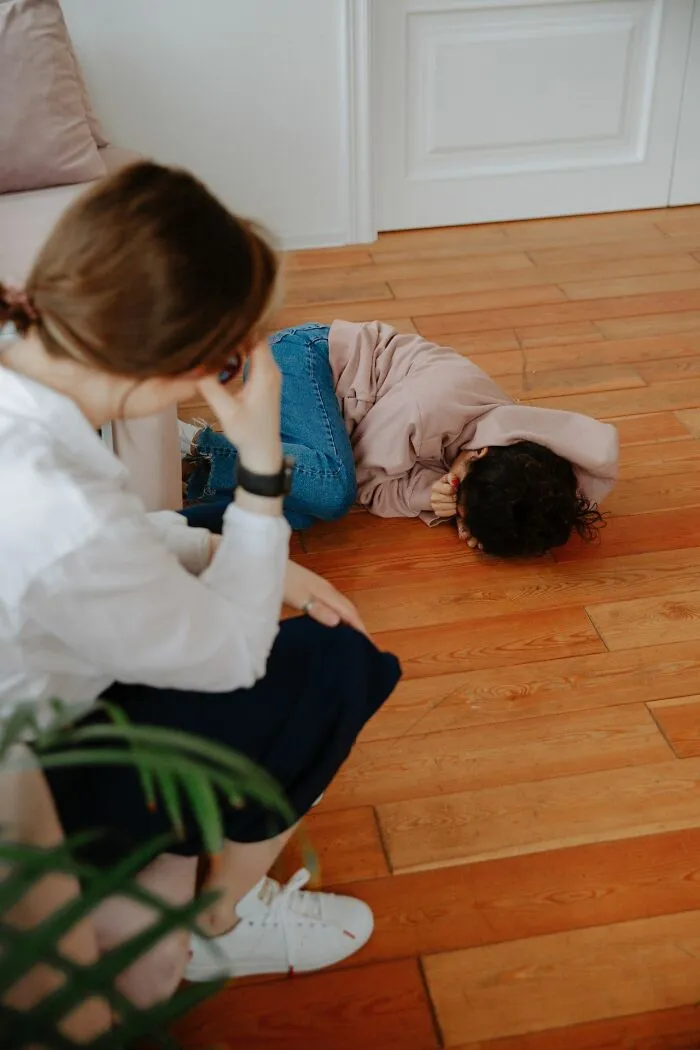
- Fell to the floor crying because she couldn’t return an item. I thought she collapsed from a medical emergency and ran to her side. I haven’t looked at her the same since. Absolutely disgusting behaviour
- Got out of her car mid-drive thru, burst into a packed McDonald’s, and yelled at the manager because there was cheese in her burger. She demanded he fire the employee who made it.
Instead of growing up believing they deserve special treatment, these children may end up feeling that their own needs don't matter much at all. They might spend years trying to keep their parents happy, avoiding arguments, and doing whatever they can to prevent someone from getting upset with them. If disagreeing with a parent often leads to criticism, guilt, or conflict, keeping the peace can start to feel like the safest option. Eventually, they may carry this habit into other relationships, believing they need to be helpful, agreeable, and accommodating to earn love and approval. They may find it difficult to recognize that they can care about other people without always putting themselves last.
#22
Edit: Thanks for the gold and love! In response to some comments, no she doesn't know that I do this. And she wouldn't care (or change) if she did. For the tirades I fail to prevent, I don't sit idly by when she goes off - I do everything I can to shut her up. My favorite is to interrupt her and say something along the lines of "You need to shut up. I really don't want to eat spit tonight.".
#23

#24
Anyway, she was awful to everyone. I remember shooting apologetic looks to waiters, cashiers, receptionists, flight attendants, etc as a young child. OMG. It was mortifying.
And these patterns don't necessarily disappear once someone moves out or becomes an adult. A person who grew up feeling responsible for a parent's emotions might struggle to say no to a friend, speak up when a partner treats them unfairly, or ask for something they genuinely need. Even setting a simple boundary can leave them feeling guilty, as though they're being selfish or letting someone down. They may also find themselves drawn to relationships where they take on too much responsibility for keeping everyone happy. Learning to recognize these habits can take time, but understanding where they come from can be a useful first step toward building healthier relationships and feeling more comfortable standing up for themselves.
#25

#26

#27

1.) my mom and i went to get breakfast at hearty’s, as we pulled up to get our food, she noticed the worker wasn’t really smiling and handed our food to us rather abruptly. this led to her demanding to see a manager and when that got her no where she ended up calling corporate with the intention of getting that person fired.
2.) we were in walmart and she had picked up an item that had a coupon on it and was planning on using it, but upon reaching the register it was found out that the coupon was expired. the cashier refused to honor the coupon and then my mom demanded to see a manager who also refused to honor it. she then stormed out of the store and dropped our bags of groceries in the middle of the floor and left them there.
3.) we were going to a pawn shop one time and someone took the parking spot she was planning on parking in. she got out of the car and completely raged at the driver then went inside the pawn shop to get the owner/manager (she knew him) because she was so angry. but he didn’t do anything so as usual, she ran with her tail tucked between her legs.
Of course, growing up with entitled parents doesn't mean someone is destined to repeat these patterns or struggle with self-confidence forever. Every family is different, and children can respond to similar experiences in very different ways. Supportive relationships, greater self-awareness, and, when needed, professional guidance can help people recognize unhealthy patterns and learn new ways of relating to others. The important thing is understanding that childhood experiences can influence us without having to define the rest of our lives.
Coming back to today's stories, it's easy to see how growing up with “Karen” parents can put kids in some pretty awkward and difficult situations. Pandas, have you ever witnessed a parent behaving this way, or experienced something similar yourself? Let us know in the comments below.
#28
There were loads of other smaller events, like a constant drip. She was also awful to people on the phone.
#29
#30

#31
Took her around 5 minutes to get the water btw. Idk about you but that’s pretty much within a reasonable wait time for refills. I’ve waited longer in less packed restaurants. Made me feel so bad but I was still pretty young and he scared me. So I didn’t really call him out. I just never went over to that friend’s place again and never went out with her and her family anywhere. Looool.
#32
#33
#34
Then, FINALLY, you are old enough to get away (14 to 18) and if you're lucky, you have a lot of excuses to not go places with them - practices, games, rehearsals, concerts, homework, a job.... and so on.
When you're an adult, if you have the balls to do so, you start to point out to them in the moment how absurd and ridiculous they are acting and they learn to not act that way around you... but they still do it when you're not around. You're not around a lot.
#35
#36
#37
#38