

People are protective of their pets. In most cases, it’s even endearing. But keeping pets means enforcing rules around them, including ensuring that kids don’t do something dumb. And the bad news is that kids are fantastic at doing something dumb.
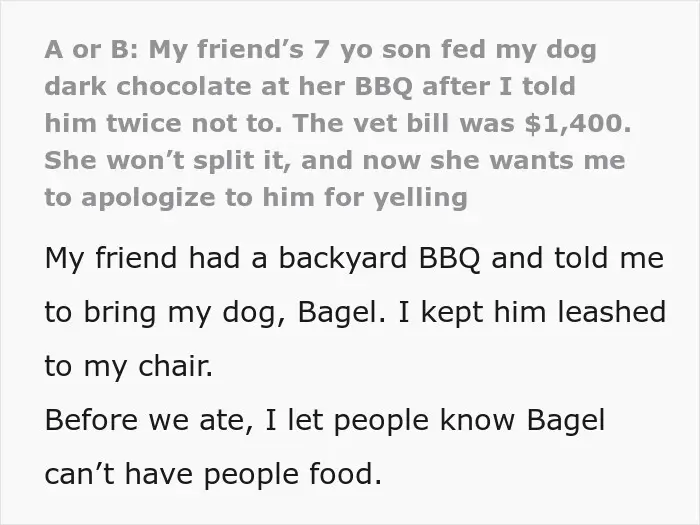
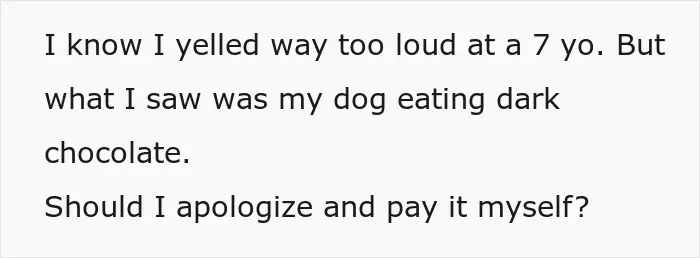
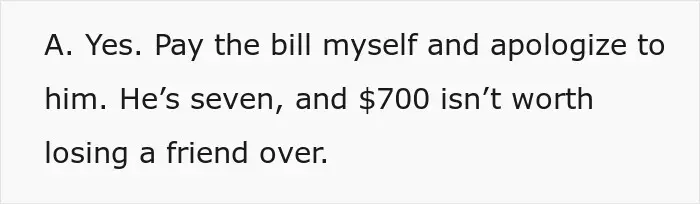
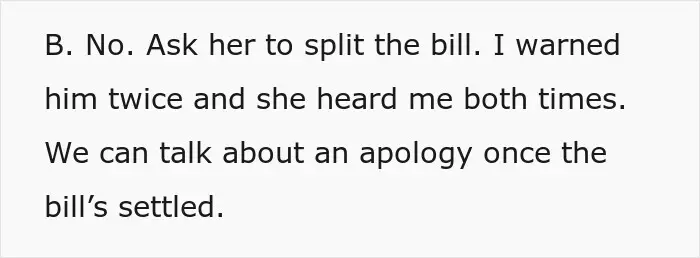
A netizen turned to the internet for advice after going through some friend drama. At a get together, their friend’s son had fed their dog dark chocolate, despite repeated warnings. A $1,400 vet later, the netizen asked their friend to split the bill. What they got was a refusal and a counterdemand, to apologize to the boy.
Feeding a dog chocolate is a bad idea

But one woman refused to split the bill when her son hurt a friend’s pet



It’s normal to be protective of your pets
Most friendship fights are not really about the thing that started them. They are about what the thing reveals. A vet bill is just a number, and numbers can be negotiated. What matters in a story like this one is the first thirty seconds after the bill arrives. Did the friend ask how the dog was doing, or did she start defending herself? That first reaction often tells you more about a friendship than ten years of easy backyard dinners.
It helps to start with the facts, because the friend's framing treated this like a small mishap. It was not. The ASPCA explains that dogs are sensitive to a compound in chocolate called theobromine, that darker chocolate contains more of it, and that smaller dogs need far less to run into trouble. VCA Animal Hospitals puts it plainly by noting that dark chocolate is the most toxic type. So an overnight stay with fluids and charcoal was a normal medical response and not an overreaction.
Two things can be true at once, and good conflict resolution usually starts there. A child of seven is not to blame. Kids that age are curious and tend to do whatever the nearest adult has not stopped them from doing. That is exactly why the responsibility lands on the adult who heard the warnings. At the same time, yelling at a child is something the poster can reasonably own.
A short and sincere sorry, along the lines of being scared for the dog, costs nothing and teaches a kid that adults can repair things too. The problem is how the apology is being used. When one person says you owe me an apology, and the bill stays unpaid, two separate issues get tied together so that neither has to be dealt with directly. Bundling grievances is one of the oldest ways to dodge accountability, and it works best when the other person is feeling a little guilty.
It is only fair to say that the dog owner did step away, and a friend can argue that a leashed dog at a party still needs supervision. That point deserves a calm hearing. But stepping inside to carry dishes is what guests do, and the chocolate came from the friend's own dessert table, fed to the dog by her own child, after she brushed off two clear warnings. Shared responsibility might justify splitting the cost, which is what was actually asked for. It does not justify zero.

Then comes the part that matters most for the friendship itself. Watching how a friend responds when you bring up a problem, and whether the friend takes accountability or simply lets you talk until you run out of words is a good way to see their true intentions. One flash of defensiveness is human.
Parents get protective, and embarrassment makes people say things they regret. A single bad reaction is not a verdict on a friendship. A pattern is different. The useful test is a second conversation in which the dog owner states both points plainly, saying sorry for the volume and still needing help with the bill, and then sees what comes back.
If what comes back is more deflection, the poster may need to consider cutting ties, or at least stepping well back. This is not about $700. It is about whether this friend will listen when something important is at stake. Someone who hears a safety warning twice, waves it away, and then turns the aftermath into a debt owed to her instead of a problem shared has shown how much weight another person's concerns carry. Next time the stakes could be higher than a vet bill.
Ending a friendship does not require a dramatic showdown. It is possible to be respectful while staying honest and firm, so a calm conversation or a plain message about what changed is enough.
None of this means the friendship was fake or that the years before it did not count. Friendships can run their course, and the kindest thing may be to let this one do so without a fight. The bill will be forgotten in a year. How it felt to be dismissed while a dog was in danger will probably linger a lot longer. What do you think of this story, dear readers?
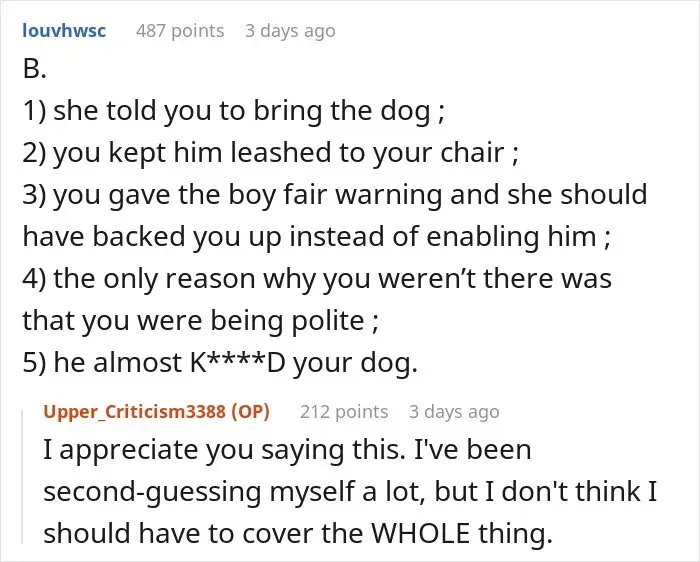
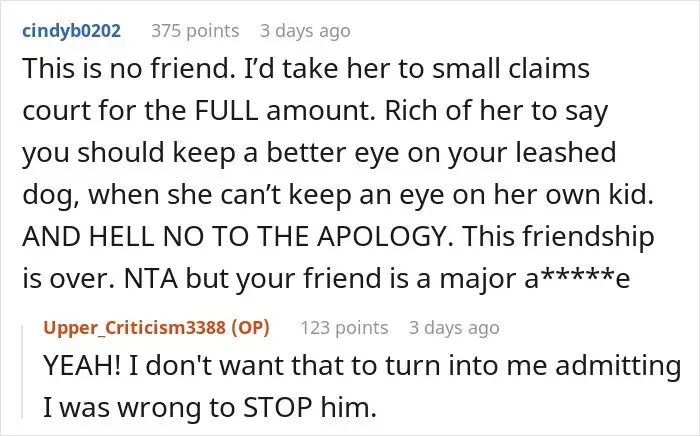
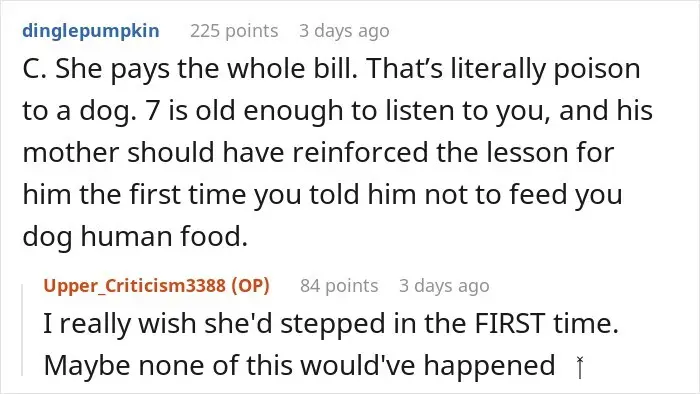
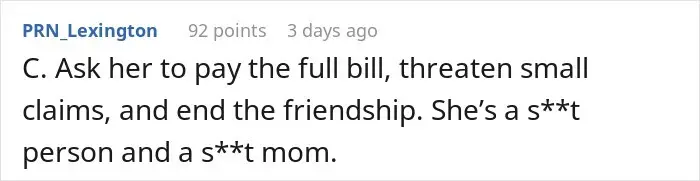
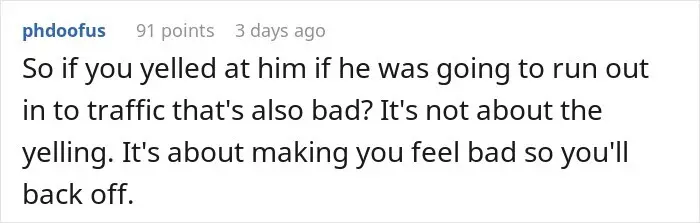
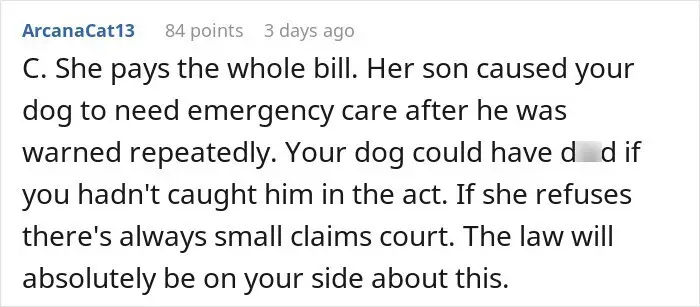
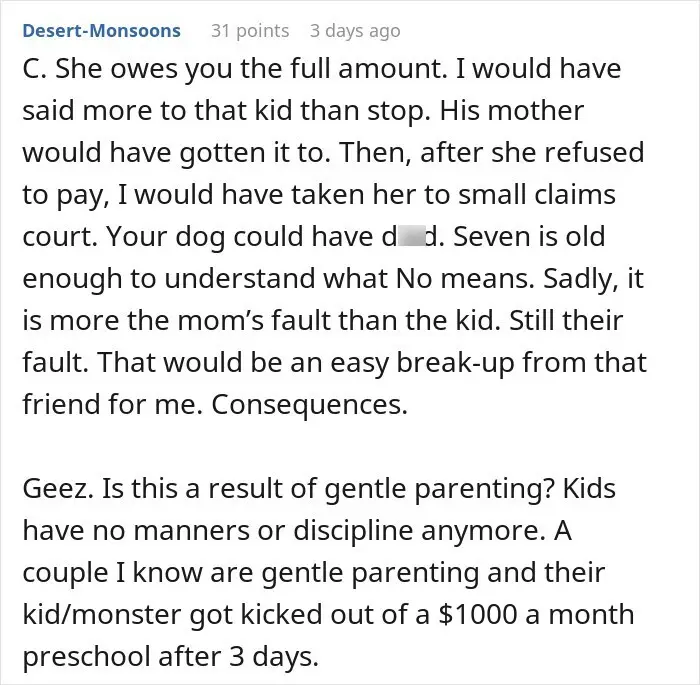
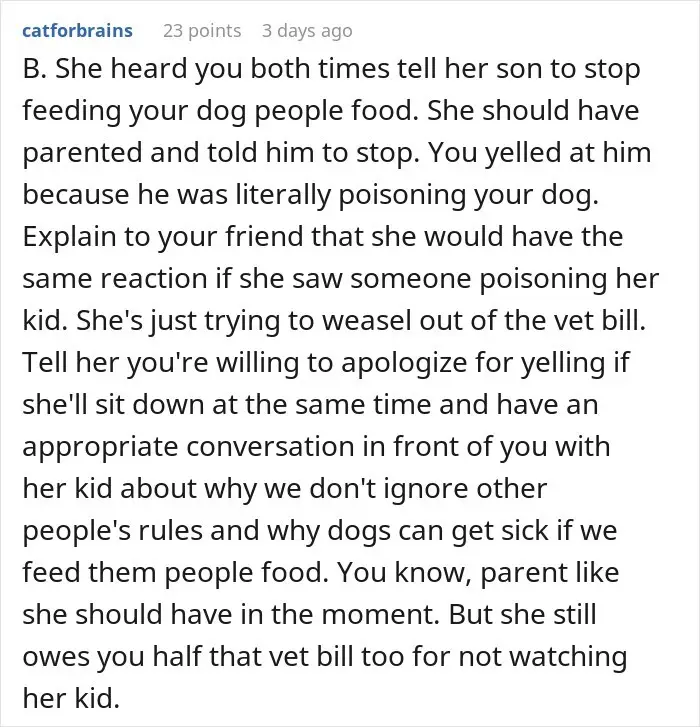
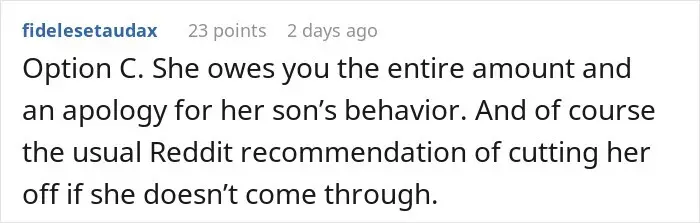
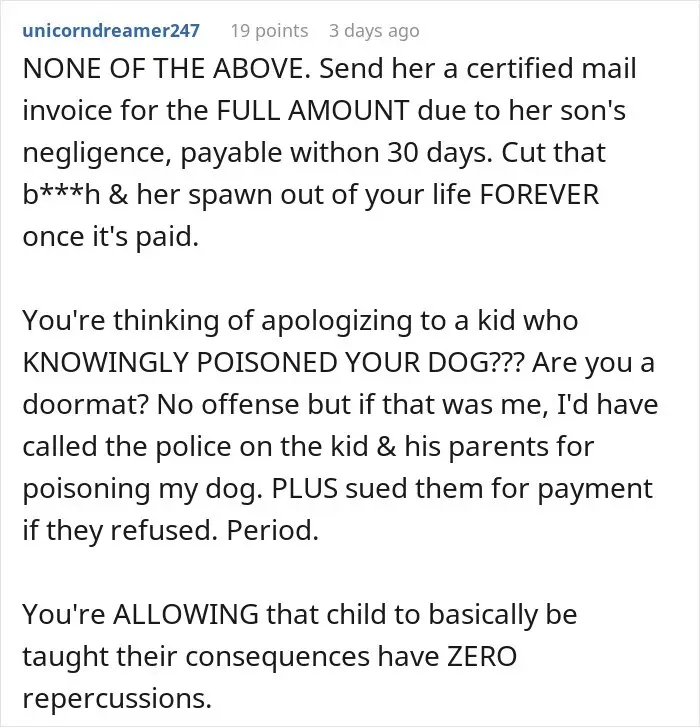
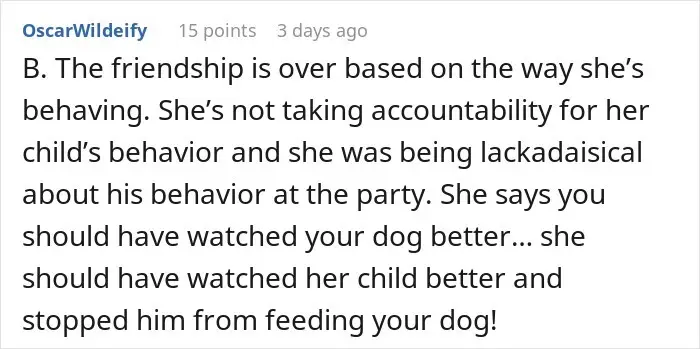
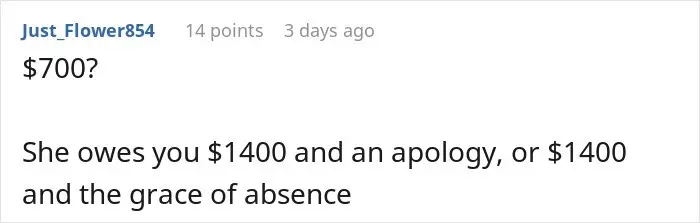
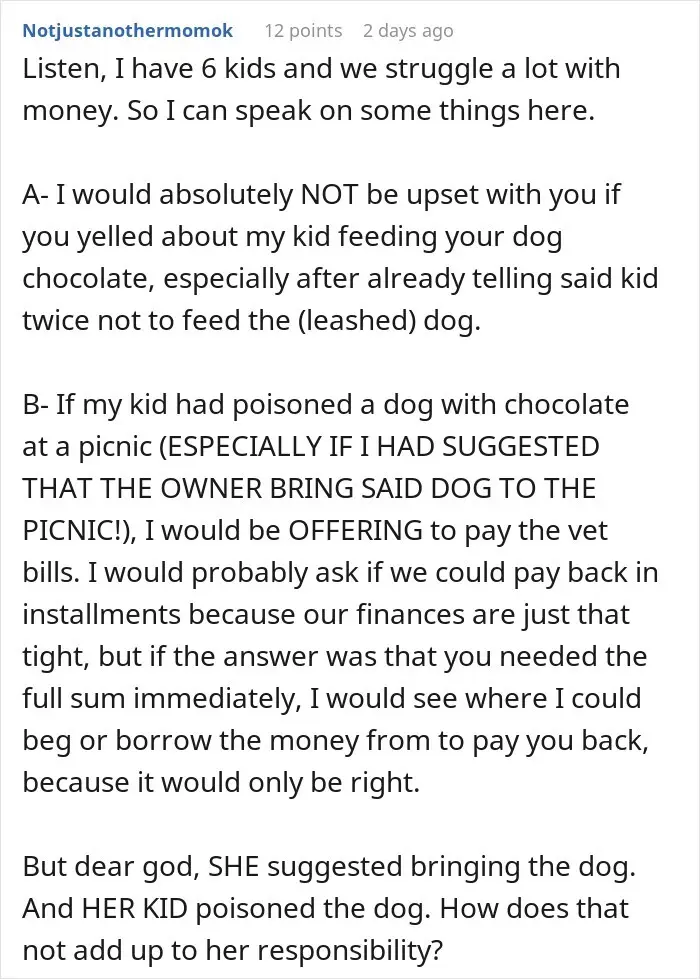
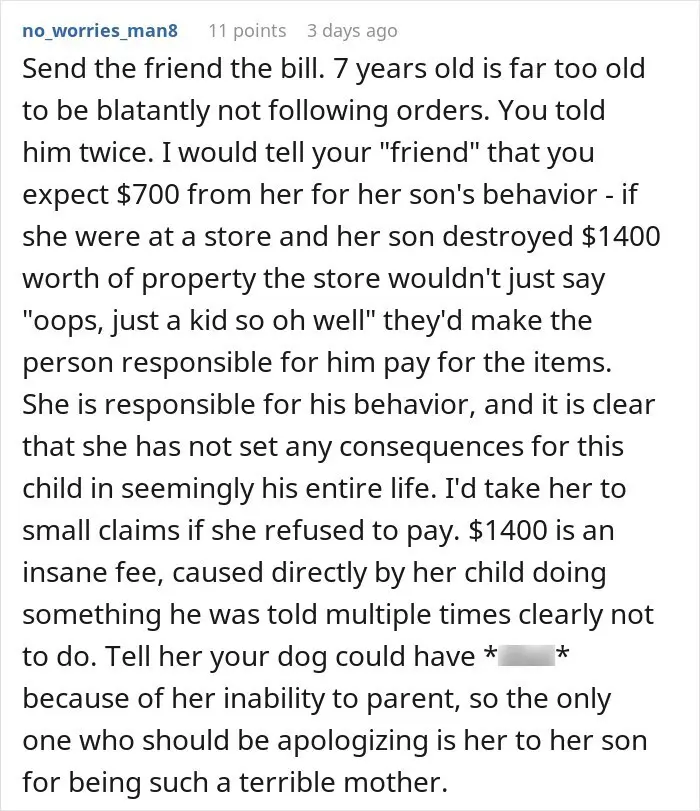
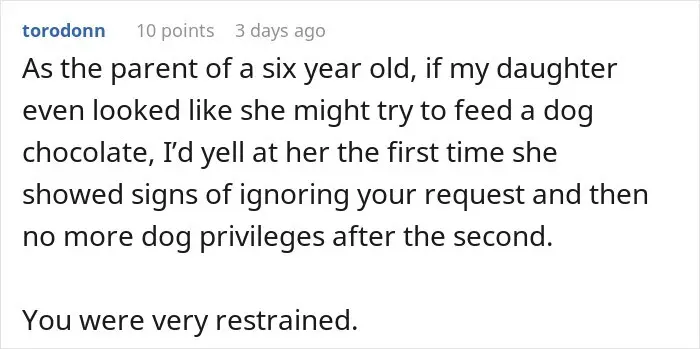
Most readers thought the friendship could not be salvaged