
If you believe the famous words of Hippocrates, "we are what we eat" (and we have absolutely no reason not to believe the founder of ancient medicine), then culinary lifehacks are the most important for humanity, because they directly affect us.
Many thousands of years ago, a person first tried the heat treatment of food, and since then the entire history of cooking has been nothing more than a chain of hacks and ideas of varying degrees of usefulness and sophistication. Today, handwritten collections of recipes are a thing of the past, but it is small kitchen tips that, by and large, give cooking a unique personality. So here's another collection of such tips from netizens around the world.
More info: Reddit
#21

If you've burned yourself, immediately submerge the burn in lukewarm to warm water for a couple minutes (or until the pain becomes a dull throb).
It sounds insane (and feels terrible for those couple of minutes), but once you've done this the burn won't react painfully to temperature anymore. Saved my a*s the night I had boiling stew poured all over my arm and hand.
Report
37points
#22
I lived with a top tier chef for about a year. The single most important thing I learned from him was to keep asking yourself *why*. Why have you got the heat that level? Why are you putting in that particular spice at this stage? Why are you adding these things together? What is actually going to happen? There were a lot of times when he'd walk into the kitchen and I'd be doing something simple and he'd just say "why are you cutting the vegetables like that?" or "why are you adding the feta to the salad now, what is that going to do to the vegetables?"
It sounds simple, but all I was doing beforehand was going by an "I reckon these things would taste good" kind of angle without critically thinking about the logic of each action. With the vegetable example, I hadn't really thought about the difference in how quickly garlic would cook if I was adding it as a mince paste vs if I was adding it in chunks - too often I'd burn the garlic without even knowing it. I hadn't thought about how feta is really salty and salt draws out moisture almost instantly and can cause lettuce to wilt and go soggy. That kind of thing really really matters.
So basically the tip I learned was to keep questioning everything you're doing and break it down logically, like you would if you were building a shelf.
Report
33points
#23
when making ribs make sure that the skin on the back has been REMOVED.
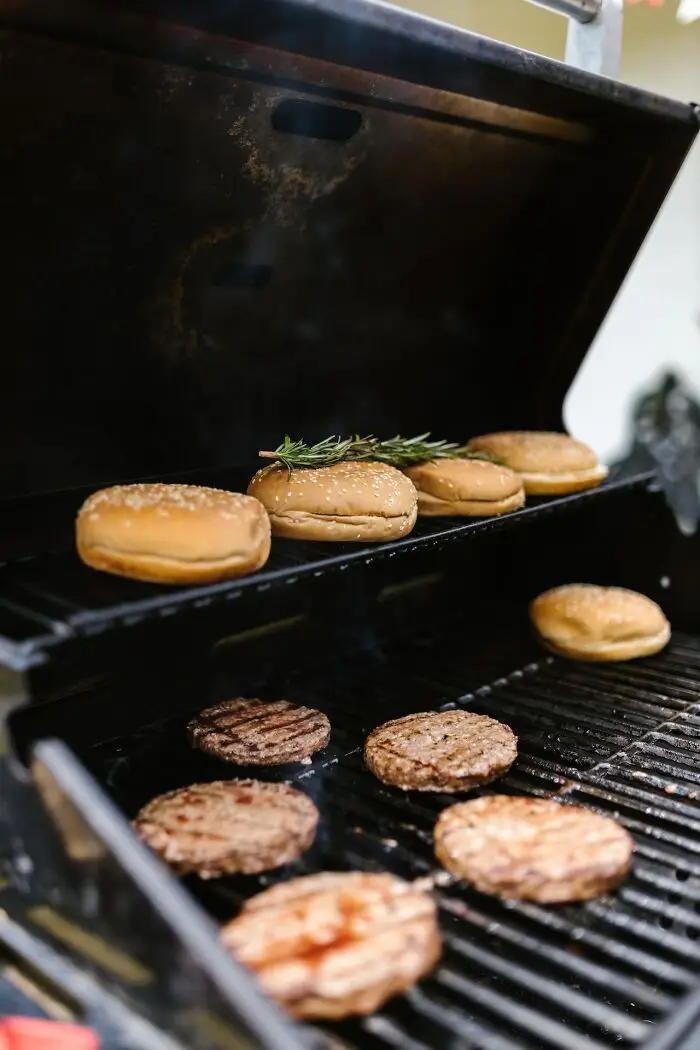
Toast your burger buns
heat up syrup in the microwave
let your meat settle for a little bit before eating it, the juices come back together.
Report
31points
#24
Use a thermometer.
Side note: taught my mom to use a thermometer and last night she was flipping out bc even after an hour, the pork chops wouldn’t cook! So make sure it’s on F and not C if you use a digital thermometer.
Report
28points
#26

Lots of good tips in the comments, as usual with this question.
I'll add this: place a damp towel between your cutting board and counter top to prevent the board from slipping. If you'd prefer not to use anything with water, get some of that non-slip shelf liner stuff and cut it to size.
Report
25points
#27
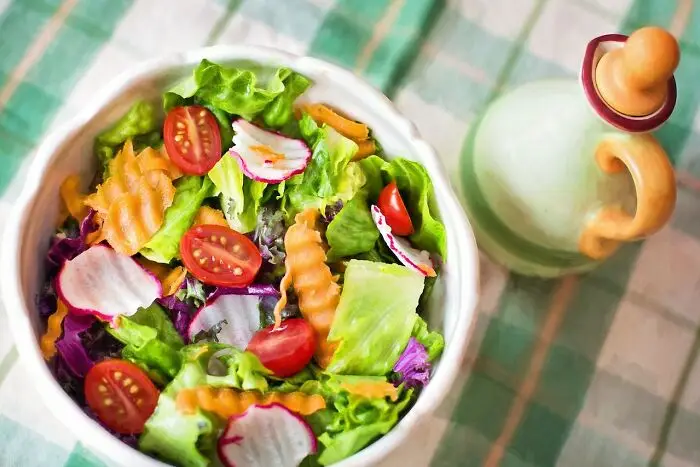
Take your time to cut your vegetables into similar shape/sizes - it will help them cook at a similar speed. But also understand that a small dice potato and a small dice onion will not cook at the same speed. A good rule of thumb is the harder or denser the vegetable, the longer it will take to cook
Cook bacon in your oven....seriously.
Salt your food. 9 times out of 10 your food sucks because you didn't season it correctly. People can be a little shocked at how much salt is required for good food. Goto a restaurant with an open kitchen and watch the cooks season their food.
Acid is also super critical for balanced food. If you have seasoned well and it still tastes flat, add some lemon juice or vinegar
Salt and acid are just as important in pastry - and often overlooked, which is why desserts are usually pretty MEH (or at least not as impactful as savory food).
Any recipe that does not have salt written in it assumes you know to add salt.
Finishing salt and/or acid is just as important.
If the meat you are searing is stuck to your pan - either you put it on when the pan was too cold or its not done searing. It will lift off easily when then happens.
A good way to know your pan is hot enough - add oil, crank the heat, once the oil looks like its rippling a bit and you see the first wisp of smoke - add your protein (presentation side down). Once you start seeing the correct color just creeping up the side of the meat - its probably seared. To be clear - this isnt any color change, but rather once you see that nice golden brown color.
Many times cooks will sear their proteins (presentation side down) and as soon as they see that color creeping up / are confident the sear is good - they take the pan off the heat and throw the whole thing (no rubber handles!) into the oven (350 or higher) to finish cooking through.
Fat holds flavor well. In baking - add your aromatics to your butter (your extracts, zests, flavoring) and it will come through more clearly.
Your bread sucks because you're under proofing it. Ignore the timeline in your recipe and don't bake it until it is actually ready!
Read through your recipe and mentally cook the dish. It will help you recognize the process and let you break free from following the recipe so closely. Eg - the recipe says sear your fish 2 min on high - you do that and realize....maybe my filet is thicker, maybe my pan is colder (or hotter) - but its not done searing....ignore the recipe and listen to what you know. Even in baking, recipes are guidelines to proper techniques.
your sharp knife is not sharp. buy a honing steel (cheap on amazon) and use it EVERY time you use your knife. Buy a sharpening stone (cheap on amazon) and practice sharpening your knife (youtube is your friend). Practice sharpening with your crappy knife - then buy a good starter knife (Victorinox, MAC Superior) and treat it well. So much fatigue comes from using dull knives.
List of most used tools/my roll:
*chefs knife
*serrated bread knife
*paring knife
*microplane
*honing steel
*Y peeler
*fish spatula
*high heat rubber spatula
*4" offset spatula
*sturdy tongs
*large cooking spoon/basting spoon
*good thermometer
Report
23points
#28
Sometimes use lemon salt (aka citric acid) instead of salt, and use a little more butter than the food needs
Report
22points