



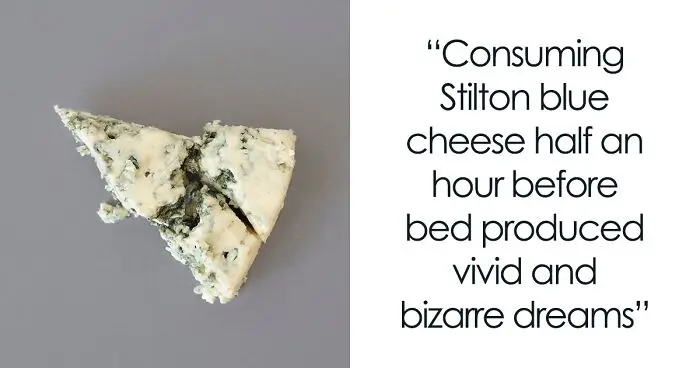


Cheese is not just a food; it’s an adventure of the taste buds. It’s an expedition of the senses. This dairy delicacy holds a special place in everyone’s heart (and stomach). So brace yourselves as we journey into the marvelous realm of cheese. We’re about to uncover some curd-aceous cheese facts that will leave you utterly amazed, hungry for knowledge, and maybe even craving a gooey grilled cheese sandwich.
From the humble cheddar to the daring blue, cheese has captured our hearts, tantalized our taste buds, and even sparked debates among cheese lovers. But beyond its undeniable tastiness, do you know the rich history of cheese and its intriguing secrets? We’ll uncover some mind-blowing cheese facts that will make you appreciate this gooey goodness even more. Cheese is as diverse as the people who enjoy it. There are more than 2,000 varieties out there. This means there’s a cheese for every palette! Some interesting facts about cheese state that the cheese-making process started as far back as the 13th century B.C. People would carry hard cheese on long journeys as their main source of protein. Today, it’s more of a gastronomical bliss. However, behind every cheese lies a tale of tradition, craftsmanship, and culture. We’ll dive into some cheese fun facts that will entertain and enlighten you.
So prepare to embark on a cheesy adventure filled with fascinating tidbits, delicious cheese trivia, and funny cheese facts. From exotic cheese origins to quirky, fun facts about cheese, this trivia will make you the life of every party. Hold on to your crackers, everyone! Here we go:
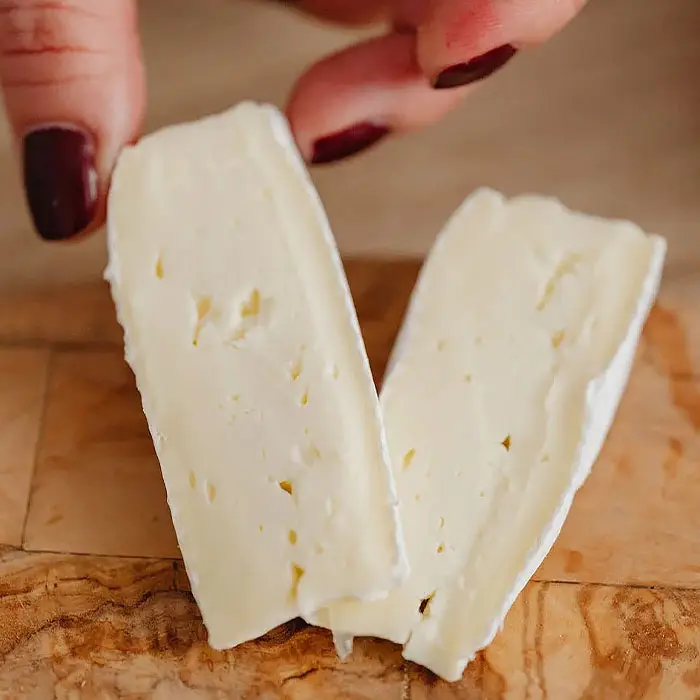
#21 Eat That Rind Off The Brie!
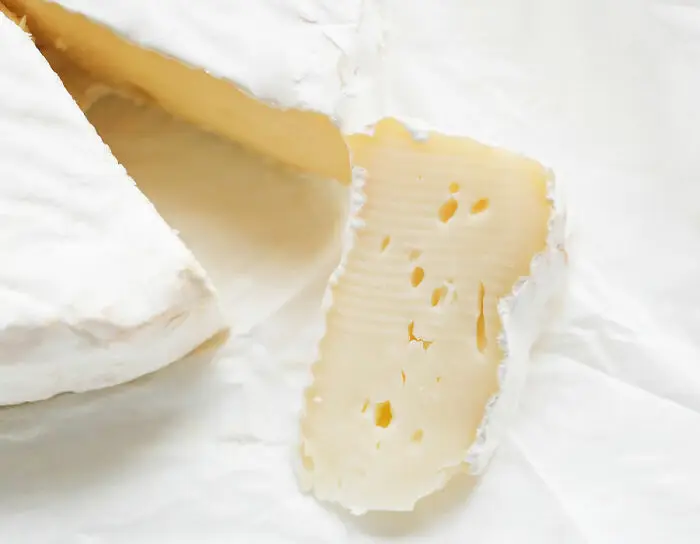
Yes, it’s edible! It’s a protective layer of mold and bacteria that keeps the center creamy. It’s completely safe to eat.
Report
21points
#22 The World’s “Most Dangerous” Cheese Has Maggots In It
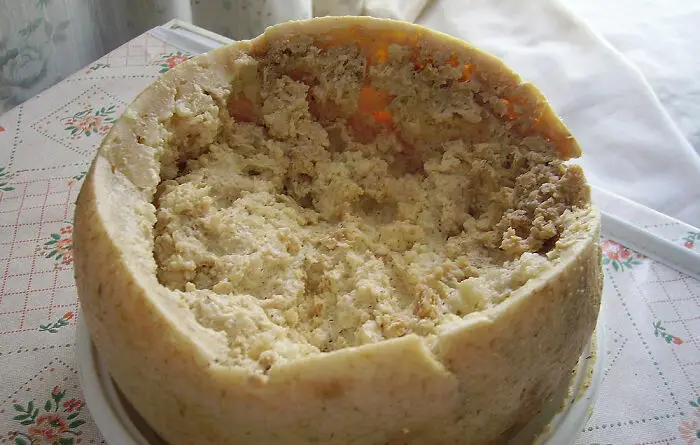
Casu marzu, a famous pecorino cheese in Sardinia, Italy, has been nominated as “the most dangerous cheese in the world” by the Guinness World Records. The production involves allowing cheese fly eggs to be laid in pecorino cheese. These hatch into larvae, consume the cheese and ferment it in the process. They make the cheese soft and creamy. The cheese is sold with the larvae still alive and active within it.
Report
20points
#23 The Crunchy Bits In Cheese Are Calcium Lactate Crystals
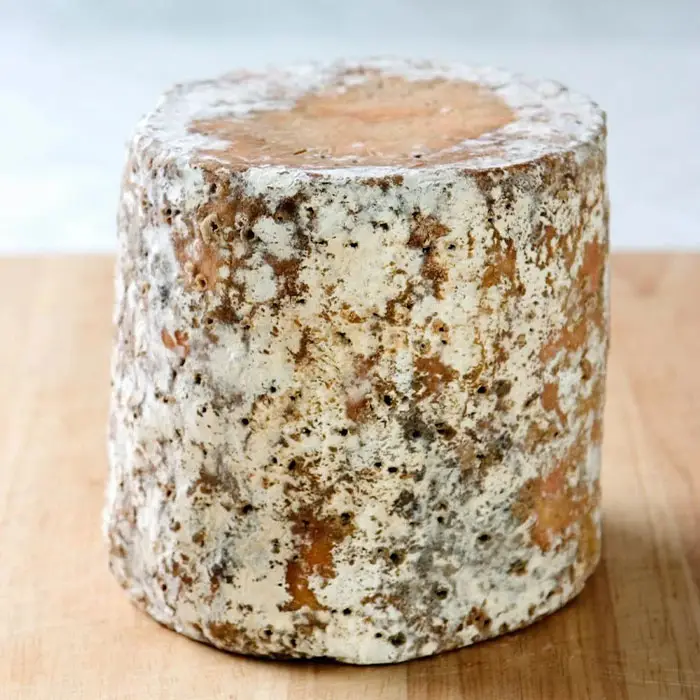
These crystals are formed when the lactic acid in cheese reacts with calcium ions. They are mostly found in aged cheddar and Parmesan and are safe to eat.
Report
20points
#24 Pule Is The Rarest Cheese In The World And Is Made From The Milk Of Balkan Donkeys From Serbia
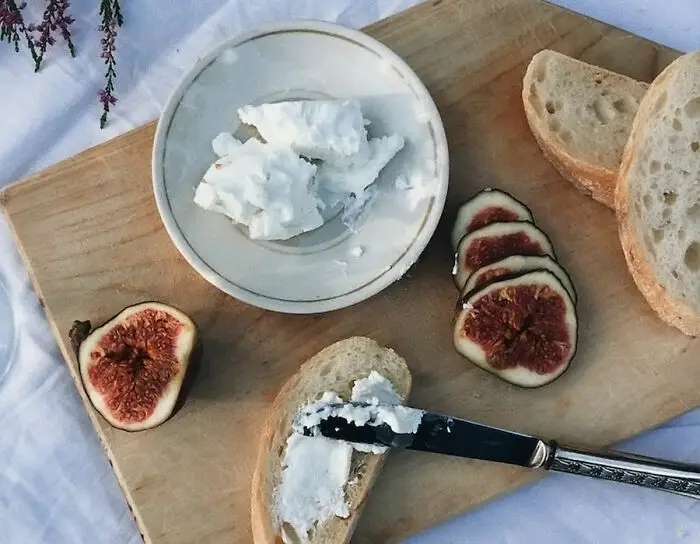
Pule cheese is one of the most expensive cheeses in the world as it’s a very limited product. This is because Serbian donkeys have an extremely low milk yield, which makes this cheese rare.
Report
20points
#25 The Oldest Cheese Residue Was Found In A 13th Century BC Tomb For Ptahmes
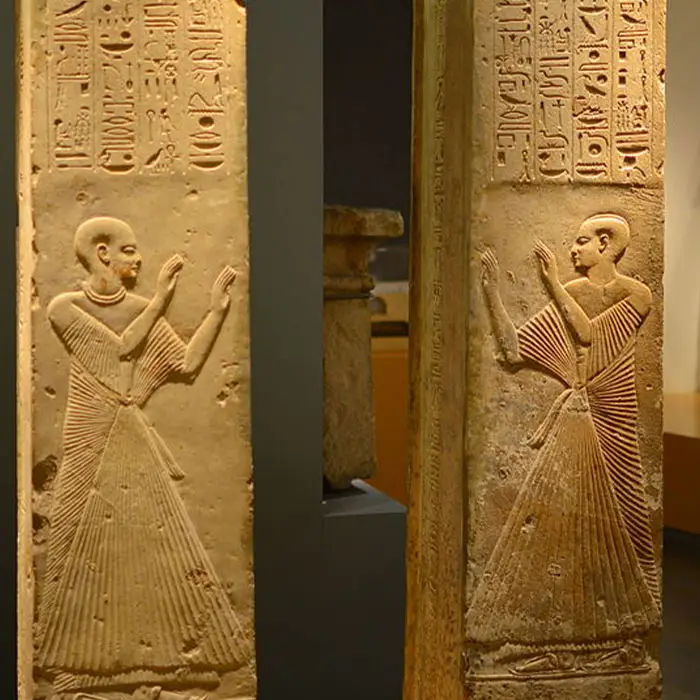
A spectrometry analysis was done on broken jars in the tomb of Ptahmes in Egypt. The jars contained a “solidified whitish mass,” which was confirmed to be a few milligrams of cheese.
Report
20points
#26 There Is A Guinness Beer Cheese!
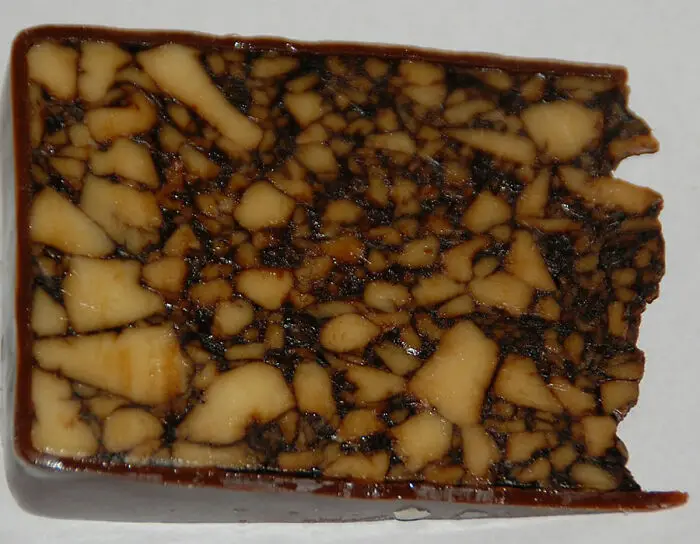
Irish Porter cheese is made by adding Guinness stout beer into the cheese-making process. It’s flavorful, creamy, and has the distinct aroma of the beer.
Report
20points
#27 The First Commercial Cheese Factory Was Established In 1815 In Switzerland
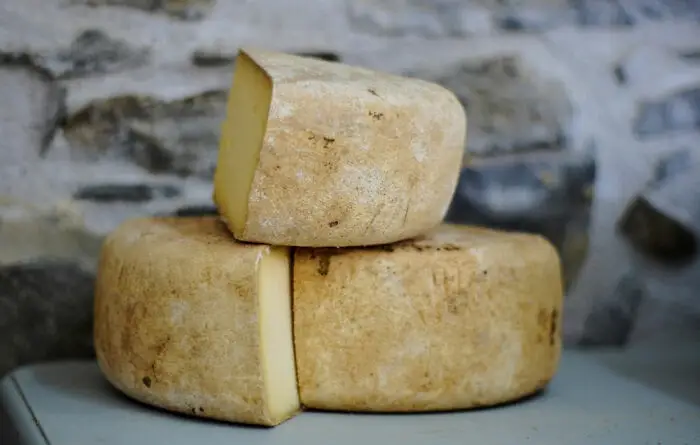
It produced mainly Emmental cheese.
Report
20points
#28 Cheese Curds Squeak Against Your Teeth Because Of Their Elastic Protein Strands
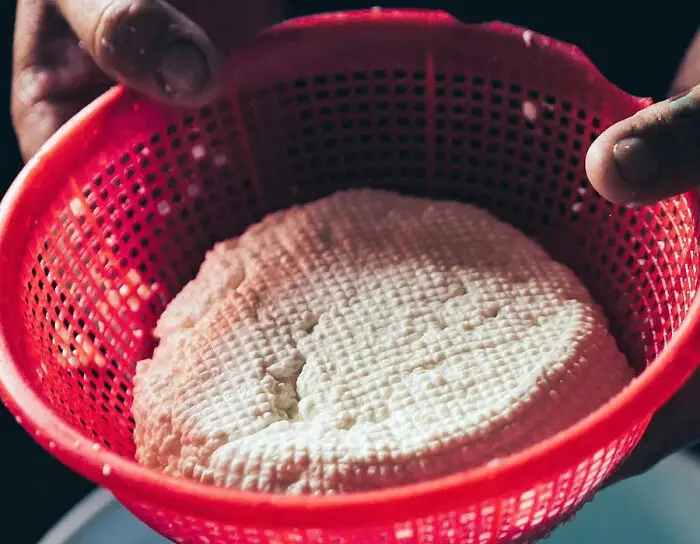
It’s just friction and won’t harm your teeth! Fresh curds will squeak more because of their high moisture content.
Report
20points
#29 Västerbottensost Can Only Be Made In One Village Of Sweden
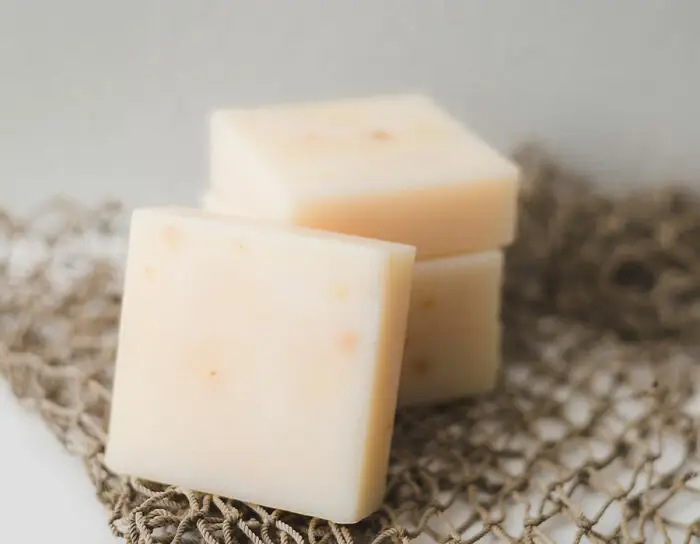
The distinct taste of Västerbottensost only comes from the Burträsk village in northern Sweden. No other dairy producers have been able to replicate the flavor. No one knows why. Some theories suggest the unique flavor comes from the local spruce shelves where it matures. There’s another theory about a meteorite that struck the village eons ago, making its soil rich in calcium.
Report
19points
#30 Blue Cheese Has The Same Bacteria That Cause Smelly Feet
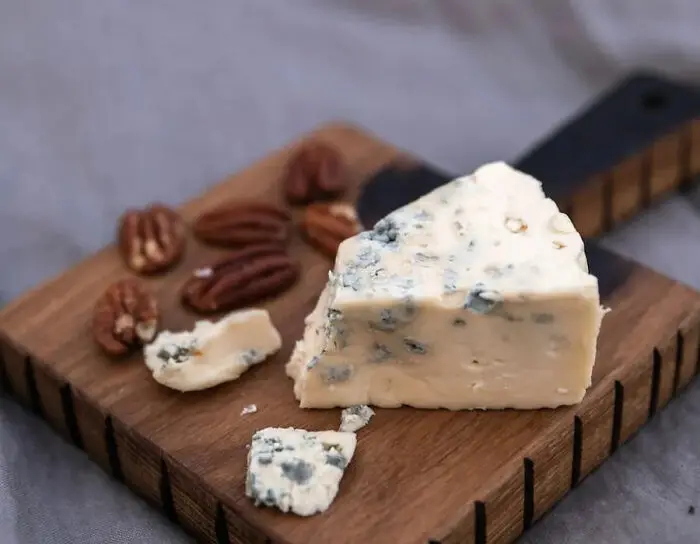
Blue cheese has the same bacteria that produce a strong odor in unwashed feet. If you’re seeking a whiff of adventure, then blue cheese is for you!
Report
19points
#31 Cheddar Cheese Is Not Naturally Orange
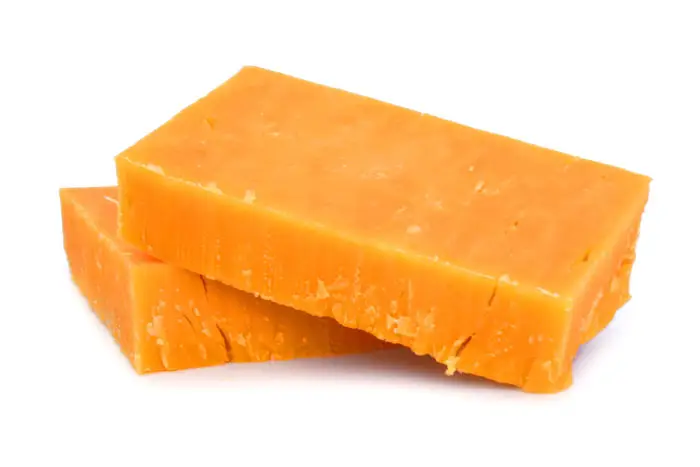
Cheddar cheese is usually white or pale yellow. Cheesemakers add a pigment that gives it an orange color. There’s no difference in taste between white and orange cheese.
Report
18points
#32 A 17th Century Fraud Gave Rise To The “Orange” Cheese
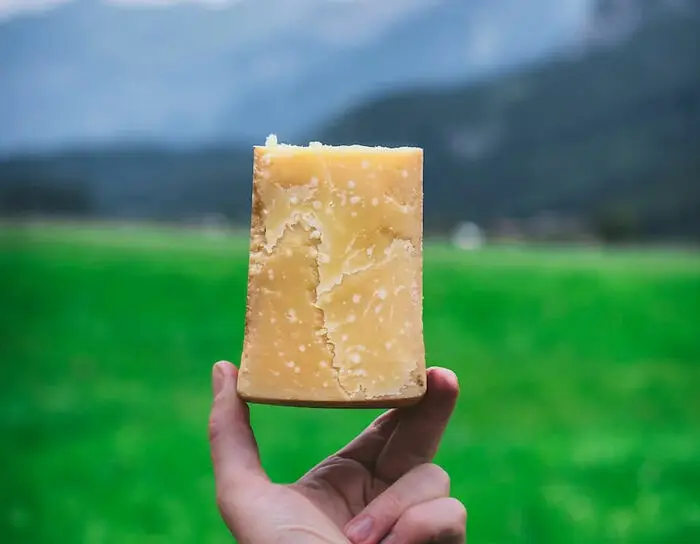
Back in 17th century England, a lot of cheeses used to have a natural yellowish-orange pigment. Some devious cheesemakers started skimming off the cream to sell separately. However, it was the cream that contained the pigment, and the leftover was low-fat white milk. To pass it off as a high-quality product, cheesemakers started adding orange pigment.
Report
18points
#33 Philadelphia Cream Cheese Did Not Originate In Philadelphia
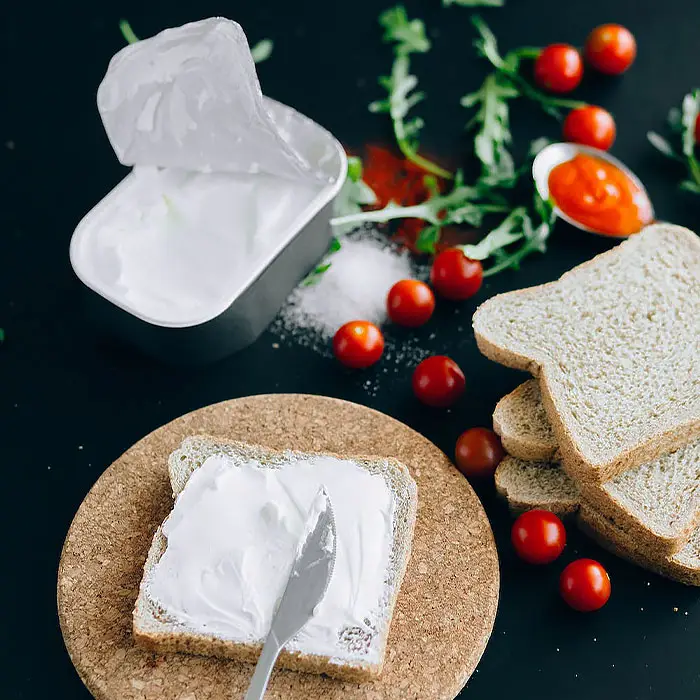
Contrary to popular belief, cream cheese was first produced by dairy farmers in New York.
Report
18points
#34 In Greek Mythology, The God Aristaeus Taught Humanity How To Make Cheese
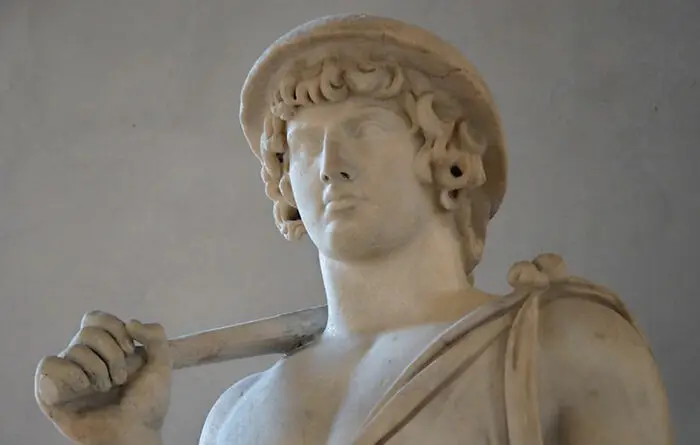
Aristaeus, the son of Apollo and Cyrene, was considered a minor god in Greek mythology. He is seen as the protector and creator of many crafts, such as cheese-making and beekeeping. According to mythology, he passed down this knowledge to early humans.
Report
18points
#35 You Can Chew On The Rock-Hard Chhurpi Cheese For Hours, Just Like Bubble Gum
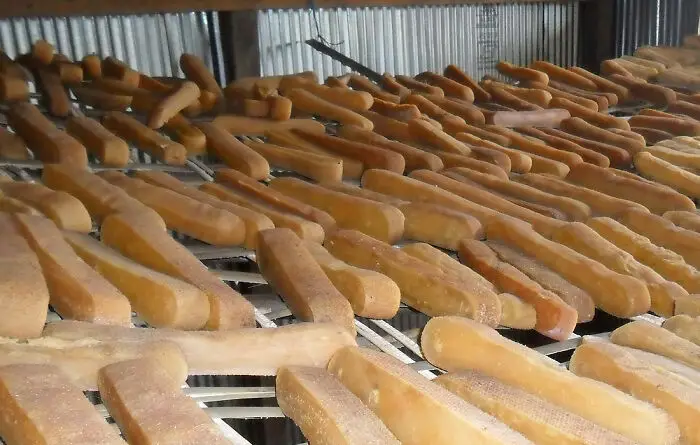
Chhurpi is made in Nepal from yak milk. It’s a great source of protein and fats in the harsh winter months. It’s considered one of the hardest cheeses in the world. You’ll need to chew quite a bit to get it to soften.
Report
17points
#36 The Largest Cheese Sculpture Weighs Over 3,000 Pounds
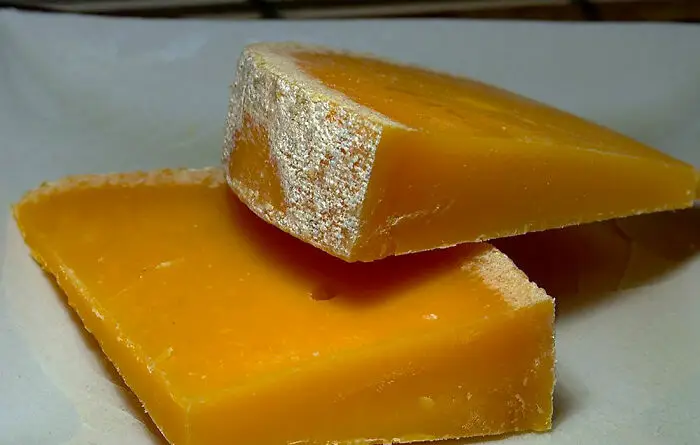
It was created from a single block of aged cheddar. The sculpture features an alligator in a chef’s hat cooking a turkey.
Report
17points
#37 U.S. President Andrew Jackson Received 1,400 Pounds Of Cheddar Cheese As A Gift From A Dairy Farmer
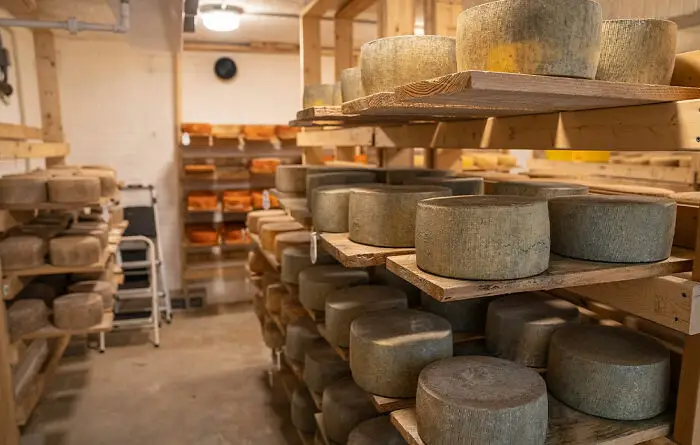
The president left it in the White House to age. Two years later in 1837, he hosted an open house for the public to share the cheese. The “Big Cheese” event became Jackson’s legacy.
Report
16points
#38 There’s A Cheese Made From Bacteria Collected From Human Toes
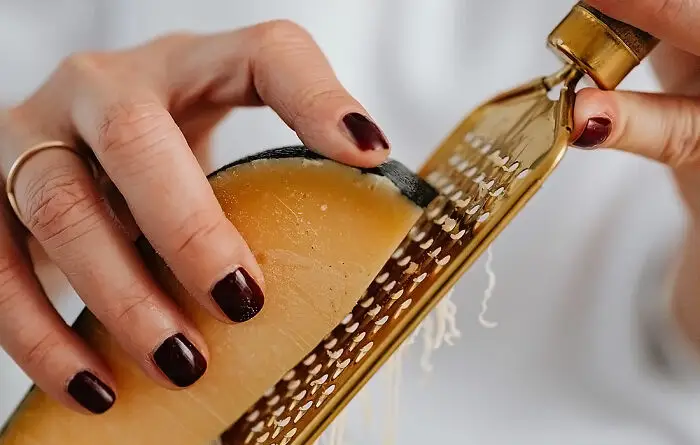
In an experiment, scientists took microbial strains from toes, armpits, belly buttons, and mouths. They added milk, lactobacillus, and compounds to the culture to make different varieties of cheese. That takes “grow your own food” to the next level!
Report
16points
#39 In 2013, Only One Dry Jack Was Entered In The American Cheese Competition. It Came Third.
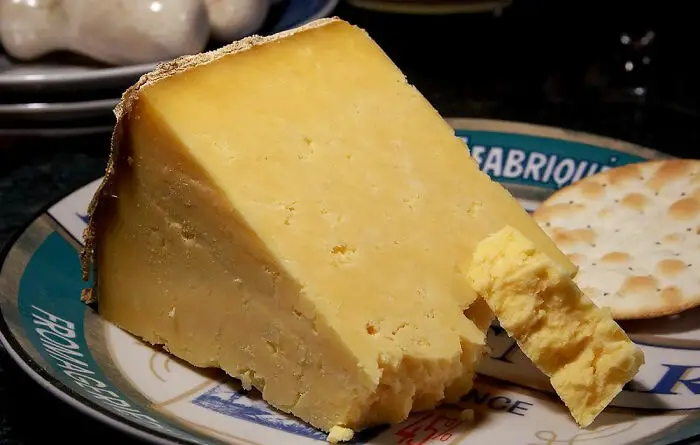
The judges left the first and second spots empty.
Report
16points
#40 Traces Of Cheese Were Found On 7,200-Year-Old Pottery In Croatia
The discovery made from two Neolithic villages on Croatia’s Dalmatian coast indicates the earliest evidence of cheese-making in the Mediterranean.
Report
16points