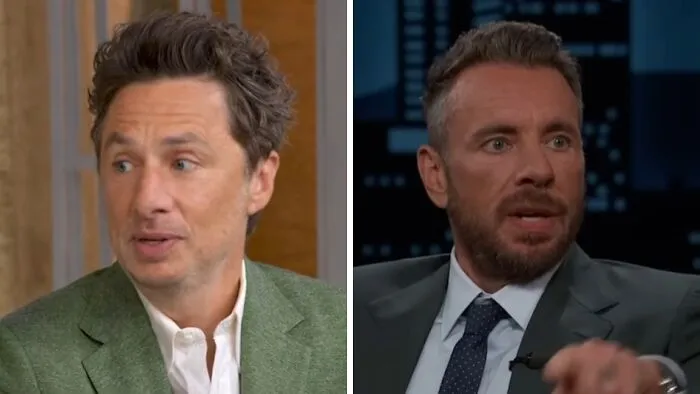

#3 Jessica Chastain And Bryce Dallas Howard
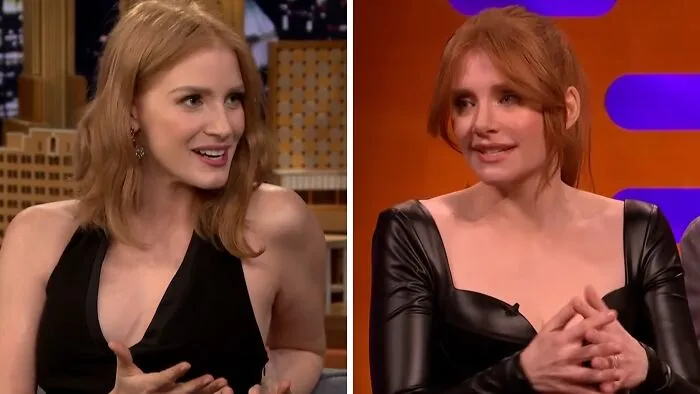
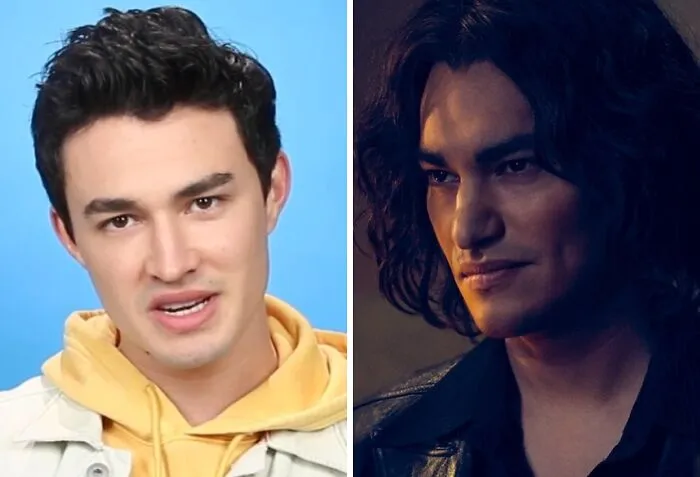
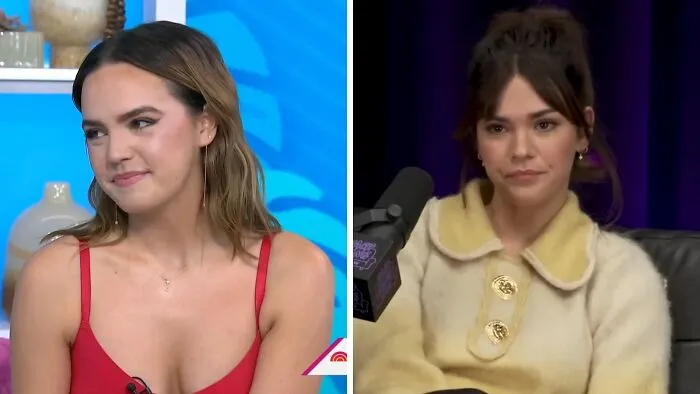
With over eight billion people living on the planet today, the very law of numbers works in favor of doppelgangers. Facial features are ultimately a finite game of combination and matching. Only so many distinct jawlines, eye shapes, nose structures, and lip profiles exist in the human genetic pool.
When you factor in modern camera angles, lighting, and focal lengths, two completely unrelated people can look like identical twins under the right lens.
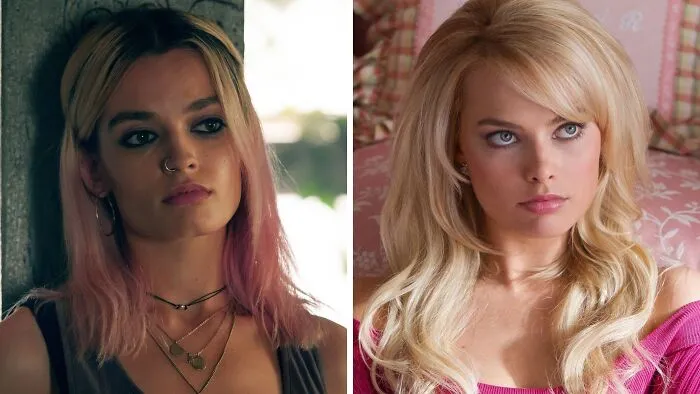
#4 Jaime King And Jaime Pressly
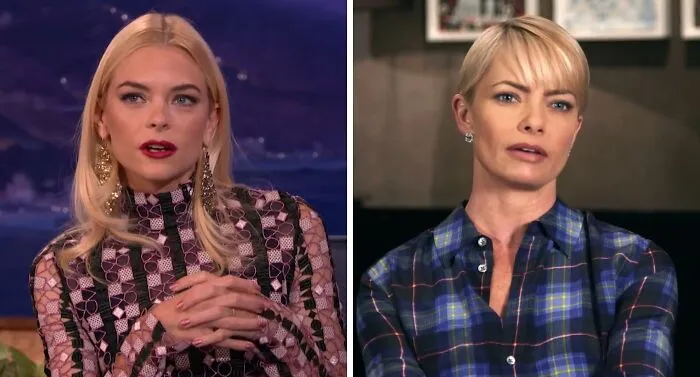
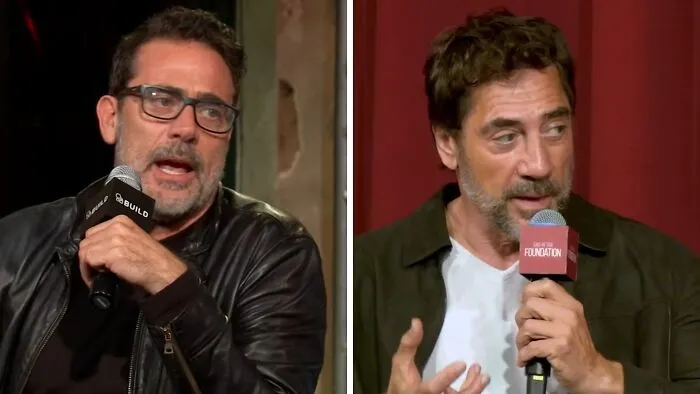
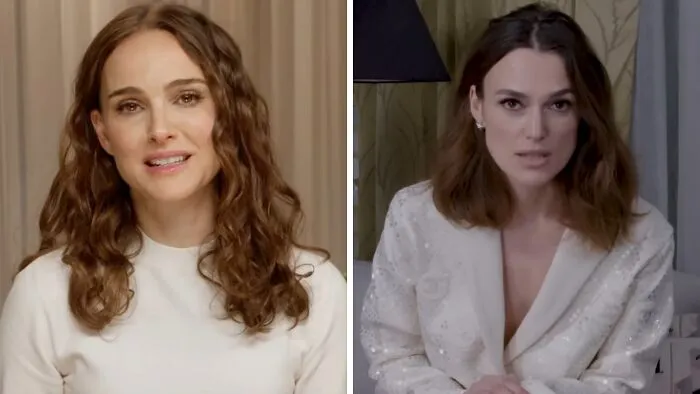
Scientists have wondered about this uncanny doppelganger phenomenon for years, and recent genetic research shows a real biological reason behind it. A study led by Dr. Manel Esteller, a molecular geneticist at the Josep Carreras Leukaemia Research Institute in Spain, set out to uncover why unrelated strangers can look so remarkably alike.
The research team turned to French-Canadian photographer François Brunelle. Since 1999, Brunelle has traveled the globe capturing striking black-and-white portraits of completely unrelated lookalikes for his project, “I’m not a look-alike!” The researchers recruited 32 pairs of these visual twins and ran their DNA through advanced facial recognition software and genetic sequencing.
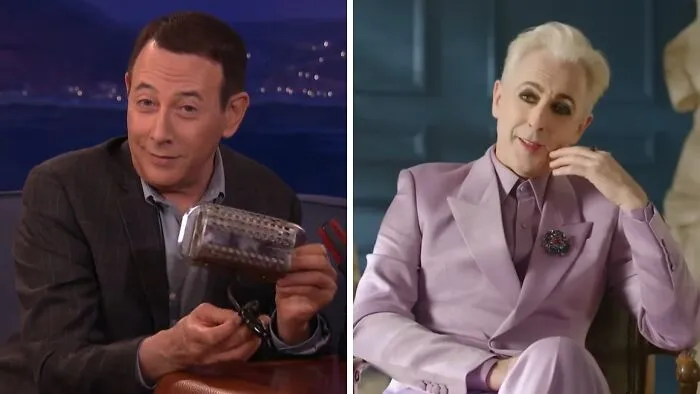
#8 Kiernan Shipka And Mckenna Grace
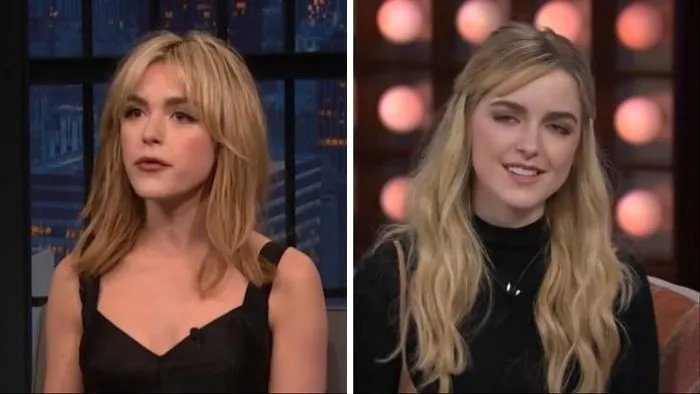
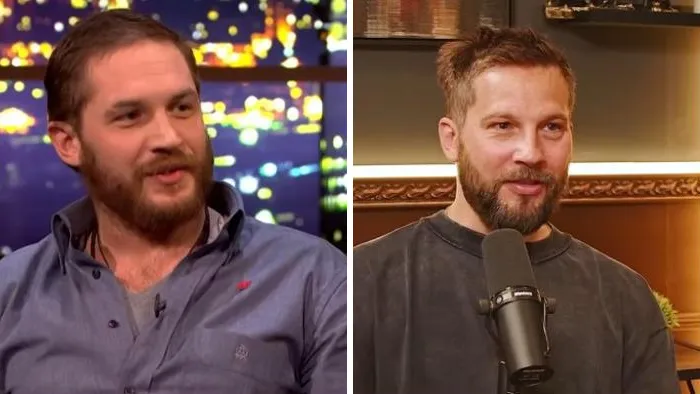
The results published in Cell Reports confirmed that over half of the pairs — 56% of them — scored high enough to be classified as “ultra” lookalikes, matching as closely as identical twins. When scientists analyzed their genomes, they found that these lookalikes shared identical variations in specific DNA sequences. These genetic codes directly control key facial traits, including bone structure, skin tone, eye placement, and facial tissue shape.
Their underlying DNA sequences were remarkably similar, but their epigenomes and microbiomes were entirely different. This shows that while lifestyle and environment shape our health, our basic facial architecture comes down to a shared genetic code.
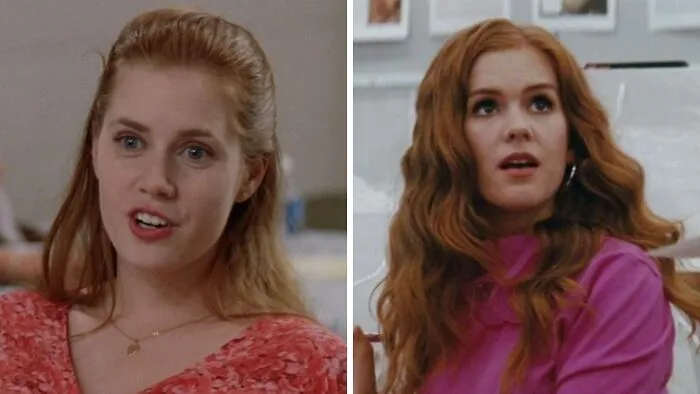
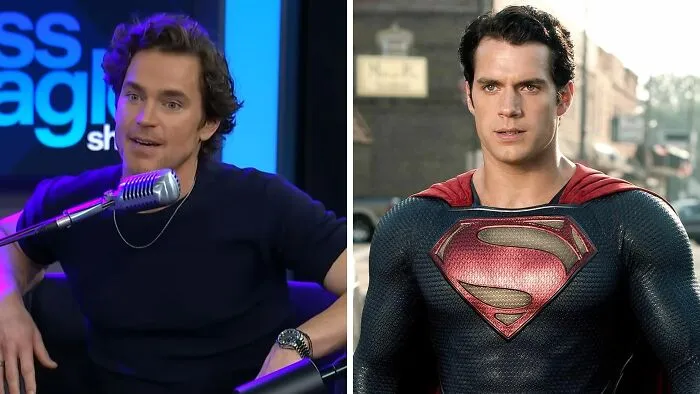
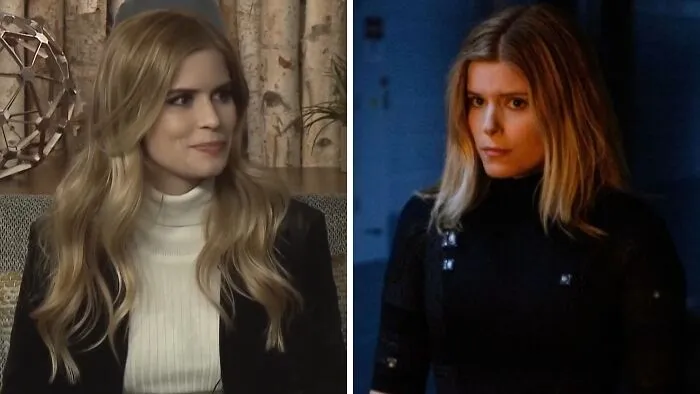
The shared traits went beyond just faces. Many of the lookalikes were also similar in height and weight, and several pairs even filled out lifestyle questionnaires in surprisingly similar ways.
“There are so many people in the world right now, that eventually, people that share a higher number of [genetic] variants are expected,” Dr. Esteller explained.
“Our study provides a rare insight into human likeness by showing that people with extreme lookalike faces share common genotypes, whereas they are discordant at the epigenome and microbiome levels,” he added.
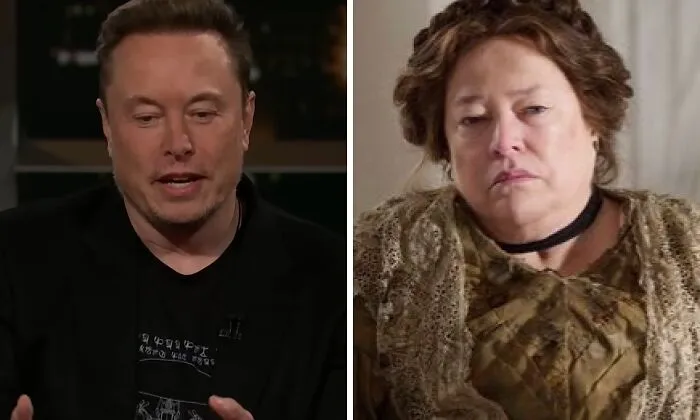
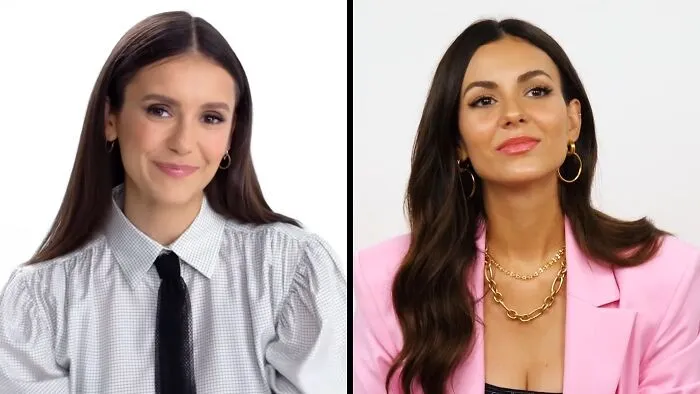
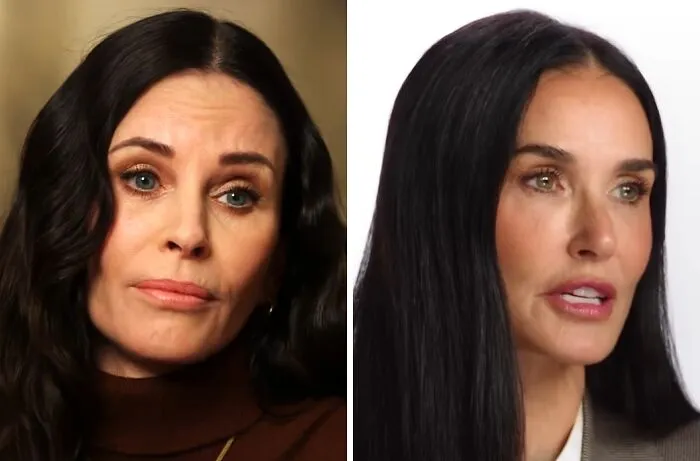
Long before genetics could explain these biological double-takes, our obsession with doppelgangers carried a much darker meaning. Ancient folklore and old superstitions often framed a doppelganger as an “evil twin” — a sinister figure whispering bad intentions to its human counterpart. In Irish mythology, seeing a fetch warned of approaching harm, much like the Nordic fylgja.
Throughout history, literature and art have returned to these spooky doubles to explore identity, mortality, and the battle between good and evil. In Robert Louis Stevenson’s classic 1886 novella The Strange Case of Dr. Jekyll and Mr. Hyde, the doppelganger acts as a dark reflection that torments the original self — a trope in which meeting your double almost always means ultimate destruction.
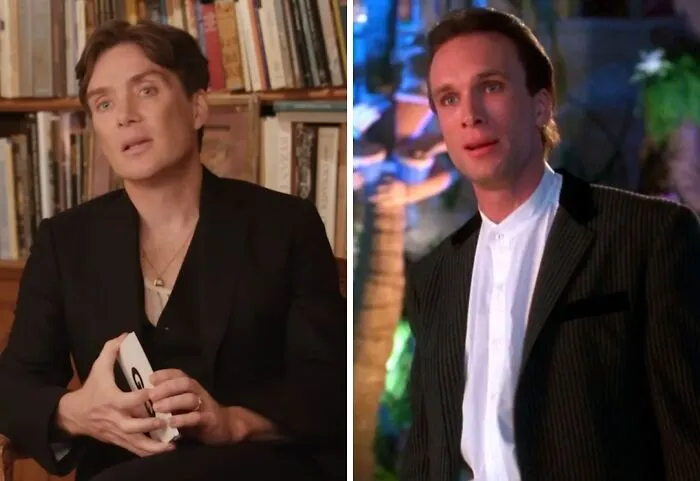
Psychology offers its own view on why seeing our likeness surprises and fascinates us. Sigmund Freud suggested that the double triggers a deep-seated fear linked to our own mortality.
“Freud thinks the doppelgänger is uncanny, as it’s unconsciously linked to the idea of one’s own (demise). The soul is the original ‘double’. Human narcissism is such that we long for immortality and so the ‘immortal soul’,” like the portrait in oil, or the family photograph, promises to keep us in the world forever. The world without us is just too unthinkable,” says Anouchka Grose, a psychoanalyst.
“But that wish or fantasy becomes repressed and so the double becomes uncanny — the thing we were using to defend ourselves against the idea of our own death becomes the thing that reminds us of it.”