

#1
#2
#3
Believe it or not, apparently there’s actually an unwritten etiquette we normal folks should follow when we spot a celebrity in the wild. Sociologist Kerry O. Ferris explored this in a 2004 study of celebrity sightings, focusing specifically on how people navigate encountering a star in an otherwise ordinary setting. After all, crossing paths with a celebrity while walking your dog, eating out, or while waiting for a flight can present quite the social dilemma: Do you treat them like just another stranger or let on that you know exactly who they are?
#4

#5
#6
Ferris describes this as a tension between an “ordinary public-place encounter between strangers” and an “extraordinary encounter with a uniquely known other of special status.” And it seems there are some pretty established conventions for situations like these. Ferris found that the most common response after recognizing a celebrity is “feigning nonrecognition.” It’s kind of like blanking an acquaintance you’d rather not see while on a late-night grocery run in your slippers. Basically, it entails pretending you haven’t noticed the celebrity at all.
#7
#8
#9

It’s a generous approach, one that Ferris argues is a bit like a social courtesy. “The normalcy of feigned nonrecognition is like a gift the seer gives to the celebrity—the gift of ordinariness,” she writes. Allowing the celebrity to continue going about their business without being gawked at, approached, or otherwise disturbed can give them the chance to simply be another person buying groceries or grabbing a coffee.
#10
orofritokathy:
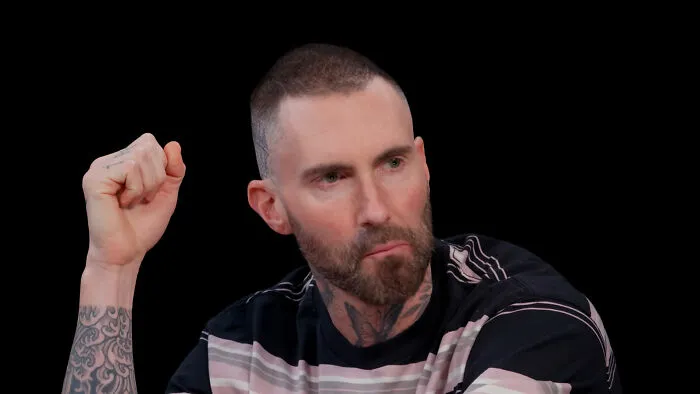
So back in 2020 Maroon 5 was one of the international headliners for the music festival Viña Del Mar which is not only the most prestigious music establishment of Chile, but in South America. It is a televised event, something that slipped past Adam Levine. Not only did they perform badly at their night but there was a leaked video of Adam trash-talking on the city and the event, causing him and Maroon 5 to be Chile's public enemy number 1 and spam their socials w national recipes to this very day.
#11
#12
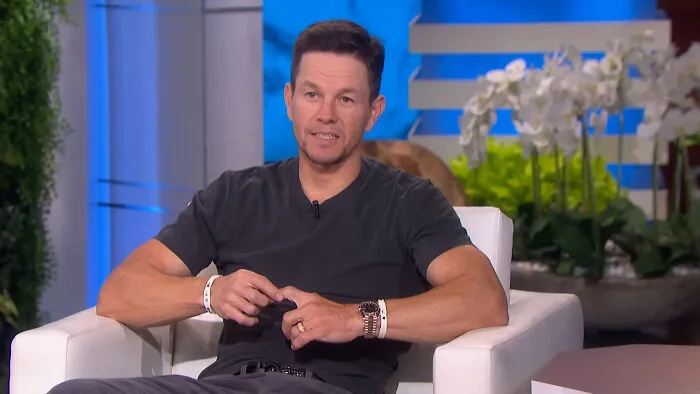
He is the rudest, most condescending, & meanest jerk ever.
But the “moral order” of these encounters is a two-way street. In the accounts collected by Ferris, people also expected celebrities to play their part in upholding it, and they judged those who didn’t. In other words, there are certain lines celebrities are expected not to cross when they’re out in public, just as there are expectations for the people who recognize them. Celebrities who were trying way too hard to draw attention to themselves were viewed unfavorably, as were those who ultimately (or unwittingly) did the same thing by being “too obviously incognito.”
#13
#14
#15
And this is where things get interesting for anyone who’s ever had a celebrity encounter that went sideways. I think most of us understand that recognizing someone famous doesn’t automatically entitle us to that person’s time, attention, or a photo. A celebrity declining a request isn’t necessarily rude. Wealth and fame don’t change the fact that they’re human, and like the rest of us, sometimes they’re busy, tired, with their family, or simply don’t want to interact with strangers. But there is still an expectation that both parties will observe some basic social boundaries, or “codes of behavior.” It’s not that complicated, really—sometimes, it’s just about remembering your manners.
#16
#17
#18
Perhaps that’s part of what makes a genuinely unpleasant encounter so memorable. You’re not expecting someone you’ve watched on Netflix or followed online to act like your best friend. But when someone you’ve admired—or simply recognized—treats you with surprising hostility, rudeness, dismissiveness, or contempt, the version of them you’ve been presented with elsewhere can come crumbling down.
#19
#20