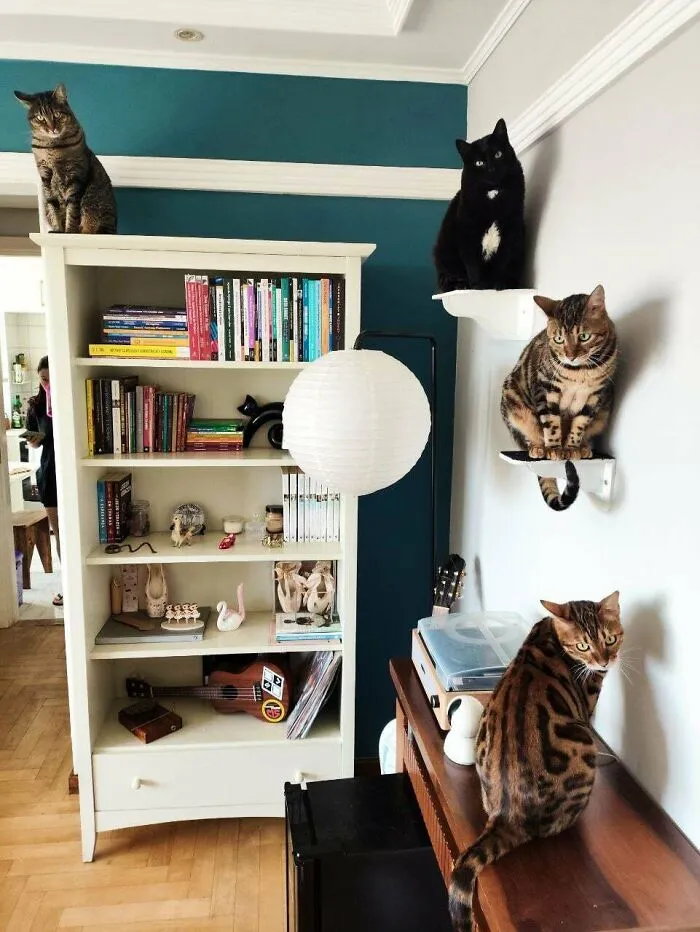


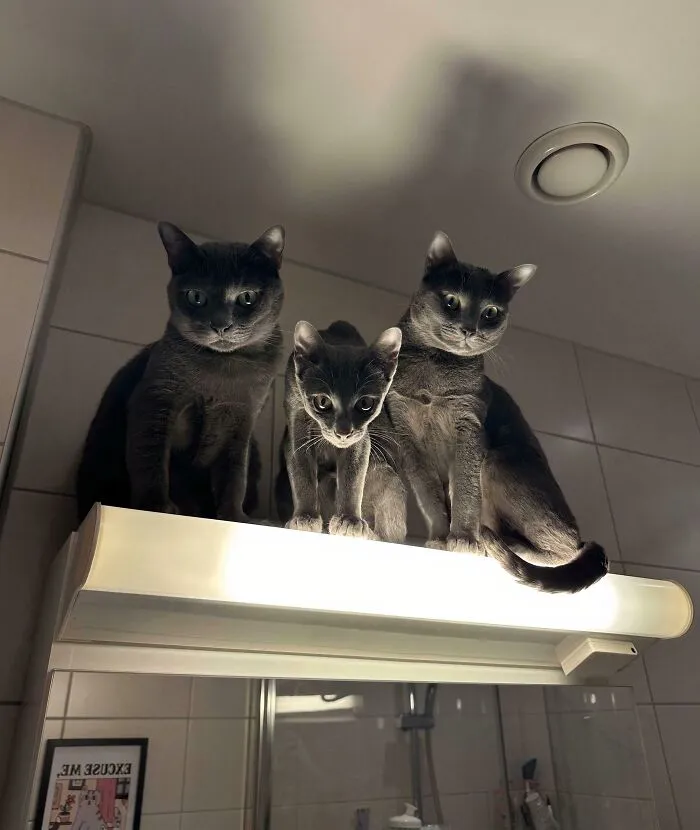
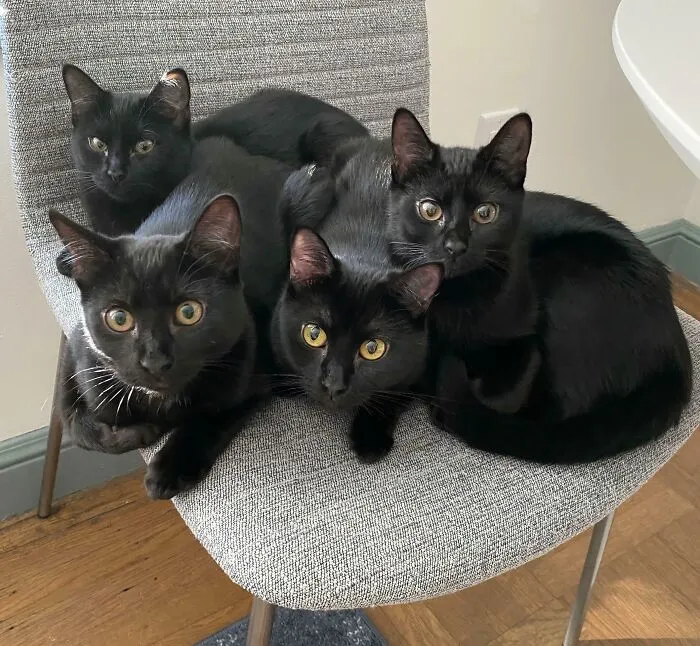
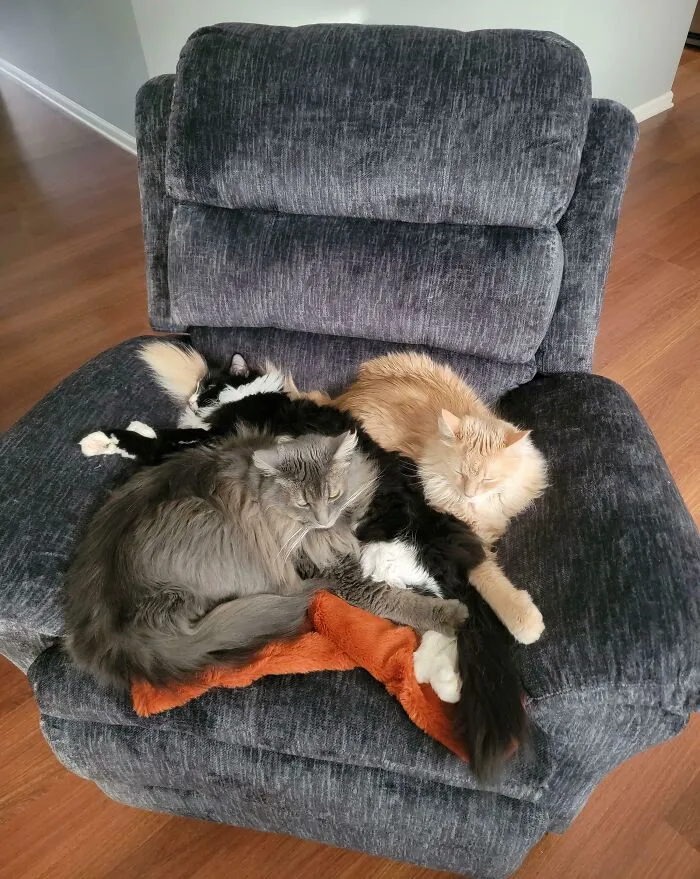
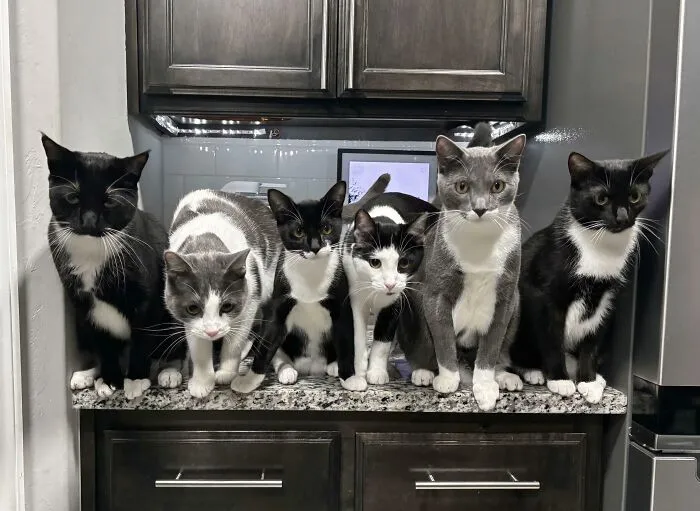
#3 My Rescue Void Smuggled In Some Void Beans And I Had To Keep The Family Together
Cats are known to be solitary creatures, preferring to hunt solo and conduct their business alone. According to the International Cat Care site, a cat’s territory includes a core area (or den) where they feel safe enough to sleep, eat, play, and potentially enjoy social interaction.
They'll often defend their territory and fight off (or chase away) other cat intruders. Cats will leave the safety of their dens to hunt or roam in surrounding areas. And as many a cat owner may have experienced, they might bring their prey home as a little gift for their master.
"In the wild, cats may have territories that overlap, with ‘neutral areas’ where they can greet and interact with each other," notes the site. "If an unfamiliar cat enters another cat’s territory, this may provoke behavioural responses aimed at deterring the cat and driving them away - starting with staring, hissing, and growling, and if that doesn’t work, chasing them and possibly a short, noisy, violent attack."
But even though they're known to be solitary creatures, cats are very capable of living in groups. And many do...
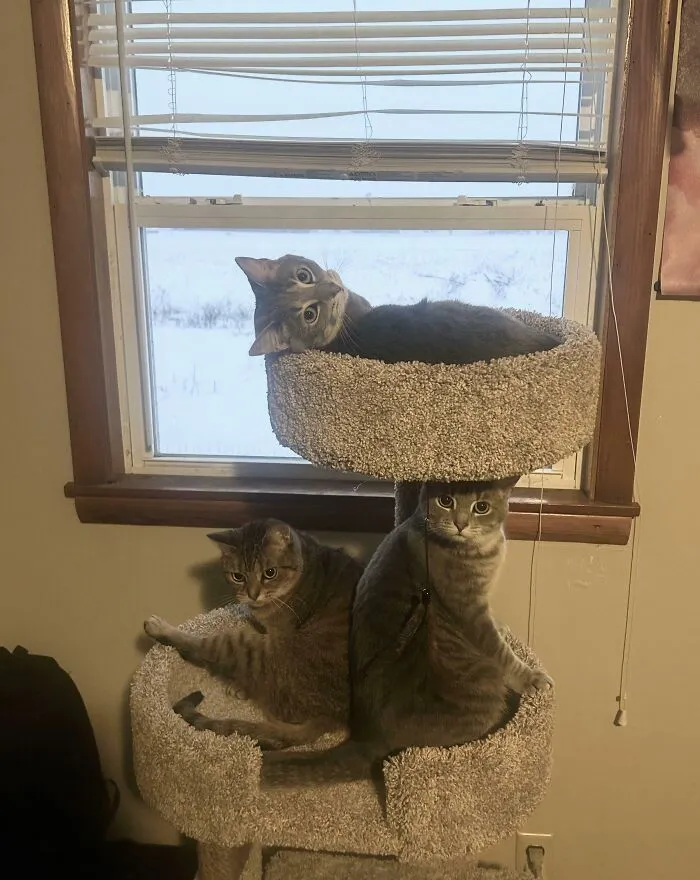
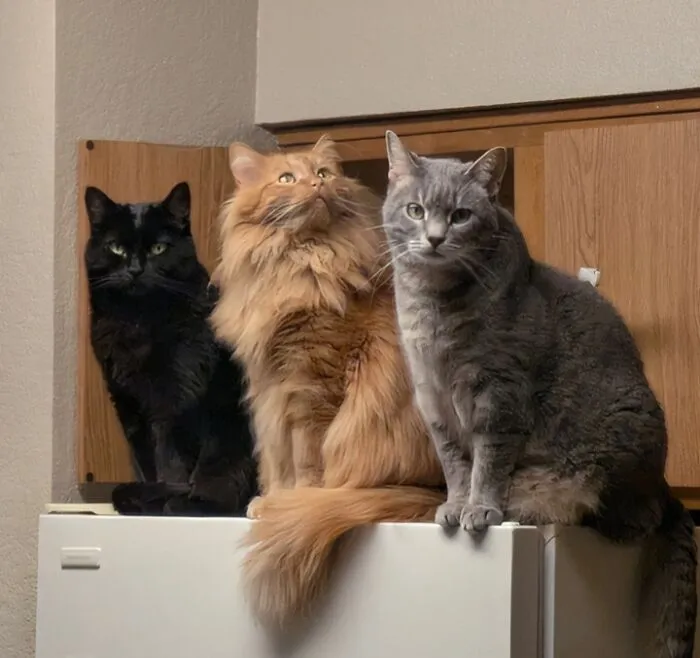
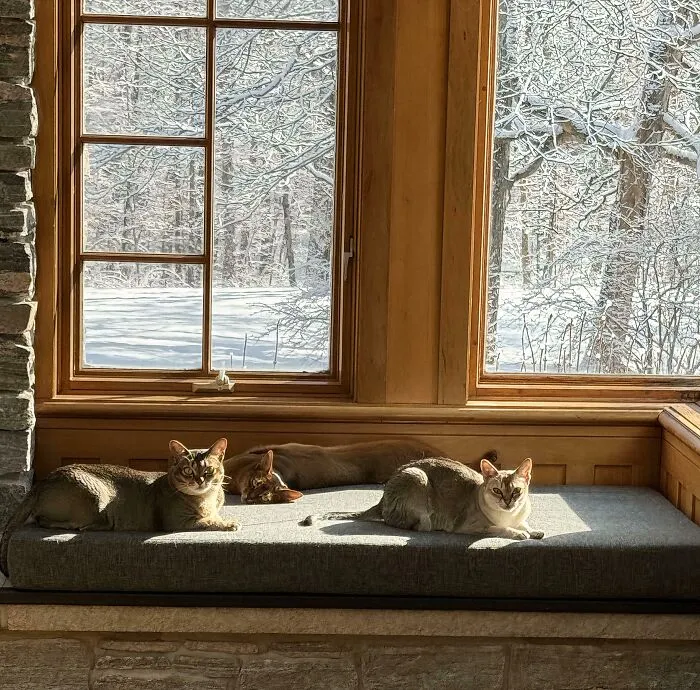
#7 The Council Has Unanimously Ruled: The White Stuff Outside Is Too Cold And The Sun Inside Is Just Right
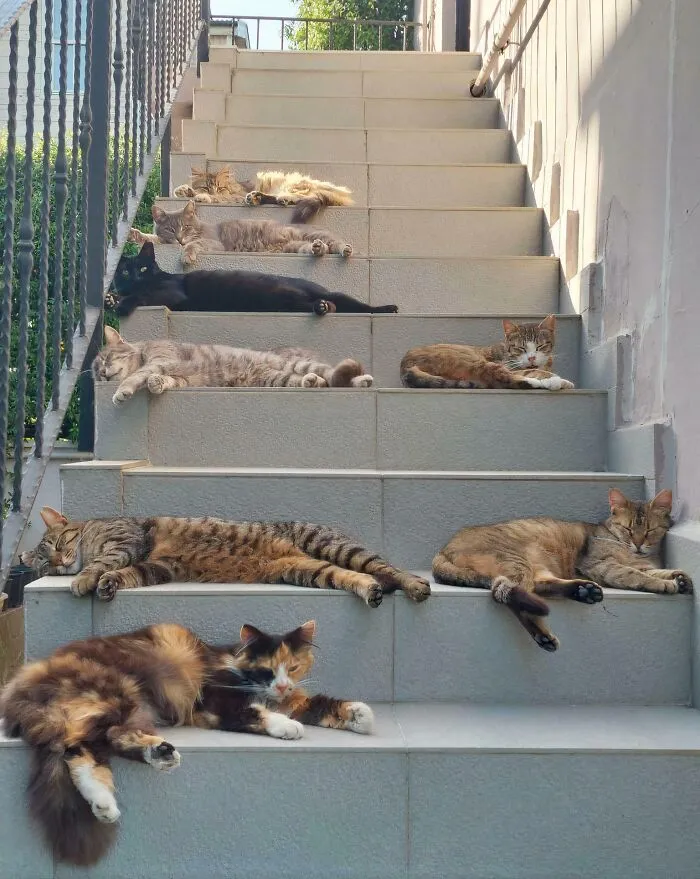
According to Phyllis Meyer, a certified Veterinary Technician in Colorado and cat behavior expert, free-roaming cats tend to form groups called colonies - especially if there's lots of food around. These colonies are led by females, with a mother, her sisters, and daughters taking care of the young. They'll nurse each others’ kittens and even help each other give birth.
"Male kittens are driven off by their mothers at maturity to avoid inbreeding," reveals Meyer. "They can become solitary hunters like their wildcat ancestors or become attached to an unrelated colony if accepted by the females."
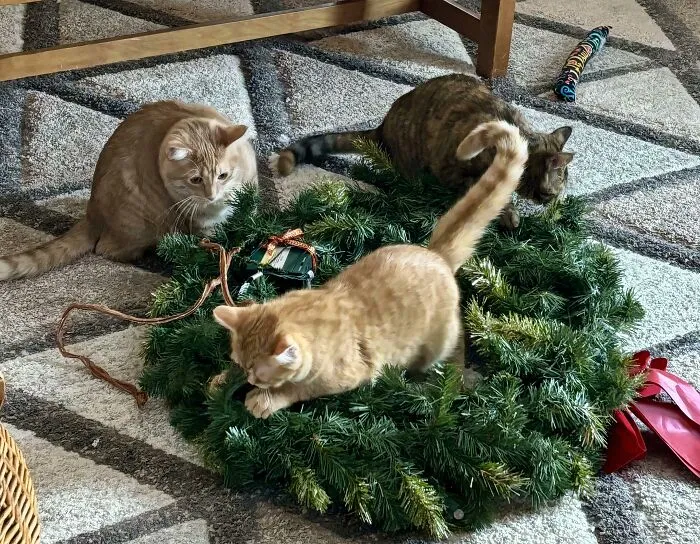
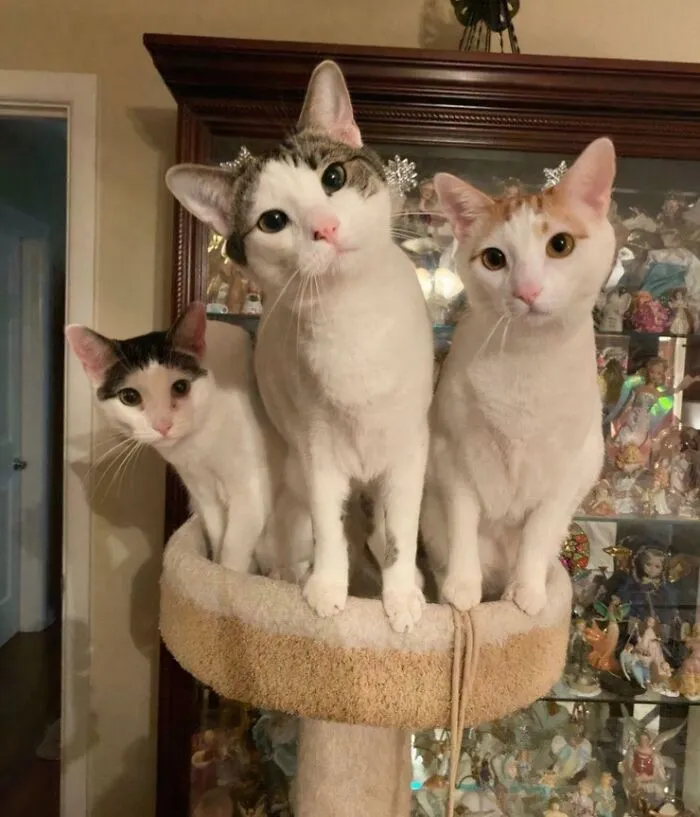
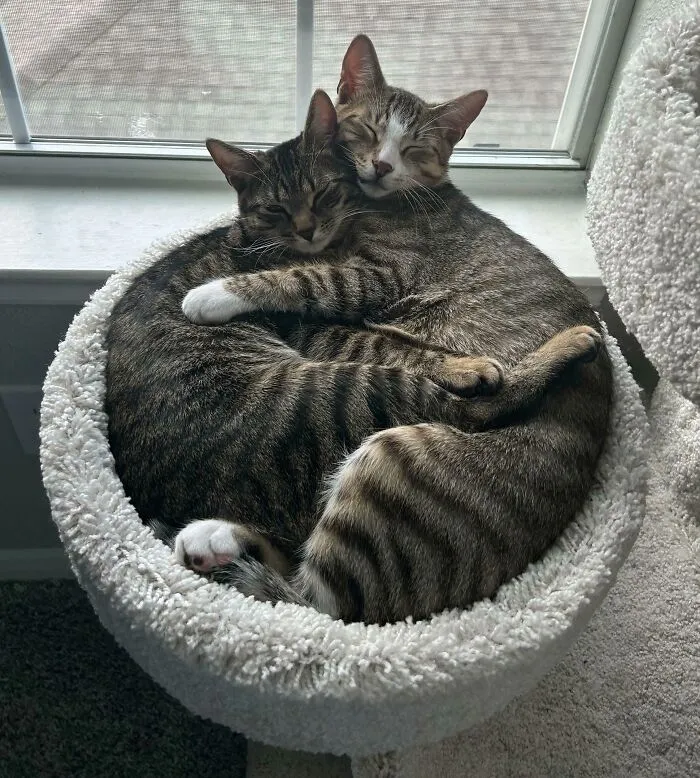
International Cat Care's experts note that even though feral cats form groups, they still hunt alone and don’t rely on each other for survival. In other words, they aren't considered ‘pack’ animals.
When it comes to having multiple pet cats in one home, Meyer says there are a few steps you can take to help avoid fighting and conflict. The first is to identify the social groups of cats. In other words, the ones that prefer to stay together.
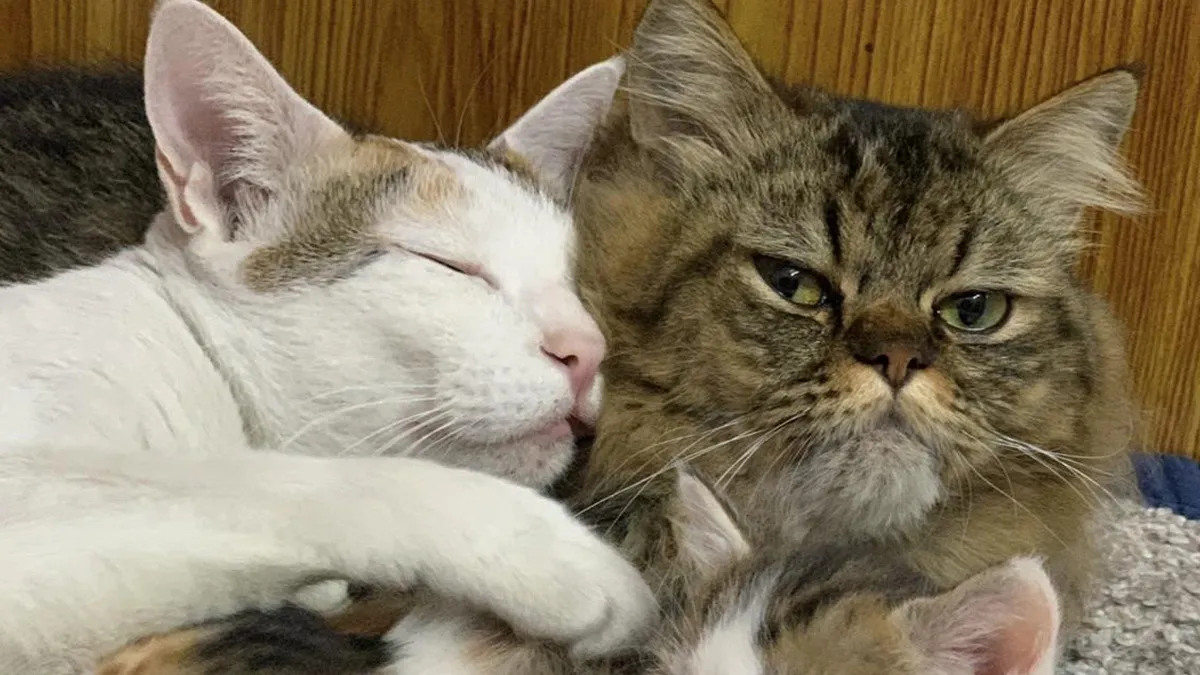
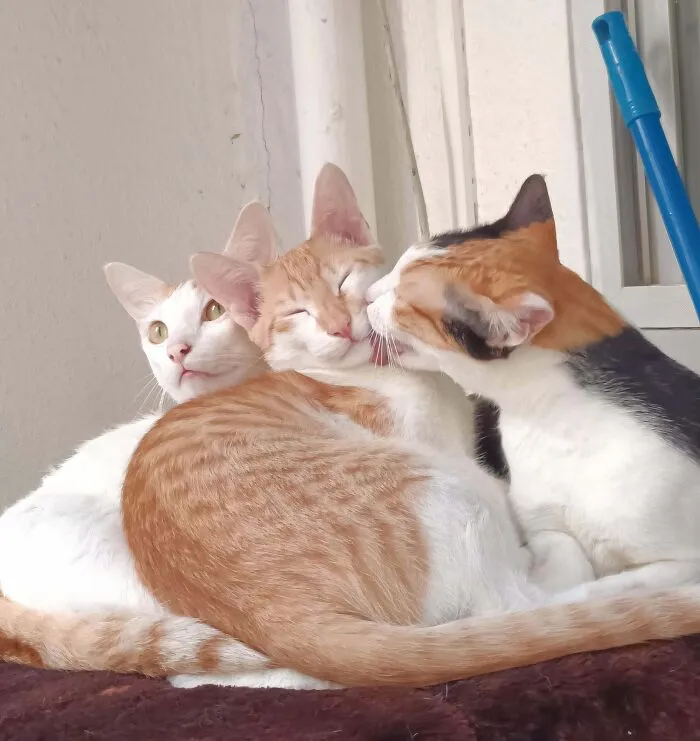
These cats typically sleep snuggled together, groom each other, rub against each other and “play fight.” They are usually comfortable sharing resources like food, water, litter boxes, sleeping and resting places.

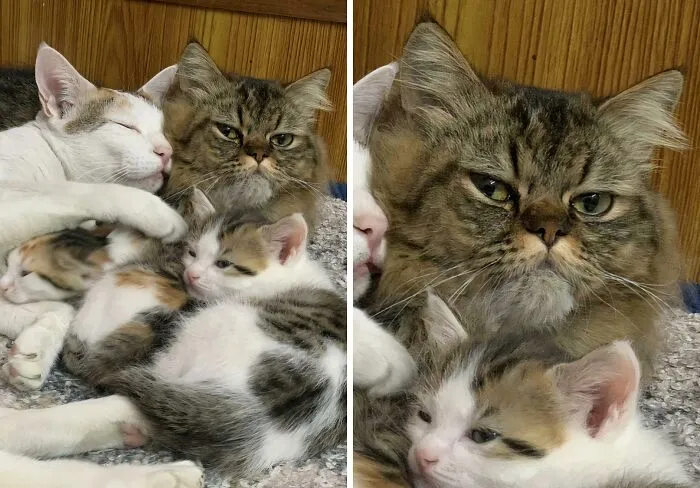
"Once the social groups in the house are identified, it important for the cat owner to monitor how the cats are getting along and intervene, if necessary, to prevent conflict," Meyer cautions. "A cat fight can result in injuries to the fighting cats and the humans who try and manage the fight."
The expert adds that aggression does not need to cause physical injury. Sometimes psychological stress over limited resources can cause illness and behaviors like house-soiling.
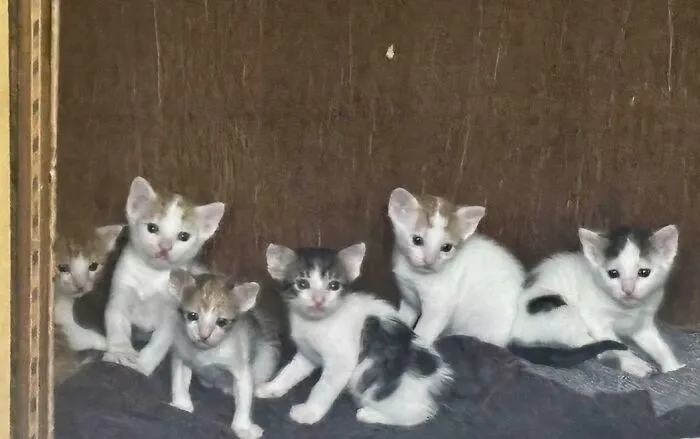
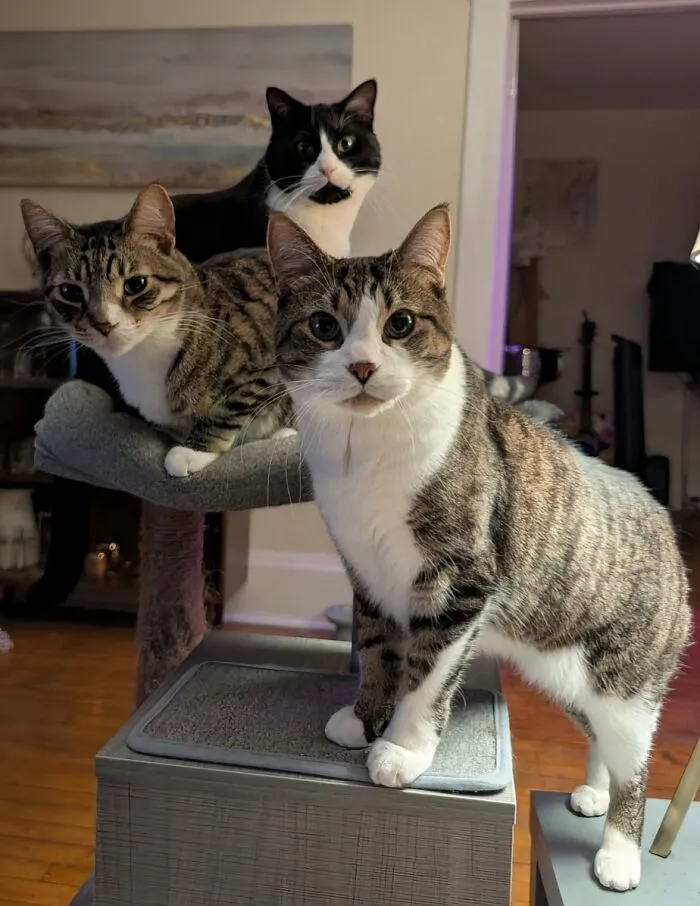
You might think chasing, running away, howling and hissing are the main warning signs to look out for in multi-cat households. But Meyer says there are also more subtle, seemingly harmless 'red flags' such as staring and blocking doorways.
"If you see one of your cats fixing an unblinking stare on another, take note of the circumstances and see what happens if you intervene," advises the expert. "For example, if one cat is staring at another cat and is sitting in a doorway, she may be blocking the other from resources through that doorway."