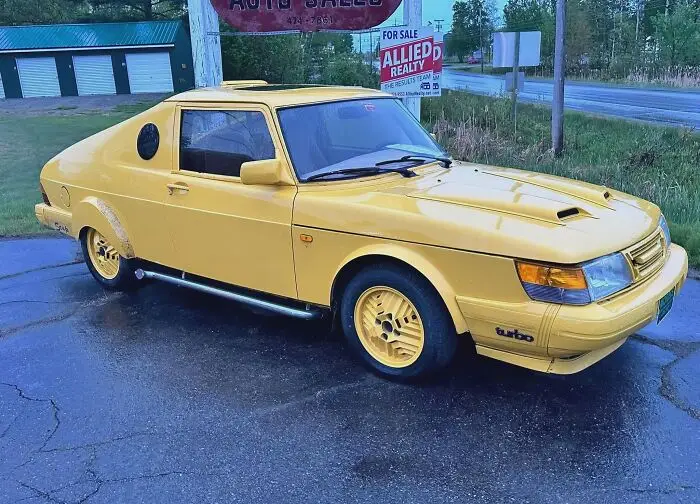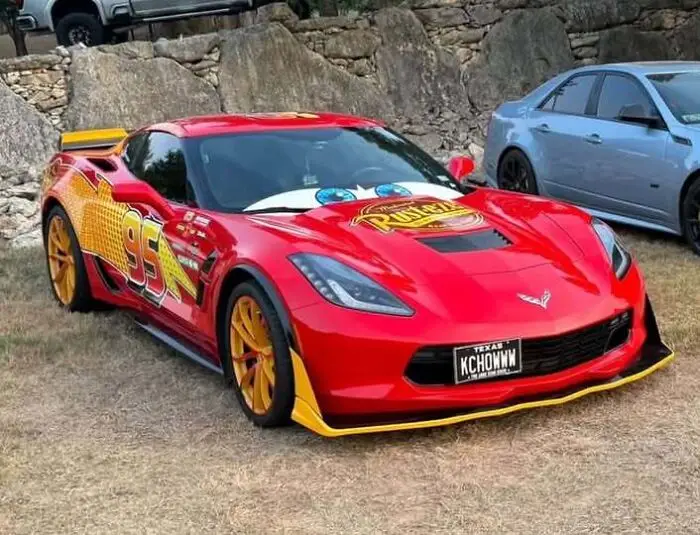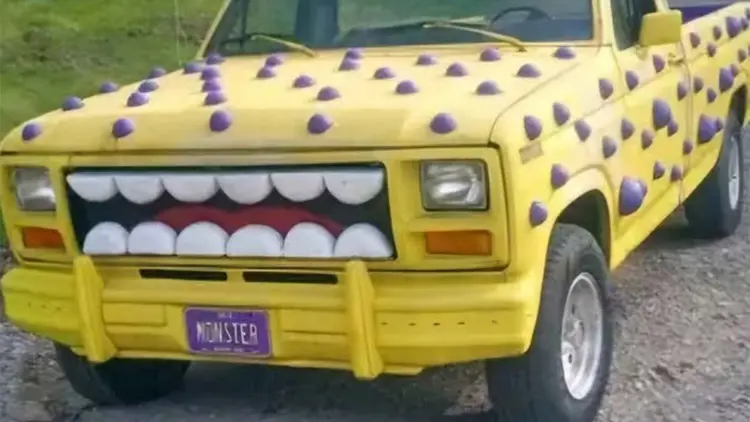


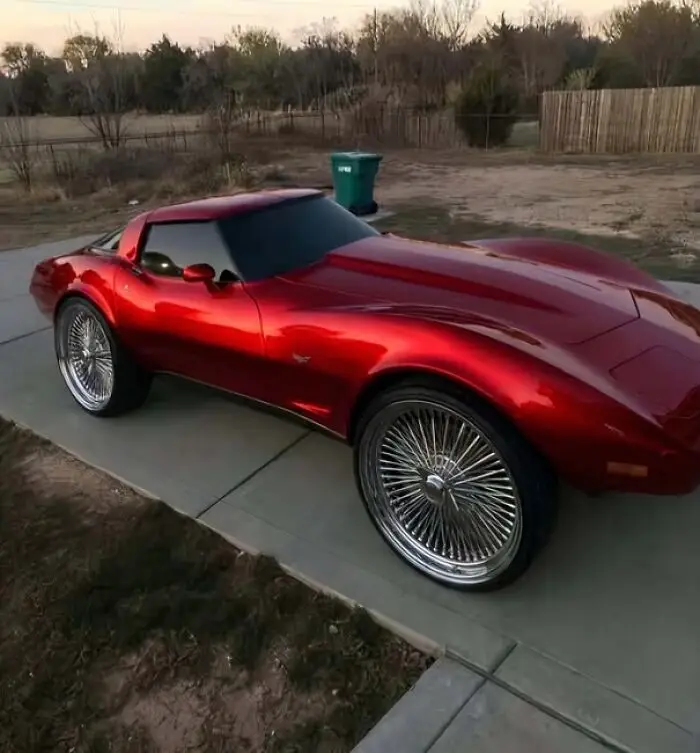
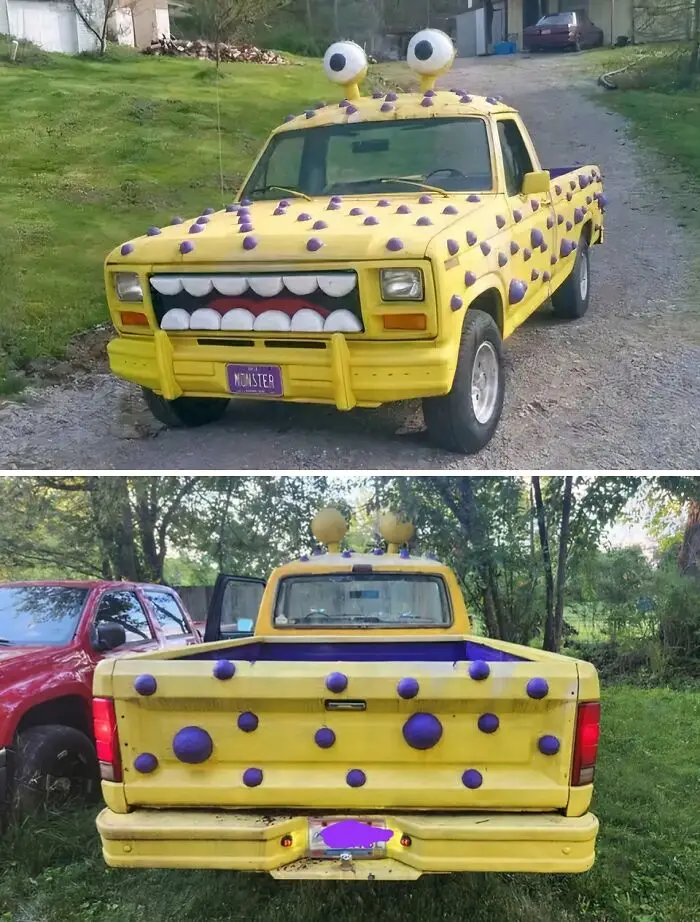
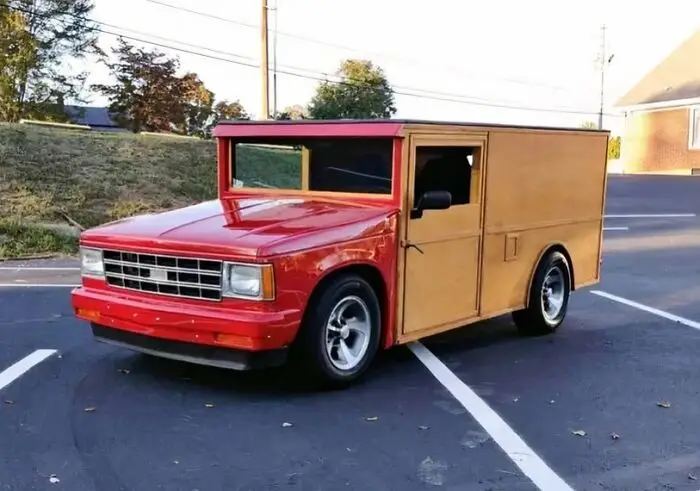
We all know how precious cars can be for some people. From having posters stuck on the wall as teens to saving up and buying their dream car, it’s no less than a love story. And when people finally own the vehicle, they like to make some changes so that it stands out as something that belongs to them.
Whether it’s hanging lucky charms inside or completely changing the look from the outside, some folks love to give it their own identity. Of course, sometimes things can get out of hand, and they might end up with something they regret. However, a few owners don’t even realize they’ve ruined the vehicle, as we can see in this list.
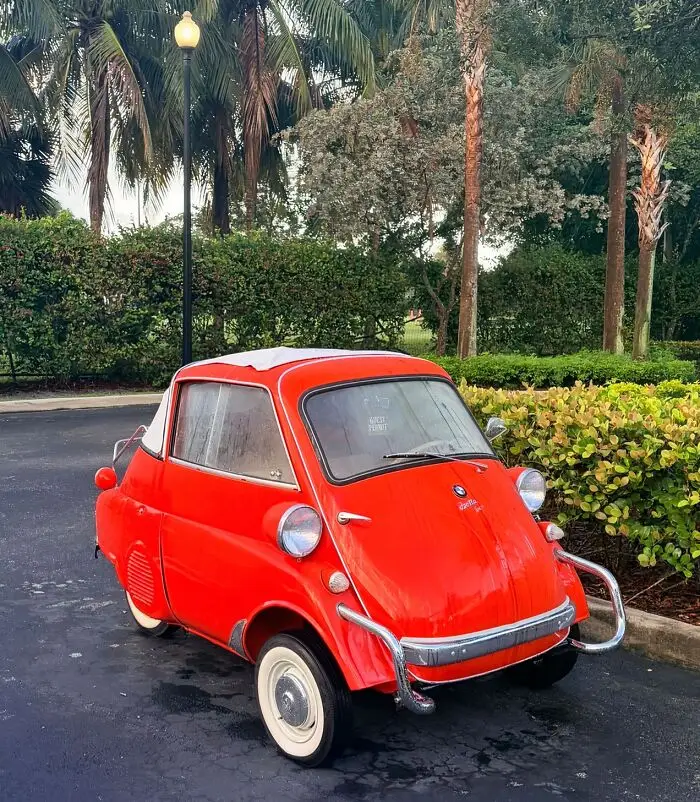

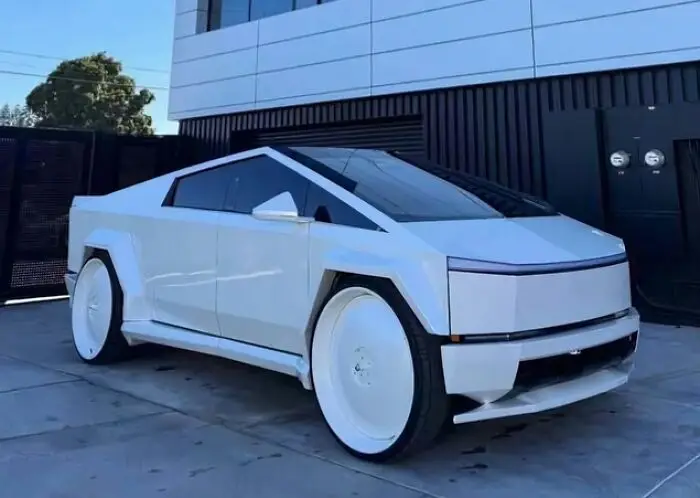
Believe it or not, car customization has a massive market. According to a study by the Specialty Equipment Market Association (SEMA), an estimated 7.9 million enthusiasts aged 16-24 accessorize their vehicles, spending roughly $7.2 billion on upgrades and accessories and representing a sizable share of the $43 billion industry marketplace.
These accessorizers say they get several key personal benefits from their purchases, including a better-looking vehicle (39%), a sense of pride (37%), enhanced vehicle performance (34%), and greater automotive knowledge (33%).
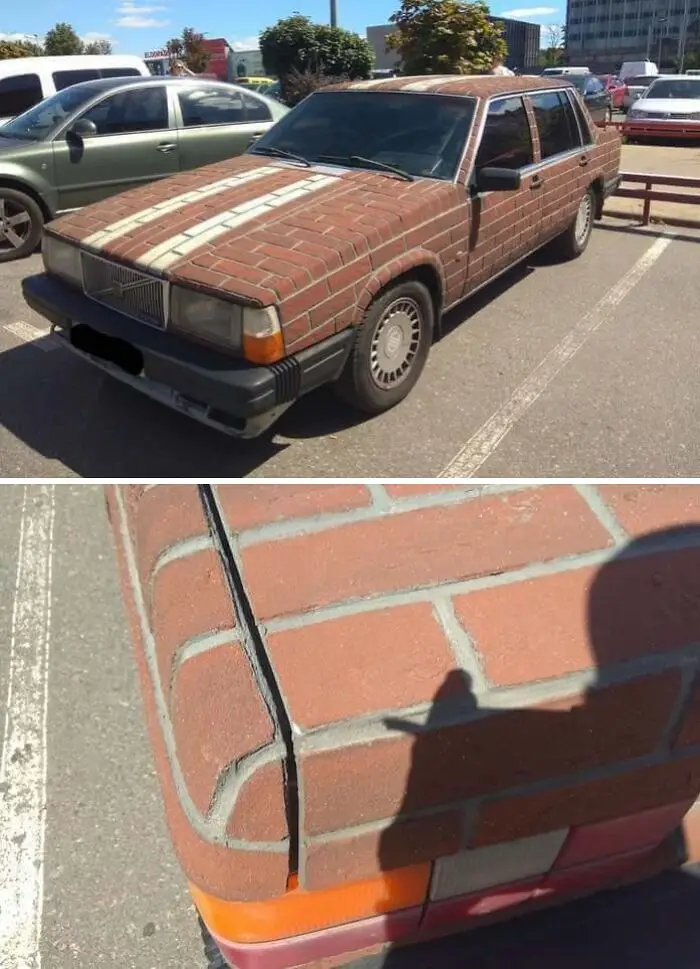
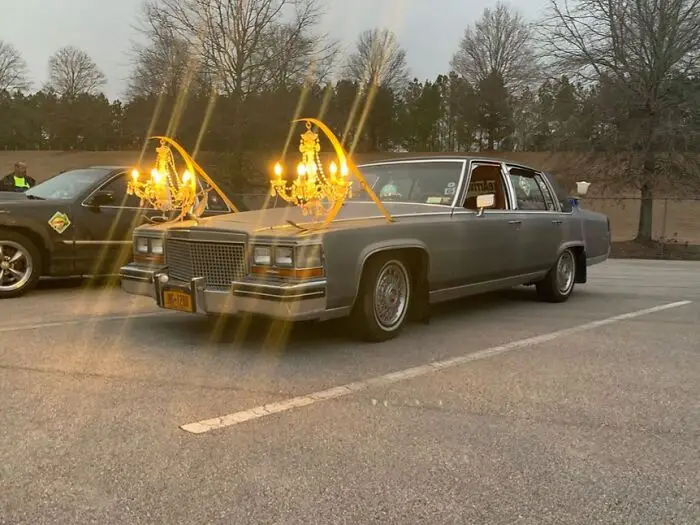
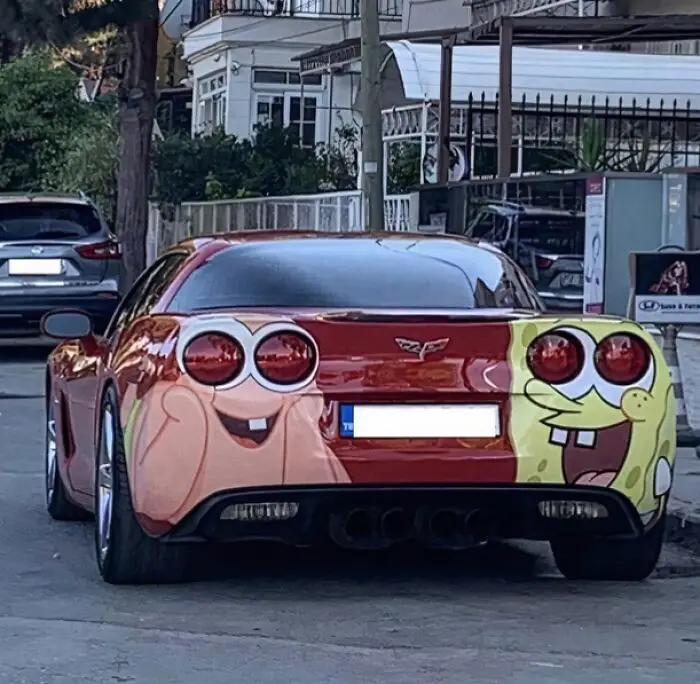
The study also claims that these enthusiasts are creating their own car culture. “It’s about taking pictures of your car and putting them on Instagram,” mentioned Kyle Cheng, the report’s lead SEMA research manager.
“They see their cars less as projects and more as a means to connect with friends. If they do take on projects, they involve their peers, and most feel that they can handle only light to moderate upgrades,” Cheng added.
Meanwhile, Gavin Knapp, SEMA director of market research, explained, “This group wants to do something cool and get the picture up on social media. Even with engine mods, they want to do those things they can take pictures of and look cool.”

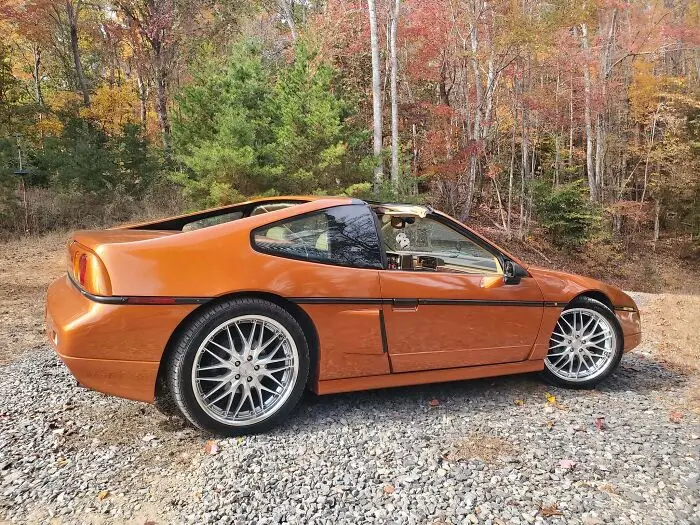
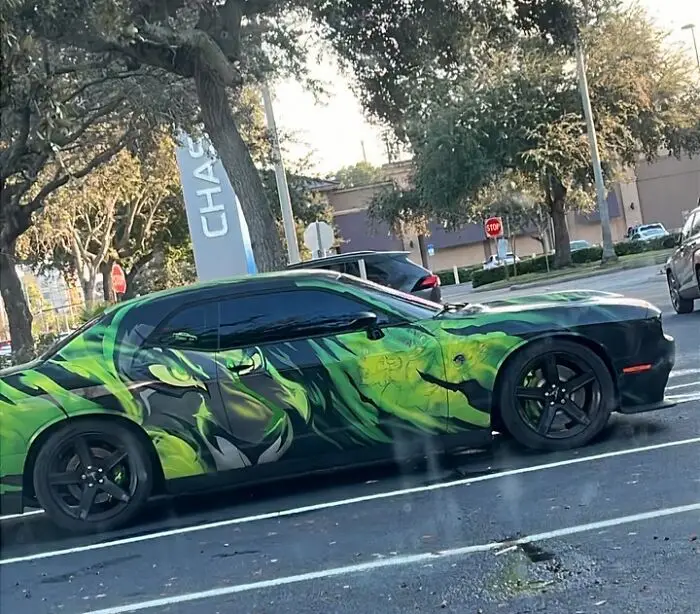
Well, car customization might be an “Instagrammable” activity today, but it is nothing new. In fact, Performance Auto & Sound Magazine (PASMAG), an automotive industry expert, notes that the roots of car modification date back to the early 20th century.
It turns out that back in the 1920s and 30s, American enthusiasts began stripping down their cars to make them lighter and faster. It adds that they often scavenged parts from junkyards, giving birth to a do-it-yourself tinkerer’s ethos that still permeates car culture today.

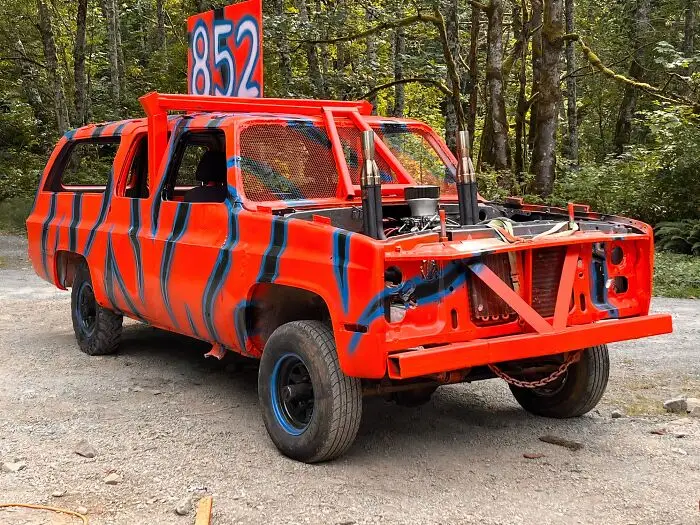

It also states that the post-World War II era marked a significant turning point in the extent of available car modifications. Soldiers returning from the war effort brought home newfound mechanical skills and a penchant for innovation.
The 1950s and 1960s then saw the rise of custom car culture. However, in the 60s and 70s, the effect snowballed. It’s worth noting that from the 1920s to today, every generation has left its mark on car customization culture.
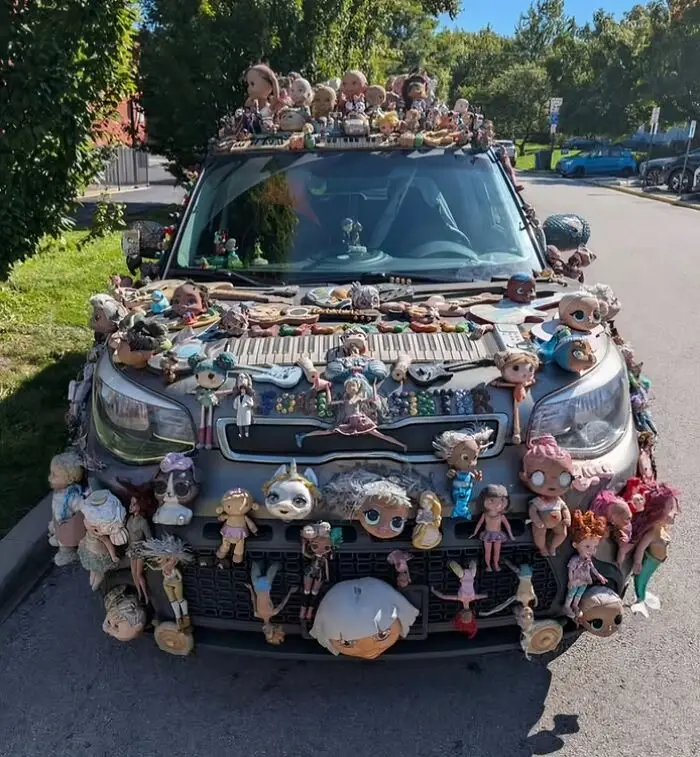
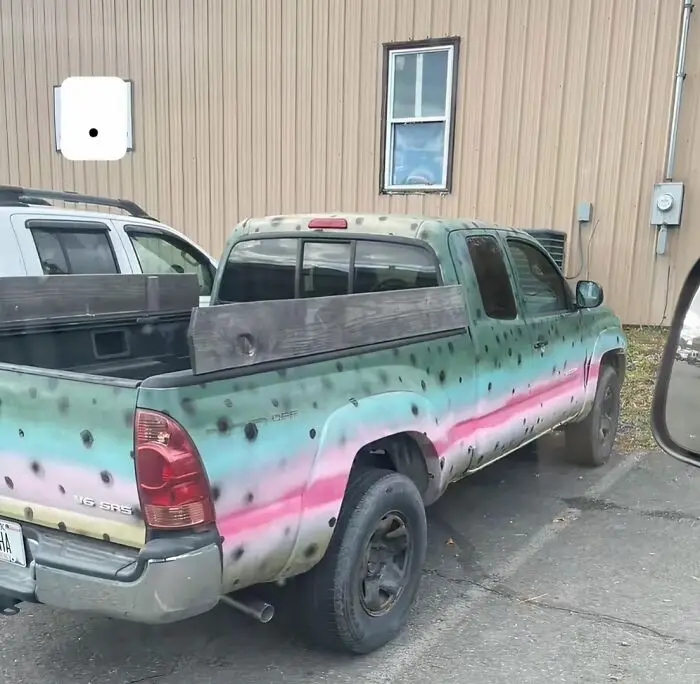
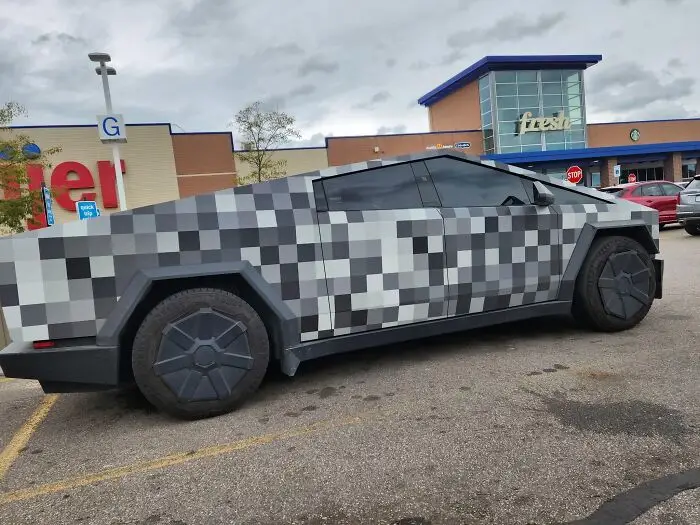
Some exceptional customizations look like art. And it’s important to do what you love, whether it is something as simple as painting or turning your car into a masterpiece.
Research emphasizes that taking time for activities that make you happy can improve mental health. Spending quality time on activities you enjoy also improves your performance in your professional life. It improves your creative problem-solving abilities, helps you build better relationships with your coworkers, and makes you more empathetic.