

Chris also shared some of the benefits we can experience from developing a greater attention to detail. "The primary benefit is better outcomes," he told Bored Panda. "You can pick what the 'better outcome' is for the situation at hand. That could be a better birthday party you planned, correctly completing all the fields in a form, creating excellent quarterly reports, coming up with a better sales strategy, better product innovations, getting a raise, or maybe just getting to keep your job for now (and getting the raise later)."
"There's an old saying that goes, 'There are two ways to do things — right or again'," Chris shared. "When you get more things right, you waste less time. You get to move on to the next thing instead of re-doing the last. Next, people with greater attention to detail not only complete tasks and/or projects more correctly and accurately, but they tend to do them better. This is especially relevant for projects where more creativity and/or qualitative features/aspects can be added. They tend to have thoughts such as, 'It looks good like this, but if I also did this is would be outstanding'."
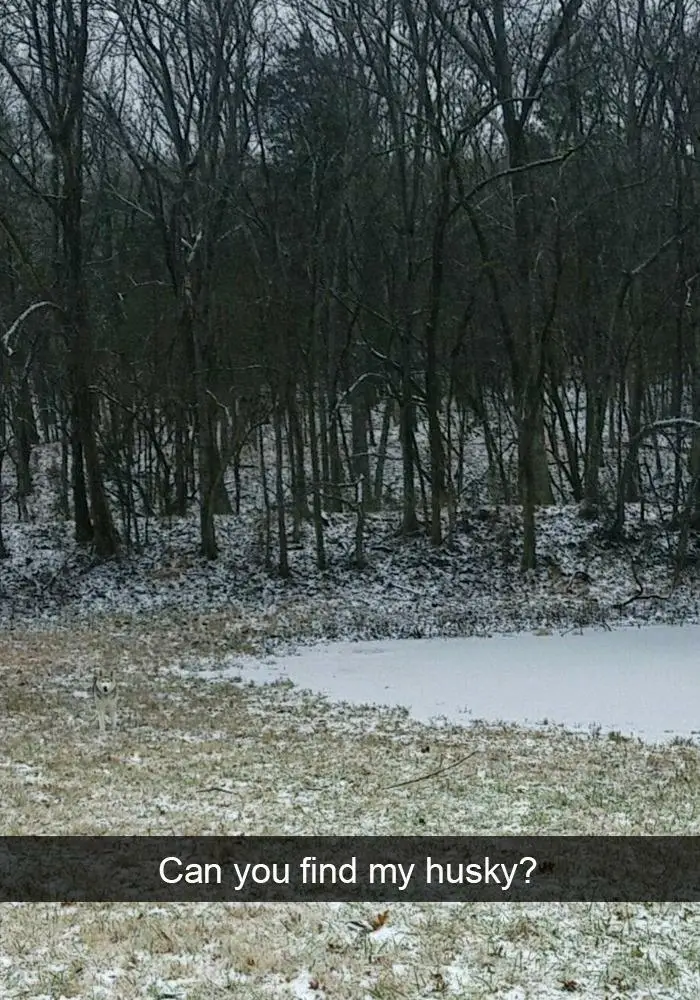
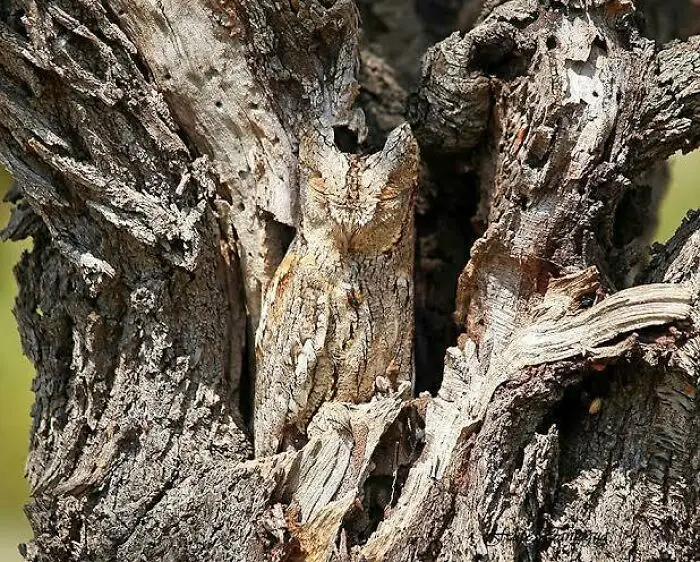
"There are actually three types of attention to detail: Contrastive, Analytical, and Additive," Chris added. "Contrastive is about identifying and processing elements that have only one solution. It's either right or wrong. Analytical attention to detail is about finding solutions by identifying as many of the contrastive elements as possible and processing them to identify a great solution, and there are likely multiple possible 'great' solutions. It's up to you to figure out the best. Additive attention to detail is the most complicated and is about innovation. There are possibly countless great solutions."

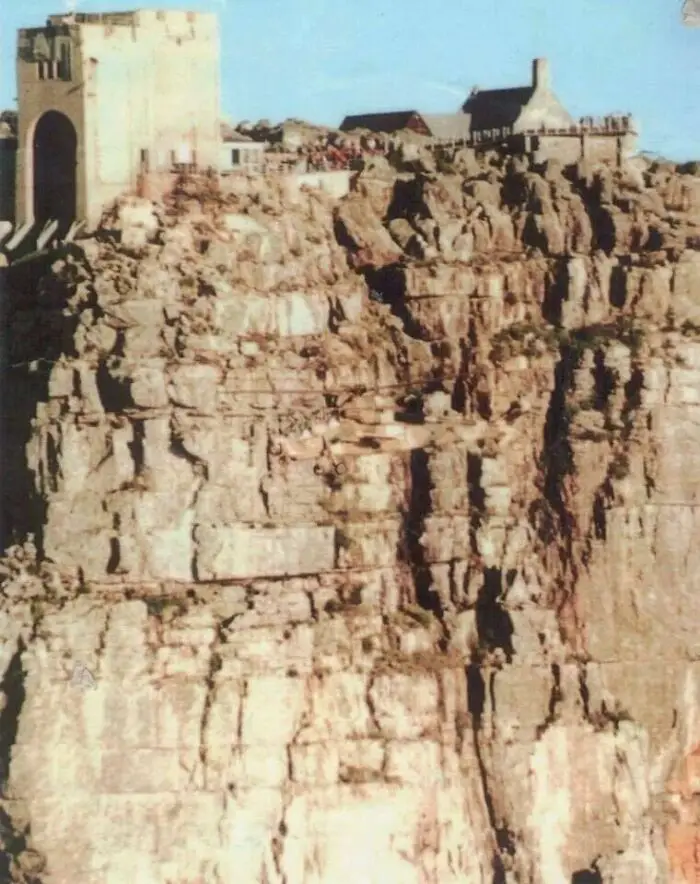

"Whichever type of challenge you are working on, you should be moving toward contrastive," Chris told Bored Panda. "Regardless of how complex the challenge, you should be breaking it down into its contrastive elements. Doing so ensure you are identifying more possibilities, removing the need for expert knowledge (and widening the opportunity for more people to help), and enabling systemization."
"People tend to use phrases such as 'pay more attention to detail' or 'you need to be more detail-oriented' for all three types of situations," Chris says. "But, if you think about the situation or task at hand and label it as one of the types of attention to detail (contrastive, analytical, or additive), the demand/instruction/guidance gets much more specific and useable — and solutions begin to present themselves."
If you'd like to learn even more from Chris Denny, the attention to detail expert, be sure to visit his company's website right here!
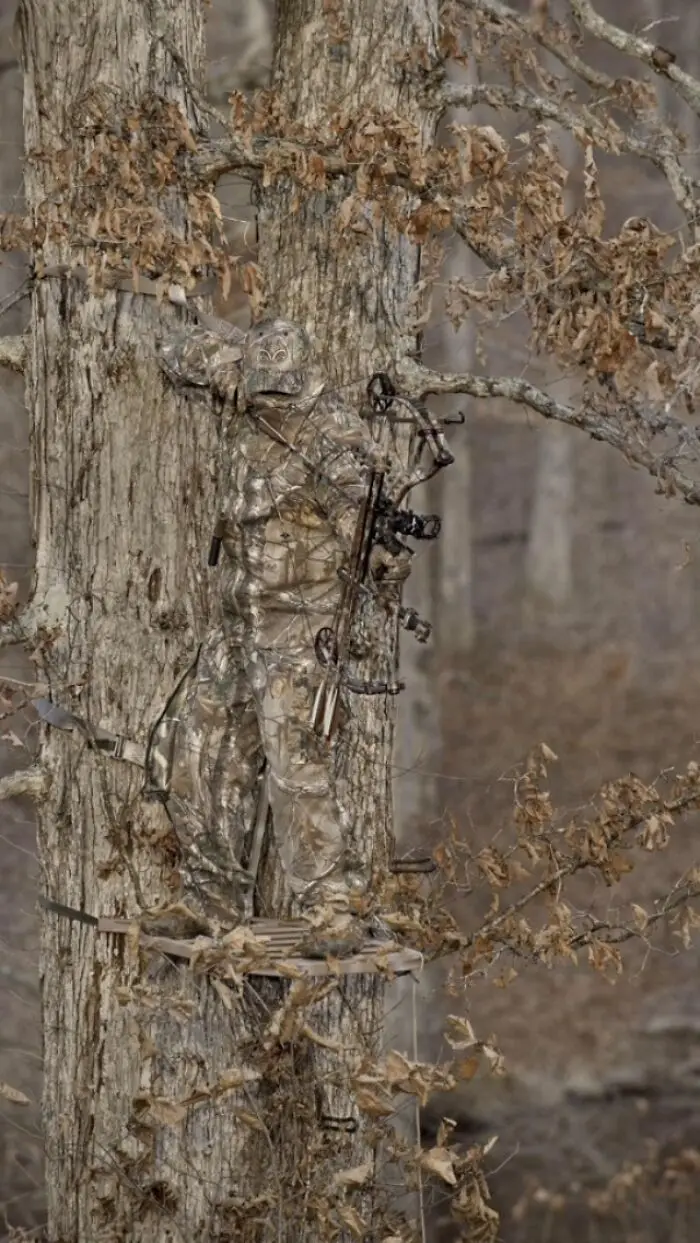

We hope this list hasn’t given you too much of a headache, but remember that using your brain is good for it! (And if you really can’t figure any of them out, look to the comments!) Keep upvoting the pictures that have you stumped, and let us know in the comments if you’ve ever taken a photo that had a surprising hidden element. And if you’re looking for even more pics that will make you do a double take after you’ve finished this list, you can find another article featuring “when you see it” pictures right here!





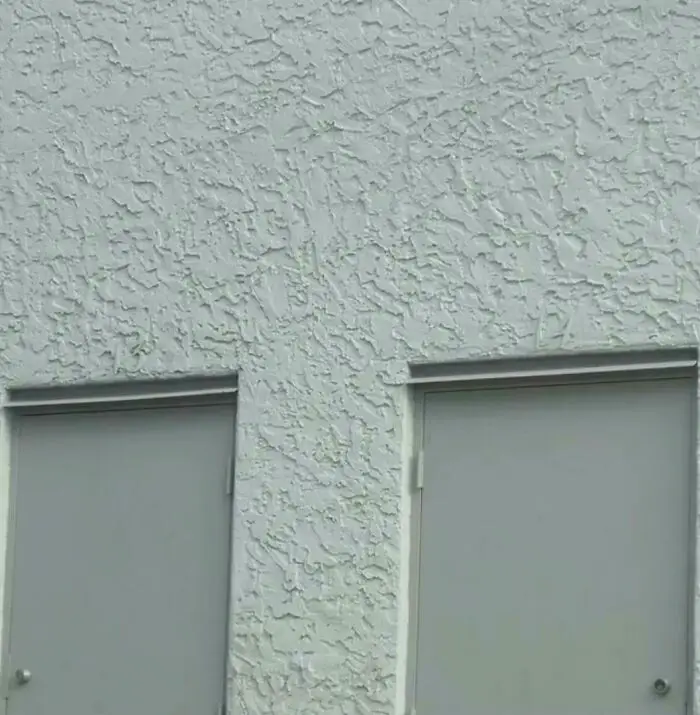

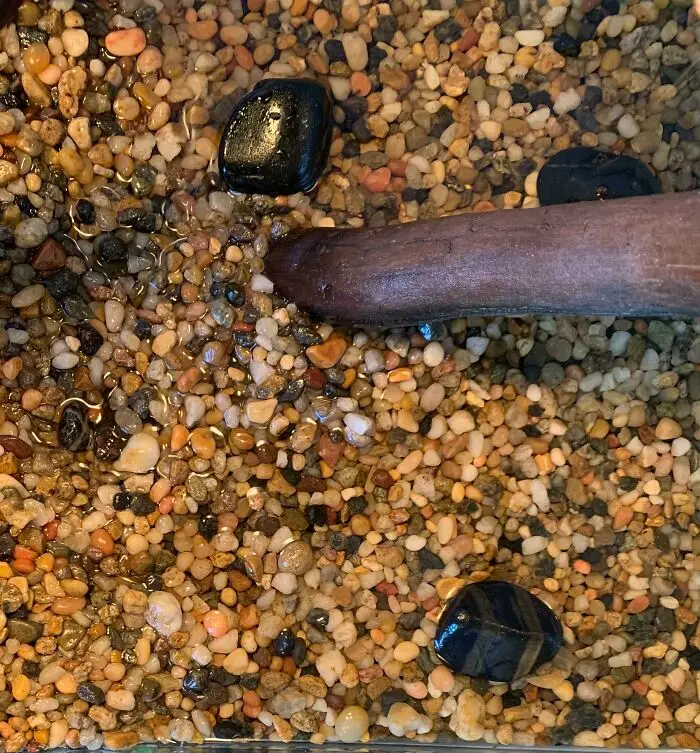
#40 Thought My Frog Escaped For A Good 20 Minutes This Morning. Not Too Difficult