

It’s good to have friendly relations with your colleagues, it makes the workday a lot easier to get through. But it’s a little too easy to cross some lines and boundaries and make things uncomfortable for everyone.
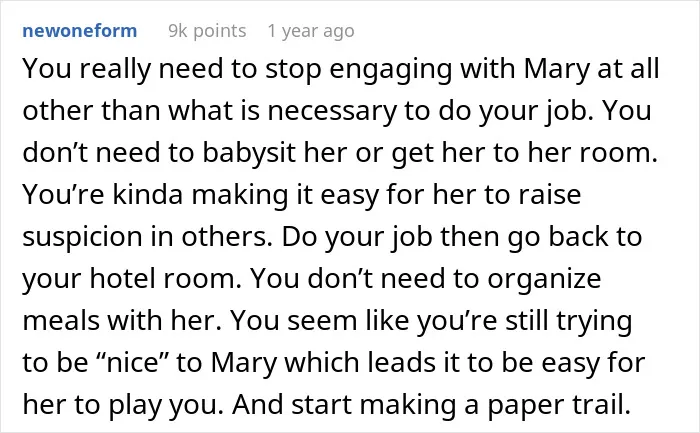
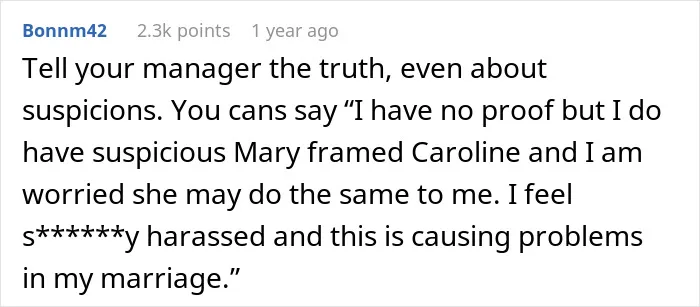
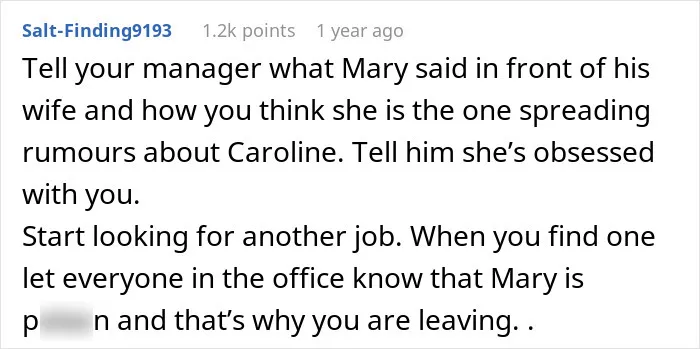
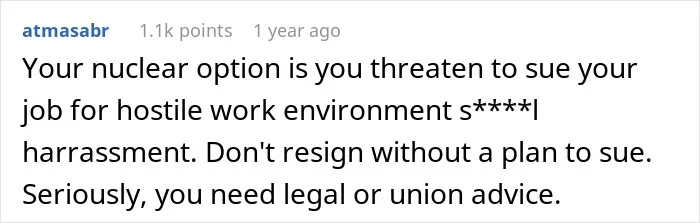
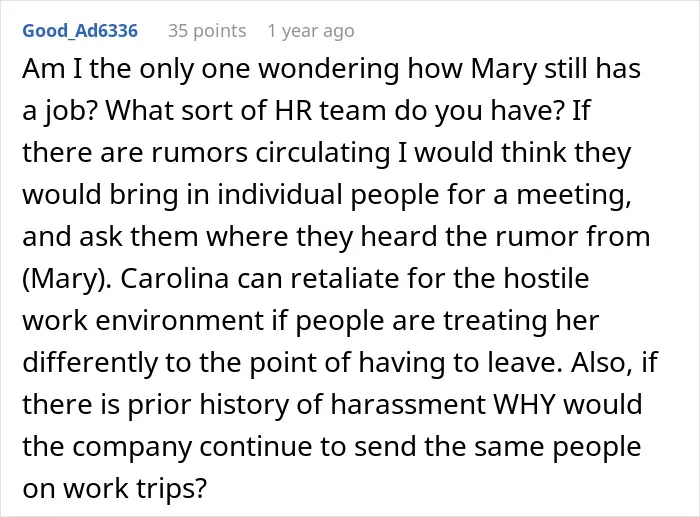
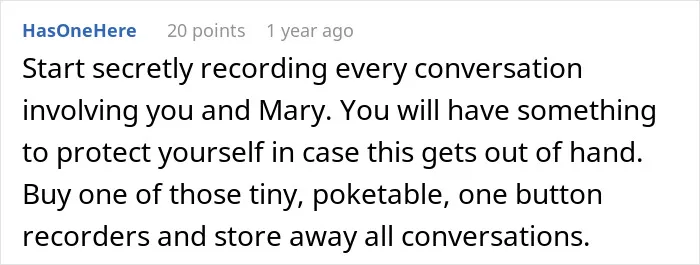
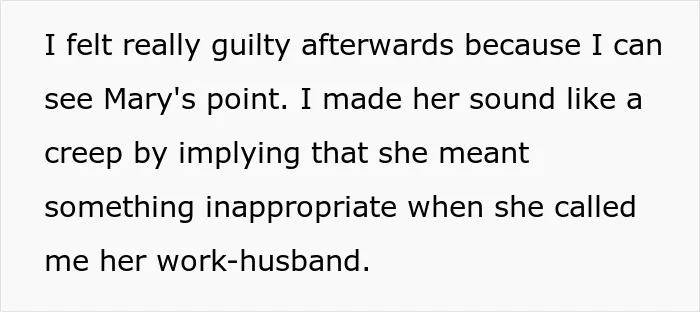
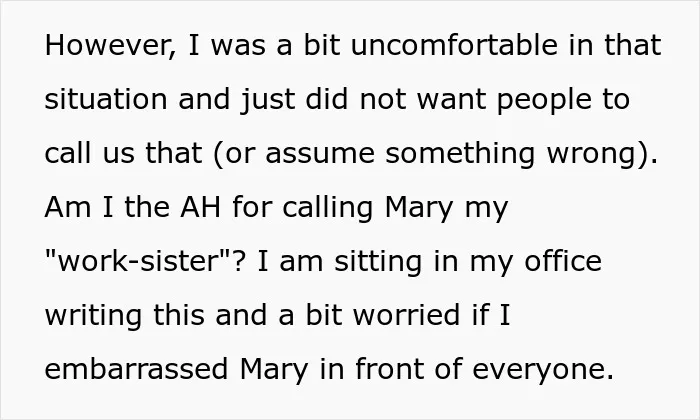
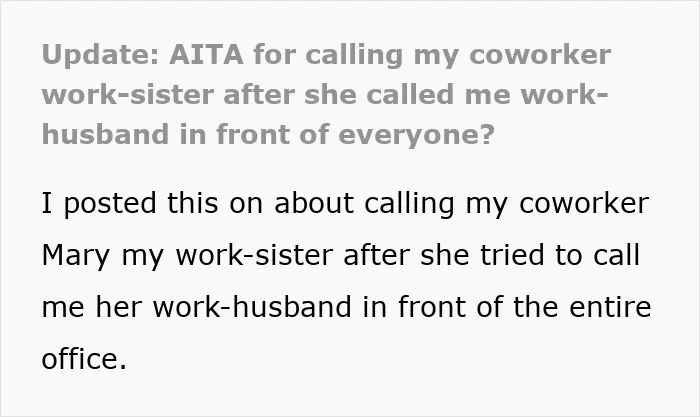
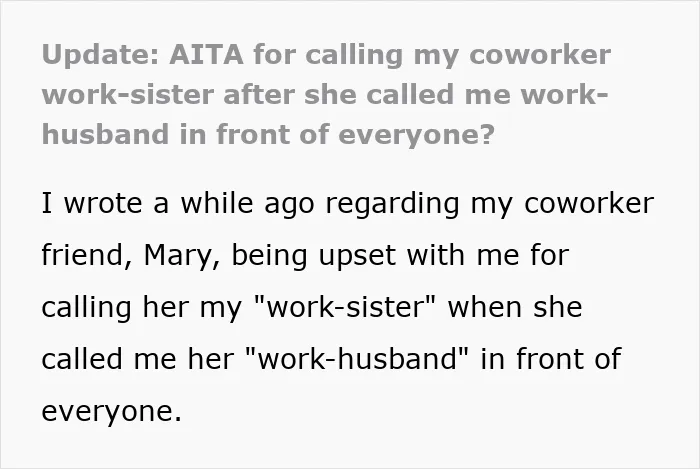
A man asked the internet if he went too far when he referred to his coworker as his “work sister” after she very publicly called him her “work husband.” People online weighed in on how close this was to an HR violation and later the man returned with an update on what happened next.
Some coworkers don’t know how to maintain normal boundaries

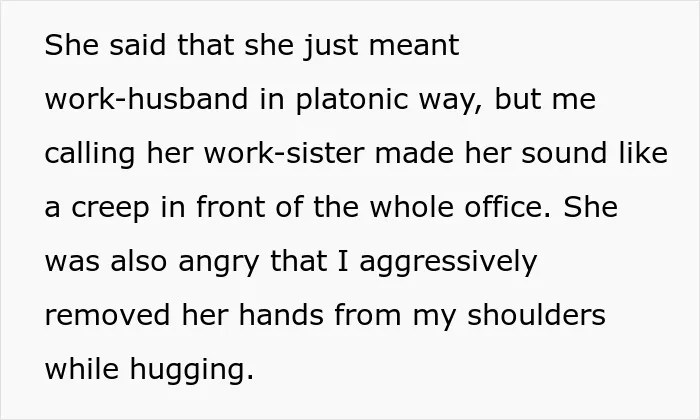
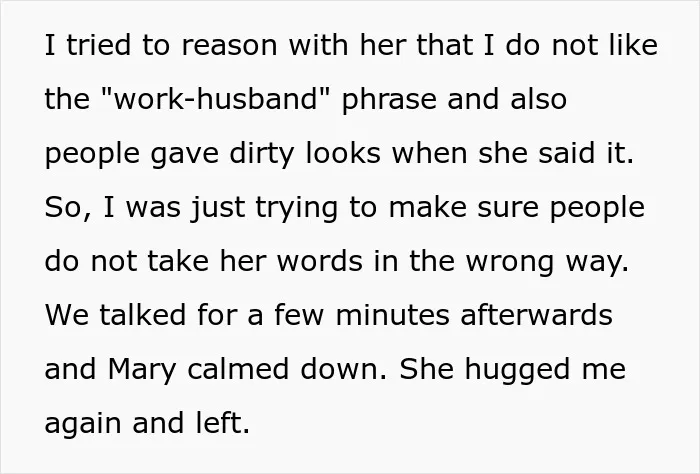
So one man had to call out his colleague for calling him her “work husband”


Calling someone a work spouse is older than you might think
The phrase "work wife" is older than most people assume, and its first life was far less cozy than the sitcom version. According to The Atlantic, the history of the term "office wife" dates back to the second half of the nineteenth century, when it described a close working bond between a powerful man and his assistant. By 1929 it was the title of a Faith Baldwin novel about a wife, a husband, and a secretary tangled up in infidelity. So the original office wife arrived with a built in power gap and a whiff of scandal.
The modern, supposedly platonic version took off in 1987, when journalist David Owen wrote a "work marriage" essay for The Atlantic. It reports a survey in which 64 percent of 2,550 employees admitted to having a work husband or wife. Communication researchers M. Chad McBride and Karla Mason Bergen later defined the arrangement as a platonic friendship built on trust, loyalty, and a high level of personal disclosure. McBride told Michigan State's student newspaper that trust ranked first among the qualities people named, because a work spouse is so often a confidant.

Boundaries are still boundaries
So far, so wholesome. The trouble starts with the vocabulary. The Atlantic points out that "husband" and "wife" reliably signal intimacy and exclusivity, but they also imply romance. That is why some people avoid the label in public, and why many of the pairs communication professor Aimee Miller-Ott interviewed only used it when they were alone together. Seen that way, a private joke and a public announcement are two very different things. A label designed for a quiet understanding becomes a statement to a whole room, and the room gets to fill in the blanks on its own.
Then there is the question of consent. A work spouse title only functions if both people have signed on, because it describes a shared relationship. When one person announces it, the other receives a label without a vote, and that person may have real life commitments to protect. McBride's interviews, as reported by the same student paper, found that some work spouses with actual spouses introduced everyone to each other so that trust stayed intact at home. That detail hints at the heart of the issue. The relationship stays comfortable when the people outside of it are in on it too.
Business professor Marilyn Whitman has described a work spouse as an exclusive, intimate, platonic bond. That essay's author argues these relationships routinely cross lines. Plenty of people would dispute that, and many pairs say it is simply close friendship with a funny name. Still, "somewhere between platonic and romantic" is exactly the zone where bystanders start to wonder, and where a person can feel pulled into a gray area they never agreed to enter.

That is also why this story has no clean villain. One coworker used an affectionate shortcut in a loose, social setting, with a drink in hand and an audience nearby. The other used a different shortcut to reset the boundary, and did it just as publicly. Each move crossed a line from a different direction. The first set a label without asking, and the second corrected it in front of everyone, which carries its own sting. Both were reaching for speed when what the moment needed was a quiet conversation about what each person is comfortable with. It is worth noting that the person on the receiving end of the hug had a legitimate reason to want the label gone, and the person who gave it had a legitimate reason to feel humiliated when it was swatted away.
If you have an office friend with a nickname, there is a simpler path. Career coach Roy Cohen has suggested saying "work partner" instead, according to Hospitality Net, which keeps the warmth and the platonic message without borrowing the vocabulary of marriage. The takeaway is a small one. Check that the other person actually likes the nickname, and check that it will make sense to everyone else standing in the room.
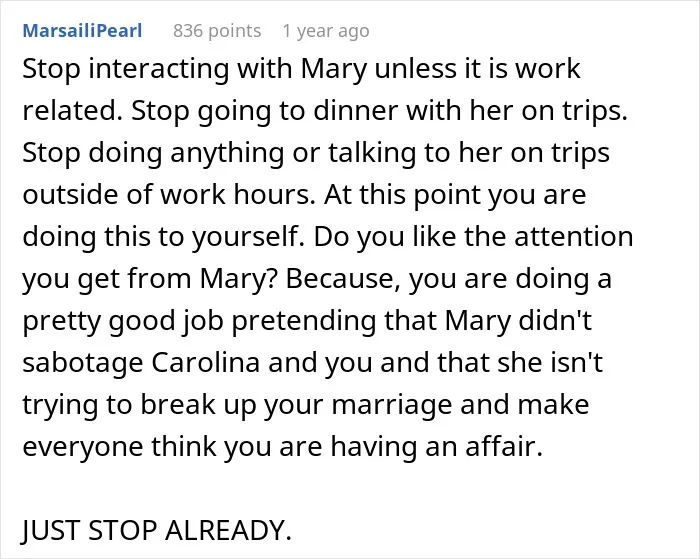
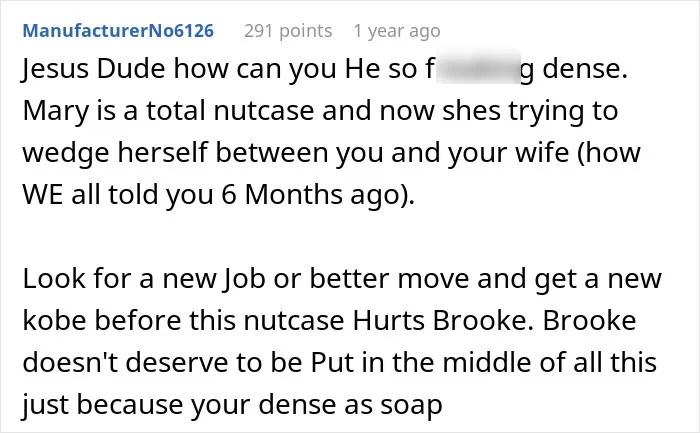
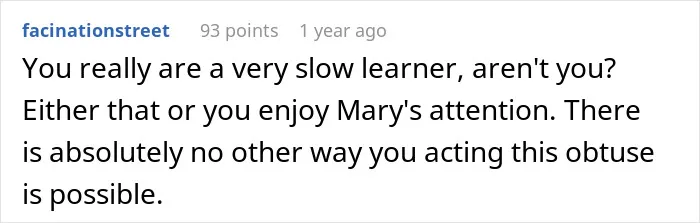
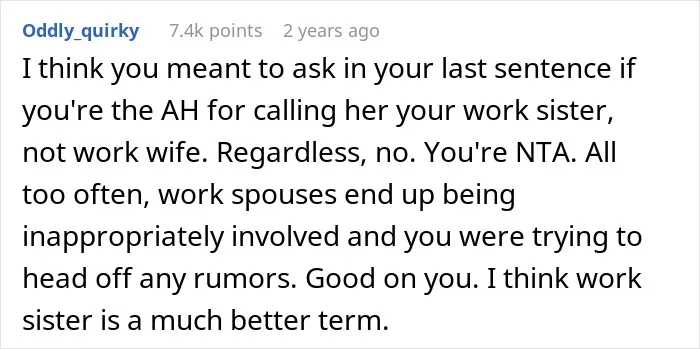
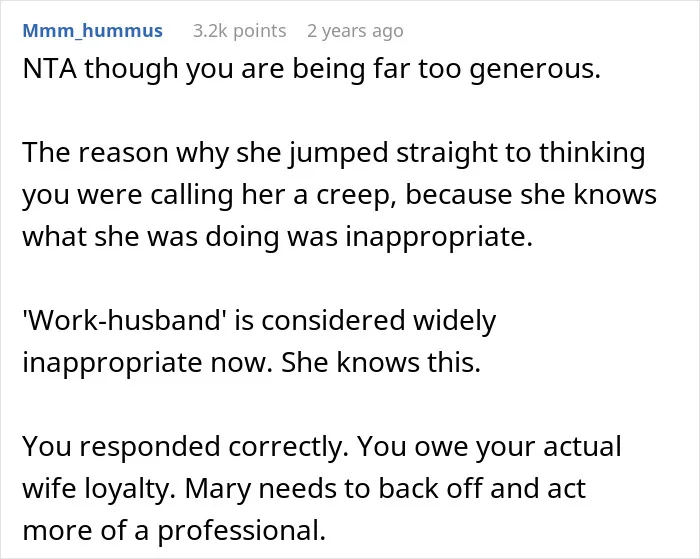
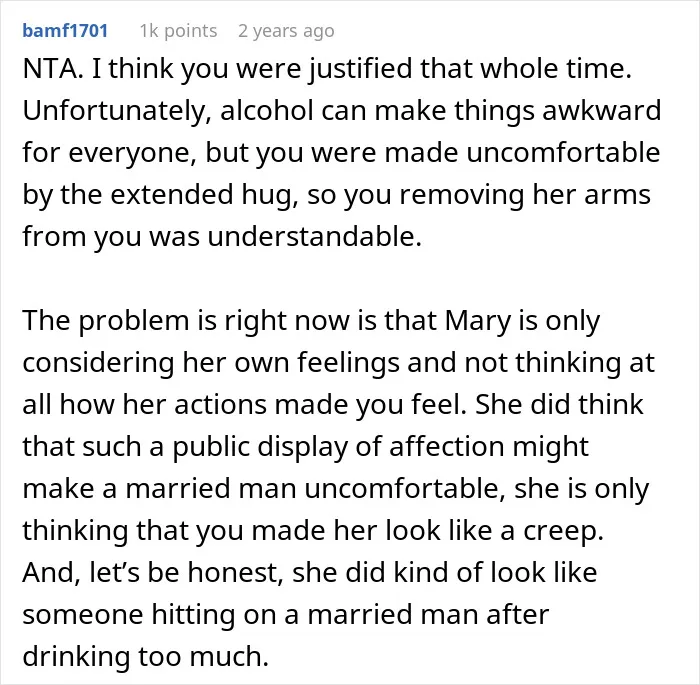
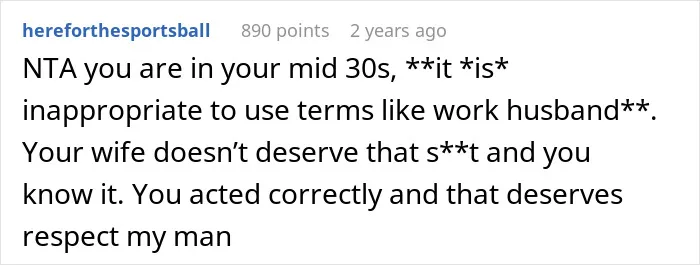
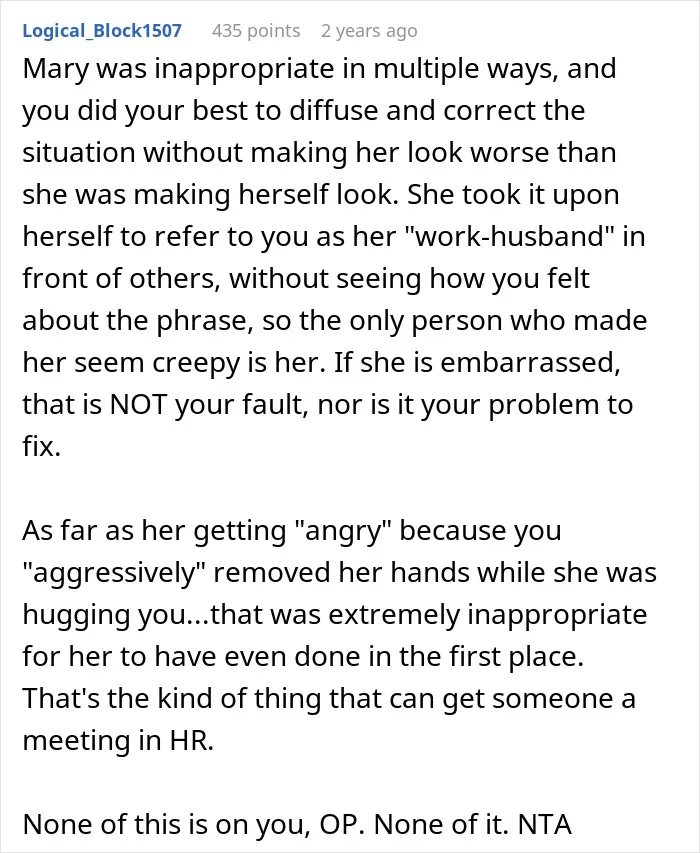
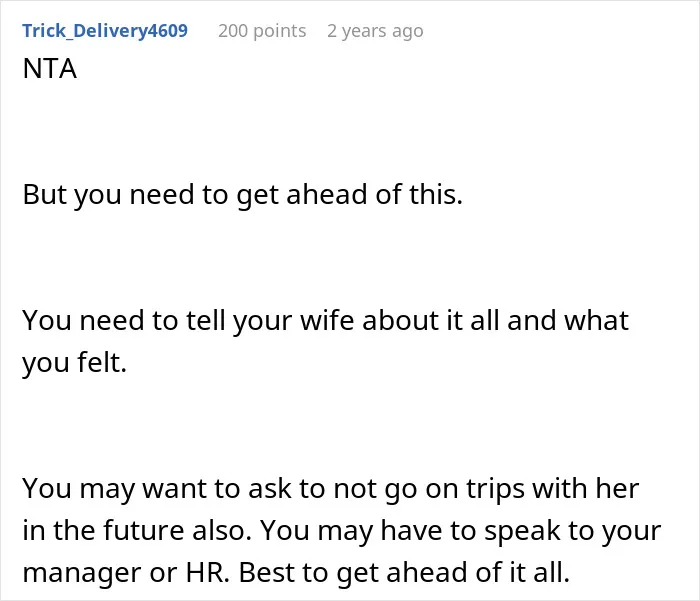
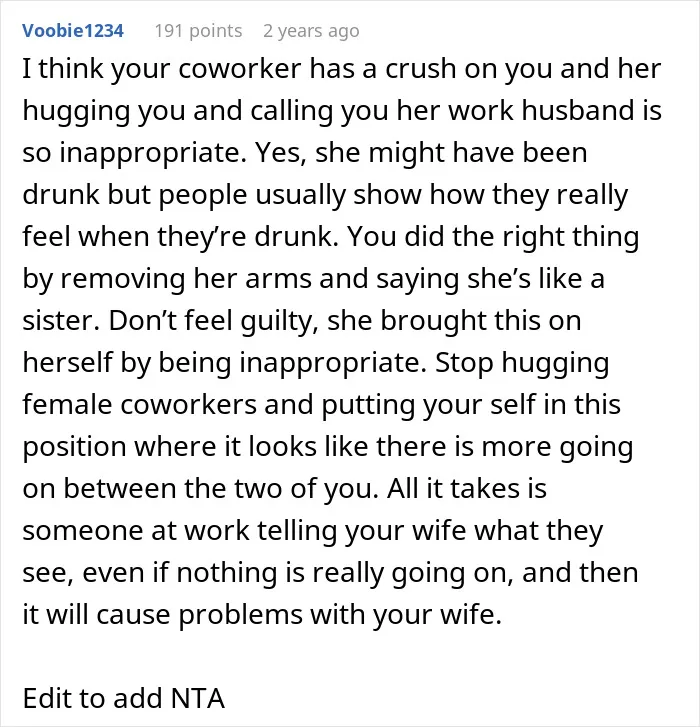
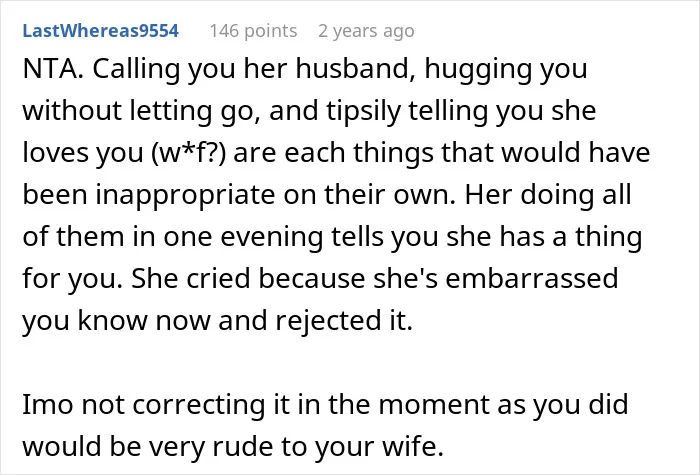
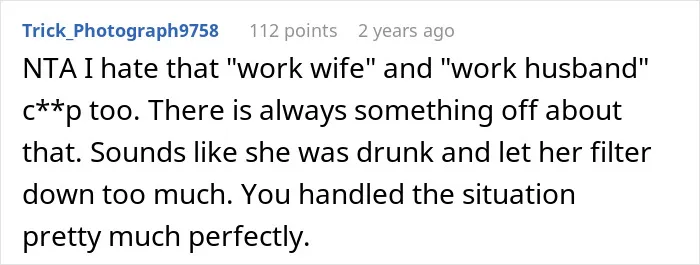
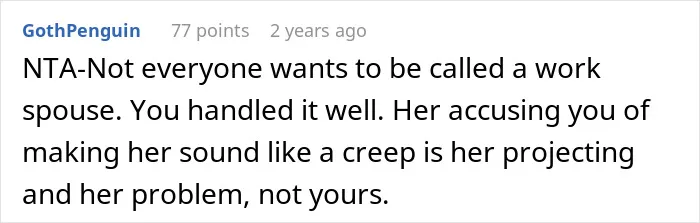
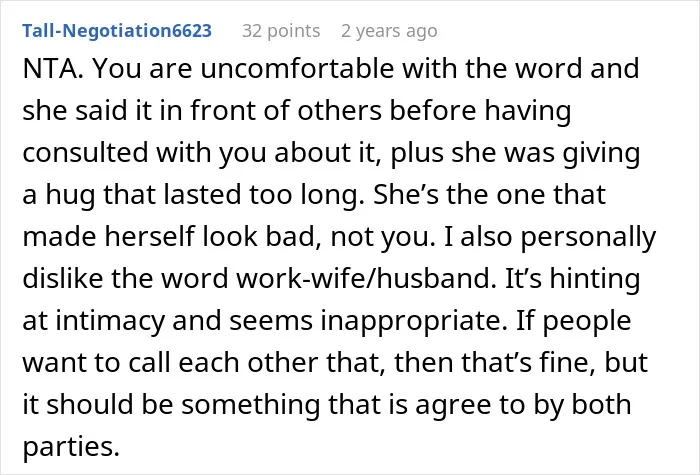
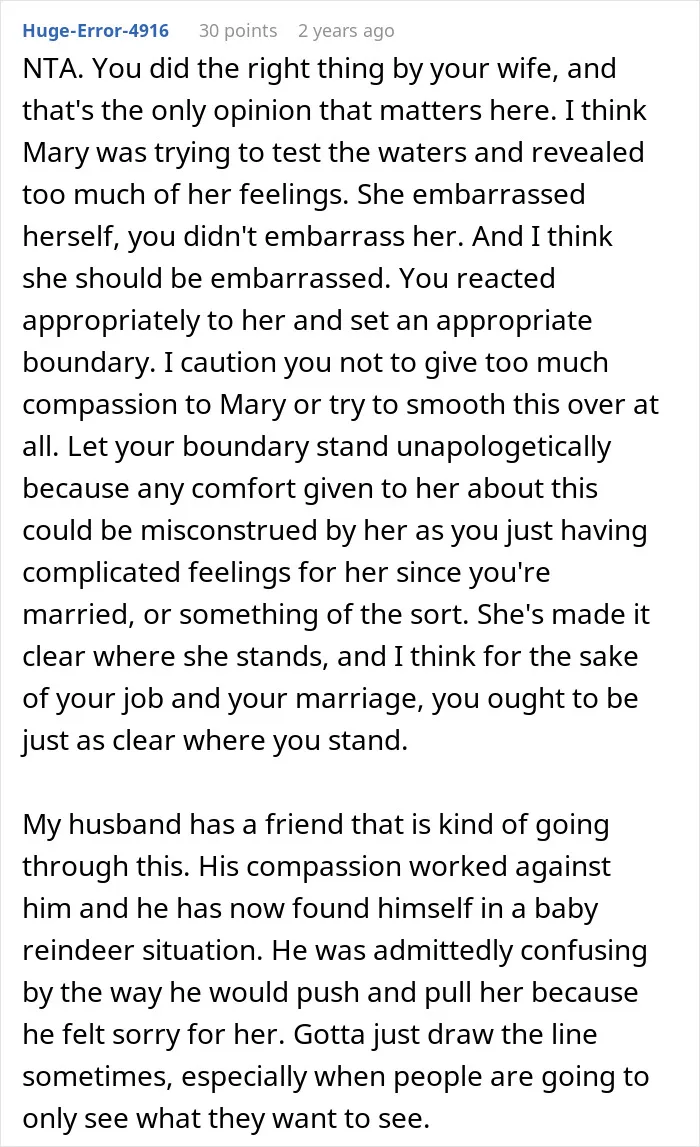
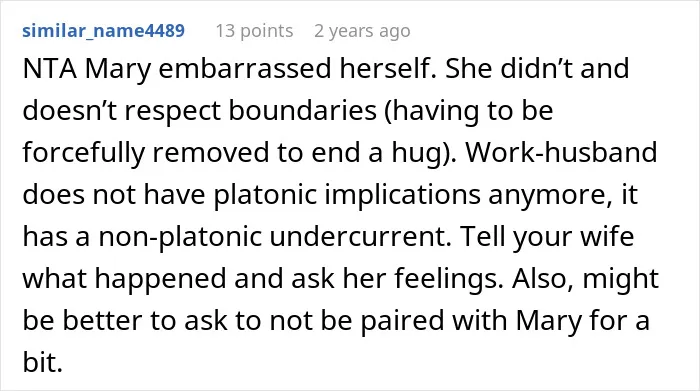
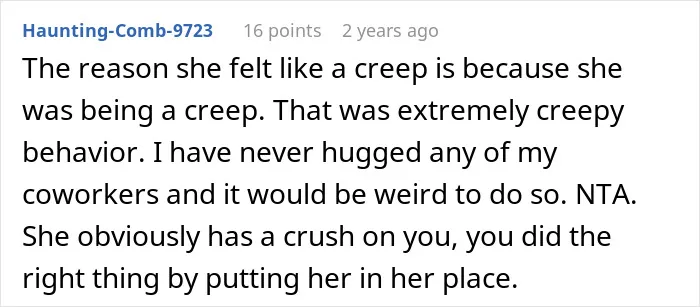
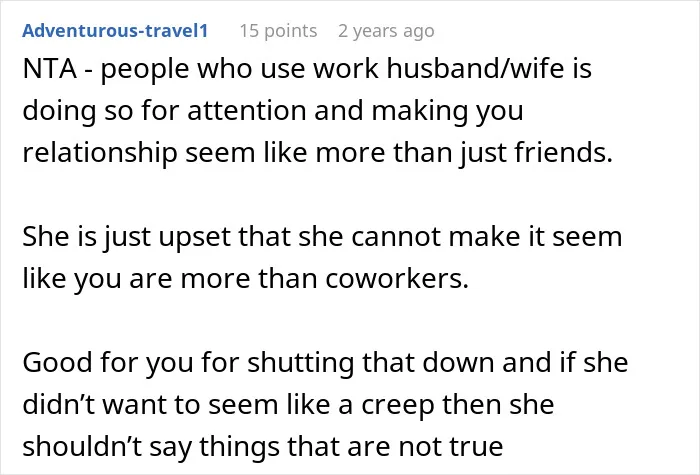
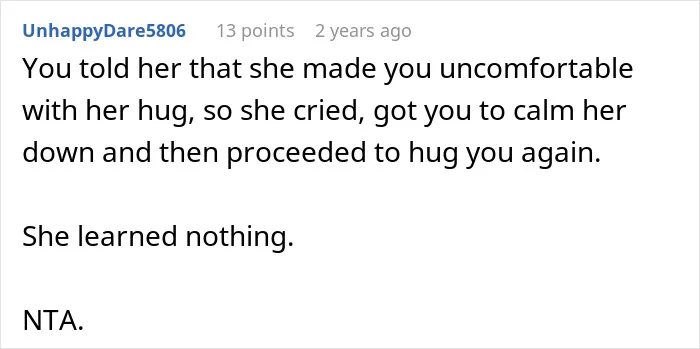
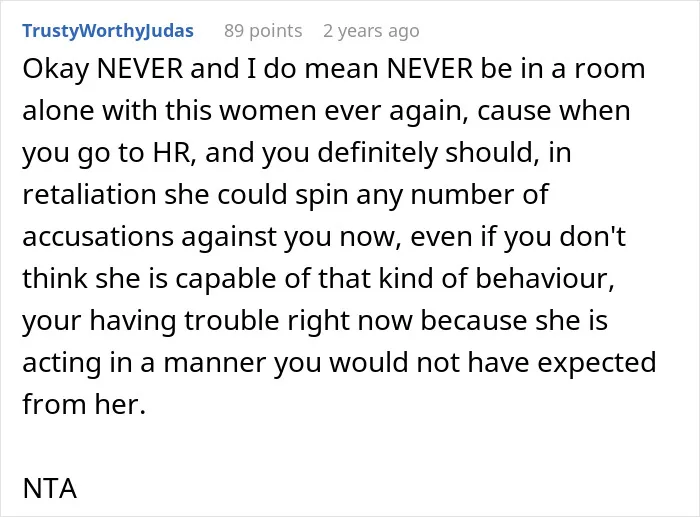
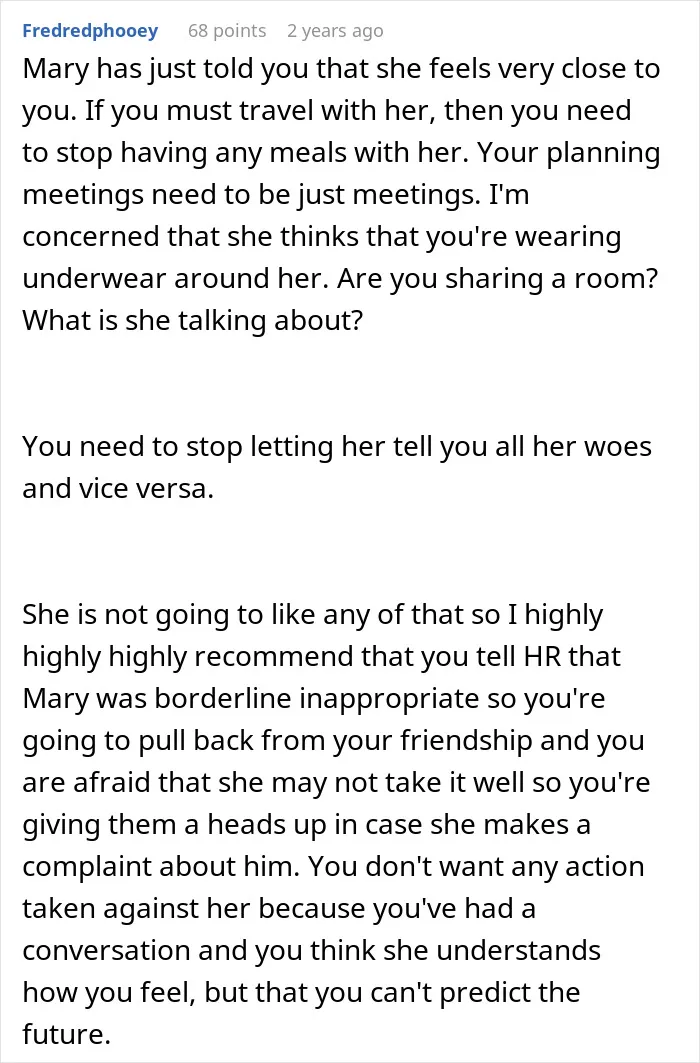
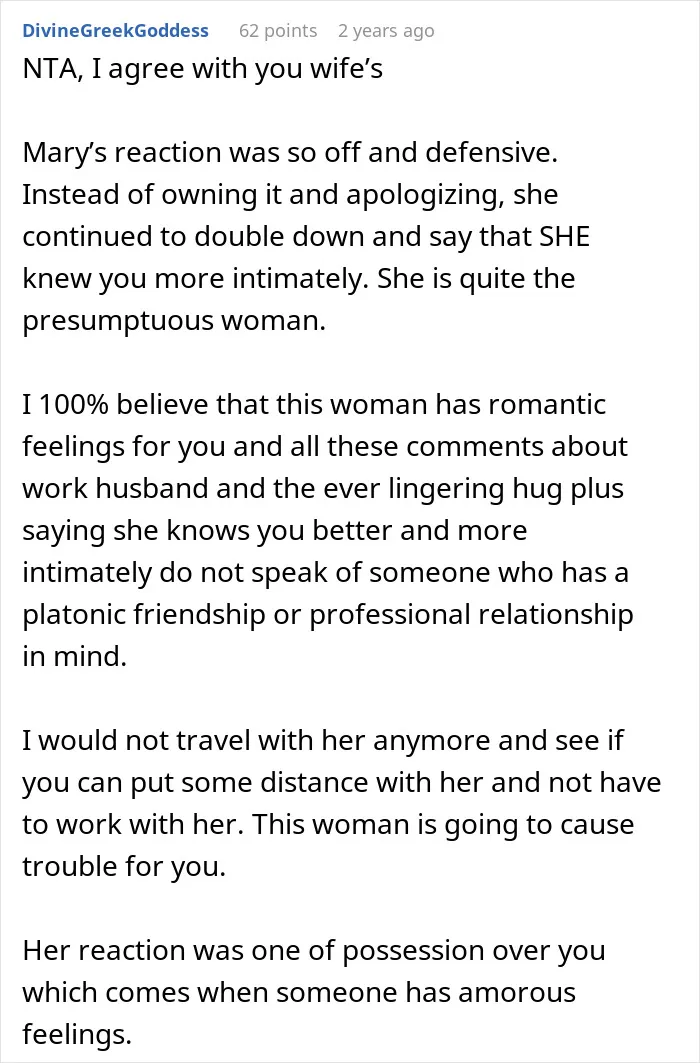
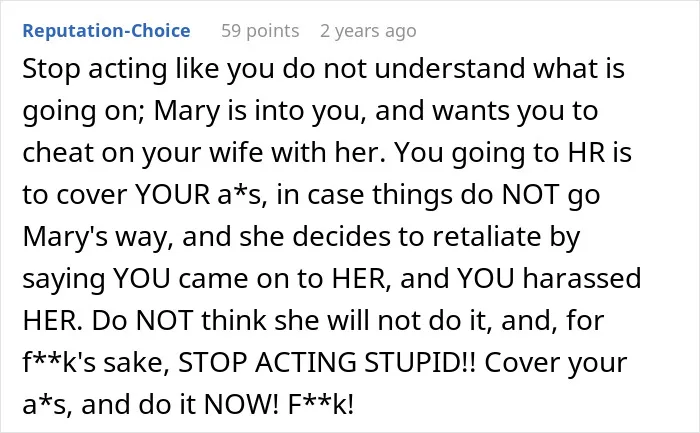
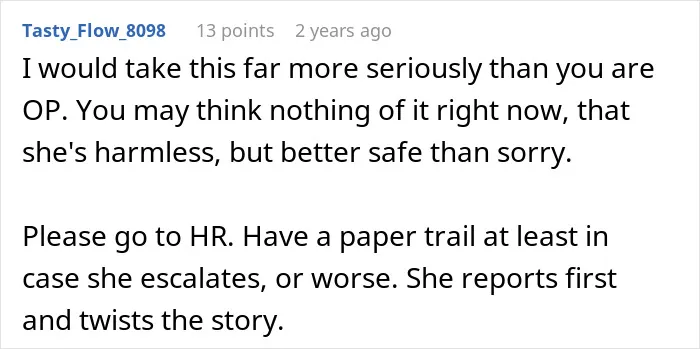
Many readers thought she crossed some lines first
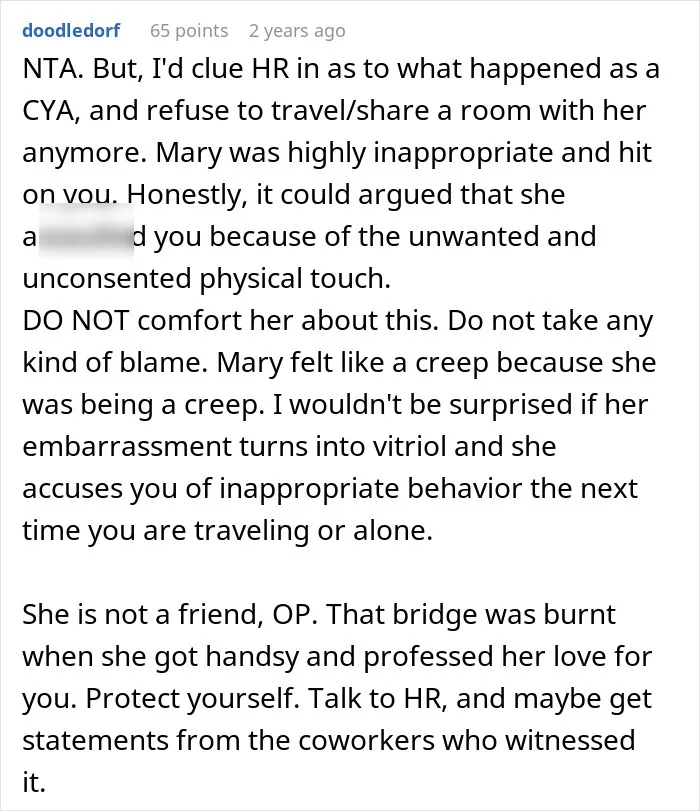
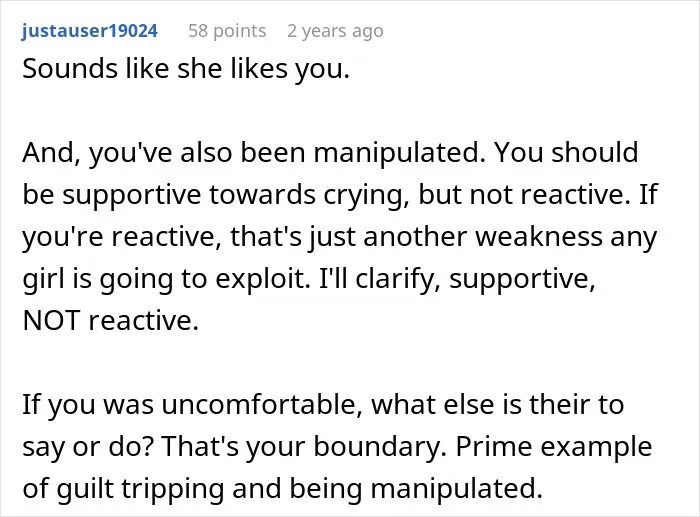
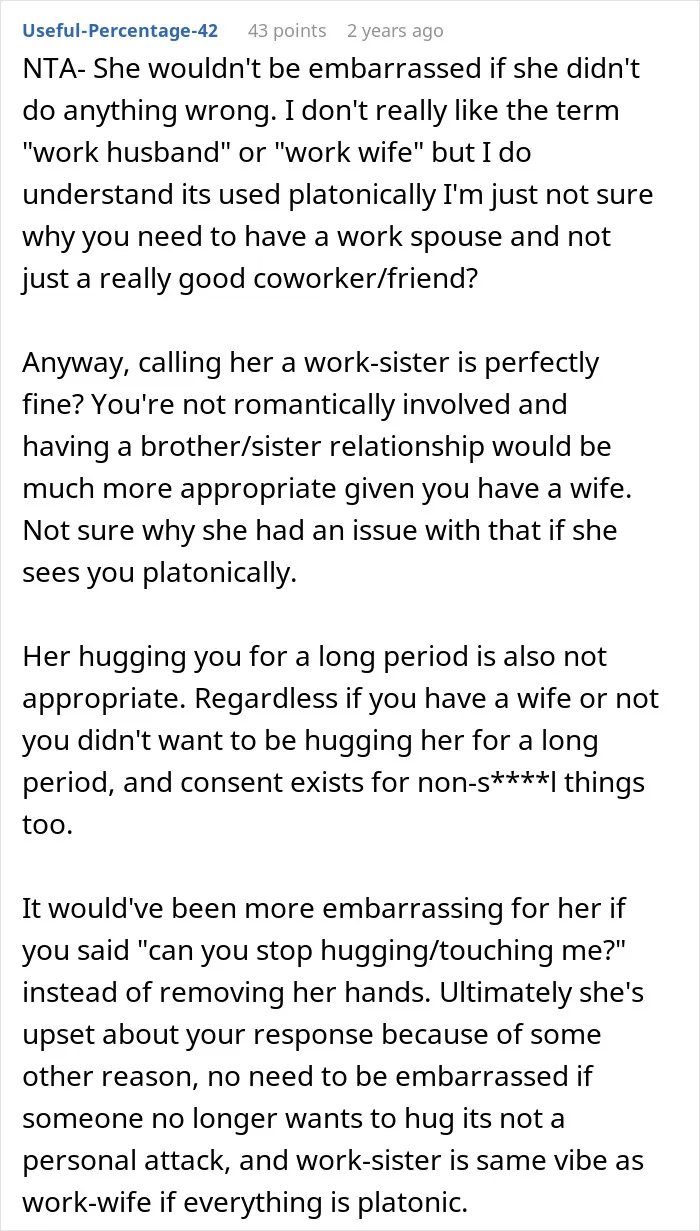
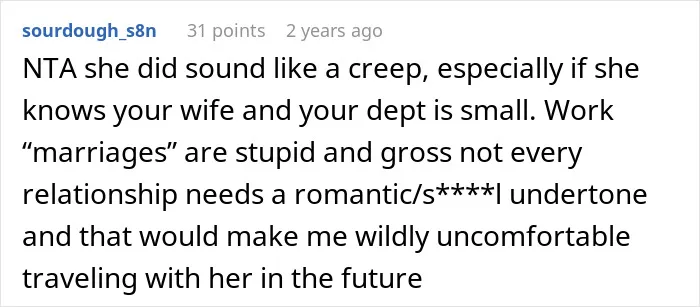






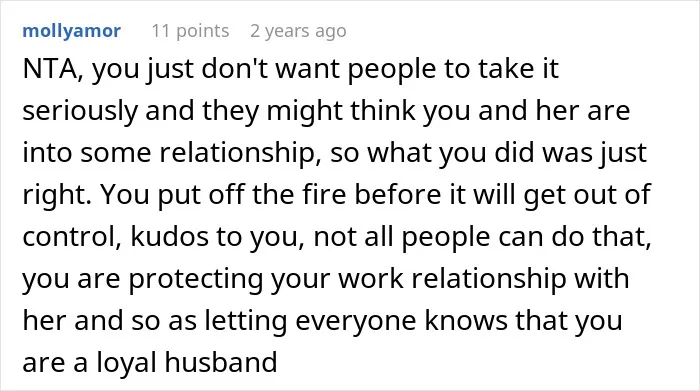
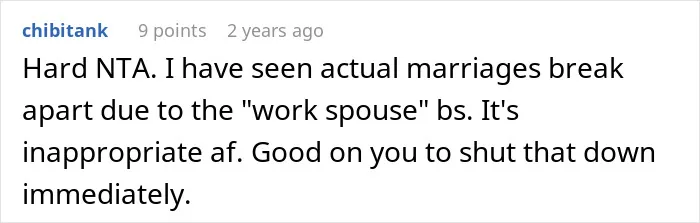

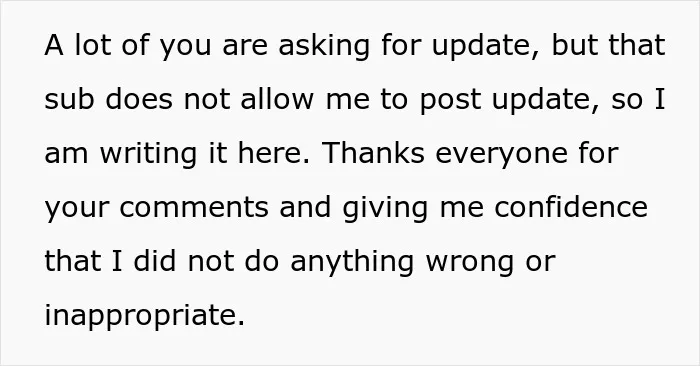
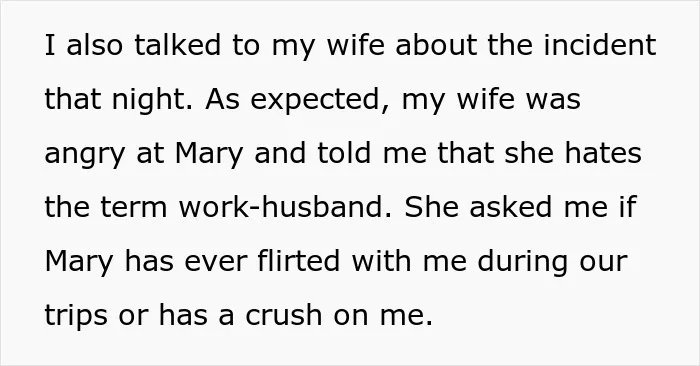
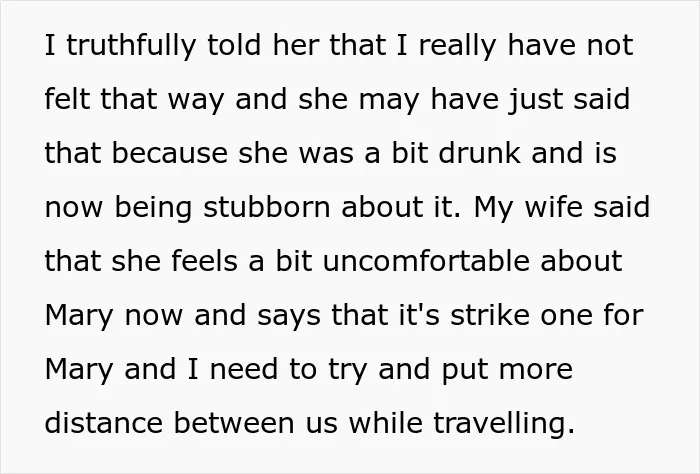
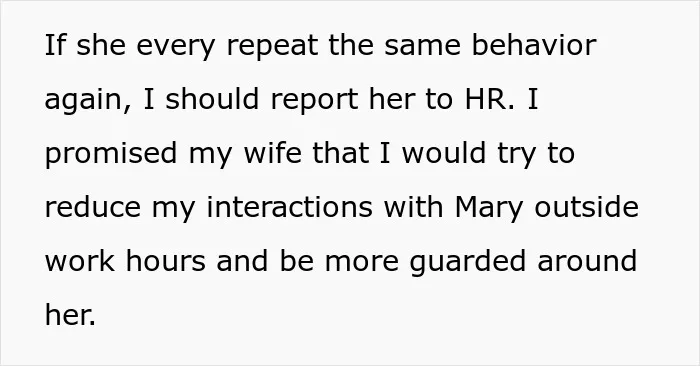
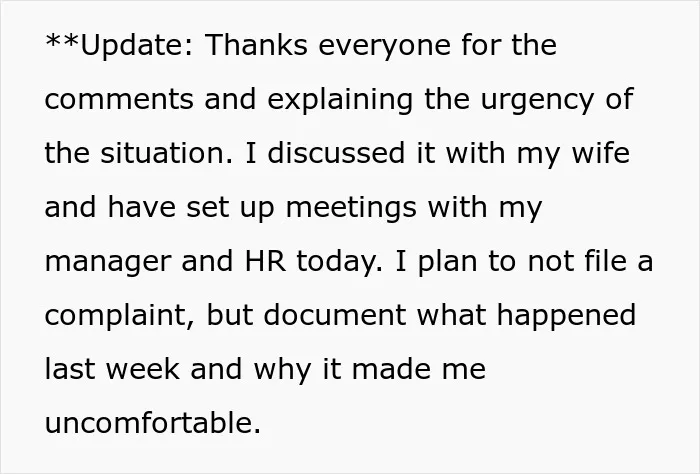
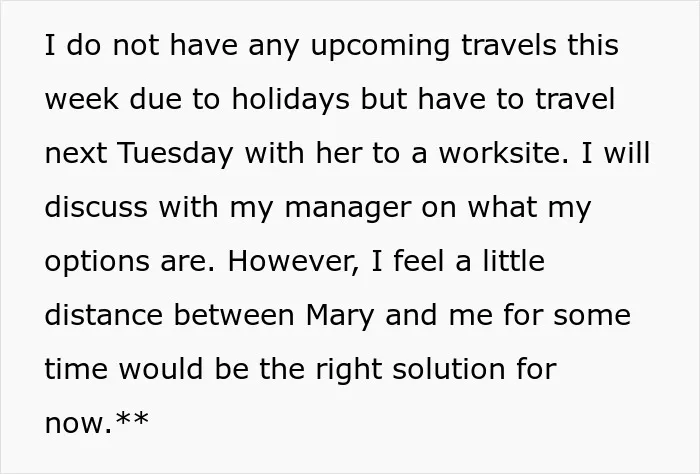
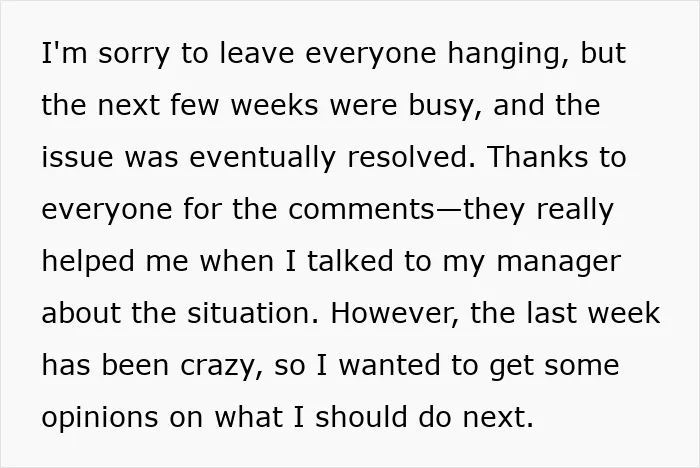
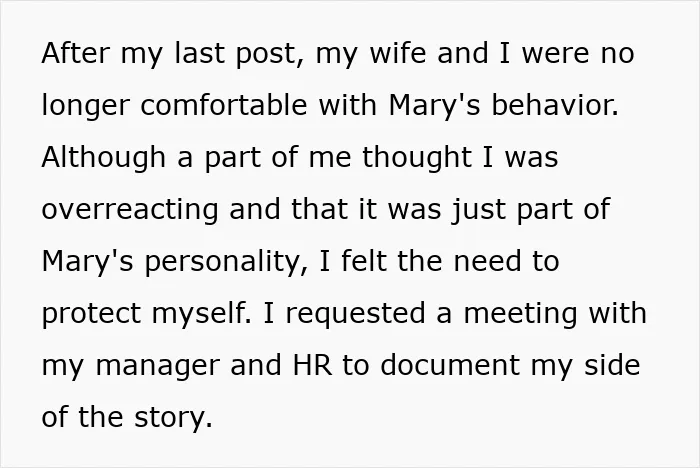
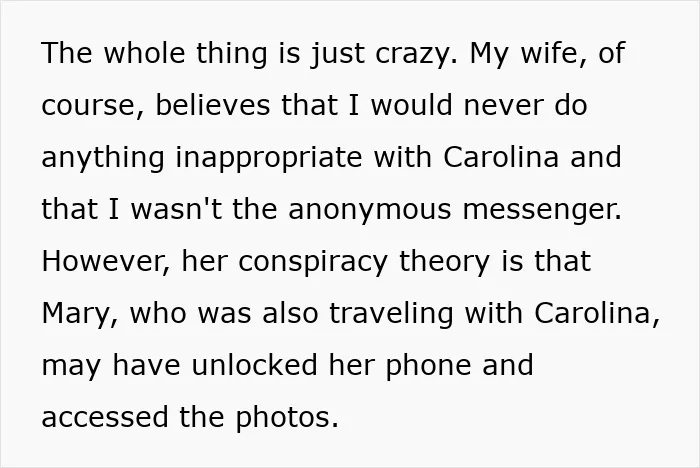
He later shared an update


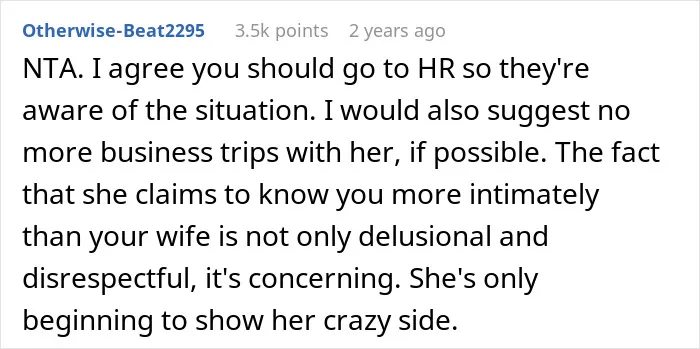
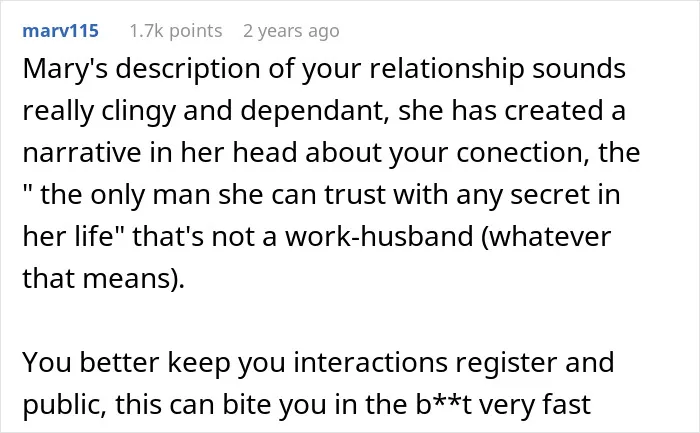
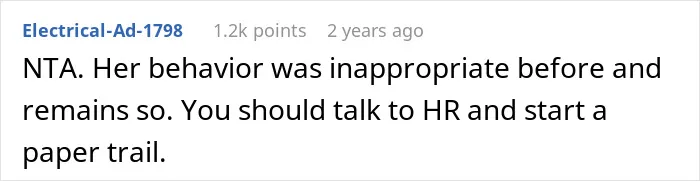
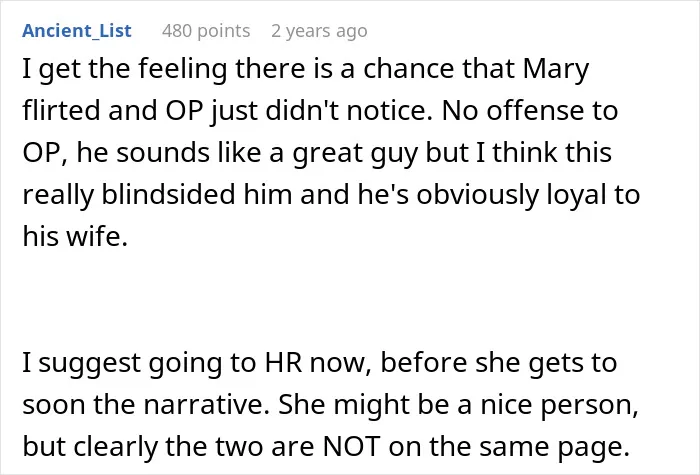
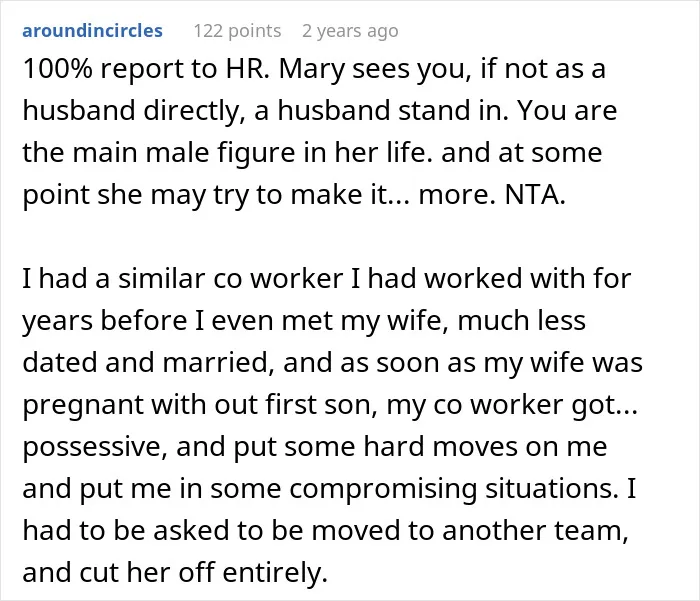
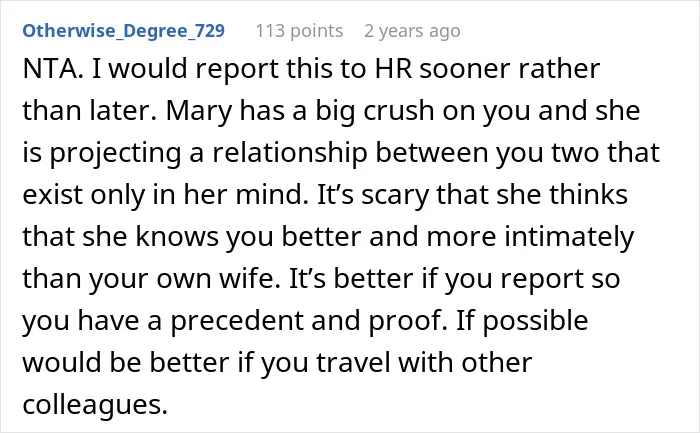
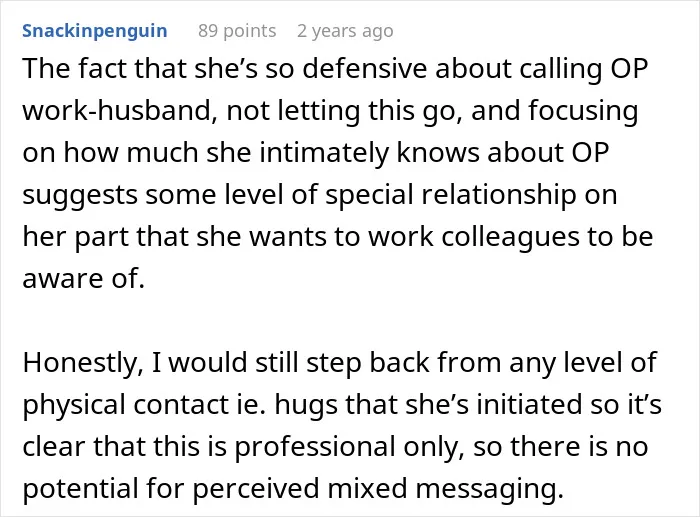
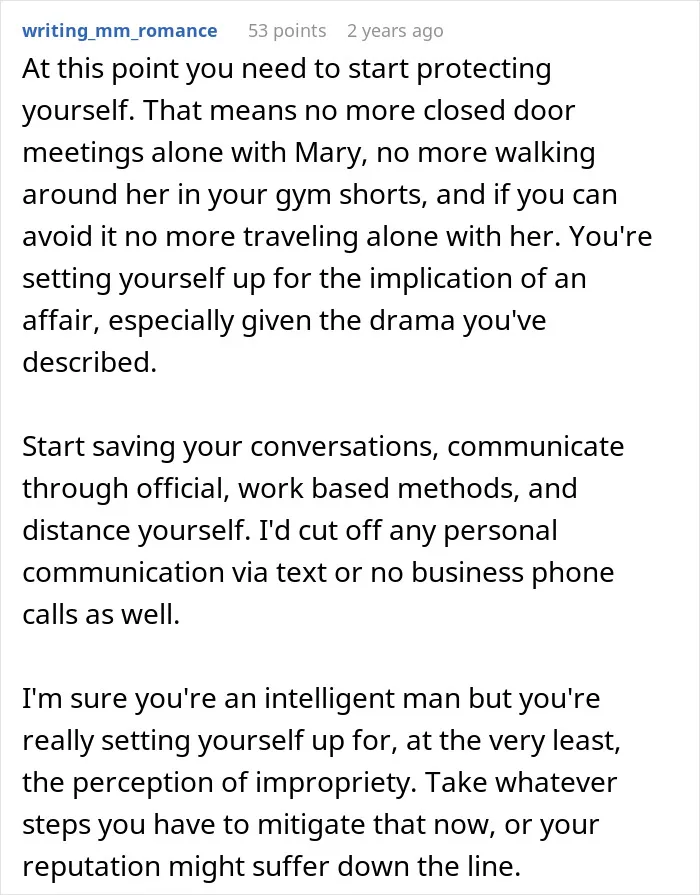
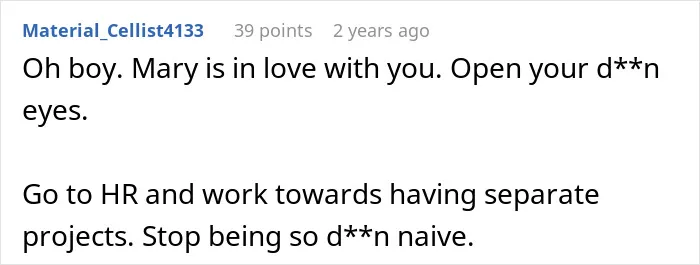
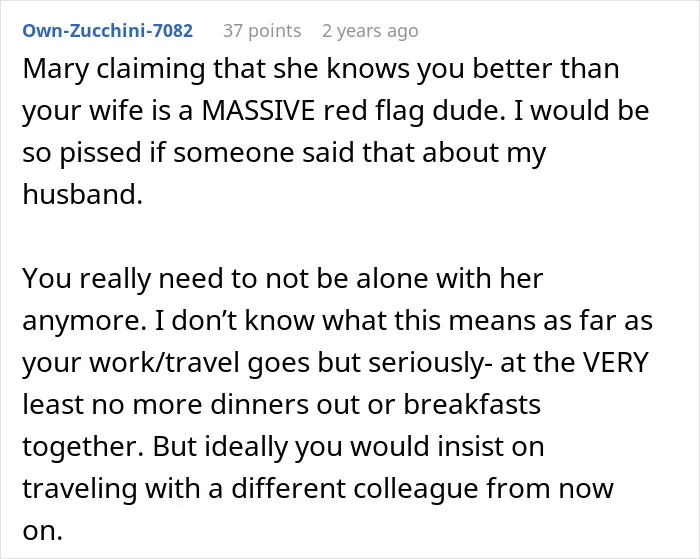
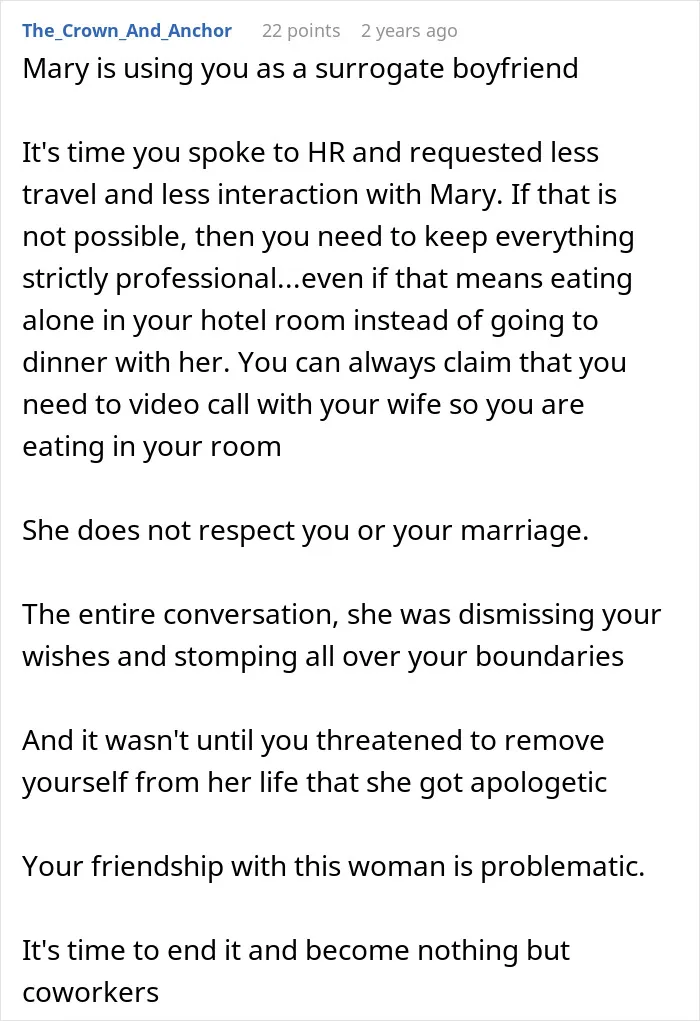
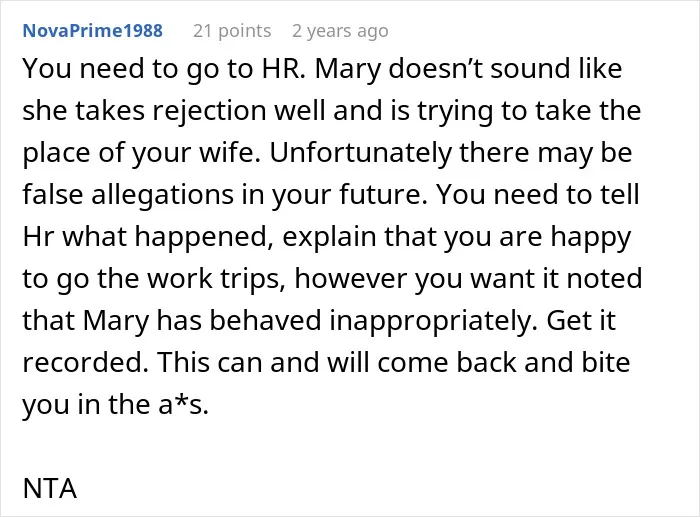
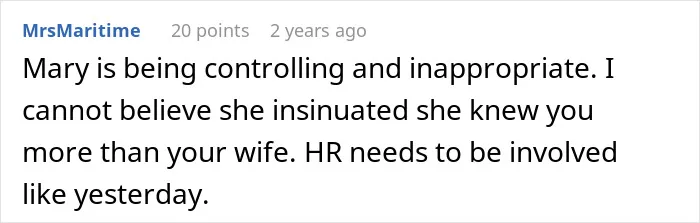
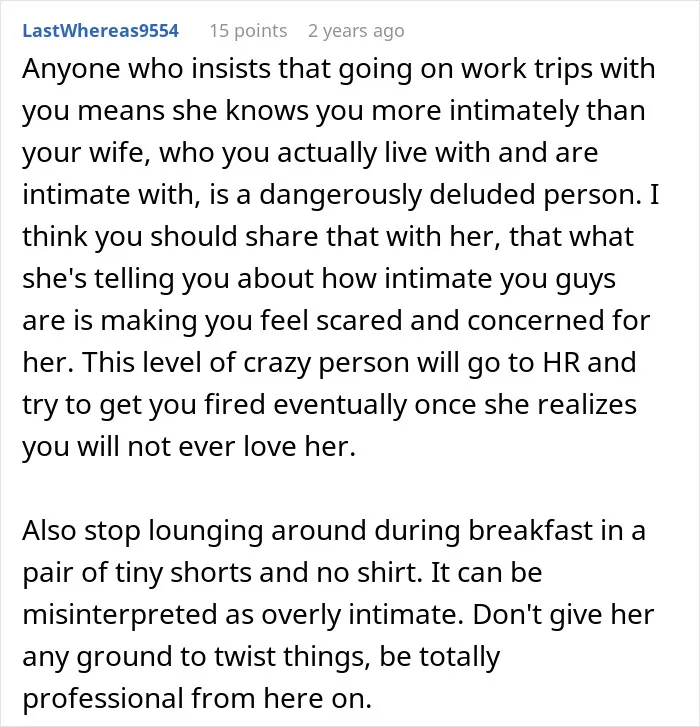
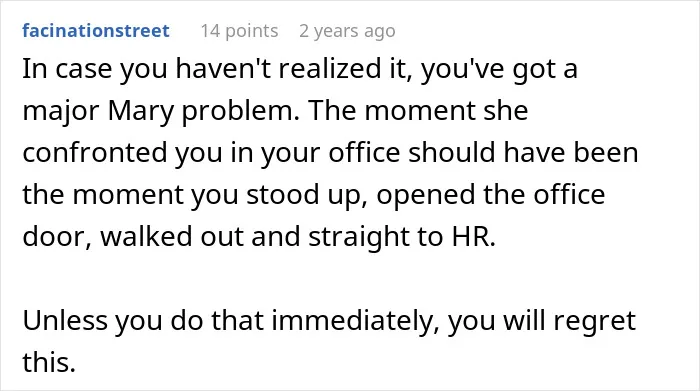
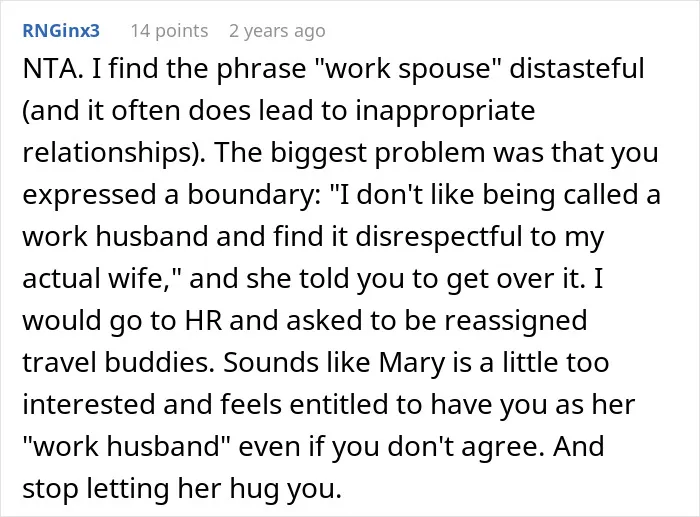
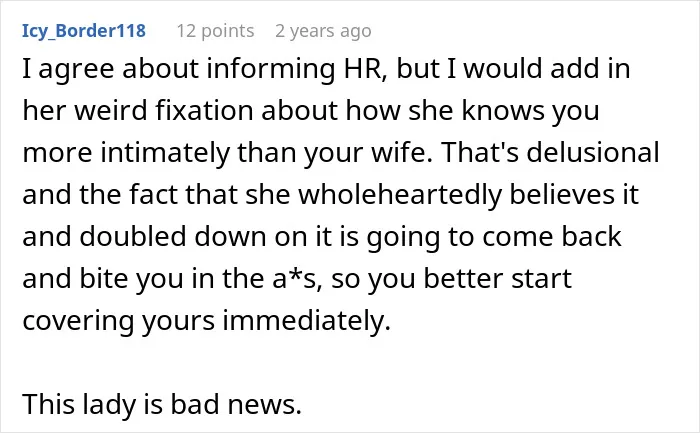
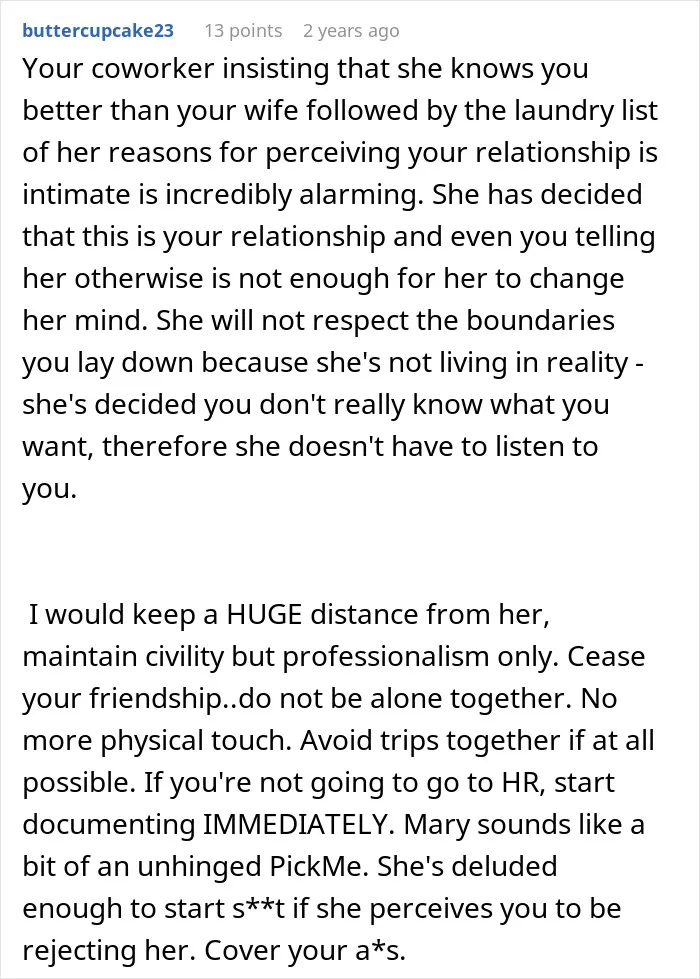
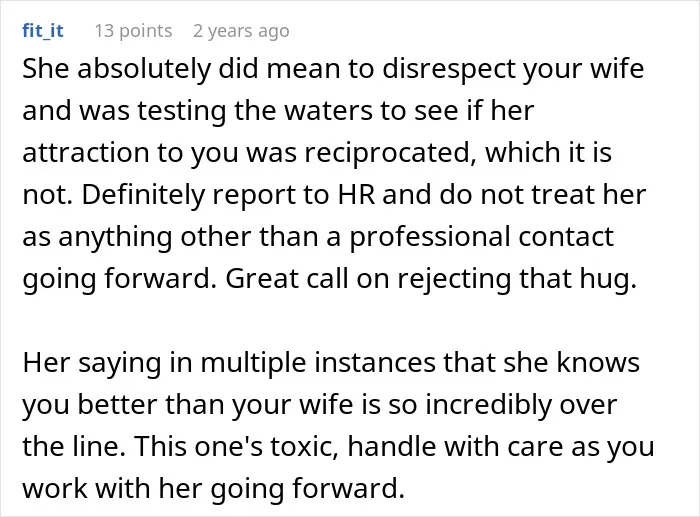
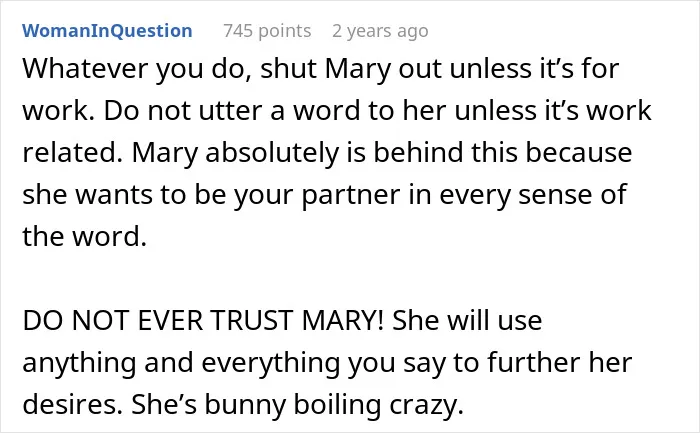
Commenters thought he made the right call






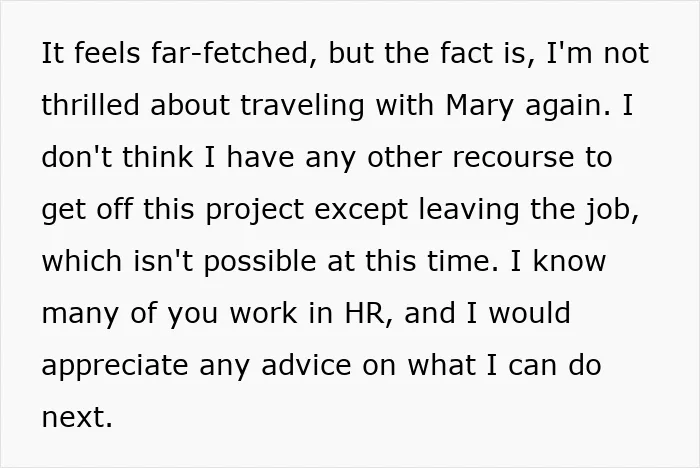
Then he came through with another update



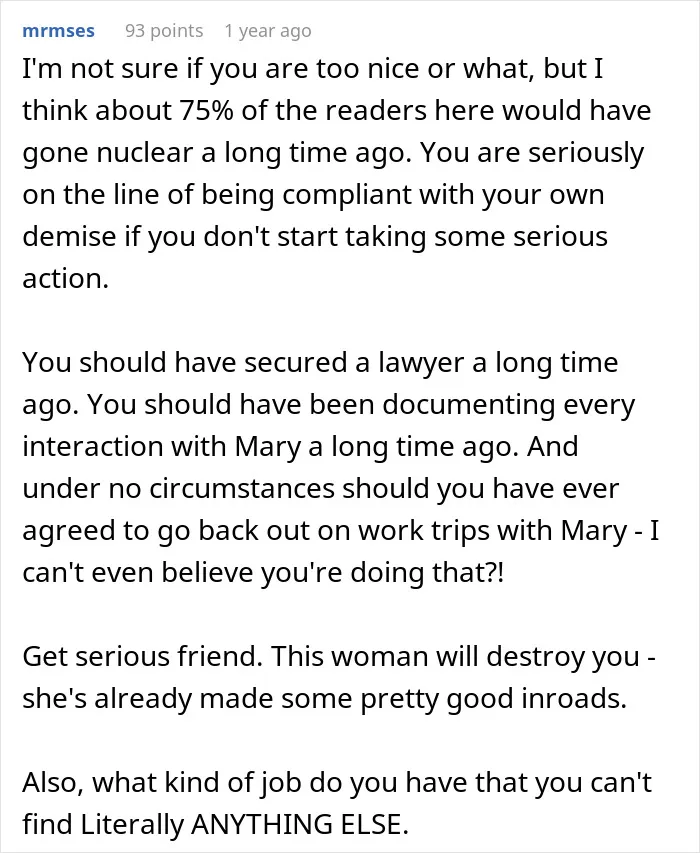
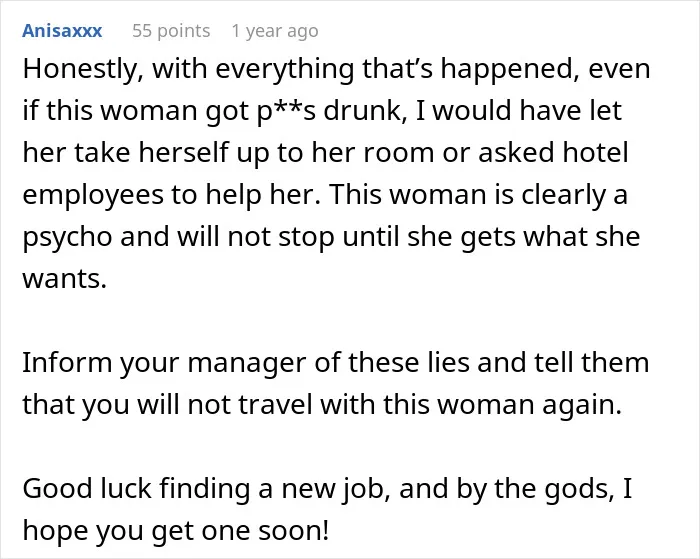
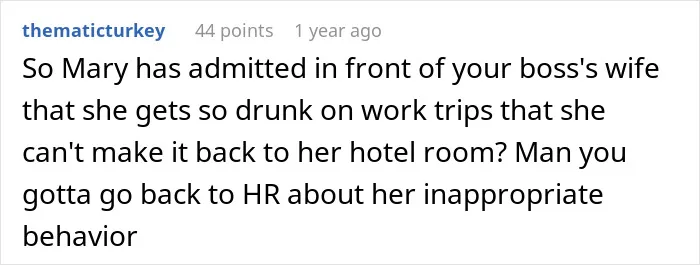
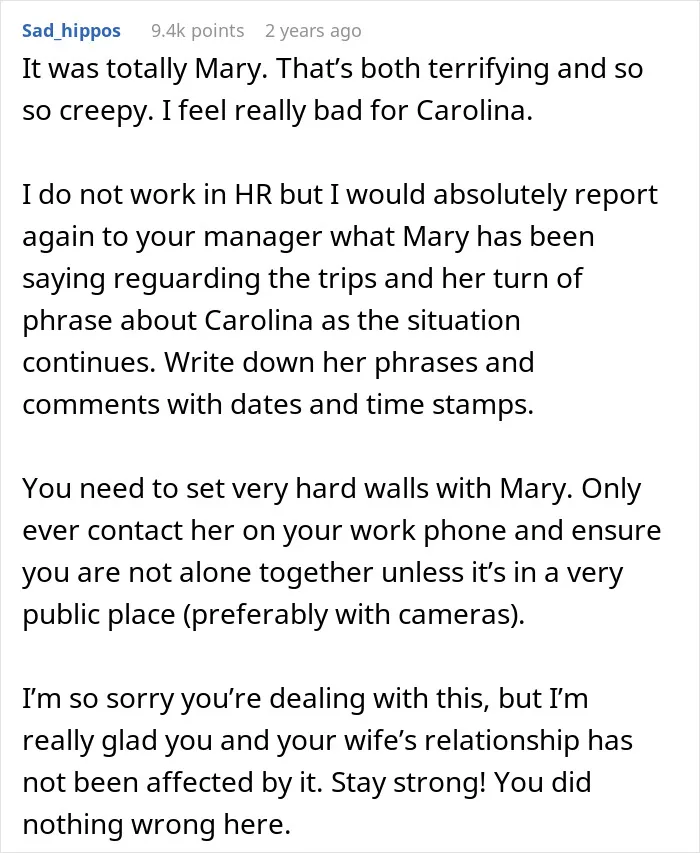
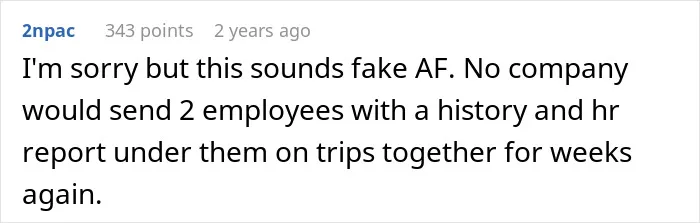
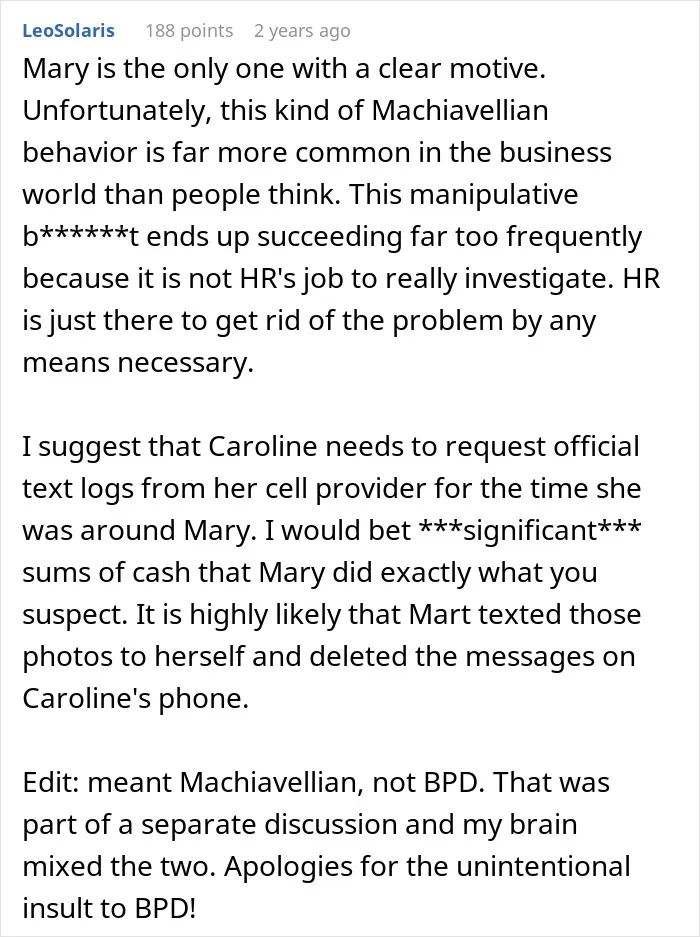
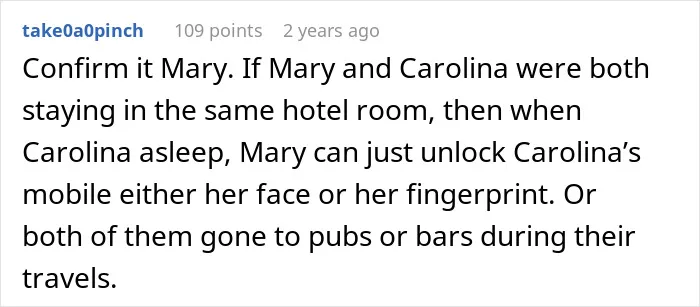
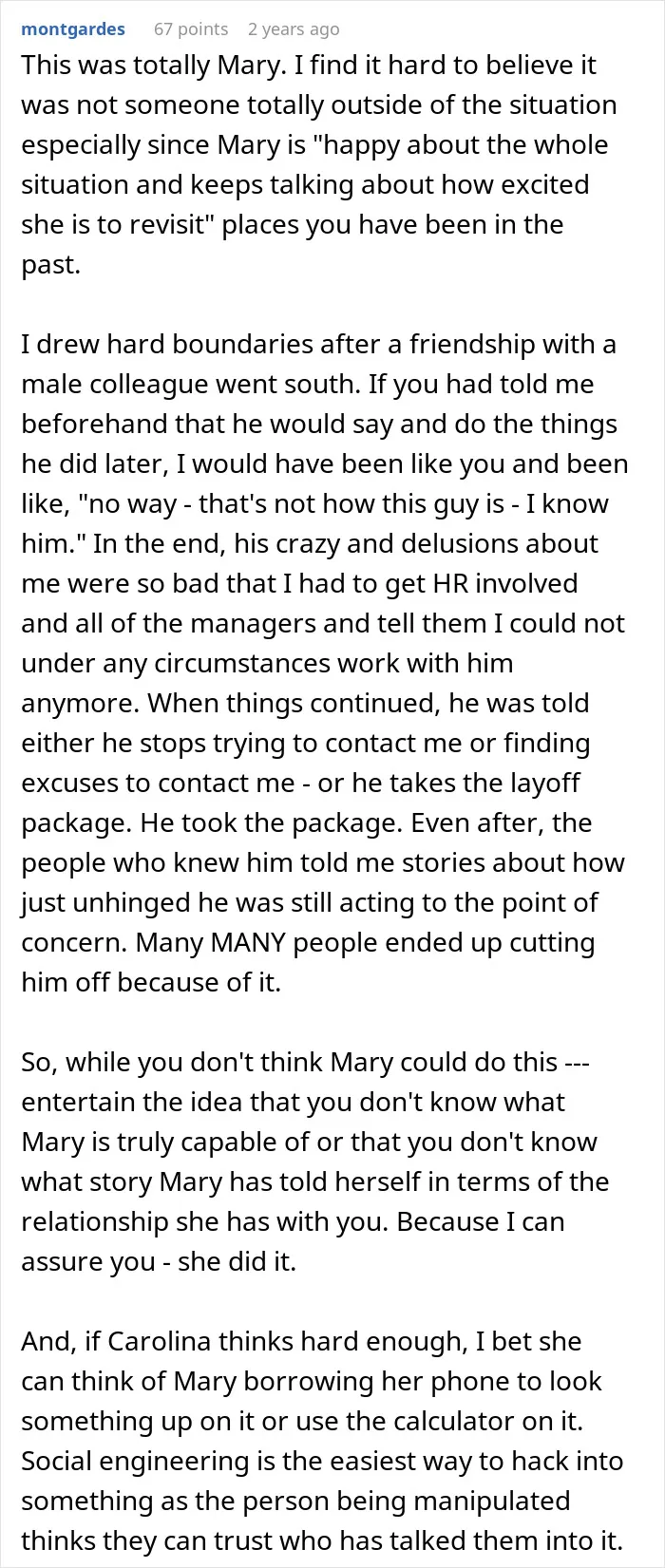
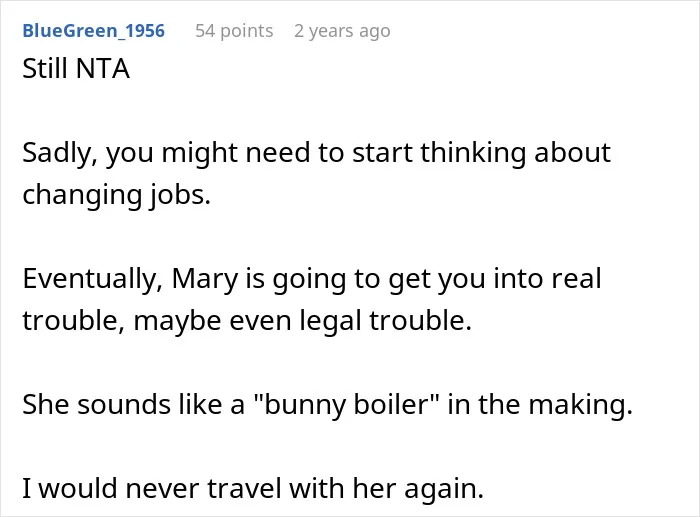
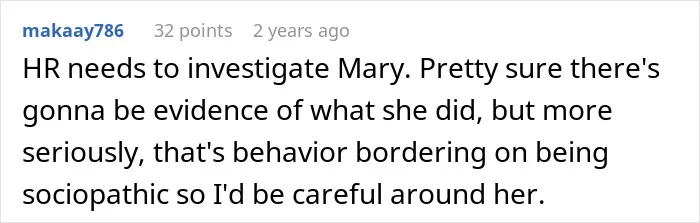
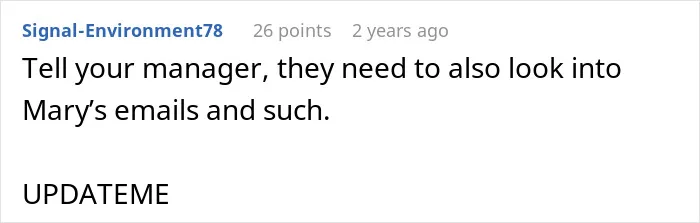
Readers had a lot to say


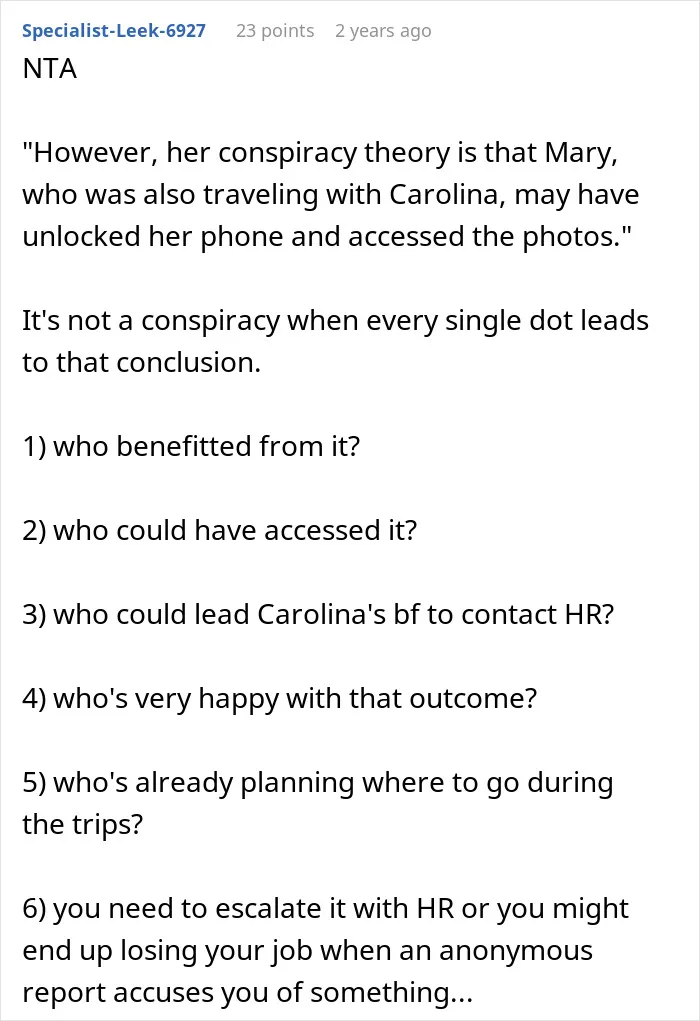

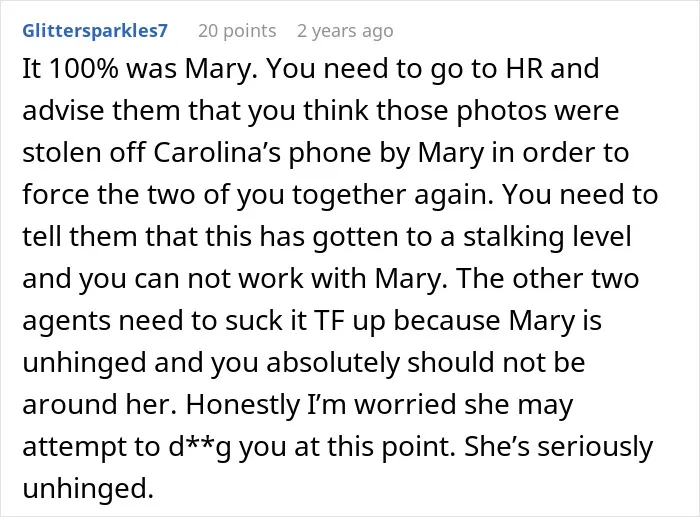

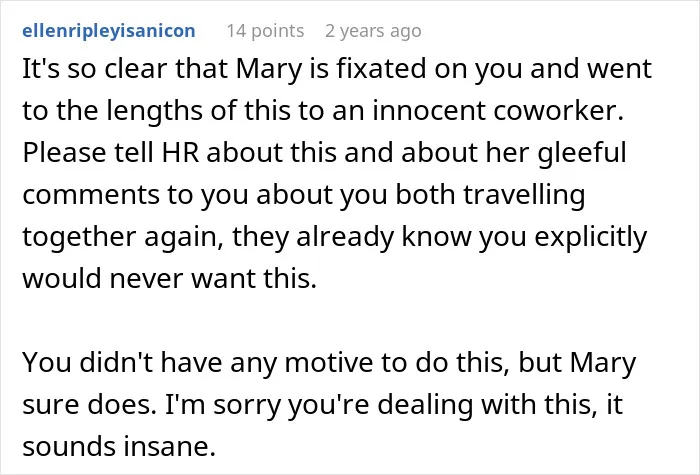
He posted one last update
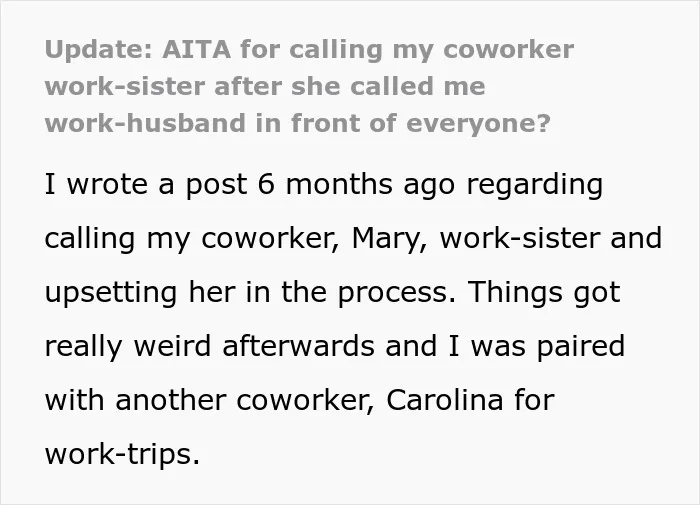



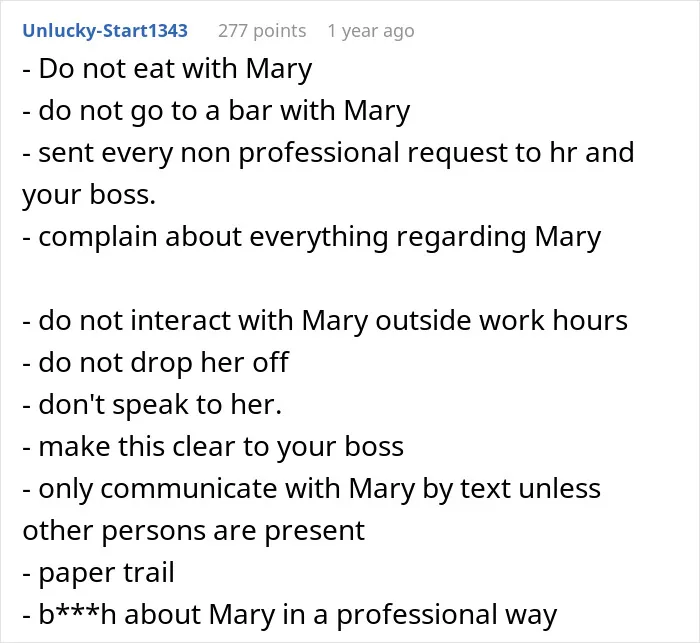
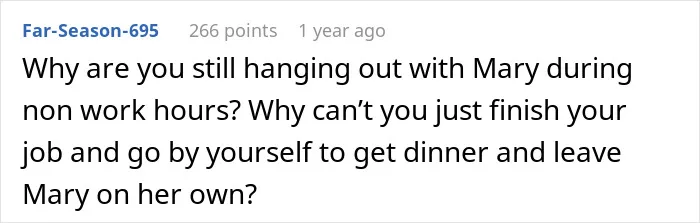
People suggested he had to cut ties